A cocktail is a small piece of engineering disguised as a pleasure. Three or four ingredients, a little ice, a little technique, and the result can be one of the most satisfying drinks you will ever taste — or a sticky, over-sweet mess that you abandon after two sips. The best cocktails of 2026 are the ones that taste deliberate: every ingredient earns its place, the balance is exact, and the drink feels complete rather than crowded. The worst cocktails taste of shortcuts. They are built from cheap spirits, sugary mixers and tired fruit, shaken or stirred without care, and sold on the strength of a fancy glass rather than what is inside it.
This comparison puts the best cocktails of 2026 head to head against the worst, judging them the way you would actually drink them: ordered in a good bar, made at home with decent ingredients, tried fresh, and tried again on a second occasion to see whether the first impression holds. We look at balance, ingredients, technique, how honestly the drink is made, and whether it is still pleasant by the bottom of the glass. The same honest approach sits behind our comparison of the best and worst beers of 2026, which shows how the same rules decide which drinks deserve a place on your table and which ones do not.
Key Takeaways
- Balance matters more than strength: a great cocktail keeps spirit, sweet, sour and bitter in conversation instead of letting one shout over the rest.
- Fresh ingredients decide everything: fresh citrus, good ice and a decent base spirit beat a fancy recipe made from bottles that have sat open for months.
- Technique is not decoration: shaking, stirring, dilution and temperature change a cocktail more than any garnish ever will.
- Price is a weak guide: plenty of honest cocktails cost little to make well, and plenty of dear ones are built on cheap spirits and syrup.
- Order the classics first: a bar that cannot make a good martini or daiquiri will not make a good signature drink either.
What Makes a Cocktail Good or Bad
A good cocktail starts with its ingredients and the care taken with them. The best cocktails of 2026 are made from a base spirit that tastes of something real, fresh citrus squeezed that day, and a sweetener that adds flavour rather than just sugar. The ice is fresh and solid, the glass is chilled, and the drink is made to order rather than poured from a jug that has been sitting since lunchtime. The worst cocktails are made from the cheapest spirit the bar could buy, bottled sour mix instead of real lemons, and flat soda from a gun, then rushed out with a garnish that has been sitting in a tray all evening.

The Best Cocktails of 2026
The best martinis of 2026 are a lesson in restraint. A great martini does not shout. It is ice cold, crystal clear, and served in a chilled glass with a garnish that suits the drink: an olive for a savoury edge, a twist of lemon for brightness. The finest examples use a good gin or vodka and just enough vermouth to give the drink shape, stirred until it is silky rather than sharp. They are the cocktails to order when you want to test a bar, because a bar that makes a great martini understands balance, temperature and restraint.
The best margaritas and daiquiris of 2026 are the opposite in character but the same in quality. They are bright, fresh and alive, with real lime juice, a good tequila or rum, and just enough sweetness to round the edges without hiding the spirit. The best ones taste of the fruit that went into them, and they are served cold and quickly, before the ice has a chance to melt. A great daiquiri is one of the simplest drinks in the world — rum, lime, sugar — and one of the hardest to make well, which is exactly why it is such a good test of a bartender.
The best negronis and old fashioneds of 2026 prove that a strong drink does not have to be a harsh one. A great negroni is bitter, herbal and complex, with gin, Campari and sweet vermouth in equal parts, served over a single large cube of ice that chills without drowning the drink. A great old fashioned is smooth and warming, with bourbon or rye, a little sugar, a dash of bitters, and an orange twist expressed over the glass. Both drinks reward patience: sipped slowly, they change as the ice melts, and they are among the most rewarding cocktails you can order.
The Worst Cocktails of 2026
The worst cocktails of 2026 are the ones that taste of syrup. They are brightly coloured, aggressively sweet, and built from bottled mixers, flavoured vodkas and enough sugar to hide a spirit that nobody would want to taste on its own. They are often served in novelty glasses with sparklers, dry ice or candy garnishes, and they are designed to be photographed rather than drunk. The drink underneath the theatre is usually thin, cloying and one-dimensional, and it leaves a headache that has very little to do with the alcohol.
The worst martinis of 2026 are the mirror image: drinks that mistake strength for quality. They are served warm, in a glass that was never chilled, with a spirit poured straight from a bottle that has sat on a sunny shelf. Some are drowned in vermouth until they taste of nothing but herbal wine; others have no vermouth at all and taste of cold, raw spirit. A few are shaken so violently that they arrive cloudy and full of ice chips, with a texture like a slush puppy rather than a silk-smooth classic.
The worst cocktails of all are the stale ones, and they appear at every price. A drink made with flat tonic tastes dull and lifeless. One made with lime juice squeezed yesterday tastes bitter and tired. One built on ice that has been sitting in a warm well tastes watery before it reaches the table. None of these faults are a matter of taste. They are defects, and a cocktail that shows them should go back, however much it cost.
Best vs Worst: Head to Head
Put a great martini next to a poor one and the difference is obvious within one sip. The great martini is cold, clear and silky, with a clean finish that makes you want another. The poor martini is warm, cloudy or harsh, with a raw spirit note that lingers unpleasantly. The great martini costs a little more, but the difference per glass is small, and the difference in enjoyment is large.
Put a great margarita next to a poor one and the gap is just as wide. The great margarita smells of fresh lime before you even taste it, with tequila that is clear and defined, and it finishes bright enough to keep you coming back. The poor margarita smells of bottled mix, tastes syrupy or harsh, and leaves a sticky sweetness that makes a second glass unappealing. Freshness decides much of this: a great margarita made with yesterday’s lime juice is barely better than a poor one made fresh.
The same pattern holds for the old fashioned. A great old fashioned is smooth, warming and balanced, with a gentle sweetness that makes it surprisingly drinkable. A poor old fashioned is either thin and watery, tasting of flat soda and little else, or thick and syrupy, tasting of sugar and cherry syrup rather than whisky. The best old fashioneds prove that a strong drink can be gentle, and the worst prove that sweet does not mean pleasant.
How to Choose a Good Cocktail
Start with the classics. Order a martini, a daiquiri or a negroni first, and judge the bar by how well it makes them. A bar that cannot make a good daiquiri will not make a good signature drink either, whatever the menu promises. If the classic is balanced, cold and made with fresh ingredients, the rest of the menu is probably safe.
Next, match the cocktail to the moment. A light spritz suits a warm afternoon and a long lunch. A martini suits a smart evening and a quiet corner. A margarita suits a barbecue and a celebration. A negroni suits a slow evening when you have time to sip. Choosing the right drink for the occasion matters more than choosing the most expensive one on the menu, and it is the simplest way to enjoy cocktails more. Our comparison of craft beer versus cocktails for a night out looks at exactly this trade-off, and cocktails win the short, special evening more often than not.
Watch how it is made. A good bartender chills the glass, measures the ingredients, uses fresh ice, and takes the time the drink needs. A bad one free-pours from a bottle, grabs the nearest ice, and rushes the drink out with a garnish that has been sitting in a tray all evening. You do not need to know the recipe to spot the difference: care is visible, and carelessness is visible too.
Finally, trust your own palate. The best cocktail is the one you enjoy drinking, not the one with the highest rating or the most elaborate garnish. Try new classics, keep notes on what you liked, and do not be afraid to dislike a famous drink. Tastes differ, and a cocktail that bores you is a bad cocktail for you, whatever anyone else says about it.

Cocktails at Home
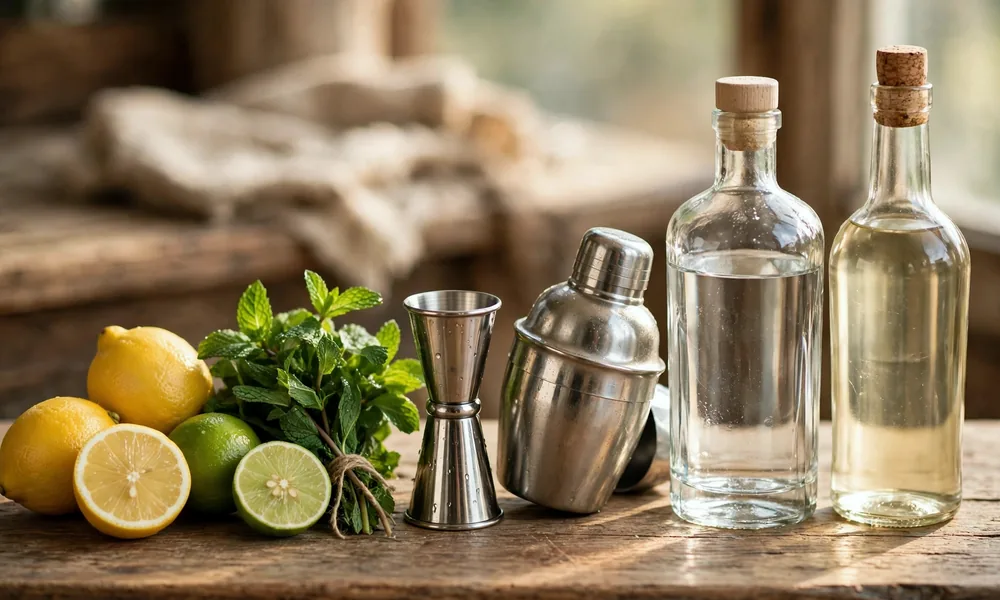
Making cocktails at home is easier than most people think, and it is the cheapest way to drink well. Start with three classics — a daiquiri, a margarita and an old fashioned — and buy one good bottle of rum, one of tequila and one of bourbon. Add fresh limes and lemons, sugar, and a shaker, and you can make drinks that beat most bars. The choice of spirit matters more than any gadget, and our guide to gin versus vodka cocktails shows how the base spirit shapes everything that follows.
The most common home mistake is the mixer. Bottled sour mix, flat tonic and stale soda ruin more home cocktails than any other single cause. Buy small bottles of tonic, keep them cold, squeeze your citrus fresh, and use good ice — frozen in a proper tray, not the dusty cubes that have lived in the freezer for months. Those four changes will improve your drinks more than any new piece of equipment.
The Verdict
The best cocktails of 2026 are worth seeking out because the gap between them and the worst is so large, and the price gap is so small. A good martini, a fresh margarita, a balanced negroni or a bright spritz will make an ordinary evening better, and they cost little more than the disappointing drinks they replace. The worst cocktails are not bad because a cocktail is a complicated drink. They are bad because someone cut corners, used stale ingredients, rushed the making, or sold a garnish instead of a drink.
Choose fresh, choose balanced, watch how it is made, and judge what is in the glass. Do that, and the best cocktails of 2026 will find you far more often than the worst ones will.