A beer is the simplest drink in the world and one of the easiest to get wrong. Water, malt, hops and yeast are all it takes, yet the glass in front of you can be anything from a small masterpiece to a thin, metallic disappointment. The best beers of 2026 are the ones that taste of something real: malt with character, hops with a purpose, yeast that has been looked after. The worst beers taste of shortcuts. They are brewed to a price, rushed through the brewery, and sold on the strength of a familiar label rather than what is in the glass.
This comparison puts the best beers of 2026 head to head against the worst, judging them the way you would actually drink them: poured properly into a clean glass, tried fresh, tried with food, and tried again on a second occasion to see whether the first impression holds. We look at flavour, freshness, balance, how honestly the beer is made, and whether it is still pleasant by the bottom of the glass. The same honest approach sits behind our comparison of the best and worst wines of 2026, which shows how the same rules decide which bottles deserve a place at the table and which ones do not.
Key Takeaways
- Freshness matters more than brand: a good beer drunk fresh beats a famous beer that has sat warm on a shelf for months.
- Balance beats strength: the best beers keep malt, hops and bitterness in conversation instead of letting one shout over the rest.
- Faults are easy to spot once you know them: cardboard, butter, vinegar and a metallic tang are all warning signs.
- Price is a weak guide: plenty of honest beers under a few pounds a bottle drink beautifully, and plenty of dear ones disappoint.
- Pour it properly: a clean glass, a proper head and the right temperature change a beer more than any label ever will.
What Makes a Beer Good or Bad
A good beer starts with its ingredients and the care taken with them. The best beers of 2026 are made from malt that tastes of grain rather than sugar water, hops that bring aroma as well as bitterness, and yeast that has been given time to finish its work. The beer is fresh, it is stored cold, and it is poured into a clean glass so the head forms properly and the aroma reaches you before the first sip. The worst beers are made from the cheapest malt the brewery could buy, dosed with adjuncts to stretch the batch, and rushed out before the yeast has settled, leaving flavours that taste unfinished and thin.
The Best Beers of 2026
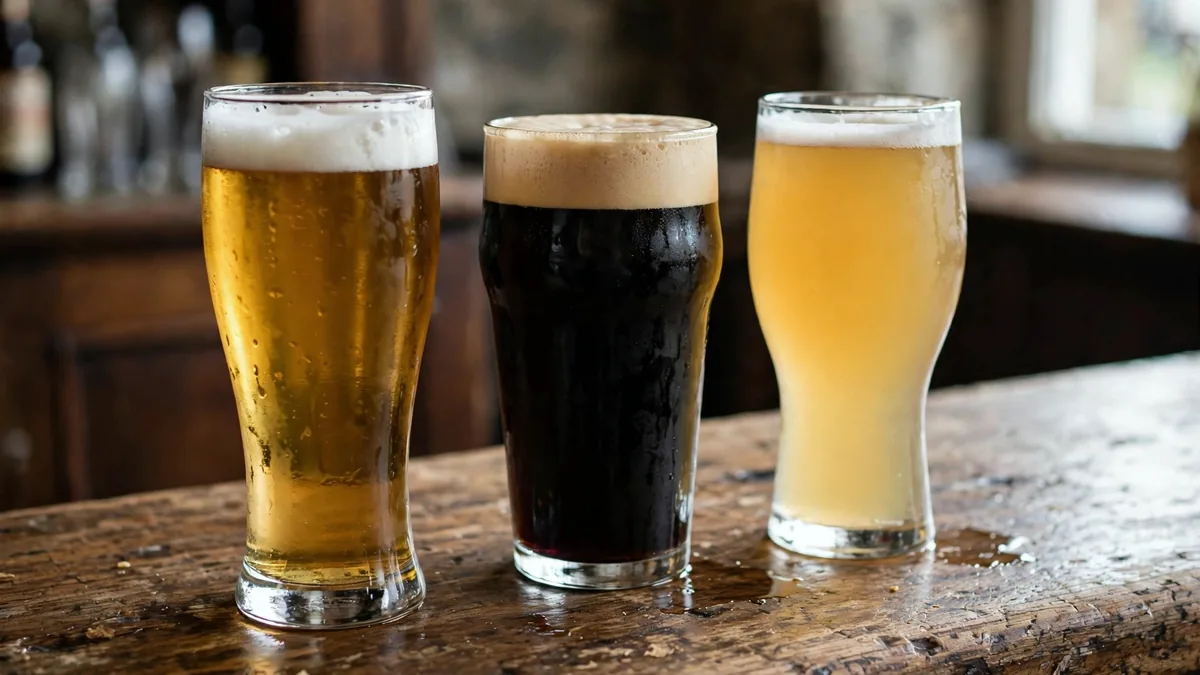
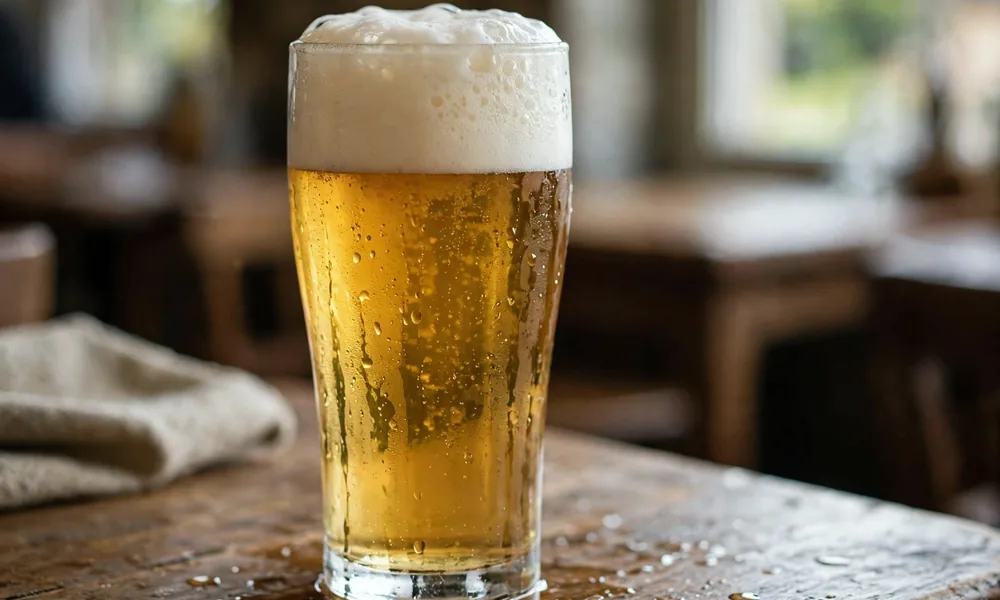
The best lagers of 2026 are a lesson in restraint. A great lager does not shout. It is golden and clear, with a white head that holds its shape, a gentle bready malt character, and a clean bitter finish that leaves the palate refreshed. The finest examples come from breweries that lager properly, giving the beer weeks of cold conditioning instead of days, so the flavours settle and the beer drinks smoothly. They are the beers to reach for on a hot day, with grilled food, or when you simply want something cold and honest.
The best pale ales and IPAs of 2026 are the opposite in character but the same in quality. They are bright, aromatic and alive, with hops that smell of grapefruit, pine, mango or tropical fruit depending on the variety, sitting over a malt base that is present but never sweet enough to get in the way. The best ones are hazy only when the style calls for it, and they are drunk fresh, within weeks of canning, when the hop aroma is at its peak. A great IPA tastes like the hops were added yesterday, because in the best cases they nearly were.
The best stouts and porters of 2026 prove that dark beer does not have to be heavy. A great stout pours almost black with a tan head, and smells of roasted coffee, dark chocolate and a hint of liquorice. On the palate it is smooth and full without being syrupy, with a dry, roasty finish that invites another sip rather than demanding a rest. The best examples balance their roast bitterness carefully, so the beer tastes complex rather than burnt, and they pair beautifully with chocolate desserts, oysters, and slow-cooked stews.
The Worst Beers of 2026
The worst lagers of 2026 are the ones that taste of nothing at all. They are pale, fizzy and cold, and they are designed to be drunk as quickly as possible before you notice that there is no flavour to enjoy. The malt is so light it barely registers, the hops are present only as a vague bitterness at the back of the throat, and the finish is a thin metallic note that lingers unpleasantly. They are often sold cheaply in large packs, and they are the beers that give lager a bad name among drinkers who have never tried a properly made one.
The worst IPAs of 2026 are the mirror image: beers that mistake intensity for quality. They are loaded with hops until the bitterness is harsh and the aroma is a muddled mess of onion, garlic and catty notes that no brewer intended. Some are so hazy they look like orange juice and so sweet they drink like a milkshake, with lactose and fruit puree covering up a beer that was never properly fermented. The label promises a tropical explosion; the glass delivers a confusing, cloying drink that is hard to finish.
The worst beers of all are the faulty ones, and they appear at every price. A beer that smells of buttered popcorn has a fermentation fault. One that smells of wet cardboard has been oxidised, usually by poor storage. One that smells of vinegar has been infected. One that tastes of metal has picked it up from poor equipment or old cans. None of these faults are a matter of taste. They are defects, and a beer that shows them should go back, however much it cost.

Best vs Worst: Head to Head
Put a great lager next to a poor one and the difference is obvious within one sip. The great lager is bright, clean and refreshing, with a head that lasts and a finish that makes you want another. The poor lager is flat in flavour even when it is fizzy, with a head that vanishes and a metallic aftertaste. The great lager costs a little more, but the difference per glass is small, and the difference in enjoyment is large.
Put a great IPA next to a poor one and the gap is just as wide. The great IPA smells wonderful before you even taste it, with hop aroma that is clear and defined, and it finishes dry enough to keep you coming back. The poor IPA smells muddled, tastes harsh or cloyingly sweet, and leaves a sticky, bitter coating that makes a second glass unappealing. Freshness decides much of this: a great IPA drunk stale is barely better than a poor one drunk fresh.
The same pattern holds for stouts. A great stout is smooth, roasty and balanced, with a dry finish that makes it surprisingly drinkable. A poor stout is either thin and watery, tasting of burnt toast and little else, or thick and syrupy, tasting of dessert flavourings rather than beer. The best stouts prove that dark does not mean heavy, and the worst prove that sweet does not mean pleasant.
How to Choose a Good Beer
Start with the date. Check the best-before or canned-on date, and choose the freshest beer on the shelf, especially for hoppy styles. A pale ale canned last month will almost always beat one canned eight months ago, whatever the label says. Buy from shops that keep their beer cold and out of direct light, and avoid cans that are dusty, dented or warm to the touch.
Next, match the beer to the moment. A crisp lager suits hot weather and spicy food. A pale ale suits a barbecue and a long evening with friends. A stout suits cold weather, chocolate and slow evenings. A wheat beer suits a sunny lunch. Choosing the right style for the occasion matters more than choosing the most expensive bottle, and it is the simplest way to enjoy beer more. Our guide to wine versus beer for dinner pairing shows how the same matching logic works at the table, dish by dish.
Pour it properly. Rinse the glass with cold water, tilt it, pour down the side, then straighten it to build a head of about two fingers. The head is not decoration: it traps aroma, keeps the beer carbonated, and tells you the glass is clean. A head that collapses instantly means the glass has detergent residue or the beer is flat, and either way the beer will taste worse for it. Serve lager cold, pale ale cool, and stout a little warmer than the fridge, so the flavours have room to show themselves.
Finally, trust your own palate. The best beer is the one you enjoy drinking, not the one with the highest rating or the rarest label. Try new styles, keep notes on what you liked, and do not be afraid to dislike a famous beer. Tastes differ, and a beer that bores you is a bad beer for you, whatever anyone else says about it.

Where Beer Fits on a Night Out
Beer has one advantage no other drink can match: it is the easiest drink to share. A round of beers is simple, affordable and democratic, and a beer flight lets a whole table taste four styles for roughly the price of a single cocktail in many bars. That matters on a long evening with friends, where the drink should support the conversation rather than dominate it. Our comparison of craft beer versus cocktails for a night out looks at exactly this trade-off, and beer wins the long, relaxed night more often than not.
Beer also pairs with food in ways that surprise people who think of it as a drink for the pub alone. A crisp lager cuts through fried food and spice. A hoppy pale ale stands up to a burger or a curry. A stout loves chocolate, oysters and slow-cooked meat. The carbonation refreshes the palate between bites in a way still drinks cannot match, which is why beer belongs at the dinner table as much as at the bar.
The Verdict
The best beers of 2026 are worth seeking out because the gap between them and the worst is so large, and the price gap is so small. A good lager, a fresh pale ale, a balanced stout or a soft wheat beer will make an ordinary evening better, and they cost little more than the disappointing beers they replace. The worst beers are not bad because beer is a simple drink. They are bad because someone cut corners, rushed the brew, stored it badly, or sold a label instead of a beer.
Choose fresh, choose balanced, pour it properly, and judge what is in the glass. Do that, and the best beers of 2026 will find you far more often than the worst ones will.


