A bottle of wine can turn an ordinary evening into a small celebration, or it can quietly ruin one. The best wines of 2026 are not always the most expensive bottles on the shelf. They are the ones that taste of where they came from, that feel balanced in the glass, and that leave you glad you opened them. The worst wines do the opposite. They taste flat, sharp, or oddly sweet in a way that has nothing to do with the grape, and they leave you wondering why you trusted the label. The gap between the two is wider than most drinkers expect, and it has very little to do with price alone.
This comparison puts the best wines of 2026 head to head against the worst, judging them the way you would actually drink them: at a weeknight dinner, at a party with friends, with a roast on a Sunday, and on their own after a long day. We look at balance, aroma, finish, how honestly the bottle is made, and whether the wine is still pleasant by the second glass. A great wine earns its place on your table. A poor one teaches you an expensive lesson about trusting a pretty label.
Key Takeaways
- Balance matters more than power: a good wine keeps fruit, acidity, and tannin in conversation instead of letting one shout over the rest.
- Price is a weak guide: plenty of bottles under twenty pounds drink beautifully, and plenty of dear ones disappoint.
- Faults are easy to spot once you know them: vinegar sharpness, wet cardboard, and stewed fruit are all warning signs.
- Storage decides more than most people think: heat and light can spoil a good bottle before it is ever opened.
- The worst wines are not simply cheap: they are the ones made to look expensive while tasting of very little.
What Makes a Wine Great
A great wine starts in the vineyard, not in the marketing meeting. The grapes need sun, poor soil, and a grower willing to accept a smaller harvest in exchange for flavour. When a vine carries fewer bunches, each grape gets more of the plant’s attention, and the juice that results is more concentrated and more interesting. That is why small, careful producers so often beat big brands: they are not trying to make a million identical bottles, they are trying to make a wine that tastes of one particular place in one particular year.
In the glass, greatness shows up as balance. A good red has fruit you can name, tannin that gives the wine shape without drying your mouth to dust, and acidity that keeps it fresh rather than flat. A good white has aroma, a clean line of acidity, and a finish that lingers for a few seconds instead of vanishing. None of these things require a big budget. They require a winemaker who tasted the wine at every stage and refused to hide its flaws behind oak chips, added sugar, or a heavy dose of sulphur.
The Best Wines of 2026
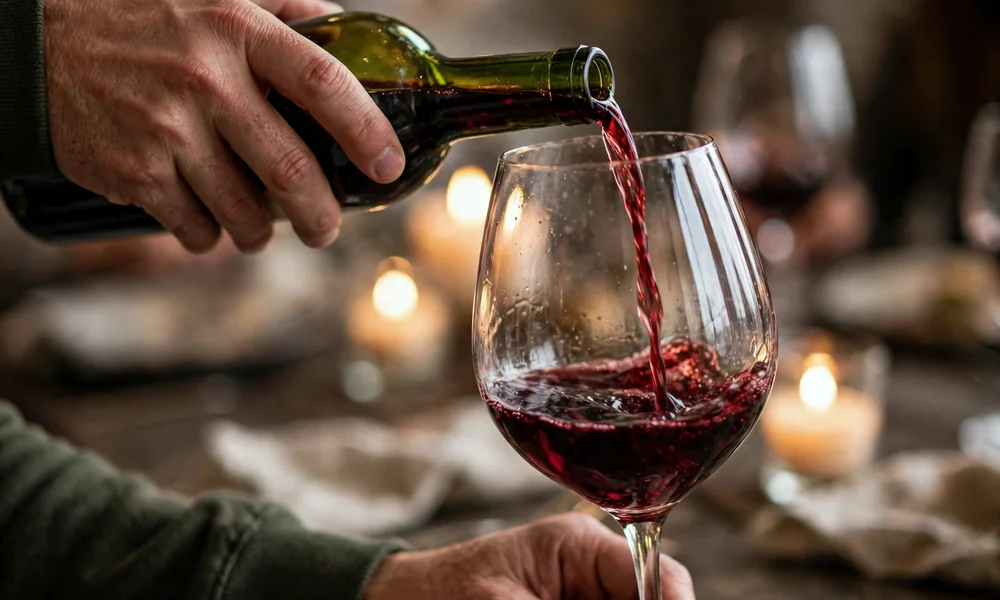
The strongest wines of 2026 share a simple quality: they taste like something real. A good everyday red, whether it is a Spanish tempranillo, an Italian sangiovese, or a southern French grenache blend, smells of dark cherries or plums, has a gentle warmth, and finishes with a little spice rather than a burn. You can drink it with a stew, a plate of pasta, or a piece of hard cheese, and it holds its own without demanding your full attention. It is the kind of bottle you buy again without thinking twice.
Among whites, the best of 2026 are crisp and honest. A good sauvignon blanc smells of green apple and cut grass and finishes dry and clean. A good chardonnay, whether oaked or not, has body and a little richness without tasting like buttered popcorn. A good riesling balances sweetness with a sharp line of acidity, so it refreshes rather than cloys. These are wines made by people who trust the grape to do the talking, and it shows in every glass.
Sparkling wine deserves a mention too, because the best bottles of 2026 are not all champagne. A well-made cava or cremant can cost a third of the price and still deliver fine bubbles, a clean apple and citrus character, and a long, dry finish. What matters is the method: wines made by the traditional method, with a second fermentation in the bottle, develop a bready, toasty depth that cheaper tank-made fizz simply cannot match. If you are choosing something to celebrate with, our guide to prosecco vs champagne for celebrations will help you pick the right bottle for the occasion.
What unites the best wines is not a single style or region. It is care. The producers behind them picked ripe grapes, fermented slowly, aged the wine only as long as it needed, and bottled it when it was ready rather than when the warehouse needed space. You can taste that patience. The wine is calm in the glass, the flavours arrive in order, and nothing about it feels rushed or forced.
The Worst Wines of 2026
The worst wines of 2026 fail in ways that are easy to recognise once you have tasted them. The most common fault is a wine that tastes of nothing at all: a pale, watery liquid with a faint suggestion of fruit and a finish that disappears before you have swallowed. These bottles are usually made from huge volumes of under-ripe grapes, fermented fast, and bottled with enough additives to keep them stable on a supermarket shelf for years. They are not offensive, exactly, but they are a waste of money and a waste of an evening.
Then there are the wines that are actively unpleasant. A sharp, vinegary edge means the wine has turned, usually because of poor storage or a faulty seal. A smell of wet cardboard or a damp cellar points to a cork fault, and no amount of air will fix it. A heavy, jammy sweetness with a bitter, burning finish usually means the wine was made from overripe grapes and then sweetened to hide the alcohol heat. These are the bottles that make people say they do not like wine, when what they really do not like is bad wine.
The most annoying category of all is the bottle that looks expensive and tastes cheap. A heavy bottle, a wax seal, a label full of gold lettering and grand claims about old vines and hand-picked grapes: all of it can dress up a wine that cost almost nothing to make. The wine inside is often thin, harsh, and short, and the packaging is doing the work the vineyard did not. A bottle that has to shout about itself on the label is rarely confident about what is inside.

How to Spot a Bad Bottle Before You Buy
You can learn a surprising amount about a wine before you open it. Start with the label. A wine that names its grape, its region, and its vintage is making a claim you can check. A wine that hides behind a made-up brand name and a picture of a castle is making no claim at all. The back label is worth reading too: if it talks about the soil, the harvest, and the winemaker, someone cared. If it talks only about lifestyle and sunsets, someone was selling a fantasy.
The bottle itself gives clues. A cork that is pushing up, or a capsule that is sticky with leaked wine, means the bottle has been stored too warm and the wine inside has probably suffered. A white wine that looks deep gold rather than pale straw may have oxidised, especially if it is young. A red wine with a large amount of sediment is not necessarily bad, sediment is normal in older wines, but a young wine full of grit has usually been handled carelessly.
Price is the least reliable clue of all. A fifteen-pound bottle from a small producer in a lesser-known region will very often beat a thirty-pound bottle from a famous name that is trading on its reputation. The best trick is to buy from a shop where someone actually tastes the wines they sell, and to ask for a recommendation. A good wine merchant would rather sell you a bottle you love for twelve pounds than a bottle you regret for thirty, because they want you to come back.
Serving and Storing Wine Properly
Even a great wine can taste ordinary if it is served badly. Red wine served too warm tastes soupy and alcoholic; served too cold, it tastes hard and closed. The old advice to serve red at room temperature comes from a time when rooms were cooler than they are now, so aim for around sixteen to eighteen degrees, which usually means twenty minutes in the fridge for a red that has been sitting in a warm kitchen. White wine should be cool, not ice cold: around eight to ten degrees, so the aromas can still reach your nose.
Storage matters even more, and it is where many good bottles quietly die. Wine hates heat, light, and vibration, and a bottle kept on top of a fridge or on a sunny kitchen shelf will age years in months. A cool, dark place with a steady temperature is all a bottle needs, and a bottle stored on its side keeps its cork moist and its seal tight. If you are serious about keeping wine at home, a dedicated cooler makes a real difference, and our guide to the best wine fridges for 2026 explains what to look for before you buy one.
The glass matters too, more than most people expect. A wine served in a small, thick tumbler loses its aroma before you can smell it. A proper wine glass, with a bowl wide enough to swirl and a rim narrow enough to gather the scent, makes even a modest bottle taste better. You do not need a cupboard full of specialist shapes: one good all-purpose glass will serve most wines well, and our guide to the wine glasses that make any bottle taste better is a good place to start.

The Verdict
The best wines of 2026 are the honest ones: bottles made from ripe grapes by people who cared, labelled plainly, and priced fairly. They are not always the dearest bottles, and they are rarely the loudest on the shelf, but they reward the drinker with balance, aroma, and a finish worth remembering. The worst wines are the ones that hide behind packaging, sweetness, or a famous name while delivering very little in the glass.
The simplest rule is also the best one. Buy from people who taste what they sell, read the label for facts rather than flattery, store your bottles somewhere cool and dark, and serve them at the right temperature. Do that, and the odds swing firmly in your favour. A good bottle of wine does not need to be expensive or rare. It just needs to be made with care, and drunk with people you like.