
Pour the same bottle of wine into a tumbler and into a proper wine glass and you will taste two different wines. The wine has not changed, but the glass has changed how much air reaches it, how its aromas gather, and how it lands on your tongue. That is why wine glasses matter more than most people expect, and why a good glass can make an ordinary bottle taste better. You do not need a cupboard full of specialist shapes to get the benefit. You need to understand what a glass does to wine, and then pick the shapes that suit the bottles you actually open.
This guide to wine glasses explains how shape, size, rim and material change flavour, and how to choose glasses that make any bottle taste better in 2026. It covers the main glass shapes for red, white, sparkling and rosé wine, explains when a universal glass is enough, and shows the simple mistakes that flatten even a good bottle. Everything here is about taste first: the goal is not a prettier shelf, but a better glass of wine.
Key takeaways
- The bowl shape controls air and aroma, so it changes flavour more than the brand of the glass does.
- A wide bowl suits bold reds, a narrow bowl suits chilled whites, and a tall flute suits sparkling wine.
- A thin, smooth rim makes wine feel better and taste cleaner than a thick rolled rim.
- One good universal glass covers most bottles; add a large red glass only if red is your regular drink.
- Pour about a third of the glass, never fill it, so the wine has room to breathe and swirl.
Why the glass changes what you taste
A wine glass is a tasting instrument, not just a container. Its bowl decides how much of the wine’s surface touches the air. A wide bowl lets a bold red breathe, softening harsh edges and opening up fruit and spice aromas that stay locked away in a narrow glass. A narrow bowl does the opposite: it keeps a chilled white wine cool, holds its fresh aromas in, and stops it warming up in your hand. The taper at the top of the bowl matters too. A bowl that narrows towards the rim gathers aromas and delivers them to your nose as you sip, while a wide-open rim lets them drift away before you taste anything.
The swirl test anyone can do
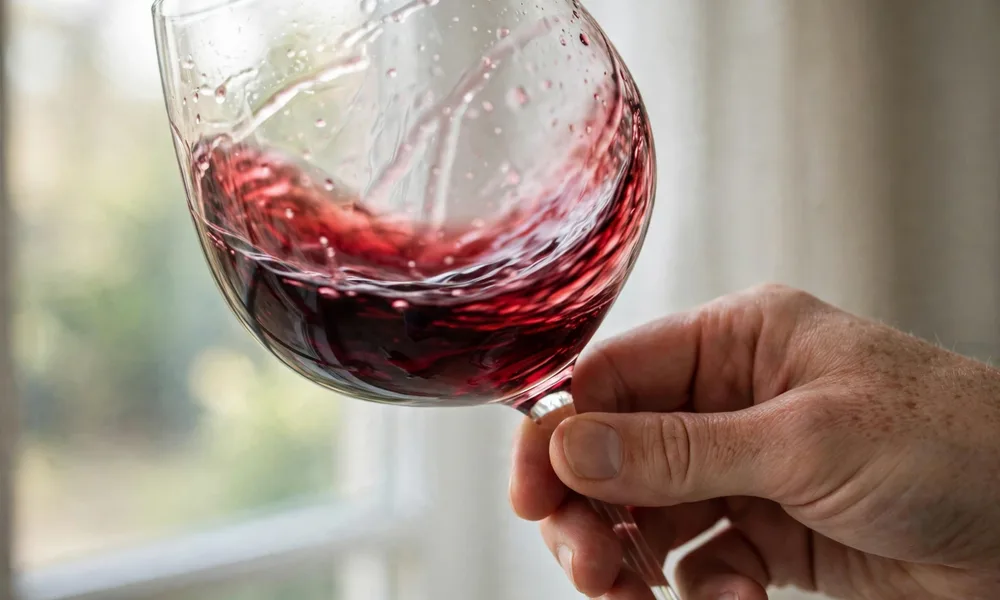
If you want proof that the glass matters, try the swirl test. Pour the same red wine into a large bowled glass and a small straight-sided glass, swirl each gently and smell. The large glass gives far more aroma, because its wide surface lets the wine breathe and its tapered rim catches the scent. Taste both, and the wine in the large glass will usually taste softer and more open.
Matching the glass to the bottle
Different wines need different glasses because they behave differently in air. Bold reds need space and oxygen. Delicate whites need cool and focus. Sparkling wine needs height to hold its bubbles. Rosé sits in between, and lighter reds need less room than heavy ones. The table below gives a quick way to match the glass to the bottle you are opening tonight.
| Wine | Best glass | Why it works |
|---|---|---|
| Bold reds, such as Cabernet and Syrah | Large bowl, 550 to 650 ml | Room to breathe and soften tannins |
| Lighter reds, such as Pinot Noir | Wide bowl with a tapered rim | Gathers delicate aromas |
| White wine | Smaller, narrower bowl | Keeps the wine cool and aromas focused |
| Sparkling wine | Tall flute or tulip | Holds bubbles and a fine stream of fizz |
| Rosé | Medium bowl, slightly tapered | Balances freshness and fruit |
| Any wine, one glass only | Universal glass, about 450 ml | Good all-round shape for red and white |
Red wine glasses: big bowls earn their keep
Red wine benefits most from a generous bowl. A large bowl, usually 550 to 650 millilitres in capacity, gives the wine a wide surface to meet the air, which softens tannins and opens up the aromas of dark fruit, spice and oak. Pour only about 125 to 150 millilitres, roughly a third of the glass, so there is plenty of space above the wine for swirling and for aromas to collect. A glass that is full to the brim cannot be swirled, and a wine that cannot be swirled cannot breathe.
Lighter reds such as Pinot Noir suit a wide bowl with a rim that tapers inwards. The wide bowl gives the wine air, while the narrow opening catches its delicate, perfumed aromas before they escape. If you drink a lot of red, this is the second glass worth owning after a universal shape. If you mostly drink white, skip it: a universal glass will do for the occasional red. For more on serving red wine well, see our guide to wine decanters for the home, which explains when decanting helps a bottle open up.
White wine and rosé: keep it cool and narrow
White wine needs a smaller, narrower bowl than red. The smaller surface means less air reaches the wine, which keeps its fresh, crisp aromas intact, and the narrower shape keeps it cooler for longer because less of it is exposed to warm air and to your hand. A bowl of around 350 to 450 millilitres is right for most whites. The same shape suits rosé, which is also best served cool and fresh, though a slightly larger bowl works well for fuller, fruitier rosés.
Sparkling wine: tall, but not too narrow
Sparkling wine is the one case where height matters more than width. A tall flute keeps the bubbles rising in a fine stream and stops the fizz escaping too fast, which is why it has been the classic choice for so long. The old-fashioned wide coupe looks glamorous but is the worst choice for flavour: its broad surface lets the bubbles vanish in minutes and the wine goes flat. If you drink sparkling wine often, a tulip-shaped glass is the best of both worlds. It is tall enough to hold the bubbles, but it widens slightly in the middle and tapers at the rim, so you can actually smell the wine rather than just watching it fizz.

Bowl size and the pour
Bowl size confuses a lot of buyers, because a glass rated at 600 millilitres is not meant to hold 600 millilitres of wine. A normal pour is about 125 to 150 millilitres, which leaves two thirds of the glass empty. That empty space is doing the work: it holds the aromas, gives you room to swirl, and lets the wine breathe. A glass that is filled to the top is a glass that cannot do its job, and a bottle that is poured into a small tumbler gets no air at all.
The rim, the stem and the weight
The rim is the part of the glass your lips touch, and it matters more than most people think. A thin, smooth, cut rim feels clean and lets the wine flow evenly onto your tongue. A thick rolled rim feels clumsy and can make even a good wine taste coarse. Run your finger around the rim before you buy: if it feels sharp or uneven, leave it on the shelf. Good glasses have rims so fine you barely notice them, and that is the point.
The stem keeps your hand off the bowl, which keeps white wine cool and fingerprints off the glass. A well-balanced stem makes the glass feel secure, and a glass that is too heavy tires your hand while one that is too light chips easily. Pick it up, hold it by the stem and swirl: if it feels balanced and comfortable, it is right. Modern machine-washable crystal is practical, thin and fine, and usually no dearer than ordinary glass.
Universal glasses versus specialist shapes
If you are starting from nothing, buy a universal glass first. At around 450 millilitres with a medium bowl and a gently tapered rim, it works well for red, white and rosé, and acceptably for sparkling wine. A set of six covers almost every dinner you will host. Add specialist shapes only when you know which wine you drink most: a large red glass for red lovers, a smaller white glass for white lovers, a tulip for sparkling wine fans.
There is no prize for owning every shape. A cupboard of six different glasses, each used once a year, is worse than a set of six universal glasses used every night. Buy the shape that matches the bottle you open on a normal Tuesday, not the bottle you open once at Christmas. And if you are building a drinks corner at home, our round-up of home bar essentials covers the other pieces that make serving wine easier, from openers to trays.
Choosing your first set: a quick checklist
- Start with six universal glasses, about 450 ml, with a tapered rim.
- Check the rim with your finger: thin and smooth beats thick and rolled.
- Hold the glass by the stem and swirl it: it should feel balanced, not top-heavy.
- Make sure the glasses fit your cupboard and under your tap for rinsing.
- Choose machine-washable crystal or fine glass if you want to use them every day.
- Match the glass to the wine you drink weekly, not the wine you drink once a year.

Frequently asked questions
Do wine glasses really change the taste of wine?
Yes, in a small but real way. The bowl shape changes how much air reaches the wine and how aromas gather, which changes what you smell and taste. Pour the same wine into two different glasses and you can usually tell them apart. The wine itself does not change, but your experience of it does.
What is the best all-round wine glass?
A universal wine glass of about 450 millilitres, with a medium bowl and a gently tapered rim. It works well for red, white and rosé, and it is the best single glass if you only buy one shape. Add specialist glasses later, once you know which wine you drink most.
How full should I fill a wine glass?
About a third full, or 125 to 150 millilitres. The empty space holds the aromas and gives you room to swirl. A glass filled to the top cannot breathe, and the wine will taste flat and closed by comparison.
Are expensive wine glasses worth it?
Up to a point. A well-made glass with a thin rim and a balanced bowl is worth paying for, because you will notice the difference every time you drink. Beyond that, you are paying for a brand or for hand-blown crystal, which is lovely but not necessary for a better-tasting glass of wine.
Can I put wine glasses in the dishwasher?
Yes, if they are marked dishwasher-safe, and most modern crystal glasses are. Place them upright, spaced apart so they do not knock together, and use a gentle cycle. Hand washing is kinder to very fine or hand-blown glasses, but a dishwasher is fine for everyday sets.
What glass should I use for rosé?
A medium bowl with a slightly tapered rim, similar to a white wine glass but a touch larger. It keeps the wine cool and fresh while giving its fruit aromas room to open. A universal glass works well for rosé too, so you do not need a dedicated shape unless you drink it all summer.
The bottom line
Wine glasses make any bottle taste better because they give the wine air, gather its aromas, and deliver it to your tongue in the right way. Start with six good universal glasses with thin rims, pour only a third full, and let the wine breathe before you drink it. Pair them with plates that suit the occasion, such as the dinnerware sets that make weeknights feel special, and even an ordinary bottle will taste like a better one.


