The best dinnerware sets in 2026 are the ones that make an ordinary Tuesday feel like a small occasion. You do not need a formal dining room or a special event to enjoy eating from beautiful plates. A well-made set turns a bowl of pasta into a meal you sit down for, makes a simple salad look considered, and survives the dishwasher, the microwave, and the occasional knock against the sink without chipping on the first month. The difference between the best dinnerware sets and the disappointing ones is rarely the pattern. It is the material, the weight, the glaze, and how honestly the set is made for daily life.
Key Takeaways
- Porcelain and stoneware are the best materials for everyday use: porcelain is lighter and more refined, stoneware is heavier and more forgiving.
- A 16-piece set for four is the right starting point for most households, and a 32-piece set for eight suits anyone who entertains regularly.
- Check the weight before you buy: a dinner plate that feels comfortable in one hand is one you will enjoy using every day.
- Dishwasher and microwave safety matter more than any pattern, because a set you cannot use daily is a set that stays in the cupboard.
- The best dinnerware sets look good with the food you actually cook, not just in a showroom, so choose colours that flatter real meals.
What Counts as a Dinnerware Set?
A dinnerware set is a matched group of plates, bowls, and usually mugs or cups, designed to be used together. The most common sizes are 16 pieces for four place settings and 32 pieces for eight, with each place setting typically including a dinner plate, a salad plate, a bowl, and a mug. Some sets add serving pieces, and some are sold as open stock, which means you can buy extra plates or replacement bowls later without buying a whole new set.
The Materials Compared
Material decides almost everything about how a dinnerware set feels and lasts. Porcelain is fired at a high temperature, which makes it dense, hard, and resistant to chipping, and it is usually the lightest option. Stoneware is fired at a lower temperature, which makes it thicker, heavier, and slightly more porous, but also more forgiving when it is knocked. Bone china is the lightest and most refined of all, with a delicate look that hides real strength, though it usually costs more. Earthenware is the most rustic and the most fragile, and melamine is the practical choice for outdoor eating, since it will not break if it is dropped.
| Material | Feel | Durability | Best for |
|---|---|---|---|
| Porcelain | Light, smooth, refined | Very good, chip-resistant | Everyday use and special occasions |
| Stoneware | Heavy, warm, substantial | Good, forgiving of knocks | Daily family meals, rustic style |
| Bone china | Very light, delicate, translucent | Good, stronger than it looks | Formal dining, elegant table settings |
| Earthenware | Thick, rustic, handmade feel | Fair, chips more easily | Casual style, careful handling |
| Melamine | Light, smooth, plastic feel | Excellent, will not shatter | Outdoor eating, children, picnics |
How Many Pieces Do You Really Need?
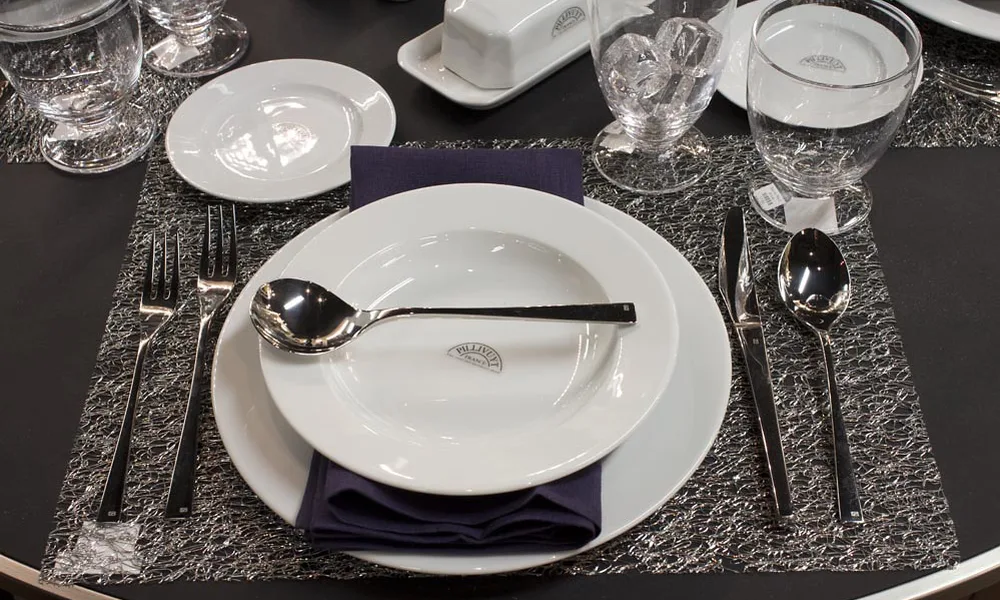
The honest answer depends on how many people eat at your table and how often you run the dishwasher. A 16-piece set for four is enough for a couple or a small family who run the dishwasher daily, because there is always a clean set ready. A 32-piece set for eight suits a household that entertains, has guests often, or runs the dishwasher every other day. Buying more pieces than you need sounds generous, but it fills the cupboard with plates that are never used, and it makes the set heavier to store and harder to stack.
Weight, Durability, and the Feel in Your Hand
Weight is the quality most buyers forget to check, and the one they notice every single day. A dinner plate that is too heavy becomes a chore to carry from the kitchen to the table, especially for children and older family members. A plate that is too light can feel cheap and slide around the table. The right weight is personal, but as a guide, a dinner plate between 700 grams and 1 kilogram feels substantial without being tiring, and a bowl should be easy to hold in one hand while you eat.
Durability is about more than surviving a drop. The glaze is what protects the plate from knife marks, staining from tomato sauce and curry, and the slow dulling that comes from years in the dishwasher. A good glaze is smooth, even, and hard to scratch with a fingernail. Check the rim of each piece for rough spots or tiny chips before you use the set, because a chip on the rim is where a crack starts, and a set that arrives chipped should go back. If you cook with strong colours and spices, a white or pale glaze will show stains less than a dark one, and it will make your food look better, too.

Style That Ages Well
Dinnerware styles change more slowly than fashion, but they do change, and a set you buy now should still look good in five years. White and cream are the safest choices, because they flatter every kind of food, match any table linen, and never look dated. Soft grey, pale blue, and warm earth tones are the next safest, and they add a little personality without limiting what you can serve. Bold patterns and bright colours look striking in a showroom, but they can tire quickly, and they make it harder to mix in new pieces later.
Think about the rest of your table, too. A dinnerware set does not live alone, so consider how it will look with your cutlery, your glasses, and the glasses you already own. A refined porcelain set pairs well with slim, elegant cutlery, while a rustic stoneware set looks better with heavier, more casual pieces. If you are replacing everything at once, our guide to the best cookware sets is a useful companion, because the pans you cook in and the plates you serve on should feel like they belong to the same kitchen.
What to Avoid
There are a few reliable warning signs. Avoid any set where the glaze feels rough or uneven, because it will stain and scratch quickly. Avoid sets with no information about dishwasher or microwave safety, because the manufacturer is telling you, by omission, that the set is not made for daily use. Avoid a set that is much cheaper than every comparable one, because the saving usually comes from thinner clay and a weaker glaze, which is exactly what makes plates chip and stain.
Storage is part of the decision as well. Before you buy, check that the plates fit in your cupboard and that you have room to stack them without forcing the door shut. A set that does not fit where you keep it will end up on a high shelf, and a set on a high shelf is a set you stop using. Good kitchen storage makes good dinnerware easy to reach, and our guide to the best cutting boards covers the other everyday essentials that share the same cupboard space.
Caring for Your Dinnerware Set
A good dinnerware set lasts for years when it is cared for simply and consistently. Load the dishwasher so plates do not knock together, and place bowls upside down so they drain properly. Avoid stacking hot plates straight from the dishwasher, because the heat and the weight together can cause small cracks over time. Wash by hand when you have the time, using a soft sponge rather than a scouring pad, and dry the pieces before stacking them so moisture does not sit between them.
Finally, think about the whole table, not just the plates. The glasses, the serving dishes, and the way the table is set all contribute to the feeling of a meal, and a beautiful table makes even a simple supper feel special. If you enjoy setting a table for guests, our guide to the best wine racks for home will help you finish the picture, so the evening feels considered from the first glass to the last plate.

Checklist: Before You Buy a Dinnerware Set
- Choose porcelain or stoneware for everyday use, and check that the set is dishwasher and microwave safe.
- Count your real place settings: 16 pieces for four suits most households, 32 for eight suits entertainers.
- Pick up a dinner plate and a bowl: they should feel comfortable, not tiring, in one hand.
- Check the glaze is smooth and even, with no rough spots or chips on the rim.
- Confirm the brand sells open stock, so you can replace a broken plate later.
- Make sure the set fits your cupboard and stacks neatly without wobbling.
Frequently Asked Questions
How many pieces should a dinnerware set have?
For most households, a 16-piece set for four is the right starting point, with each place setting including a dinner plate, a salad plate, a bowl, and a mug. A 32-piece set for eight suits anyone who entertains regularly. Buy for the number of people who eat at your table most often, not for the largest party you might ever host.
Is porcelain or stoneware better for everyday use?
Both are excellent, and the choice is mostly about feel. Porcelain is lighter, more refined, and more chip-resistant, while stoneware is heavier, warmer, and more forgiving of knocks. If you like a light plate and a neat stack in the cupboard, choose porcelain. If you like a substantial feel and a rustic look, choose stoneware.
Can dinnerware sets go in the dishwasher and microwave?
Most porcelain and stoneware sets can, but you should always check the manufacturer’s guidance. Sets with gold or metallic rims cannot go in the microwave, and hand-painted decoration may not be dishwasher safe. When in doubt, hand-wash the pieces you care about most.
How do I stop my plates from chipping?
Load the dishwasher so pieces do not knock together, stack plates with a small gap between them, and avoid banging them against the sink or the tap. Use plate protectors or a soft cloth between stacked plates if you store them tightly, and retire any plate that chips rather than continuing to use it.
Should I buy a matching set or mix and match?
A matching set is the easiest way to get a table that looks considered, and it is usually better value than buying pieces one by one. Mixing and matching works well if you have a good eye and stick to one colour family, but it is harder to replace a broken piece. A matching set with a few extra serving pieces is the best of both worlds.
How long should a dinnerware set last?
A well-made porcelain or stoneware set should last ten years or more with daily use. The glaze may show fine cutlery marks over time, which is normal, but the plates should not chip, crack, or stain if they are cared for properly. A set that chips in the first year was not well made, and it is worth returning.
The Bottom Line
The best dinnerware sets are the ones that make everyday meals feel a little special without asking you to treat them like museum pieces. Choose porcelain or stoneware in a colour that flatters the food you actually cook, buy the number of pieces that matches your household, and check the weight, the glaze, and the care instructions before you commit. Do that, and the plates on your table will carry a thousand weeknight dinners and still look good when guests arrive.