Key takeaways
- Buy for the meals you actually cook: a frying pan, two saucepans and a stockpot cover most home cooking.
- Stainless steel lasts longest and browns best; ceramic nonstick is easiest to clean but wears out sooner.
- Count pieces honestly — lids are often counted, so a “12-piece” set may be only eight pans and pots.
- Check hob compatibility before you buy: not every set works on induction.
- A mid-priced set from a trusted material beats a cheap oversized set every time.
The best cookware sets 2026 offer something for every kind of home cook, from the weeknight pasta maker to the weekend cook who loves a slow Sunday braise. A good set is one of the few kitchen purchases that can genuinely change how you cook: pans that heat evenly, lids that fit properly and handles that stay cool make every meal easier. The right set does not need to be the most expensive on the shelf, but it does need to match your hob, your cooking style and the storage you actually have.
Shopping for cookware has become harder because the choice is now enormous. Stainless steel, hard-anodised aluminium, ceramic nonstick, cast iron and copper all promise the best results, and every brand claims its set is the one to buy. Piece counts range from five to fifteen and prices from under a hundred to well over a thousand, while the marketing rarely explains which differences matter in daily use. This guide cuts through that noise with clear, practical comparisons.
Below are the sets that stood out this year, compared by material, piece count, hob compatibility and value. We look at how each type performs for real cooking — searing, simmering, boiling and baking — and who each one suits best. Whether you are replacing a battered old set, kitting out a first kitchen or upgrading to something that lasts a decade, the right choice is here.
What Makes a Great Cookware Set in 2026
A great set is judged by how it cooks, not by how it looks in the box. The best sets share a few qualities: even heat, comfortable handles, lids that seal well and construction that survives years of daily use. Weight matters too — a pan too heavy to lift one-handed when full of stew is a pan you will dread using. Before comparing brands, it helps to understand the two decisions that shape everything else: material and piece count.
Materials That Matter
Stainless steel is the workhorse of the modern kitchen. It browns meat beautifully, tolerates high heat, goes in the dishwasher and can last for decades. Its weakness is sticking: eggs and fish need a little oil and a little technique. Many cooks accept that trade-off gladly, because a stainless pan that is looked after barely ages.
Ceramic nonstick is the easy option. Eggs slide off, cleaning takes seconds and the pans are light enough to lift with one hand. The trade-off is lifespan: coatings wear out faster than steel, especially on high heat or under abrasive scrubbing, so expect to replace a nonstick set every few years rather than every few decades.
Hard-anodised aluminium sits between the two. It is lighter than steel, heats very evenly and resists scratches better than ordinary aluminium, often with a nonstick interior for easy cleaning. Cast iron and enamelled cast iron are the slow-cooking specialists: heavy, superb at holding heat and ideal for braises, stews and bread. If you love slow-cooked dishes, our guide to cast iron Dutch ovens goes deeper into the best options.
Piece Count: More Is Not Always Better
A ten-piece set sounds generous until you realise it may include only six cooking vessels and four lids. Makers count lids as pieces, and some count a steamer insert as one too. The number that matters is how many pans and pots you actually get, and whether you will use them all.
For most households, the sweet spot is eight to ten pieces: a frying pan, a second smaller pan or sauté pan, two saucepans, a stockpot and matching lids. That covers frying, simmering, boiling pasta, making sauces and cooking rice without leaving pieces untouched at the back of a cupboard. Larger sets suit big families and keen cooks who batch-cook, but anything beyond twelve pieces usually includes duplicates you will rarely reach for.
Best Cookware Sets 2026 Compared
The table below compares the standout sets of the year. Each earned its place through cooking performance, build quality and value, and each suits a different kind of cook. Prices vary by retailer and season, so treat the details below as a guide rather than a fixed quote.
| Set | Pieces | Material | Hob | Best for |
|---|---|---|---|---|
| Classic Stainless Steel Set | 10 | Stainless steel | All, incl. induction | Everyday cooking |
| Everyday Ceramic Nonstick Set | 10 | Ceramic nonstick | All, incl. induction | Easy cleaning |
| Enamelled Cast Iron Set | 7 | Enamelled cast iron | All, incl. induction | Slow cooking |
| Hard-Anodised Aluminium Set | 10 | Hard-anodised aluminium | All, incl. induction | Even heating |
| Budget Essentials Set | 8 | Aluminium nonstick | Gas, electric, ceramic | First kitchens |
The Best Cookware Sets of 2026, by Type
No single set is best for everyone. The right choice depends on what you cook, how much you want to spend and how much maintenance you are happy to do. The sections below pick a winner in each category, with honest notes on where each set shines and where it falls short.
Best Stainless Steel Cookware Set
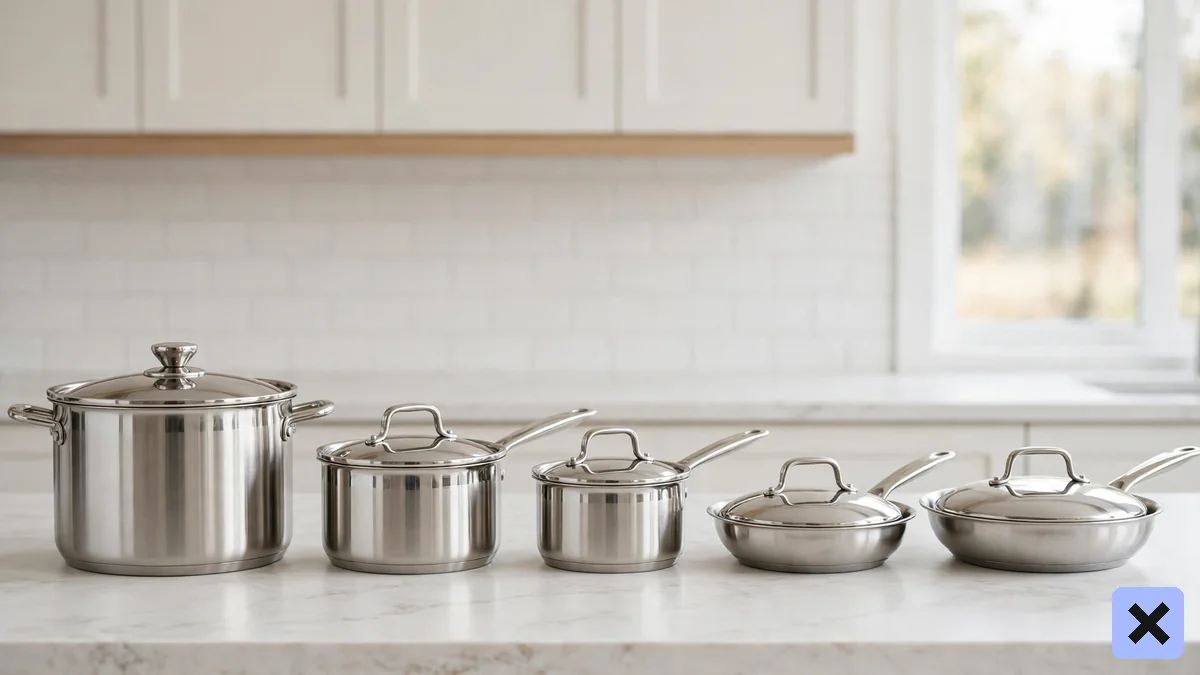
The classic stainless steel set remains the best all-round choice for most kitchens. A good ten-piece stainless set gives you a frying pan, a sauté pan, two saucepans, a stockpot and lids, all built from tri-ply steel with an aluminium core for even heating. It sears meat with a proper crust, deglazes beautifully for pan sauces and goes from hob to oven without a second thought.
Best Nonstick Cookware Set
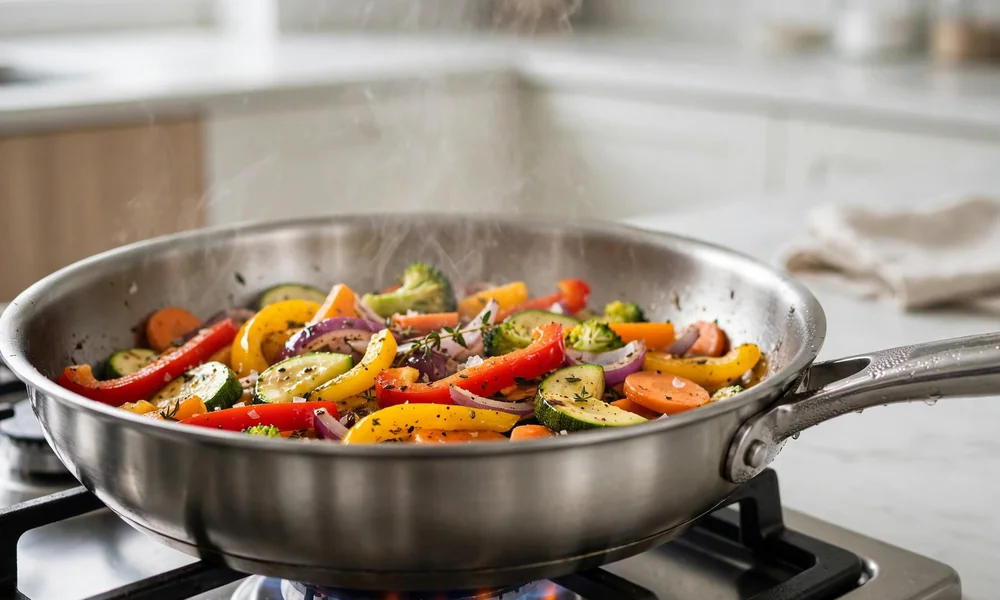
For cooks who value easy mornings above all else, a ceramic nonstick set is hard to beat. Eggs, pancakes and fish release cleanly with barely any oil, and washing up is a quick wipe rather than a soak and a scrub. Modern ceramic coatings are free of the older chemicals that worried buyers, and the best ones now survive several years of daily use before showing wear.
Treat it gently — medium heat, no metal utensils — and choose a mid-priced set, since coating quality is where the price difference shows. Good knives help too: see our round-up of the best knife sets for home cooks.
Best Cast Iron and Enamelled Cookware Set
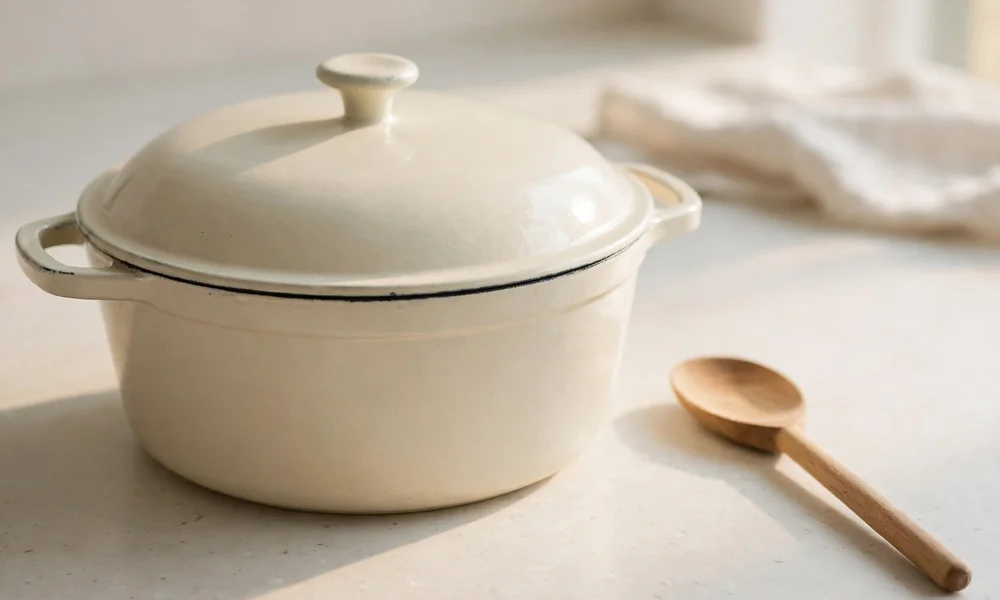
Nothing holds heat like cast iron. An enamelled cast iron set — typically a Dutch oven, a casserole and a skillet — is the best choice for slow braises, stews, soups and even baking bread. The enamel coating removes the need for seasoning, resists rust and comes in colours that look good enough to bring straight to the table.
Best Hard-Anodised Aluminium Set
Hard-anodised aluminium is the quiet overachiever of the cookware world. It heats faster and more evenly than stainless steel, weighs noticeably less and shrugs off scratches that would mark ordinary aluminium. Most sets pair the anodised body with a nonstick interior and tempered glass lids, which makes them a practical everyday choice for busy households.
Best Budget Cookware Set
A first kitchen does not need a premium set. A well-chosen budget set — eight pieces of aluminium nonstick with a saucepan, a frying pan, a sauté pan and a stockpot — covers every essential for a fraction of the price of the sets above. The cooking performance is genuinely good for everyday meals; the compromise is longevity, because budget coatings and thinner bases wear out sooner.

How to Choose the Right Set for Your Kitchen
Choosing well is less about brands and more about matching the set to your kitchen. Start with your hob, then think about storage, then about how you actually cook. A set that suits a large family kitchen with a gas range will not necessarily suit a compact flat — and if space is tight, our guide to cookware sets for small kitchens looks at nesting designs and compact sets in detail.
Match the Set to Your Hob
Induction hobs are the strictest: only magnetic cookware works, which means stainless steel, cast iron and some hard-anodised sets, but not plain aluminium or copper. Check for an induction-compatible symbol on the base, and if in doubt hold a fridge magnet to the bottom of a pan — if it sticks firmly, the pan will work on induction. Gas and electric hobs accept almost everything, though very thin bases can warp on high gas flames.
Handles, Lids and Weight
Handles deserve more attention than they usually get. Stay-cool handles protect your hands, riveted handles last longer than screwed ones, and long handles need drawer space. Pick up a pan if you can before buying: it should feel balanced, not handle-heavy, and comfortable in your grip when full.
Checklist Before You Buy
- Measure your hob and your cupboard space, and choose pan sizes that fit both.
- Confirm every piece works on your hob type, especially induction.
- Count the actual pans and pots, not the headline piece count — lids are counted too.
- Pick up the frying pan and stockpot: they should feel balanced and liftable when full.
- Check handle fixings (riveted lasts longest) and whether lids are oven-safe.
- Read the care instructions and the warranty before you pay, not after.
Frequently Asked Questions
How many pieces do I need in a cookware set?
Most households need eight to ten pieces: a frying pan, a second pan, two saucepans, a stockpot and matching lids. Smaller households can manage with five or six; buy for the meals you actually cook.
Is stainless steel or nonstick better?
Stainless steel lasts longer, browns better and handles high heat, but food sticks more easily. Nonstick is easier to cook with and clean, but the coating wears out in a few years. Many cooks own both.
Do I need a set that works on induction?
Only if your hob is induction, or if you might move to a home with one. Induction needs magnetic cookware — stainless steel and cast iron work, plain aluminium and copper do not.
How long should a good cookware set last?
A good stainless steel or cast iron set can last ten to twenty years or more. Hard-anodised sets typically last five to eight years, and nonstick sets three to five years.
Are expensive cookware sets worth it?
Up to a point, yes. The jump from a very cheap set to a mid-priced one brings a big improvement in heat distribution, handle quality and durability. Beyond that, you mostly pay for finer control and finish.
Can cookware sets go in the dishwasher?
Most stainless steel and hard-anodised sets are dishwasher-safe, but hand washing is gentler and extends their life. Cast iron should never go in the dishwasher.
The Bottom Line
The best cookware set of 2026 is the one that matches your hob, your cooking and your kitchen. For most homes, a ten-piece stainless steel set is the smartest buy: it cooks well and lasts for years. If easy cleaning matters most, choose ceramic nonstick; if you love slow cooking, add cast iron. Measure first, count the real pieces, and buy the best material you can afford.