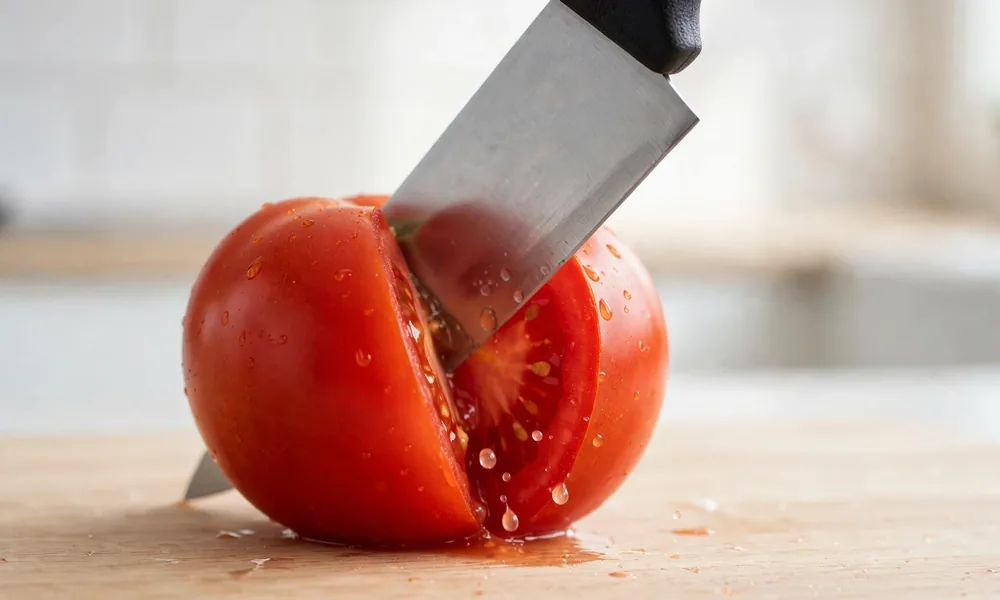
The best knife sets for home cooks in 2026 are the ones that make everyday cooking feel easier, faster and more enjoyable. A sharp, well-balanced knife turns a pile of onions into a two-minute job, slices tomatoes without crushing them . The right set does not need to cost a fortune or fill a whole drawer, but it must cover the jobs a home cook does every day.
Most home cooks reach for three or four knives regularly, yet a good set earns its place by covering those core jobs brilliantly. The sets in this guide were judged on blade steel, edge retention, comfort, balance, build quality and value, across forged and stamped options and every price point.
Whether you are setting up a first kitchen, replacing blunt knives or upgrading to something that holds an edge, this guide will help you choose with confidence. Below are our nine top picks for 2026, a comparison table, a buying guide, a checklist and answers to the questions home cooks ask most.
Key Takeaways
- A great home knife set needs only three essentials: an 8-inch chef’s knife, a paring knife and a serrated bread knife.
- Forged knives are heavier and hold an edge longer, while stamped knives are lighter, cheaper and easier for smaller hands.
- Comfort and balance matter more than brand names, so choose a handle that fits your grip and a blade that feels steady.
- Sets with a storage block or in-drawer tray protect edges far better than loose knives rattling around in a drawer.
- Even the best knife set needs regular honing and proper care to stay sharp, safe and enjoyable to use.
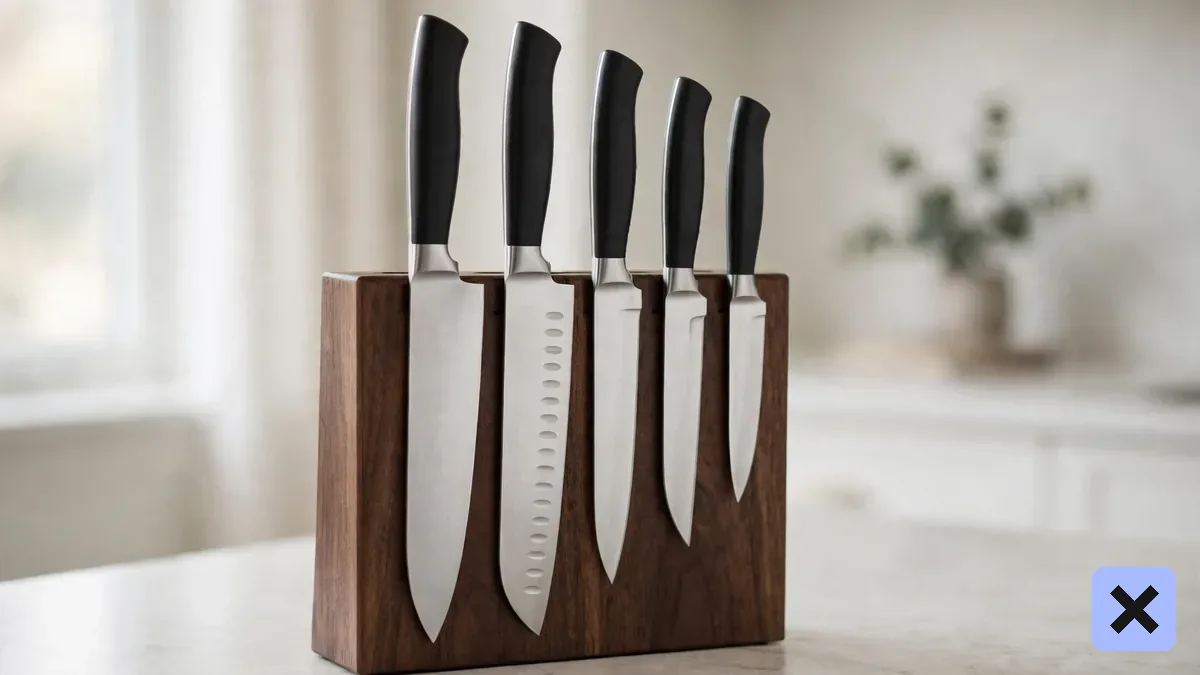
How We Chose the Best Knife Sets
We judged every set the way a home cook actually uses knives: daily chopping, slicing, dicing and trimming across a full week of real meals. Sharpness mattered, but so did edge retention, handle comfort and balance. We also weighed steel, construction, the usefulness of each piece, storage and value.
The Best Knife Sets for Home Cooks in 2026
These nine sets cover every kind of home cook, from beginners to keen cooks ready to invest in blades that last a lifetime. Each stands out for sharpness, comfort, build quality or value.
| Knife Set | Pieces | Blade Style | Best For |
|---|---|---|---|
| Wüsthof Classic 7-Piece | 7 | Forged German | All-round excellence |
| Zwilling Professional S 7-Piece | 7 | Forged German | Precision and control |
| Victorinox Fibrox Pro 4-Piece | 4 | Stamped Swiss | Best value |
| Global G-2 3-Piece | 3 | Stamped Japanese | Light, fast prep |
| Shun Classic 5-Piece | 5 | Forged Japanese | Razor-sharp slicing |
| Mercer Culinary Genesis 6-Piece | 6 | Forged German | Beginners on a budget |
| Tojiro DP 3-Piece | 3 | Japanese clad | Serious value |
| MAC Professional 4-Piece | 4 | Japanese | Everyday sharpness |
| Dalstrong Gladiator 8-Piece | 8 | Forged German | Full-kit coverage |
1. Wüsthof Classic 7-Piece Set
The Wüsthof Classic is the benchmark against which other Western knife sets are measured. Each blade is forged from a single piece of high-carbon stainless steel, then ground to a fine edge. The seven-piece set covers the essentials, and it is the set to buy if you want to buy once and cook happily for decades.
2. Zwilling Professional S 7-Piece Set
Zwilling’s Professional S set is a favourite among cooks who like a slightly slimmer, more precise feel than the Wüsthof. The blades are forged from special formula steel with an ice-hardening process that improves edge retention. The curved bolster flows into the handle, making the classic pinch grip feel secure. If you have smaller hands or prefer a lighter knife, the Zwilling edges ahead.
3. Victorinox Fibrox Pro 4-Piece Set
The Victorinox Fibrox Pro set is the best value in this guide by a clear margin, , a favourite in professional kitchens. The stamped blades are lighter than forged rivals, but the Swiss steel takes a keen edge and is easy to sharpen at home, and the textured Fibrox handles stay grippy even with wet hands. With just four pieces, this is a refreshingly honest set.
4. Global G-2 3-Piece Set
Global knives look like nothing else here, with seamless stainless steel handles and a distinctive dimpled grip. The G-2 chef’s knife is wonderfully light and fast, a joy for fine slicing and chopping, and the three-piece set covers the core jobs with no filler. Kept honed, it rewards good technique.
5. Shun Classic 5-Piece Set
The Shun Classic set is the prettiest in this guide and one of the sharpest. Its Damascus-clad blades have a layered steel core that holds a fine, long-lasting edge, and the D-shaped pakkawood handles feel warm and secure. Slicing with a Shun feels almost effortless. This is a set for cooks who enjoy their tools and will look after them: hand wash only, and a block or magnetic strip for storage.
6. Mercer Culinary Genesis 6-Piece Set
The Mercer Culinary Genesis set is the best budget forged set we found, offering proper full-tang forged blades at a price that undercuts the big German brands by a wide margin. The German steel holds a good edge, the handles are comfortable, and the six pieces cover all the everyday jobs with a block included. Beginners will love it because it feels like a serious tool without a serious budget.
7. Tojiro DP 3-Piece Set
Tojiro’s DP range is a quiet favourite among knowledgeable cooks, and this three-piece set shows why. The blades use a hard VG-10 steel core clad in softer stainless steel, giving a very sharp edge at a remarkably low price. Three pieces is the right size for a cook who knows which knives they use and wants no extras gathering dust.
8. MAC Professional 4-Piece Set
MAC knives are another professional favourite, and this four-piece set brings that working-kitchen sharpness home. The thin blades are ground to a fine edge that cuts with very little pressure, so there is less fatigue and more control when prepping for a crowd. The set covers chef, paring, utility and serrated jobs, and if cutting performance is your priority, it deserves a place on your shortlist.
9. Dalstrong Gladiator 8-Piece Set
The Dalstrong Gladiator set is the fullest kit in this guide, with eight pieces including a chef’s knife, a santoku, a bread knife, a paring knife, a utility knife, kitchen shears, a honing steel and a handsome block. The forged German steel blades have a bold, modern look with a good weight in the hand. This is the set to choose if you want everything in one purchase, especially where several people cook.
Knife Set Buying Guide
Focus on the core knives, the steel, the handle and the storage, and you will avoid paying for pieces you never use or a design that fights your hand.
How Many Pieces Do You Really Need?
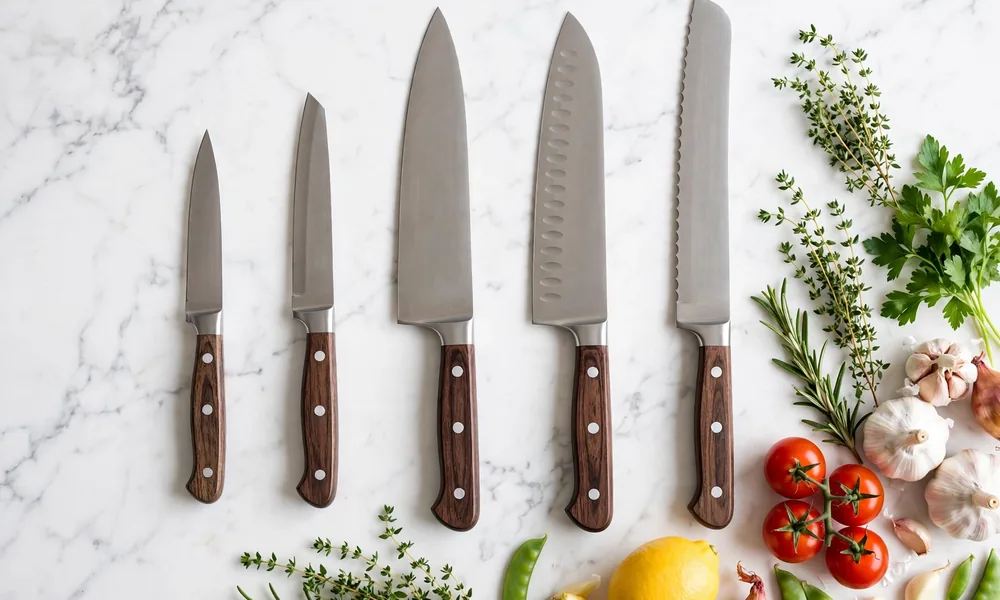
Most home cooks need three knives: an 8-inch chef’s knife for the bulk of the work, a small paring knife for peeling and trimming, and a serrated bread knife for crusty loaves and soft tomatoes. A utility knife and a santoku are useful additions, and kitchen shears earn their place quickly.
Forged vs Stamped Blades
Forged knives are made from a single piece of heated, shaped steel, which usually produces a heavier blade with a bolster and a full tang. They hold an edge well and feel substantial in the hand. Stamped knives are cut from a sheet of steel, so they are lighter, thinner and cheaper, and they are often easier to handle for long prep sessions.
Storage: Block, Strip or Drawer?
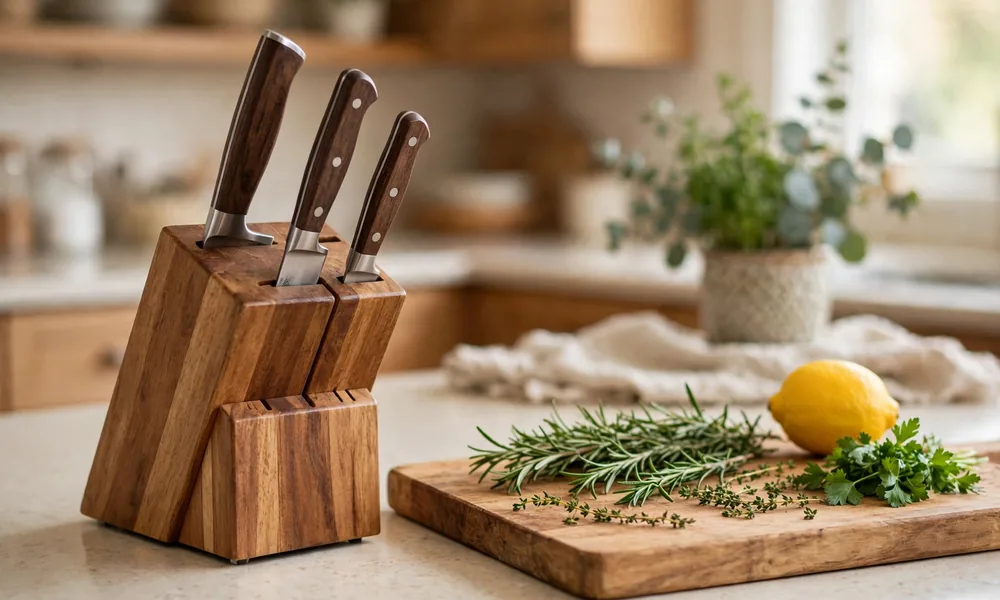
Storage affects how long your knives stay sharp. A wooden block keeps edges protected and knives within easy reach, and it is the storage most sets include. A magnetic strip saves counter space, while an in-drawer tray suits small kitchens if the slots keep blades apart. Whatever you choose, avoid tossing knives loose into a drawer, where edges chip and hands get cut. A matching set of pans matters too, and our guide to the best cookware sets for beginners will help you build a kitchen where your new knives have worthy partners.
How to Care for Your Knife Set
A good knife set only stays good if you look after it, and the routine is simpler than most people expect. Hand wash with warm soapy water, dry straight away and store in the block or on a strip. The dishwasher is the enemy of a fine edge: heat, detergent and knocking dull blades and damage handles. A few light strokes on a honing steel before each session realigns the edge, so a full sharpening is needed only once or twice a year. Use a wooden or plastic board rather than glass, marble or ceramic, which blunt edges quickly. These habits keep a good set performing beautifully for years, just as the right care keeps the best cast iron skillets cooking well for decades.
Checklist Before You Buy
- Hold the chef’s knife first: it should feel balanced, with the weight just ahead of the handle, not heavy at the tip.
- Check the core three: make sure the set includes an 8-inch chef’s knife, a paring knife and a serrated bread knife.
- Look at the steel: high-carbon stainless steel holds an edge well and resists rust in a busy home kitchen.
- Test the grip: the handle should feel secure in your hand, wet or dry, without sharp edges or loose rivets.
- Count the pieces you will use, and skip large sets filled with knives that will stay in the block.
- Confirm the storage: a block, strip or tray should protect the edges and fit the space you have in your kitchen.
Frequently Asked Questions
How many knives do I need in a set?
Three knives cover almost everything: an 8-inch chef’s knife, a paring knife and a serrated bread knife. A utility knife or santoku is a useful fourth, but anything beyond six or seven pieces is rarely needed.
Are expensive knife sets worth it?
A quality set is worth more if you cook most days, because better steel holds an edge longer and better balance makes prep easier. That said, a mid-priced set that suits your hand will outperform a premium set that does not.
What is the difference between forged and stamped knives?
Forged knives are shaped from a single piece of heated steel and tend to be heavier with a bolster, while stamped knives are cut from sheet steel and tend to be lighter and thinner. Both can be excellent, and steel quality matters more than the method used.
Can I put my knives in the dishwasher?
You can, but you should not. Dishwasher heat and detergent dull the edge, damage wooden handles and can chip blades as they knock against other items. Hand washing takes seconds and keeps your knives sharp for far longer.
How often should I sharpen my kitchen knives?
Most home cooks need a proper sharpening once or twice a year, depending on how much they cook. Honing before each use keeps the edge aligned, so the knife feels sharp day to day.
What is the best knife set for a beginner?
A small forged set like the Mercer Culinary Genesis or a light stamped set like the Victorinox Fibrox Pro is ideal for a beginner. Both cover the essentials, feel comfortable and cost far less than premium sets, while cutting far better than a cheap supermarket block set. Choosing the right materials matters across the kitchen, and our comparison of ceramic vs stainless cookware shows how the same thinking applies to pans.
The Bottom Line
The best knife set for home cooks in 2026 is the one that fits your hand, covers the jobs you actually do and holds a sharp edge with basic care. The Wüsthof Classic is our top all-round pick, the Victorinox Fibrox Pro is the value choice no budget kitchen should overlook, and the Shun Classic is the pick for razor-sharp Japanese precision. Keep whichever set you choose honed, hand-washed and stored properly, and it will repay you with faster, safer cooking every day.


