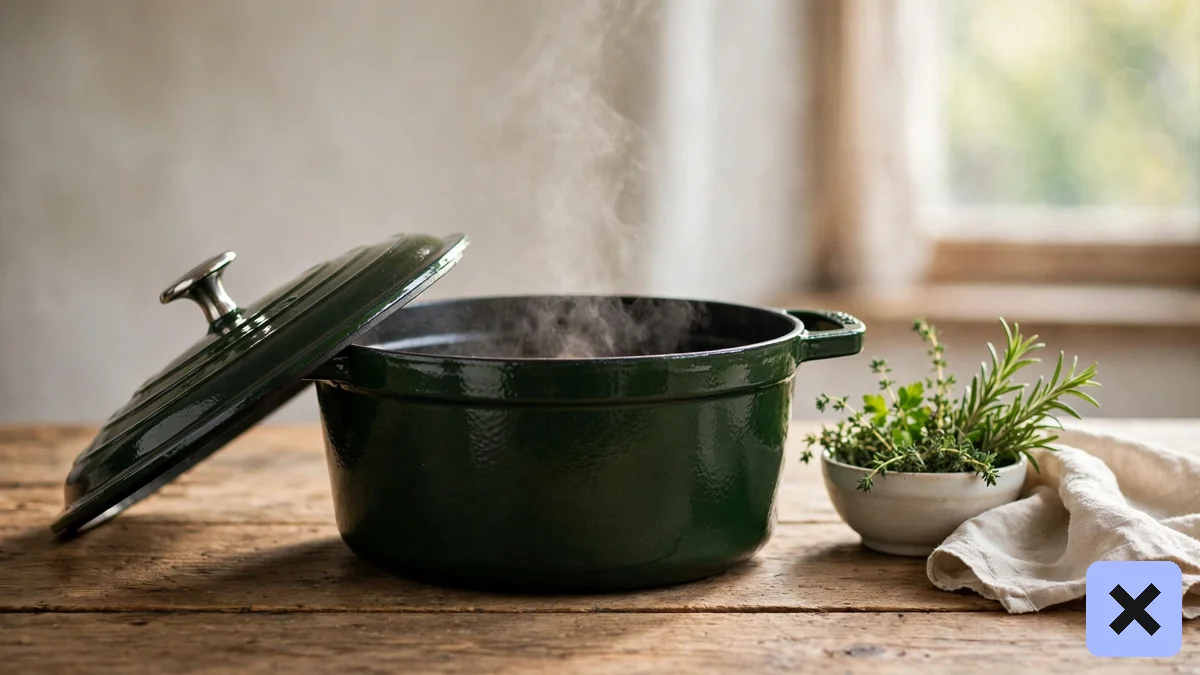
The best cast iron skillets in 2026 are the same kind of pan your grandmother cooked with, refined for the way we cook now. A good cast iron skillet sears a steak better than almost any other pan, slides from stovetop to oven, and only gets better the more you use it. In a kitchen full of disposable nonstick pans, cast iron is the one purchase that can genuinely last a lifetime.
That longevity is why choosing the right skillet matters. A pan that is too heavy will sit in the cupboard, a pan that is too small will crowd your food, and poor factory seasoning will frustrate you from the first breakfast. The differences between the best cast iron skillets are practical ones: weight, handle comfort, cooking surface, and how much care the pan asks of you.
This guide compares the strongest options today, from the classic twelve-inch workhorse to lightweight modern designs and enamelled pans. Every pick has been judged on heat retention, cooking performance, ease of care, and value, so you can find the skillet that fits your stove and your cooking style.
Key Takeaways
- A 12-inch skillet suits most households: big enough for a family dinner, still manageable on a standard burner.
- Pre-seasoned skillets are ready to cook with, but a few rounds of home seasoning make the surface noticeably more nonstick.
- Heavier pans hold heat better for searing, while lighter pans are easier to lift, pour, and clean every day.
- Enamelled cast iron skips seasoning and handles acidic foods well, but costs more and needs gentler handling.
- With basic care, a cast iron skillet can outlast every other pan in your kitchen.
Why Cast Iron Still Wins in 2026
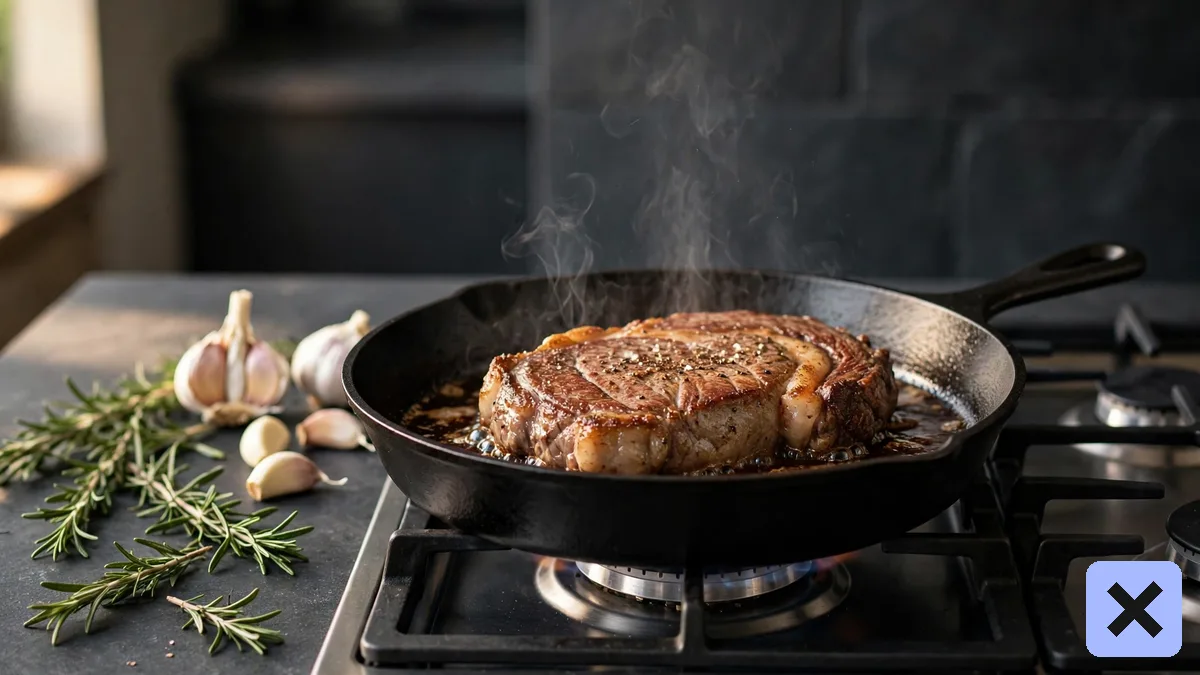
Cast iron earns its place in the modern kitchen through sheer heat. The dense metal absorbs energy and releases it slowly and evenly, which is why a cast iron skillet produces a deeper, more even sear on steak, chicken thighs, and burgers than a thin stainless or nonstick pan. Once hot, it stays hot, even when cold food hits the surface.
Versatility is the second reason: the same skillet that fries eggs in the morning can roast a chicken in the oven at dinner and bake cornbread for dessert. No plastic handles to melt, no coatings to flake, so the pan moves freely between hob, oven, grill, and campfire. A quality skillet costs far less than a premium stainless set, and unlike nonstick, cast iron can be restored again and again.
The Best Cast Iron Skillets of 2026
The skillets below cover the full range of what cast iron does best, from traditional heavy pans built for searing to lighter designs for cooks who want cast iron performance without the workout.
Best Overall: The Classic 12-Inch Skillet
The classic twelve-inch skillet is the standard against which every other cast iron pan is measured. It is large enough to sear four chicken breasts or a family-sized frittata, yet fits a normal oven and burner. The helper handle makes two-handed lifting safe, and the price is low enough to buy without overthinking it. It arrives pre-seasoned, tolerates high heat, and improves with every use. If you buy only one cast iron skillet, buy this one.
Best Pre-Seasoned Everyday Skillet
A good pre-seasoned skillet should cook an egg without a fight on its first morning, and the best factory-seasoned pans now come close. Look for a smooth, even black coating, not a sticky or patchy one; the surface keeps improving as you cook with it. The ten-and-a-quarter-inch size deserves attention here: it is lighter than the twelve-inch, easier to store, and still large enough for two or three servings, which makes it the everyday pan in smaller households.
Best Lightweight Cast Iron Skillet
Traditional cast iron is heavy, and that weight is a genuine barrier for many cooks. Lightweight skillets answer that with thinner, engineered walls that cut the weight by roughly a third while keeping the heat retention that makes cast iron special. The result is a pan you can lift with one hand and tip to pour sauces without strain. The trade-off is cost, since lightweight pans are usually machined smooth and sell at a premium. For cooks with wrist or strength concerns, the premium is worth paying.
Best Enamelled Cast Iron Skillet
Enamelled cast iron wraps the same iron core in a smooth glass-like coating, removing seasoning from the equation entirely. You can simmer tomato sauce, deglaze with wine, and cook citrus dishes without stripping the seasoning, and cleaning is as simple as soaking and wiping. The catch is price and fragility: enamelled skillets cost several times more than bare cast iron, and the coating can chip if the pan is dropped or struck with metal utensils. For cooks who dislike maintenance, it is the most forgiving way in.
Best Budget Cast Iron Skillet
Cast iron is one of the rare categories where the budget option is genuinely excellent. An affordable skillet from a well-known foundry performs almost identically to pans costing three times as much, because the material does most of the work; the differences are in finishing details, not cooking performance. Budget pans sometimes arrive with a rougher surface and thinner seasoning, so cook a few rounds of bacon or roast vegetables before expecting eggs to slide. That small break-in is a fair trade for a pan that can last fifty years for the price of a takeaway dinner.
Best Cast Iron Skillet for Camping and Grilling
A cast iron skillet is the most useful pan you can take outdoors. It sits happily over a campfire, on a grill grate, or on a portable burner, and handles the high, uneven heat of open flame better than any other cookware. A ten-inch or twelve-inch skillet with a long handle and a helper handle is ideal for campfire breakfasts and grilled steaks. Choose a sturdy, affordable pan you will not worry about: it takes knocks, soot, and uneven heat without complaint, and cleans up with hot water and a stiff brush.
Cast Iron Skillet Comparison
| Skillet type | Best for | Weight | Seasoning needed | Price range |
|---|---|---|---|---|
| Classic 12-inch | Everyday family cooking | Heavy | Yes, pre-seasoned | Low |
| Everyday 10.25-inch | Smaller households | Medium | Yes, pre-seasoned | Low |
| Lightweight | Easy lifting and pouring | Light | Yes, pre-seasoned | High |
| Enamelled | Acidic dishes, low maintenance | Heavy | No | High |
| Budget | First-time buyers | Heavy | Yes, light factory coat | Very low |
| Camping and grill | Outdoor and open-flame cooking | Heavy | Yes, pre-seasoned | Low |
Building a kitchen from scratch? A twelve-inch skillet pairs well with a broader set of pans. Our guide to the best cookware sets for beginners covers the other pieces worth adding, so you can build a complete setup without buying twice.
How to Choose the Right Size
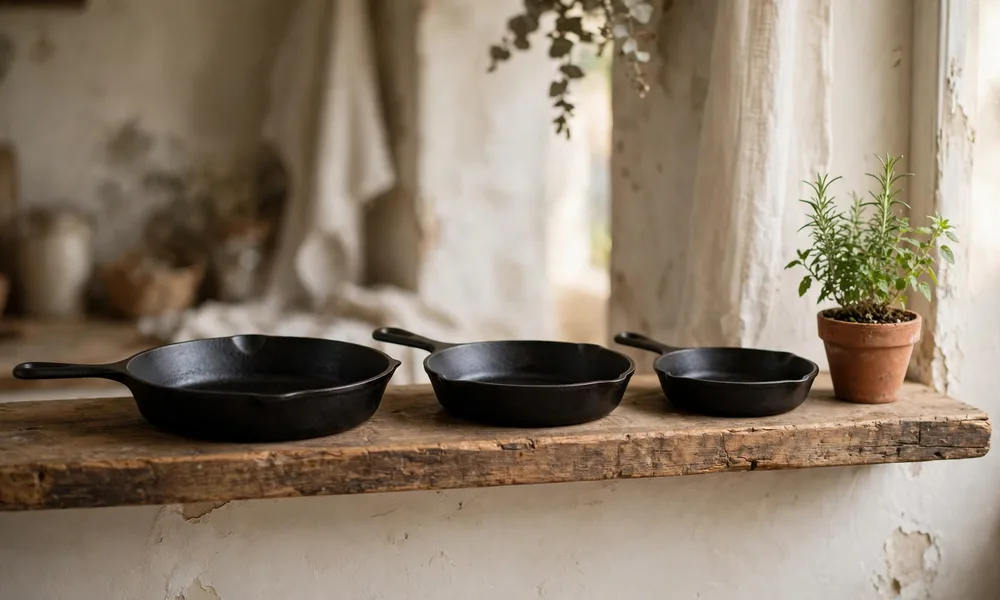
Size is the decision that matters most. A ten-inch skillet suits one or two people and handles eggs, steaks, and side dishes with ease. A twelve-inch skillet is the all-rounder, fitting a whole chicken, a family stir-fry, or a large frittata. Anything larger is a specialist tool for big families and batch cooking.
Remember that the stated size is measured across the top rim, so the flat cooking surface is smaller than the number suggests: a twelve-inch skillet offers roughly nine to ten inches of usable space. Weight deserves equal attention, since a twelve-inch skillet typically weighs around three kilograms, and that doubles when it is full of food. Check that you can lift the pan comfortably with one hand, and insist on a helper handle for larger pans.
Seasoning and Care Made Simple
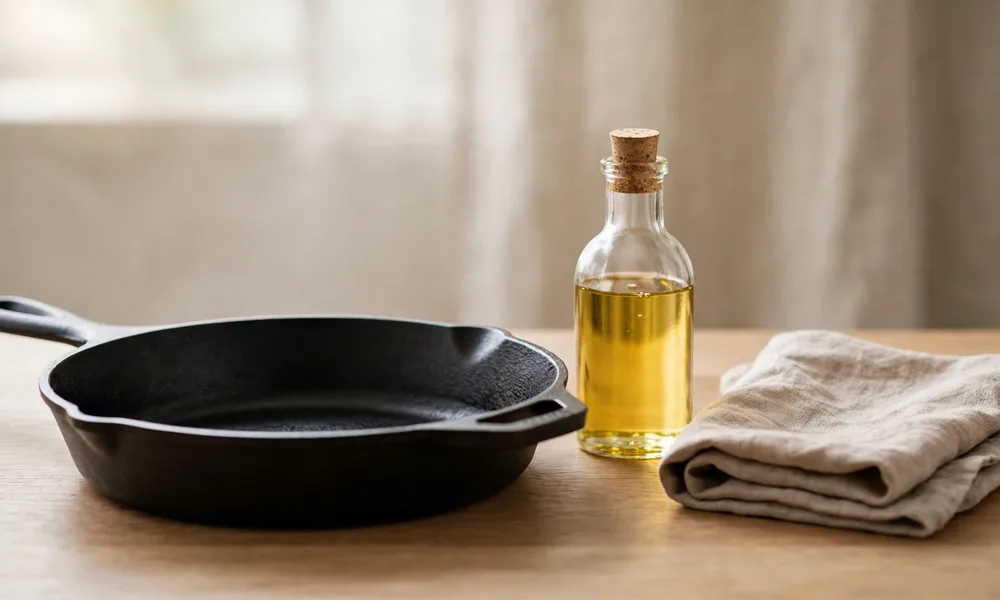
Seasoning is a thin layer of oil baked onto iron until it hardens into a protective, naturally nonstick coating. Factory pre-seasoning gives you a head start, but the real seasoning builds up through cooking: every time you fry, roast, or bake, a little more oil bonds to the surface.
To season at home, rub a very thin layer of neutral, high-smoke-point oil over the pan, wipe away almost all of it until the surface looks dry, then heat it in the oven at around 230 degrees Celsius for an hour. Repeat two or three times for a strong base layer; the most common mistake is using too much oil, which leaves a sticky finish instead of a hard one. For daily care, wash with hot water and a brush, dry the pan on a warm burner, and rub in a drop of oil. Avoid soaking the pan and skip the dishwasher. Before you buy, confirm that your pan suits your hob; our comparison of induction vs gas cooktops explains which pans work best on each type of stove.
What to Cook in Cast Iron (and What to Skip)
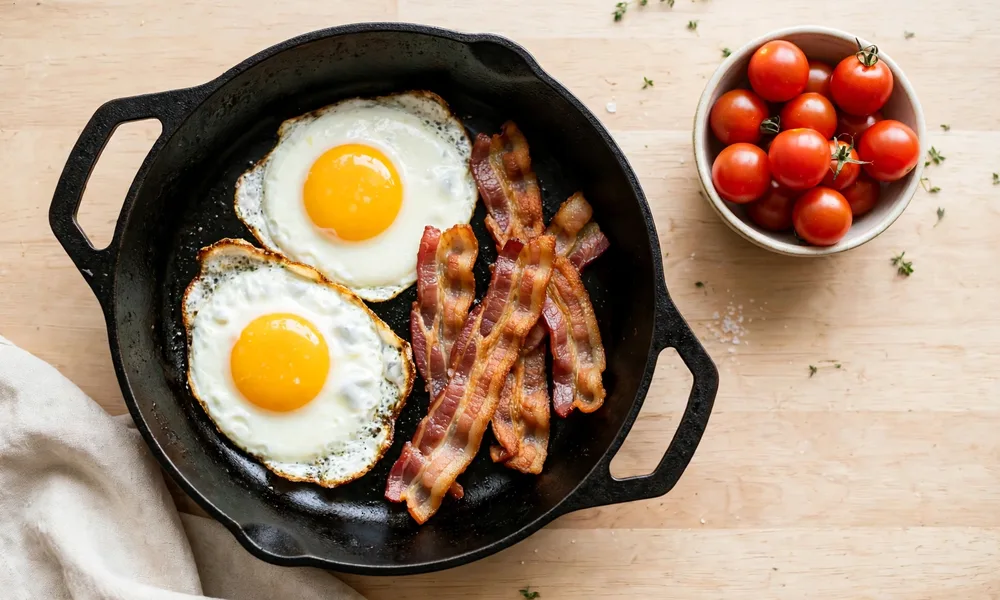
Cast iron shines wherever high, steady heat matters. It is the best pan in the kitchen for searing steak, crisping chicken skin, frying eggs, baking cornbread, and roasting vegetables. It also bakes beautifully: skillet cookies, deep-dish pizzas, and fruit cobblers all benefit from the even heat. Breakfast is where most owners fall in love with the pan, since eggs fried in a well-seasoned skillet develop crisp edges and slide free.
A few dishes are better cooked elsewhere. Long-simmered tomato sauces and wine-based dishes can strip seasoning from bare iron and pick up a metallic taste, so use an enamelled pan or stainless pot, and delicate fish can stick to a new pan. Our guide to ceramic vs stainless cookware explains where each material performs best, so you can match the pan to the dish.
Buyer Checklist
- Choose a 12-inch skillet for family cooking or a 10-inch skillet for one or two people.
- Check the weight and make sure you can lift the pan comfortably with one hand.
- Look for a helper handle on larger pans and a comfortable, heat-resistant main handle.
- Pick pre-seasoned bare iron for value and performance, or enamelled iron for zero maintenance.
- Confirm the skillet is compatible with your hob, especially if you cook on induction.
- Budget for a brush, a little oil, and a few weeks of regular cooking.
Frequently Asked Questions
Are cast iron skillets really nonstick?
A well-seasoned skillet is naturally nonstick for most foods. Eggs and fish slide easily once the seasoning is built up, but the surface needs regular cooking and light oiling to stay that way.
Can I use a cast iron skillet on a glass or induction hob?
Yes, cast iron works on glass, electric, gas, and induction hobs. On glass tops, lift the pan rather than sliding it to avoid scratches, and on induction, choose a flat-based pan for even contact.
How do I remove rust from a cast iron skillet?
Scrub rust away with coarse salt and oil, or a stiff brush and hot water for heavier rust. Dry the pan thoroughly, then re-season it with a thin layer of oil baked in the oven. Surface rust does not ruin the pan.
Is it safe to wash cast iron with soap?
A little mild soap is fine on a well-seasoned pan and will not strip the seasoning. Avoid harsh detergents and long soaks, dry the pan immediately, and rub in a drop of oil.
How long does a cast iron skillet last?
With basic care, a cast iron skillet can last for decades and is often passed down through generations. The iron itself does not wear out, and any rust can usually be repaired by cleaning and re-seasoning.
Do I need to season a pre-seasoned skillet?
Pre-seasoned skillets are ready to cook with straight away, but one or two rounds of home seasoning improves the surface noticeably. Cooking fatty foods regularly keeps building the seasoning over time.
The Bottom Line
The best cast iron skillet is the one you will reach for every day, and for most cooks that is a classic twelve-inch pre-seasoned pan: affordable, nearly indestructible, and better with every meal. Choose the right size, keep it clean and lightly oiled, and it will reward you with decades of cooking that no other pan can match.