A casserole dish is the quiet workhorse of a home kitchen. It is the deep, lidded dish that takes a one-pot meal from a hot oven to the middle of the table without a second transfer, keeps the food hot while everyone serves themselves, and looks good enough that nobody thinks twice about it. A good casserole dish browns the top, cooks the middle through, and holds its heat for twenty minutes at the table. A bad one cracks under the heat, sticks the food to its base, burns the edges while the middle stays cold, or arrives at the table with a lid that does not fit and handles too small to grip safely. The difference is rarely the recipe. It is the material, the depth, the lid, and the weight of the dish underneath the food.
Key Takeaways
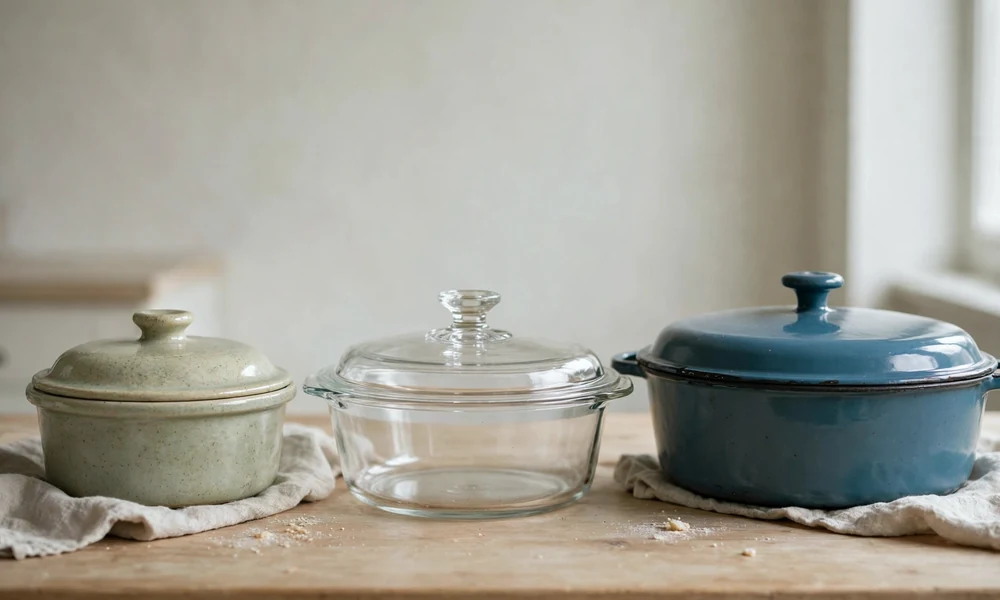
Ceramic and stoneware are the best all-round choices for most kitchens: they heat evenly, hold heat well at the table, and go straight from oven to table. Glass is best when you want to watch the bake and check browning without lifting the lid. Enamelled cast iron is the best choice for long, slow dishes, because it holds heat better than anything else, though it is heavy and costly. Choose a deep dish with a well-fitting lid, handles you can grip with oven mitts, and a size that matches the meals you actually cook. A two-to-three-litre dish suits a couple, a three-to-four-litre dish suits a family, and a five-litre dish suits large gatherings.
What Makes a Casserole Dish Good
The first thing to judge is heat. A good casserole dish absorbs heat steadily and releases it slowly, so the food cooks evenly from edge to centre. Thin, uneven dishes create hot spots: the corners overcook, the middle stays pale, and the top dries out before the inside is done. Thick ceramic, stoneware, glass and enamelled cast iron all spread heat far better than thin metal, which is why they dominate the best casserole dishes of 2026. Weight is part of the deal. A dish that feels solid in the hand usually cooks more evenly than one that feels flimsy, but it should still be light enough to lift safely when it is full and hot.
The Main Types of Casserole Dish
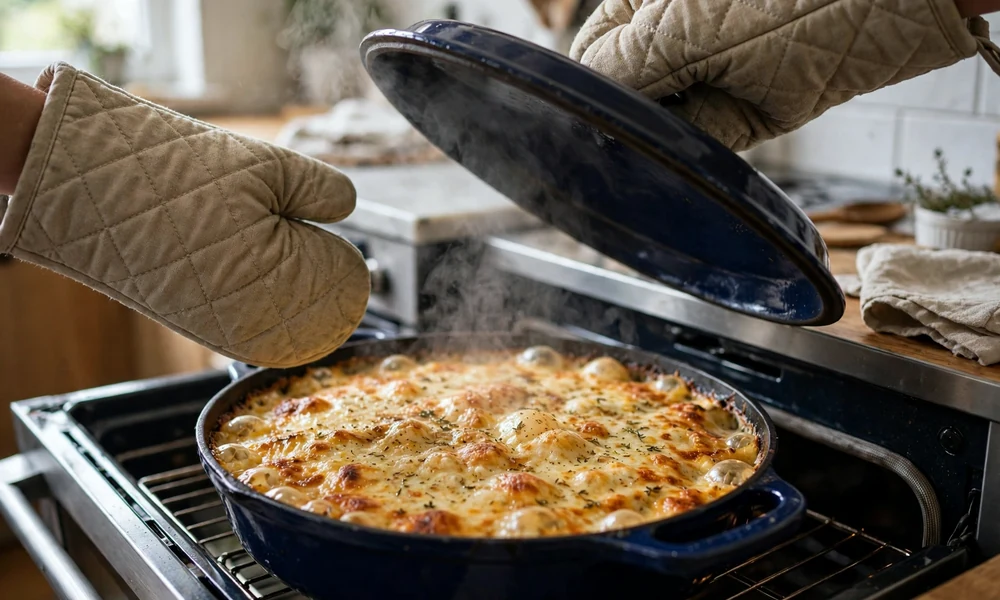
Ceramic and stoneware casserole dishes are the classic choices, and for most households they are the right ones. They absorb heat steadily and release it slowly, so a casserole browns evenly without scorching, and the food stays hot at the table for twenty minutes or more. A glazed ceramic dish is also easy to clean, does not react with acidic foods such as tomatoes, and comes in colours that suit a table rather than a cupboard. The trade-offs are weight and fragility: a large stoneware dish is heavy when full, and it can chip or crack if it is dropped or shocked by a sudden change in temperature. Never put a cold ceramic dish into a very hot oven, and never set a hot one on a cold, wet surface.
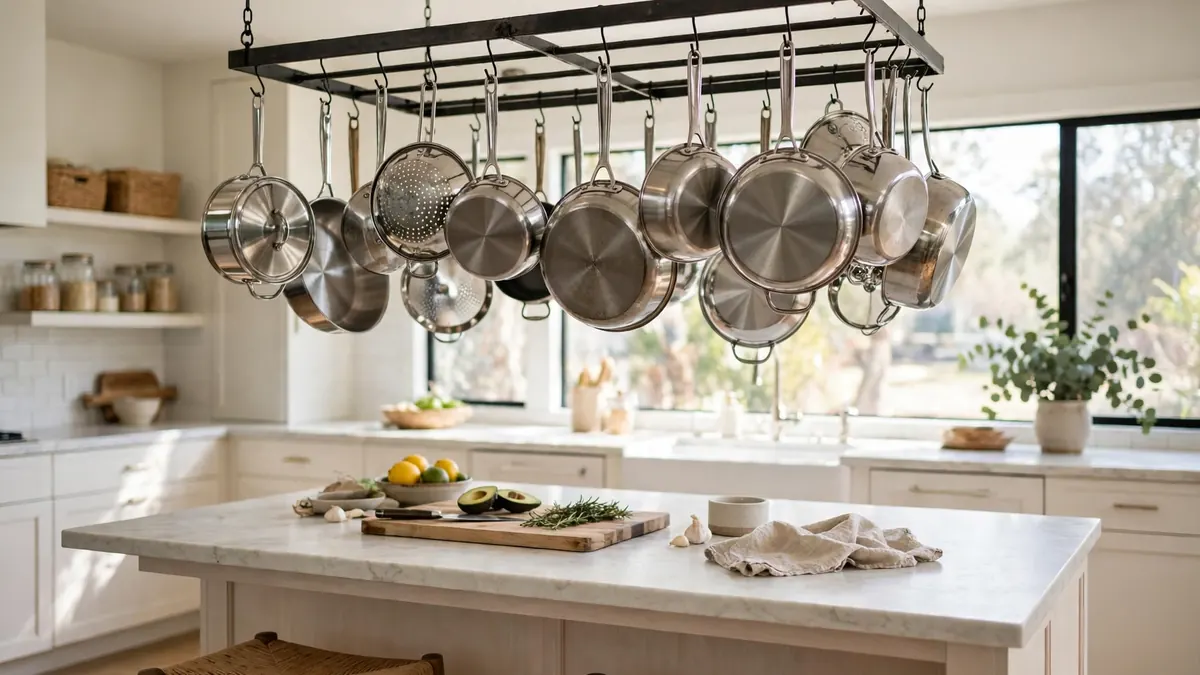
Enamelled cast iron sits at the top end, and it earns its price for slow cooking. It holds heat better than anything else, so a slow-baked casserole comes out deeply browned and stays hot for a long time. It can go from the hob to the oven to the table, which makes it the most versatile dish in this guide, and the enamel coating means it does not need seasoning and does not react with acidic food. The trade-offs are weight and cost. A full cast iron casserole is genuinely heavy, and a good one costs several times more than a ceramic dish. Buy it if you cook slow braises and stews every week; for a weekly pasta bake, ceramic will serve you just as well for far less money. If you are building a kitchen from scratch, it also helps to think about how a casserole fits with the rest of your pans, and a good set of pans can cover the hob work while the casserole handles the oven, which is why many cooks pair one strong casserole with a reliable set from our guide to the best cookware sets of 2026.
Stainless steel and aluminium casserole dishes are the practical, hard-wearing options. They are light, almost unbreakable, and easy to store, and they heat up fast. That speed is also their weakness: thin metal scorches easily, browns unevenly, and cools quickly at the table, so the food needs more watching and the dish looks less at home on a dining table. A heavy, multi-layered steel dish with a thick base does far better than a thin one, and it suits a busy kitchen where dishes are stacked, knocked about, and washed every day. Aluminium dishes with a nonstick coating are easy to clean but the coating wears out, scratches, and cannot take the highest oven temperatures, so treat them as everyday workhorses rather than lifetime buys.
Size, Shape and Depth
Size should follow the meals you actually cook, not the meals you imagine cooking. A two-litre dish is enough for a couple and for side dishes; a three-to-four-litre dish is the family standard, and it matches most printed casserole recipes; a five-litre or larger dish is for gatherings, batch cooking, and freezing portions for the week. Buying too large is the commonest mistake: a half-empty dish dries out, because there is too much hot air above the food and too little food to hold moisture. Buying too small is the second mistake: an overfilled dish bubbles over, burns onto the oven floor, and leaves the top undercooked. If you can only buy one dish, buy the three-to-four-litre size and add a smaller one later.
Lids, Oven Safety and Heat Limits
Not every casserole dish can take every heat. Most ceramic and stoneware dishes are safe to around 220 to 260 degrees, glass to around 220 degrees, and enamelled cast iron to 260 degrees or more, but the lid may have a lower limit, especially if the knob is plastic or wood. Always check the maker’s stated limit for both dish and lid, and never put a dish under a grill unless the maker says it is safe. A casserole dish that is safe in the oven is not automatically safe on the hob: glass and most ceramic dishes will crack on direct heat, while cast iron and some metal dishes are made for it. If you want to brown meat on the hob before the oven, choose a dish that is made for both, or brown in a pan first and transfer the food.
Care and Cleaning
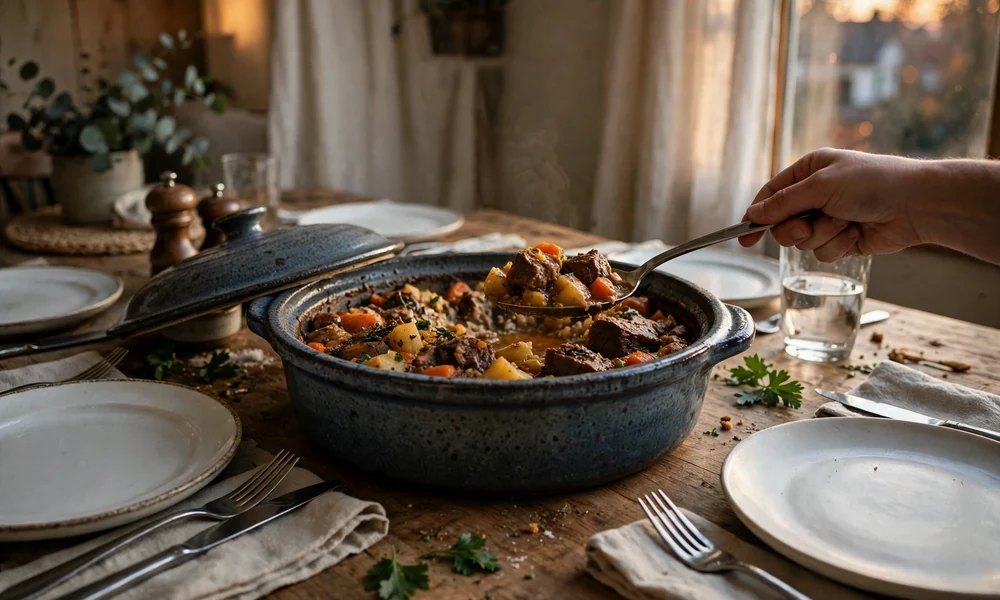
Stains and smells are part of casserole life, and they are mostly harmless. Tomato and turmeric stain ceramic and plastic lids, and strong smells linger in unglazed stoneware, but neither affects the cooking. A paste of baking soda and water, left for an hour, lifts most stains without scratching, and a soak in warm water with a little white vinegar helps with smells. Avoid harsh oven cleaners and bleach on ceramic and enamel, because they dull the glaze and can damage the surface over time. Store dishes with a cloth or a paper towel between them if you stack them, and store lids separately or upside down, so the knobs do not chip the dish below. When it is time to wash up, remember that a heavy casserole is awkward in a small sink, so give yourself room and a sturdy drying rack, and if your sink is part of the problem, our guide to the best kitchen sinks of 2026 covers the deep, wide bowls that make washing large dishes far easier.
What to Avoid
The worst casserole dishes share a few clear signs, and they are easy to spot before you buy. The first is a lid that does not fit: if it rocks, gaps, or slides when you tilt the dish, steam escapes, the food dries out, and the lid rattles in the oven. The second is handles that are too small, too thin, or placed too close to the hot sides. The third is a dish that is too light for its size: thin walls mean hot spots, uneven browning, and a dish that feels flimsy when it is full. The fourth is a glaze that feels rough or uneven, which suggests poor quality control and a surface that will stain and stick. The fifth is a nonstick coating on a dish that is meant for high oven heat, because the coating will wear out long before the dish does. If a dish fails any of these checks, leave it on the shelf.
How to Choose the Best Casserole Dish for You
Start with the meals you cook most often. If you cook pasta bakes and gratins for a family, buy a three-to-four-litre glazed ceramic or stoneware rectangular dish with a lid and wide handles. If you cook slow braises and stews every week, buy an enamelled cast iron dish in the same size and accept the weight. If you like to watch the bake and you want the lightest option, buy a glass dish with a lid. If you need a dish for a small household, buy a two-litre dish and a smaller one for sides. In every case, check the oven limit, the lid fit, the handles, and the size against your oven before you buy, and buy the best material you can afford rather than the largest dish you can find.
It also helps to know how a casserole dish differs from its nearest neighbour, because the two are often confused in shops. A shallow open dish is built for baking: it browns the top of a gratin or a cake and lets moisture escape, which is exactly what you want for a crisp finish. A casserole dish is built for the opposite job: it is deeper, it has a lid, and it traps moisture so a slow dish stays tender. If you already own good shallow dishes, you do not need another one; you need the deep lidded dish that does the job the shallow one cannot. Our guide to the best baking dishes of 2026 covers the shallow side of the kitchen, and this guide covers the deep side, so together they cover the whole oven.
The Verdict
The best casserole dishes in 2026 are the ones made from the right material in the right size: a glazed ceramic or stoneware dish for everyday family cooking, glass when you want to watch the bake, and enamelled cast iron for long slow dishes. Choose a deep dish with a lid that fits, handles you can grip with oven mitts, and a size that matches the meals you cook most often. Avoid lids that rock, handles that are too small, and dishes that feel too light for their size. Buy one good dish, look after it, and it will carry a hundred dinners from the oven to the table without a second thought.