The best hatchbacks for spring driving in 2026 are the small cars that stay calm when the season cannot make up its mind: rain on Monday, sunshine on Tuesday, a cold snap on Wednesday and pollen everywhere by Friday. A good spring hatchback clears a misted windscreen in seconds, grips on wet tarmac without drama, rides over winter’s potholes, and keeps pollen out of the cabin. The best hatchbacks for spring driving are judged on exactly that: wet-weather grip, wipers and demisting, ride comfort over damaged roads, cabin filtration and visibility in changeable light.
Spring is the most underrated test of a car. Summer asks for cooling and winter asks for traction, but spring asks for everything at once, sometimes on the same journey: a commute can start at 4 degrees with fog on the glass and end in bright sunshine. Showers arrive without warning, standing water hides in dips, and frost damage has opened cracks and potholes that councils have not yet repaired. The hatchbacks in this guide handle that messy mix without fuss. The best hatchbacks for summer driving are judged on cooling power instead, which is a different job entirely.
Key Takeaways
- Wet-weather grip matters more than outright power in spring: good tyres and a composed chassis beat horsepower.
- Fast demisting and effective wipers are the real spring luxuries.
- A supple ride over potholes and patched tarmac is worth more than sporty handling when roads are at their worst.
- A strong cabin filter keeps pollen out, which matters more in spring than in any other season.
- A hatchback’s short body and tall roof make it easy to place on narrow, rain-slicked roads and easy to park.
What Spring Really Demands From a Hatchback
Spring driving is defined by change. Temperatures swing by ten degrees or more between morning and afternoon, which means cold starts, misted glass and then a warm cabin all in one trip. Rain is frequent but rarely torrential, so the challenge is wet and drying roads, spray, and glare from a low sun across a damp windscreen. Good wipers, a fast demister and a smear-free windscreen matter most here.
Then there is the road surface. Winter leaves potholes, cracked edges, loose gravel and patches that sink weeks after they are laid. A stiff suspension transmits every one as a thump, while a well-judged setup absorbs them and keeps the car settled. A hatchback’s light weight helps here, because there is less mass to control when a wheel drops into a hole. Finally, pollen counts rise sharply from March onwards, and a good cabin filter makes a genuine difference to hay fever sufferers. The best hatchbacks for winter driving are built for snow and ice, but spring rewards a different balance of grip, comfort and clean air.
Visibility matters more in a hatchback than in most cars, because the upright seating and big rear window are part of the appeal. In spring, that big rear window fogs up and gets filthy with spray, so a proper rear wiper and a heated rear screen are worth having.
The Best Hatchbacks for Spring Driving in 2026
1. Toyota Corolla Hybrid: The Calm All-Rounder
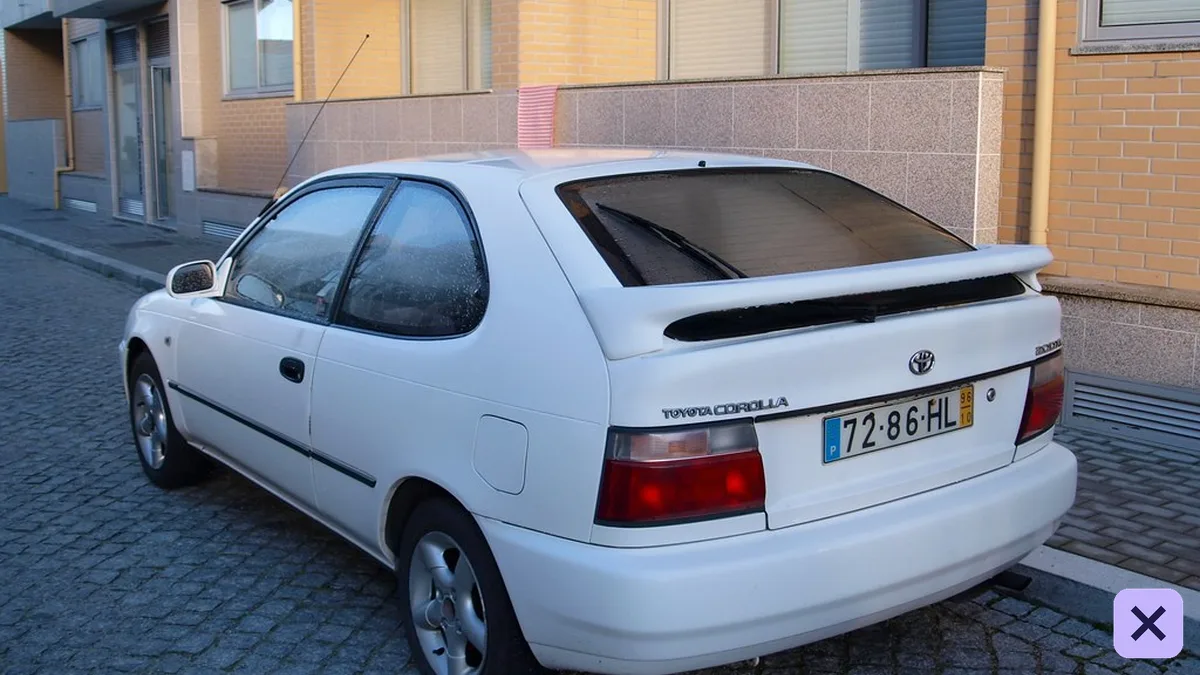
The Corolla Hybrid is the easiest recommendation here because it does everything spring asks of it without drawing attention to itself. The hybrid system delivers smooth, instant response at low speed, which is exactly what wet junctions and stop-start traffic demand. Fuel economy stays excellent even on short cold-start journeys, and the cabin is quiet enough that rain on the roof never becomes tiring.
Toyota’s safety equipment is standard across the range, including automatic emergency braking that works in the rain and lane assistance that stays calm on wet motorways. The ride is soft enough to absorb potholes without floating, and the heated windscreen clears in seconds on a cold morning. The boot swallows a weekly shop and a pair of walking boots with room to spare, and the rear seats fold flat for longer loads. It is not the most exciting hatchback here, but it is the one most buyers will be happiest with after a month of spring weather.
2. Honda Civic e:HEV: The Long-Distance Spring Pick
The Civic e:HEV is the best hatchback in this group for long spring journeys. Its hybrid system is refined and punchy, the seats are the most supportive here, and the cabin stays calm at motorway speed even when rain is hammering the roof. The chassis is superbly balanced, so a wet roundabout or a sudden shower on a country road never catches it out.
Where the Civic really earns its place is visibility. The low dashboard and slim pillars give a clear view in all directions, which matters when the light is changing every few minutes and spray is reducing sight lines. It costs more than some rivals, but on a long wet drive the difference is easy to feel.
3. Volkswagen Golf: The Polished All-Rounder
The Golf remains the benchmark hatchback for a reason. Its cabin is the most polished here, with quiet motorway manners and seats that stay comfortable on a three-hour drive. The range of engines is wide, from frugal diesels to punchy petrols, and every one of them feels unstressed in spring conditions.
What makes the Golf a spring specialist is its refinement in bad weather. The wipers are effective and quiet, the demister is fast, and the car feels planted on wet roads in a way that smaller hatchbacks cannot match.
4. Mazda3: The Driver’s Spring Choice
The Mazda3 is the most enjoyable hatchback to drive in this group, and spring is the season that shows it off best. The steering is precise, the chassis is beautifully balanced, and the car feels alive on a winding country road in a way that its rivals do not. On a dry spring afternoon, nothing here is more fun.
The cabin is the prettiest too, with quality materials and a calm, uncluttered dashboard. The trade-off is a smaller boot than the Golf or Civic, and rear headroom that is tighter for tall passengers.

5. Hyundai i30: The Comfortable Value Pick
The i30 is the quiet achiever of this group. It costs less than the Golf and Civic, comes with a long warranty, and does everything a spring hatchback needs to do without fuss. The ride is soft and forgiving over potholes, the cabin is spacious, and the equipment list is generous even on mid-range models.
Hyundai’s safety kit is comprehensive, and the i30’s heated seats and heated steering wheel are a genuine pleasure on a cold spring morning. The engines are not the most exciting, but they are smooth and economical, and the car is easy to live with day after day.
6. Skoda Fabia: The Clever Small Hatchback
The Fabia proves that you do not need a big hatchback to handle spring well. It is the smallest car here, but its boot is bigger than some cars a class above, and its cabin is surprisingly roomy. The ride is supple, the steering is light and accurate, and it is the easiest car here to park on a crowded spring street.
What the Fabia does best is value. It is cheap to buy, cheap to run and cheap to insure, yet it comes with the same solid engineering as its larger Volkswagen Group cousins. For town driving with occasional longer trips, it is an excellent spring companion.
Best Hatchbacks for Spring Driving Compared
| Hatchback | Best For | Spring Strength | Watch Out For |
|---|---|---|---|
| Toyota Corolla Hybrid | All-round use | Fast demisting, superb economy | Plain to drive |
| Honda Civic e:HEV | Long journeys | Visibility, comfort, wet grip | Higher price |
| Volkswagen Golf | Doing everything well | Refinement, big boot | Costly options |
| Mazda3 | Driving enjoyment | Chassis balance, cabin quality | Small boot |
| Hyundai i30 | Value and comfort | Soft ride, long warranty | Uninspiring engines |
| Skoda Fabia | Town and value | Space, easy parking | Basic cabin |
How to Choose a Hatchback for Spring
Start with tyres. No hatchback, however good, can grip a wet road on worn tyres, and spring showers are when that matters most. Check the tread depth and the age of the tyres on any car you are considering, and budget for a fresh set if they are close to the limit. All-season tyres are a sensible compromise if you do not want to swap rubber twice a year. A good set of tyres is the single most effective safety upgrade you can make.
Next, test the demister and wipers properly. On a test drive, deliberately mist the windscreen and time how long it takes to clear. Check the rear wiper and heated rear screen too, because a hatchback’s big rear window is useless when it is fogged. Look for a car with a proper pollen filter and check when it was last changed. The best hatchbacks for city driving are judged on manoeuvrability instead, so if most of your driving is in town, read that guide too before you decide.
Finally, think about the roads you actually drive. If your route is full of potholes, prioritise ride comfort over sporty handling. If you carry passengers often, check rear legroom and headroom with real people in the back. The right hatchback is the one that fits your roads, your passengers and your nose.

Checklist: Getting Your Hatchback Ready for Spring
- Replace wiper blades if they smear or judder, and top up the screenwash.
- Check tyre tread depth and pressures, and replace tyres older than six years.
- Fit a fresh cabin filter before pollen season starts.
- Clear leaves and debris from the drainage channels under the bonnet.
- Test the air conditioning now, before the first warm day exposes a weak system.
- Wash winter salt from the underside and wheel arches to prevent corrosion.
Frequently Asked Questions
What makes a hatchback good for spring driving?
A good spring hatchback combines strong wet-weather grip, fast demisting, a supple ride over damaged roads and effective cabin filtration. Power matters less than composure.
Do I need all-wheel drive for spring?
Not usually. All-wheel drive helps in heavy rain and on greasy roads, but a front-wheel-drive hatchback on good tyres handles almost every spring situation well. Spend the money on tyres first.
How important are tyres in spring?
Very important. Wet braking distances can double on worn tyres, and spring showers are when that matters most. Good tyres with strong wet ratings are the most effective safety upgrade you can make.
Why does my windscreen mist up so much in spring?
Spring mornings are cool and damp, so moisture condenses on the inside of the glass. Air conditioning clears it fastest because it dries the air as well as warming it. A dirty cabin filter makes misting worse.
Are hybrids good spring cars?
Yes. Hybrids deliver smooth, instant low-speed response that suits wet junctions and stop-start traffic, and they are economical on the longer days of spring. The Toyota Corolla Hybrid is the best example here.
Should I wait for summer to buy a hatchback?
Spring is actually a good time to buy. Dealers are clearing winter stock, the weather lets you test a car properly in the rain, and you get the whole summer ahead of you. Test any car on a wet day if you can.
The Bottom Line
The best hatchbacks for spring driving take the season in their stride. The Toyota Corolla Hybrid is the best all-rounder, the Honda Civic e:HEV is the pick for long journeys, the Volkswagen Golf does everything well, the Mazda3 is the most enjoyable, the Hyundai i30 is the best value, and the Skoda Fabia is the clever small choice. Whichever you choose, start with good tyres, a fresh cabin filter and working wipers.


