
Best Hatchbacks for Winter Driving 2026
The best hatchbacks for winter driving in 2026 are the small cars that refuse to be beaten by snow, ice and dark mornings. A good winter hatchback starts first time in freezing temperatures, pulls away from an icy junction without drama, stops straight and short on packed snow, and keeps its driver warm and able to see clearly when the days are at their shortest. It does all of that while staying cheap to run, easy to park and practical enough to carry everything a cold season demands.
That combination is exactly why hatchbacks deserve more respect in winter than they usually get. Their short body and light weight mean less momentum to control on a slippery road, their tall roof and upright seating give a better view over snow banks and hedges, and the big rear hatch swallows boots, shovels, blankets and shopping without a struggle. The hatchbacks in this guide were judged on traction, braking, visibility, heating, stability and running costs, with winter tyres treated as essential equipment rather than an optional extra.

Key takeaways
- Winter tyres matter more than drivetrain, badge or horsepower, and they transform even a modest hatchback.
- A hatchback’s light weight and short wheelbase make it nimble on ice, but only if the tyres can find grip.
- All-wheel drive helps a hatchback move off, but it does nothing to help it stop, so braking and stability systems matter just as much.
- Fast heating, a heated windscreen, heated seats and a heated steering wheel are winter essentials, not luxuries.
- The best winter hatchbacks balance grip, visibility, comfort and running costs instead of chasing one extreme.
What winter really demands from a hatchback
Snow changes the job of a car completely. In dry weather, grip is plentiful and most modern hatchbacks feel composed and sure-footed. On snow, grip can fall to a tenth of its dry level, and every input, steering, braking and acceleration, has to be gentler and more precise. The best winter hatchbacks feel calm rather than clever, and they forgive small mistakes instead of punishing them.
The first demand is traction from a standstill. A hatchback has to pull away from an icy junction, climb a snow-covered hill and escape a parking space that has frozen overnight. Front-wheel drive hatchbacks do this well because the engine sits over the driven wheels, pressing them into the surface. All-wheel drive versions do it better still, but the gap between the two shrinks dramatically once winter tyres are fitted, and that is a fact many buyers overlook when they pay extra for four driven wheels.
The second demand is stopping. A hatchback that cannot stop in a straight line on packed snow is a danger to its driver and to everyone else, however quickly it accelerated. Good winter hatchbacks combine strong brakes with stability control that works quietly in the background, and their light weight is a genuine advantage here: there is simply less mass to bring to a halt. Shorter stopping distances are the single most valuable winter trait a car can have.
The hatchbacks that handle winter best
The strongest winter hatchbacks of 2026 are not one single type of car. They are a spread of sensible choices, each with a different balance of grip, comfort and cost. A compact petrol hatchback with winter tyres is the cheapest way into confident winter driving. An all-wheel drive hatchback adds security on hills and unploughed roads. An electric hatchback brings instant heat and smooth, easily controlled power. A hybrid hatchback brings low running costs and a warm cabin without fuss.
| Hatchback type | Drivetrain | Winter strength | Winter weakness | Best for |
|---|---|---|---|---|
| Compact petrol hatchback | Front-wheel drive | Light, nimble, cheap to run | Needs winter tyres to shine | Town and suburban winters |
| All-wheel drive hatchback | All-wheel drive | Best traction from standstill | Higher purchase and fuel costs | Hills and rural roads |
| Electric hatchback | Front or all-wheel drive | Instant cabin heat, smooth power | Range drops in the cold | Shorter commutes with home charging |
| Hybrid hatchback | Front-wheel drive | Low fuel use, quick warm-up | Modest power on steep icy climbs | Longer mixed journeys |
| Sporty warm hatchback | Front or all-wheel drive | Strong brakes and stability control | Firm ride on rutted ice | Drivers who want winter fun safely |
If your winter is mostly town driving with the occasional snowy commute, the compact petrol hatchback is hard to beat. It is light enough to stop well, small enough to thread through unploughed side streets, and cheap enough that fitting a set of winter tyres feels like a sensible investment rather than a luxury. Add heated seats and a heated windscreen and you have a car that is genuinely pleasant on a freezing morning.
If your winter includes steep hills, ungritted lanes or a driveway that ices over, the all-wheel drive hatchback earns its premium. It moves off where front-wheel drive cars spin, and it climbs gradients that would defeat a two-wheel drive car on the same tyres. Remember, though, that it stops no better than any other hatchback, so the money saved on repairs after a slide is money spent on good tyres instead.
Traction, tyres and braking
Ask any winter driving instructor what matters most and the answer is always the same: tyres. A winter tyre uses a softer rubber compound that stays flexible below seven degrees, and its tread is cut with hundreds of tiny slits that bite into snow and ice. The difference is not subtle. On packed snow, a hatchback on winter tyres can stop in roughly half the distance of the same car on summer tyres, and that gap is the difference between a scare and a crash.
All-season tyres are a reasonable compromise for drivers in milder areas, and modern ones are far better than the versions sold a decade ago. They will not match a dedicated winter tyre on ice or in deep snow, but they remove the need to store and swap a second set of wheels, and they work well in the damp, cold, mostly snow-free winters that many regions actually get. If snow falls only a few days a year where you live, a good all-season tyre on a light hatchback is a defensible choice.
Heating, visibility and comfort
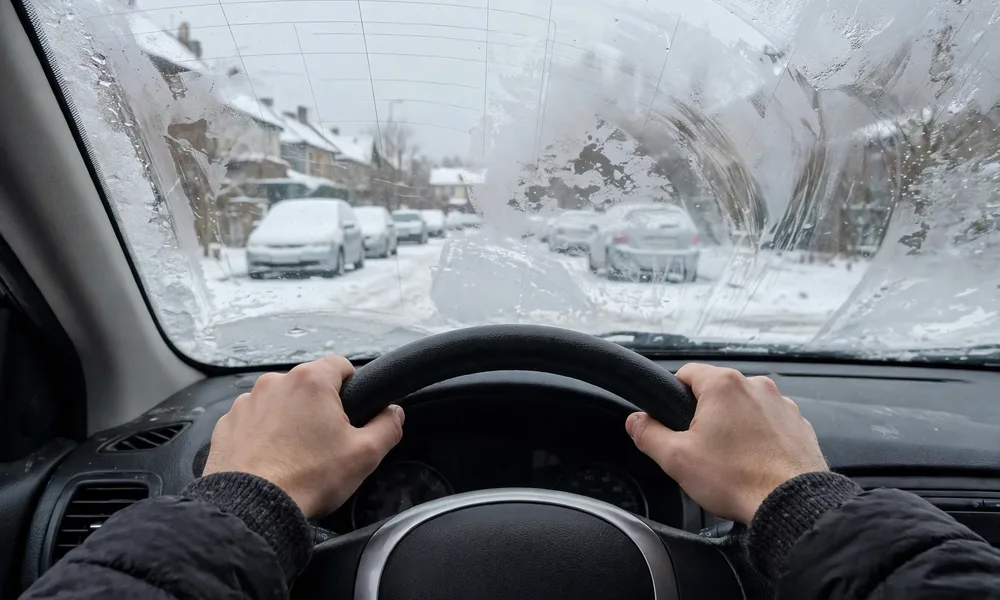
A cold car is a miserable car, and winter comfort is not a frivolity. A hatchback that warms its cabin quickly, clears its windscreen in minutes and keeps its driver warm is a car that gets used properly, with the driver alert and comfortable rather than hunched and shivering. Heated seats and a heated steering wheel sound indulgent until the first minus-five morning, when they become the two features you would not give up for anything.
Visibility deserves the same attention. A heated windscreen clears frost in a couple of minutes, while a car without one can take ten minutes of scraping and waiting. Good wipers, a strong wash system that does not freeze, and headlights that cut through falling snow all earn their keep every single day of winter. Before buying, sit in the car and check the blind spots: thick pillars and small rear windows make reversing out of a snowy parking space harder than it needs to be.
Running costs through a cold season
Winter is expensive for cars. Cold starts use more fuel, short journeys never let the engine reach its efficient temperature, and the heater, heated seats and lights all draw power. A light hatchback starts this contest with an advantage: small engines and low weight mean lower fuel use even before the weather turns, and that gap grows when every journey is short and cold.
What to avoid in a winter hatchback
The worst winter hatchbacks are not bad cars, they are good cars bought for the wrong job. A low, stiffly sprung hatchback on wide low-profile summer tyres will be miserable on rutted ice, however good it feels on a dry road. A hatchback with a slow heater, no heated windscreen and poor rear visibility will make every winter morning a chore. And a car with an old battery, worn wipers and tyres near the legal limit is a breakdown waiting for the coldest day of the year.
Winter driving checklist for hatchback owners
- Fit winter or good all-season tyres before the first frost, and check pressures monthly as cold air lowers them.
- Test the battery before winter and replace it if it is slow to turn the engine over on a cold morning.
- Keep the washer bottle filled with screenwash rated to at least minus twenty degrees.
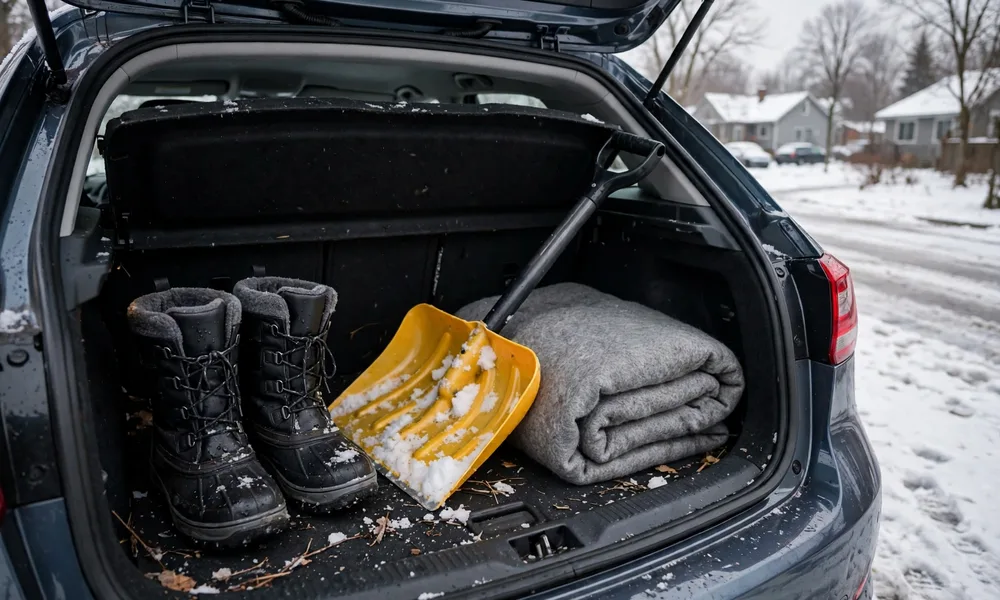
- Carry a shovel, a blanket, a torch, a phone charger and a bag of grit in the boot from November to March.
- Clear all windows, the roof and the lights of snow before every journey, not just a small patch of windscreen.
- Leave twice the normal gap to the car ahead on snow and ice, and brake early, gently and in a straight line.
Frequently asked questions
Are hatchbacks good in snow?
Yes, with the right tyres. A light hatchback with front-wheel drive and winter tyres is one of the most capable small cars in snow, because the engine weight sits over the driven wheels and there is little mass to stop. All-wheel drive versions are better still on hills, but tyres matter more than drivetrain.
Do I need winter tyres on a hatchback?
In places where temperatures regularly fall below seven degrees or snow is common, yes. Winter tyres can halve stopping distances on snow compared with summer tyres, and no driver aid can compensate for that difference. In milder regions, a good all-season tyre is a reasonable compromise.
Is an electric hatchback good for winter driving?
For shorter journeys with home charging, yes. Electric hatchbacks heat their cabins quickly and deliver smooth, easily controlled power on ice. The main drawback is range, which can fall by a quarter or more in cold weather, so longer winter journeys need more planning and more charging stops.
Is all-wheel drive worth it on a hatchback?
It is worth it if you regularly drive steep hills, ungritted lanes or deep snow. It helps the car move off and climb, but it does not help it stop, so it should never be bought instead of winter tyres. For mostly town driving, a front-wheel drive hatchback on winter tyres is usually enough.
How do I prepare my hatchback for winter?
Fit suitable tyres, test the battery, top up with cold-rated screenwash, check the wipers and lights, and load the boot with a shovel, blanket, torch and grit. A quick service before winter that checks coolant, brakes and tyre tread is money well spent.
What is the best hatchback for winter driving in 2026?
There is no single best choice, because the right hatchback depends on your roads and your journeys. For most drivers, a light compact or hybrid hatchback on winter tyres with heated seats and a heated windscreen is the best balance of grip, comfort and cost, while rural drivers should consider all-wheel drive.
Bottom line
The best hatchbacks for winter driving in 2026 are light, well heated, easy to see out of and shod with the right tyres. Choose a compact, hybrid or electric hatchback that suits your journeys, fit winter or good all-season tyres before the first frost, and spend the money on heating and visibility before you spend it on extra power. Do that, and a small hatchback will carry you through the coldest months with more confidence and comfort than many far bigger and more expensive cars. If you are comparing body styles for the cold season, the best sedans for winter driving and the best SUVs for winter driving cover the alternatives, while the best electric cars for winter driving go deeper on cold-weather range and charging.


