
Worst Hatchbacks for Autumn Driving 2026
The worst hatchbacks for autumn driving in 2026 are not bad cars in every season. They are cars whose weaknesses only show up when the leaves fall, the fog rolls in, the evenings turn dark, and the rain never quite stops. A hatchback that feels cheerful on a dry summer day can turn into a slippery, misted-up, half-blind box on a wet October morning. The difference is rarely one big fault, but a pile of small ones: a demister that gives up in fog, tyres that cannot grip leaf mulch, and headlights that barely reach the next bend. This guide ranks the hatchback types that cope worst with autumn and shows what to check before you commit to one.
Autumn exposes weaknesses that summer and winter hide. Wet leaves find the cars with poor tyres, fog finds the cars with weak lights and slow demisters, and deer find the drivers who cannot see far enough ahead. The worst hatchbacks for summer driving fail in a different way, because heat is a different test, but the pattern is the same: small compromises that add up to a miserable season.
Key Takeaways
- Slow demisting is the biggest autumn failure: if you cannot see clearly within a minute, nothing else matters.
- Weak headlights turn dark autumn evenings into guesswork, especially on country lanes with deer.
- Worn or cheap tyres lose grip on wet leaves faster than on any other surface.
- A damp cabin that never dries out will mist the glass every single morning.
- Test a hatchback on a wet, foggy morning before you buy: a sunny test drive hides every autumn weakness.
What Autumn Exposes in a Bad Hatchback
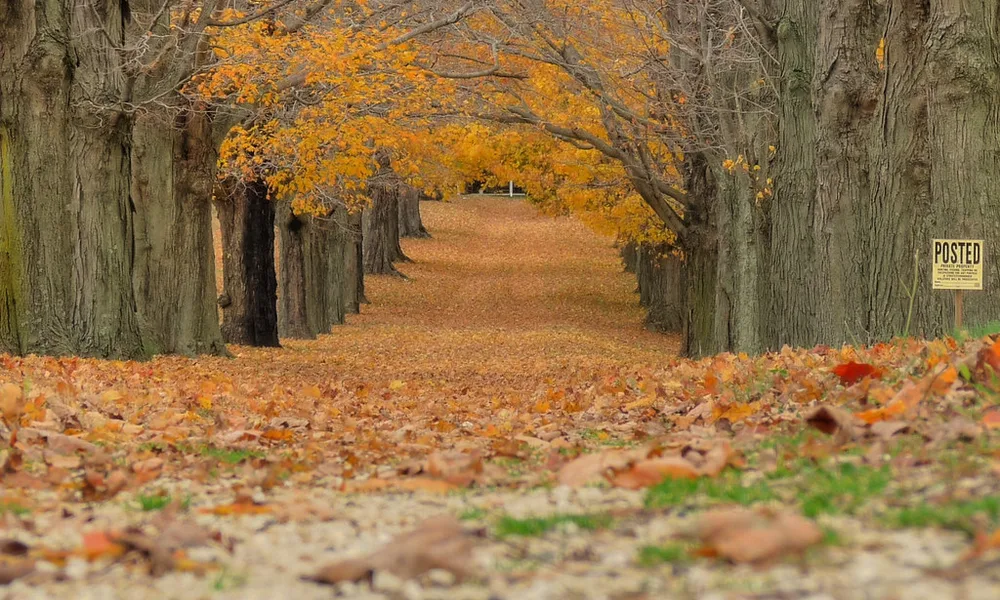
Autumn punishes grip first. A wet layer of fallen leaves on tarmac can be as slippery as ice, and it arrives without warning on bends, at junctions and on downhill approaches. A hatchback with skinny, worn or cheap tyres slides where a car on good rubber holds its line, and a nervous traction system makes things worse by cutting power at the wrong moment. Braking distances grow, so a car with weak or grabby brakes becomes a liability exactly when you need it most.
The second failure is visibility. Fog rolls in on still mornings, low sun blinds drivers on the evening commute, and the clocks going back means the drive home happens in darkness. A hatchback with dim halogen headlights, no fog lights and a slow demister leaves its driver peering through a smeared windscreen for the first ten minutes of every journey. Add a cabin that stays damp because the drains are blocked with leaves, and the glass mists up from the inside as well.
The third failure is light. October and November are the peak months for deer on the roads, and the danger hours are dawn and dusk, exactly when commuters are driving. A hatchback with short headlight reach gives its driver no time to react, and a low seating position makes it harder to spot an animal at the roadside. Cars with poor automatic emergency braking, or none at all, leave everything to the driver’s eyes, and in fog and darkness that is not enough.
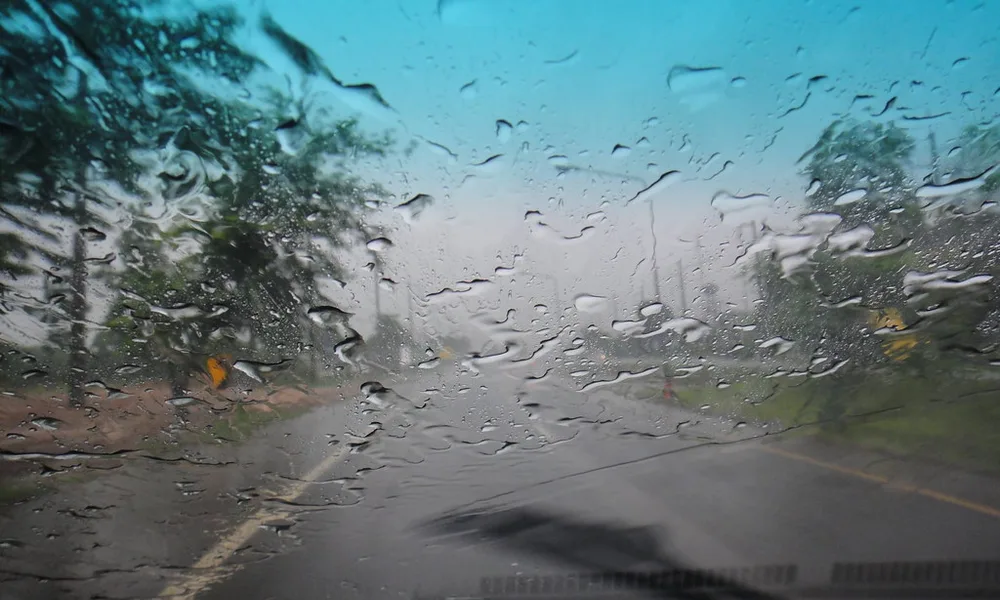
The fourth failure is water. Autumn rain is persistent rather than dramatic, and it finds every weakness: worn wipers that smear, drains blocked by leaves, and seals that let damp into the cabin. A car that never dries out will smell damp, mist its windows every morning, and eventually grow mould in the carpets. Check the scuttle panel under the windscreen: if it is full of rotting leaves, the car will mist up no matter how good the demister is.
The Worst Hatchbacks for Autumn Driving of 2026 at a Glance
| Hatchback | Worst for | Biggest flaw | Autumn verdict |
|---|---|---|---|
| Mitsubishi Mirage | Overall | Weak grip and dim lights | Avoid |
| Fiat 500 (ageing) | Demisting | Slow heater, misted glass | Avoid |
| Ford Fiesta ST | Traction | Too much power, too little grip | Risky |
| Early Nissan Leaf | Electric range | Cold damp saps the battery | Risky |
| Dacia Sandero (base) | Budget buyers | Weak lights, no heated screen | Compromise |
| Honda Civic Type R | Dark lanes | Stiff, low and hard to see out of | Wrong tool |
The Worst Hatchbacks for Autumn Driving in 2026
1. Mitsubishi Mirage: The Worst Hatchback for Autumn Driving Overall
The Mirage is the worst hatchback for autumn driving in 2026 because it fails every test the season sets. Its skinny tyres cannot grip wet leaves, its small three-cylinder engine strains on damp hills, and its halogen headlights barely light the road ahead. The demister is slow, the cabin is noisy in rain, and the tall, narrow body gets pushed around by autumn gusts. On a foggy October morning it feels like the wrong car for the job.
2. Fiat 500 (Ageing): The Worst Hatchback for Autumn Driving for Demisting
An ageing Fiat 500 is charming in summer and miserable in autumn. The heater is weak, the demister takes an age to clear the screen, and the small glass area fogs up from the inside the moment the cabin gets damp. A newer 500 with a heated screen is a different car, but the older ones, which fill the used market, will leave you wiping the windscreen with your sleeve on cold damp mornings.
3. Ford Fiesta ST: The Worst Hatchback for Autumn Driving for Traction
The Fiesta ST is a brilliant hot hatch on a dry road and a liability on wet leaves. Its powerful turbo engine overwhelms the front tyres the moment the surface turns slippery, and its stiff suspension skips over leaf-hidden bumps instead of absorbing them. The summer tyres most owners fit are hopeless on leaf mulch. It is enormous fun in July and a handful in October, and that is a bad trade for a car you have to drive every day.
4. Early Nissan Leaf: The Worst Electric Hatchback for Autumn Driving
An early Nissan Leaf struggles in autumn for reasons that have nothing to do with its electric motor. Cold damp weather saps the small battery, so a range that is already modest shrinks further just when you need the heater and the demister most. The lack of a heat pump on early cars means every degree of warmth costs miles. It is still a decent town car, but for dark, wet, foggy commutes through the leaf-fall months, it asks too many compromises.
5. Dacia Sandero (Base Trim): The Worst Hatchback for Autumn Driving for Budget Buyers
The base-trim Sandero is honest value, but autumn shows where the money was saved. The headlights are dim halogens, there is no heated windscreen, and the demister is slow to clear a damp cabin. The wipers are basic, the cabin materials hold damp, and the driver assistance kit is minimal, so there is no automatic emergency braking to catch what your eyes miss in the fog. Higher trims fix some of this, but the base car, which is the one most buyers choose, leaves you doing the season’s hardest work with the weakest tools.
6. Honda Civic Type R: The Worst Hatchback for Autumn Driving for Dark Lanes
The Civic Type R is a superb performance car and a poor autumn car. It sits low, rides stiffly, and wears wide summer tyres that cannot find grip on wet leaves. The big rear wing blocks the view out of the back window, the cabin is dark, and the engine’s power overwhelms the tyres on every damp junction. It is built for dry circuits, not for dark country lanes with deer, fog and leaf mulch.

How to Cope, and What to Buy Instead
If you already own one of these cars, good tyres are the single best fix. A set of all-season tyres with plenty of tread transforms grip on wet leaves, and it costs far less than changing cars. Clear the leaves from the scuttle panel and drains every week, replace worn wipers, and run the air conditioning to dry the cabin air. The worst hatchbacks for winter driving fail on snow and ice, which is a harsher test than autumn, but the same fixes, tyres, lights and demisting, help there too.
If you are buying, test the car on a wet, foggy morning, not a sunny afternoon. Time the demister, drive down a leaf-covered lane, and check the headlights at dusk. A car that clears its screen in a minute, grips on leaf mulch and lights the road far ahead is worth paying more for. The worst hatchbacks for spring driving fail on potholes and pollen, which are different problems, but the lesson is the same: the cheapest car is rarely the cheapest to live with.
What to buy instead depends on your budget. A Toyota Corolla Hybrid or a Honda Civic e:HEV handles autumn with calm competence, a Volkswagen Golf does everything well, and a Skoda Fabia proves a small car can cope. All of them have strong lights, fast demisters and good tyres as standard, and all of them will make an October morning feel ordinary rather than stressful.
Autumn Driving Checklist: Avoiding the Worst
- Check tyre tread depth and avoid any hatchback on worn or mismatched tyres.
- Time the demister on a cold damp morning before you buy, and walk away if it is slow.
- Test the headlights at dusk and reject dim halogens with no fog lights.
- Look under the windscreen for a scuttle panel choked with rotting leaves.
- Check for damp carpets and a musty smell, which mean the cabin never dries out.
- Drive a leaf-covered lane and feel for wheelspin, skipping suspension and vague brakes.
Frequently Asked Questions
What makes a hatchback bad for autumn driving?
Slow demisting, weak headlights, poor tyres and a damp cabin. A bad autumn hatchback slides on wet leaves, mists its glass every morning, and leaves its driver guessing on dark lanes, while a good one handles all three without fuss.
Can good tyres fix a bad autumn hatchback?
Partly. Good all-season tyres transform grip on wet leaves and are the single best fix you can buy. They cannot fix dim headlights, a slow demister or a damp cabin, so check those too before you commit to a car.
Why do leaves make roads so slippery?
Wet leaves trap water against the tarmac and rot into a slick mulch that can drop grip to levels close to ice. The danger is worst on bends and downhill approaches, where braking and turning happen together.
Is rear-wheel drive bad in autumn?
It can be. A powerful rear-wheel-drive hatchback can spin its wheels on leaf mulch where a front-wheel-drive car holds its line, and it needs good tyres more than most. Modest power and calm traction control matter more than which wheels are driven.
How do I stop my windscreen misting up in autumn?
Clear the leaves from the scuttle drains, run the air conditioning to dry the cabin air, and replace a clogged cabin filter. If the glass still mists every morning, the car has a damp problem that no demister can fix.
Should I avoid buying a hatchback in autumn?
No, autumn is the best time to buy one, because the season exposes every weakness. Test the car on a wet, foggy morning, and you will see exactly what you are getting before you pay for it.
The Bottom Line
The worst hatchback for autumn driving in 2026 is the Mitsubishi Mirage, because it fails on grip, lights and demisting all at once. The ageing Fiat 500, the Fiesta ST and the early Leaf all fail in their own ways, and the base Sandero shows where the money was saved. Whatever you drive, fit good tyres, clear the leaves from the drains, and test the demister before the fog arrives. Autumn punishes the unprepared, and the cheapest fix is the one you make before the season starts.


