
Worst Hatchbacks for Winter Driving 2026
The worst hatchbacks for winter driving in 2026 are the small cars that feel clever on a sunny test drive and then fall apart when snow, ice and freezing rain arrive together. The wrong one spins its wheels, scrapes its chin on frozen ruts, takes twenty minutes to warm up and leaves its driver peering through a windscreen that never fully clears.
This guide looks at the traits that make a hatchback miserable in winter, the combinations that turn a small weakness into a daily problem, and the warning signs to spot before you sign anything. If you drive through proper snow, live up a hill that never gets gritted or park outside overnight, these are the cars and setups that will cost you time, money and patience.
Key takeaways
- Low ground clearance is the biggest winter weakness, because a car that grounds out on frozen ruts is stuck no matter how good its tyres are.
- Wide summer tyres on a light hatchback are a winter disaster, with long stopping distances and almost no grip on packed snow or black ice.
- Slow heating, a weak demister and no heated windscreen turn a short commute into a cold, half-blind drive.
- A heavy, powerful front-wheel drive hatchback can be worse in snow than a modest one, because torque overwhelms the tyres before the car moves.
- Check clearance, tyre size, heating and the spare wheel before you buy, because the fixes for a bad winter hatchback are expensive or impossible.
Why some hatchbacks fail in winter
Winter changes what a car has to do, and hatchbacks feel that change more than most. Their short bodies and light weight are an advantage in town in summer, but on snow the same lightness means less weight pressing the tyres into the surface, and their low stance puts the underside close to frozen ruts and the ridge of snow left by a plough. A hatchback that sits low looks sporty in a showroom, yet in a real winter it is the car that bottoms out first and gets beached on its own belly.
Grip is the second problem. A hatchback has only four small contact patches between itself and the road, and in winter those patches have to do far more work. A car that arrives on wide, low-profile summer tyres has almost nothing to bite with once the temperature falls below seven degrees, because the rubber hardens and the tread fills with snow instead of clearing it. The car still looks fast, but it cannot pull away cleanly, it cannot stop in a straight line, and it slides sideways on cambered roads that a cheaper car on winter tyres would cross without drama.
Heating is the third failure, and it is the one owners notice every morning. A small engine that takes a long time to warm up leaves the cabin cold, the windows misted and the windscreen iced over long after you needed to leave. A weak demister leaves the windows fogged and the mirrors useless.
The lowest and stiffest hatchbacks
The worst winter hatchbacks of 2026 share one look: low, stiff and wide-tyred. A lowered suspension that feels sharp on a dry road becomes a punishment on rutted ice, because every frozen ridge is transmitted straight into the cabin and the wheels lose contact with the surface instead of following it. Sporty hatchbacks with firm dampers and short suspension travel bounce over snow rather than gripping it, and the driver feels every loss of traction through the steering wheel.
Ground clearance tells the story in a single number, and it is worth checking before anything else. A hatchback with around 110 millimetres of clearance will struggle on any road that has not been ploughed perfectly, while one with 140 millimetres or more has room to ride over the ridge between wheel tracks. That 30 millimetre gap is the difference between driving home and waiting for a tow truck, and it is rarely mentioned in the sales pitch. Wide tyres make it worse: they spread a light car’s weight over a larger area, so there is less pressure at any point and less bite into snow.

Rear-wheel drive and high-power hatchbacks in snow
Rear-wheel drive hatchbacks are rare, but where they exist they are among the worst winter choices for most drivers. With the engine at the front and the driven wheels at the back, the car has little weight over the wheels that need grip, so it spins at the first icy junction and steps sideways on even a gentle slope. Stability control helps, but it cannot create grip that is not there, and a rear-wheel drive hatchback on summer tyres needs a flat, gritted road to be safe at all.
High-power front-wheel drive hatchbacks have a different problem: too much torque too early. A strong turbo engine can overwhelm its front tyres in a fraction of a second, and once the wheels are spinning the car goes nowhere while the tyres polish the ice underneath into a mirror. The result is a car that is fast in summer and frustrating in winter, with worn tyres and a tired driver by February. Electric hatchbacks can be excellent in winter when set up well, but a heavy one on wide summer tyres still has to stop, and cold weather can cut its range by a quarter or more.
How the worst winter hatchbacks compare
The table below compares the worst winter hatchback traits side by side. No single trait ruins a car on its own, but when two or three appear together the car becomes hard work all season. Use it as a checklist when you look at a car in person, and walk away when a hatchback ticks more than one box.
| Worst winter trait | What it feels like | Winter risk | Easy to fix? |
|---|---|---|---|
| Very low clearance | Scraping on frozen ruts | Getting beached on snow | No, needs a different car |
| Wide summer tyres | Spinning wheels, long stops | Crashes on ice | Yes, fit winter tyres |
| Weak heating and demister | Cold cabin, fogged windows | Poor visibility | Mostly no |
| Rear-wheel drive | Tail stepping out on slopes | Loss of control | No |
| High torque, light front end | Wheelspin at every junction | Stuck on hills | Partly, with careful driving |
| Short winter range | Anxiety about heat and distance | Running out of charge | No |
The cheapest fix in the table is also the most important: winter tyres. A bad hatchback on winter tyres is still a bad hatchback, but it is a far safer one, with shorter stopping distances and far more grip from a standstill. The fixes you cannot make at all are clearance, drivetrain and heating, and that is why those traits should decide the purchase, not the colour or the screen. For the other side of this comparison, the guide to the best hatchbacks for winter driving in 2026 shows what the strongest winter hatchbacks do differently. The same pattern holds elsewhere: the worst sedans for winter driving in 2026 share many of these faults, and the worst wagons for winter driving in 2026 show how extra length can make them worse on icy roads.
Heating, visibility and cold-weather comfort
A hatchback that cannot keep its windows clear cannot be driven safely in winter, however good its engine is. The worst offenders have small heater cores, weak fans and demisters that clear a patch the size of a postcard and leave the rest fogged. Heated windscreens, heated mirrors and heated seats are not luxuries in a cold climate; they are the difference between leaving on time and leaving late, cold and half-blind. If a car you are considering lacks them, ask what they cost as options.
Tyres, wheels and the spare wheel trap
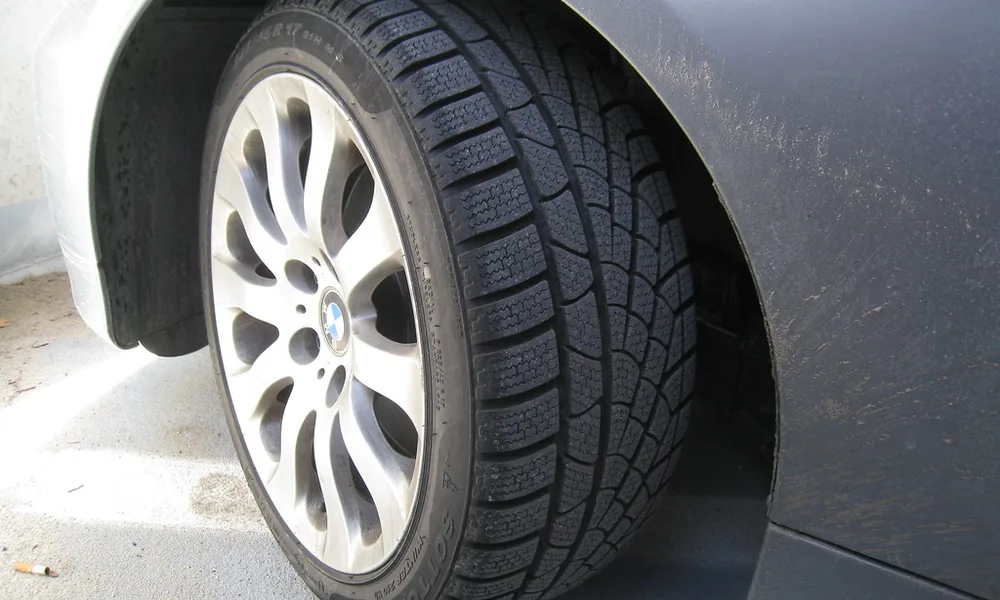
Tyres decide more about winter driving than any other single factor, and the worst hatchbacks make good tyres hard to fit. Some are sold with wheel sizes that have almost no winter tyre choice, or with tyres so wide and low-profile that a winter set costs far more than the car deserves. Before you buy, check the price and availability of a winter set, and check whether a smaller wheel will fit over the brakes. A car that forces you to keep summer tyres all year is a car that will betray you in January.

What to check before you buy a hatchback for winter
Judge a winter hatchback before you buy it, not after the first snowfall. Start with the numbers: ground clearance, tyre size, the cost of a winter set, and the real cold-weather range if the car is electric. Then look at the car itself. Sit in it, turn the heater to full, and see how quickly the windscreen starts to clear. Look at the mirrors, the wipers and the view over the bonnet, and imagine all of it covered in frost.
Checklist: avoid the worst winter hatchbacks
- Measure the ground clearance and walk away from anything under about 120 millimetres if your roads are left ungritted.
- Price a set of winter tyres in the correct size before you buy, and check that a narrower winter wheel will fit.
- Test the heater and demister from cold, and check for a heated windscreen, heated mirrors and heated seats.
- Check the spare wheel, the jack and the sealant kit, and confirm your roadside cover reaches you in bad weather.
- Look at the view out in the dark, including the rear window, the mirrors and the reversing camera when it is wet.
- Ask owners in cold areas about wheelspin, grounding out and winter range, and believe a pattern of the same complaints.
Frequently asked questions
Are all small hatchbacks bad in winter?
No. A small hatchback with winter tyres, decent clearance and a good heater can be a confident winter car, and its light weight helps it stop. The worst ones combine low clearance, wide summer tyres and weak heating, because those faults add up to a car that struggles every day.
Can winter tyres fix a bad winter hatchback?
They help a great deal and are the single best upgrade you can make. They shorten stopping distances and improve grip from a standstill, but they cannot raise the clearance, fix a weak heater or change the drivetrain, so they improve a bad car rather than transforming it.
Is all-wheel drive essential for a winter hatchback?
No, and it can be a distraction. All-wheel drive helps a car move off, but it does nothing to help it stop, and a front-wheel drive hatchback on winter tyres will often out-brake an all-wheel drive car on summer tyres. Spend the money on tyres first.
Why do electric hatchbacks lose range in winter?
Cold batteries hold less charge, and heating the cabin takes energy that would otherwise drive the car. A heat pump reduces the loss, pre-heating while the car is plugged in helps too, and short trips in very cold weather are the hardest of all.
What clearance should a winter hatchback have?
Around 140 millimetres or more is a good target for ungritted roads and rural lanes. Under 120 millimetres is risky, and under 110 millimetres will ground out on frozen ruts and plough ridges that other cars cross without noticing.
Should I buy a hatchback with no spare wheel?
Only if you understand the trade-off. Sealant cannot fix a cut sidewall or a damaged rim, and in winter a flat tyre can mean a long, cold wait. A space-saver spare, or roadside cover that genuinely reaches your area, is worth having.
The bottom line
The worst hatchbacks for winter driving in 2026 are not bad cars in every way; they are cars whose strengths belong to summer and whose weaknesses belong to winter. Low clearance, wide summer tyres, weak heating and too much torque are the faults that matter most. Choose a hatchback with clearance, a good heater and room for proper winter tyres, and winter becomes a season to drive through, not a season to endure.


