The worst sedans for winter driving in 2026 are the ones that turn a cold morning into a struggle: wheels spinning on an icy driveway, a cabin that stays cold for the first twenty minutes, and a low front bumper ploughing snow instead of clearing it. A sedan can be a fine winter car, but only when it is built for the job. The cars below are not. Ground clearance, heating, and traction decide the result, and these cars fail on all three.
We judged each sedan on traction, ground clearance, cold-weather starting, cabin heating time, visibility, and braking on packed snow. This is the opposite side of the coin from our guide to the best sedans for winter driving, which ranks the sedans that actually cope with snow. The cars below are the ones to avoid if winter is a regular part of your driving year.
Key Takeaways
- Dodge Charger with rear-wheel drive is the worst sedan for winter driving overall in 2026, with too much torque, too little weight over the driven wheels, and low ground clearance.
- Rear-wheel drive is the single biggest winter weakness in a sedan, and it matters more than horsepower, badge, or price.
- Low ground clearance beaches a sedan in deep, unploughed snow, and no amount of traction control can lift a car that is sitting on its belly.
- Slow cabin heating, frozen door handles, and poor windscreen clearing turn a short winter journey into a miserable one.
- Winter tyres help every sedan on this list, but they cannot fix a car that is fundamentally wrong for snow and ice.
The Worst Sedans for Winter Driving of 2026 at a Glance
Six sedans, six different ways to struggle in the snow.
| Sedan | Worst For | Drive | Main Winter Fault | Ground Clearance |
|---|---|---|---|---|
| Dodge Charger RWD | Worst overall | Rear-wheel drive | Wheelspin, no rear grip | About 130 mm |
| Chrysler 300 RWD | Traction | Rear-wheel drive | Heavy, tail-happy on ice | About 130 mm |
| Nissan Sentra | Power in snow | Front-wheel drive | Weak engine, low clearance | About 135 mm |
| Chevrolet Malibu | Heating and visibility | Front-wheel drive | Slow heater, poor clearing | About 140 mm |
| Hyundai Elantra | Deep snow | Front-wheel drive | Light, easily beached | About 135 mm |
| Tesla Model 3 RWD | Electric winter range | Rear-wheel drive | Range loss, frozen handles | About 140 mm |
Why Sedans Struggle in Winter
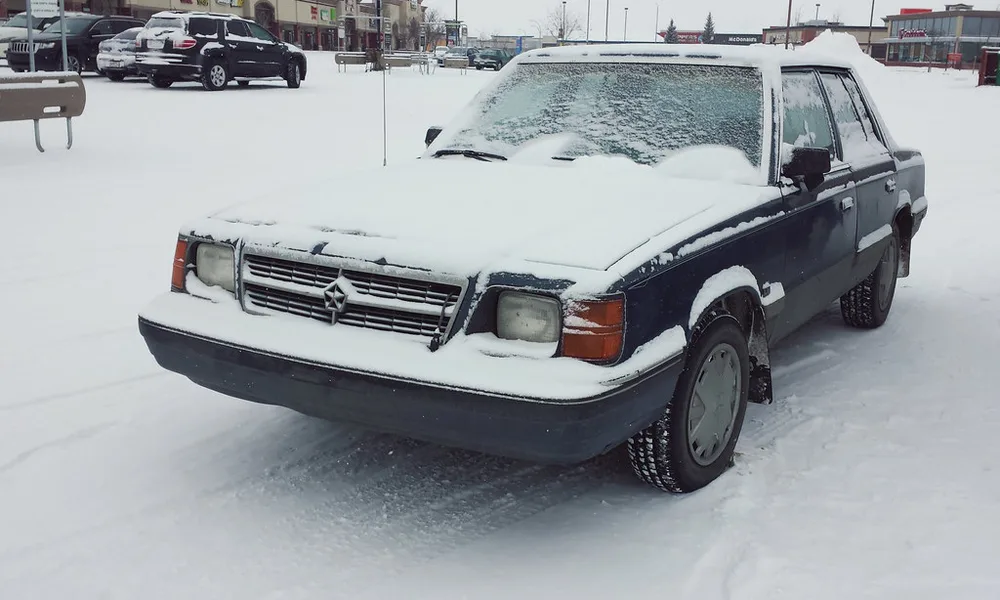
Snow changes the job of a car completely. On dry roads, grip is plentiful and most sedans feel composed. On snow, grip can fall to a tenth of its dry level, and every input has to be gentler and more precise. A sedan starts at a disadvantage: it sits low, so deep, unploughed snow and frozen ruts can beach it where a taller car would keep going. A sedan with about 130 mm of ground clearance will ground out in snow that is 150 mm deep, and once the car is sitting on its belly, the driven wheels have nothing to push against.
1. Dodge Charger RWD: Worst Sedan for Winter Driving Overall
The Dodge Charger with rear-wheel drive is the worst sedan for winter driving in 2026, and it is not close. The Charger is a big, heavy, powerful car with its engine at the front and its driven wheels at the back, exactly the wrong combination for snow. There is too little weight over the driven wheels, too much torque for an icy surface, and a low ride height that leaves the front bumper ploughing snow. If you live where snow is regular, do not buy a rear-wheel-drive Charger.
2. Chrysler 300 RWD: Worst for Traction
The Chrysler 300 with rear-wheel drive is the worst sedan for winter traction, and it fails for the same reasons as the Charger, with extra weight on top. The 300 is a large, heavy sedan with a long wheelbase and a powerful engine, and on snow it feels like a boat: slow to respond, easy to unsettle, and hard to stop straight on packed snow. The steering is light and vague, which makes it harder to feel what the front tyres are doing. Like the Charger, the 300 is available with all-wheel drive, and that version is a far better winter car.
3. Nissan Sentra: Worst for Power in Snow
The Nissan Sentra is the worst sedan for power in snow, and its weakness is the opposite of the Charger: not too much power, but too little. The Sentra is a small, light, front-wheel-drive sedan with a modest engine and a continuously variable transmission, and on a snowy hill it struggles to build speed and feels strained at exactly the moment you need smooth, steady power. The Sentra is also low, with about 135 mm of ground clearance, and light, which means it is easily pushed around by crosswinds on an exposed, icy road.
4. Chevrolet Malibu: Worst for Heating and Visibility
The Chevrolet Malibu is the worst sedan for heating and visibility in winter, and those two faults together make every cold morning harder than it needs to be. The Malibu is a comfortable, quiet, front-wheel-drive sedan, and in summer it is easy to recommend. In winter, the heater is slow to warm up, the windscreen takes too long to clear, and the rear window demister is weak, which means you spend the first ten minutes of every journey peering through a half-cleared screen. The Malibu is also low, with about 140 mm of ground clearance, and its front overhang is long, so the bumper catches on frozen ruts and snow ridges.
5. Hyundai Elantra: Worst for Deep Snow
The Hyundai Elantra is the worst sedan for deep snow, and its weakness is simple: it is light, low, and easily beached. The Elantra is a neat, efficient, front-wheel-drive sedan with about 135 mm of ground clearance, and on a gritted road in light snow it copes well enough. On an unploughed lane, in a car park that has not been cleared, or on a road with frozen ruts, it grounds out quickly, and once it is beached, the front wheels spin uselessly.
6. Tesla Model 3 RWD: Worst Electric Sedan for Winter Range
The Tesla Model 3 with rear-wheel drive is the worst electric sedan for winter driving, and its faults are specific to electric cars in cold weather. The first is range: in sub-zero temperatures, the Model 3 can lose a third of its range, because the battery is cold, the heater is electric, and the car uses energy to keep the battery warm. A journey that is comfortable in summer becomes a careful calculation in winter, with charging stops you did not plan for. The second fault is the door handles, which are flush with the body and can freeze shut in icy rain, leaving you locked out on a freezing morning. The third is traction: the rear-wheel-drive Model 3 has instant torque, which is wonderful on dry roads and a liability on ice. The same seasonal trap catches other electric sedans, and the summer picture is very different, as our guide to the worst sedans for summer driving shows.
Winter Tyres: The One Upgrade That Helps Every Car Here
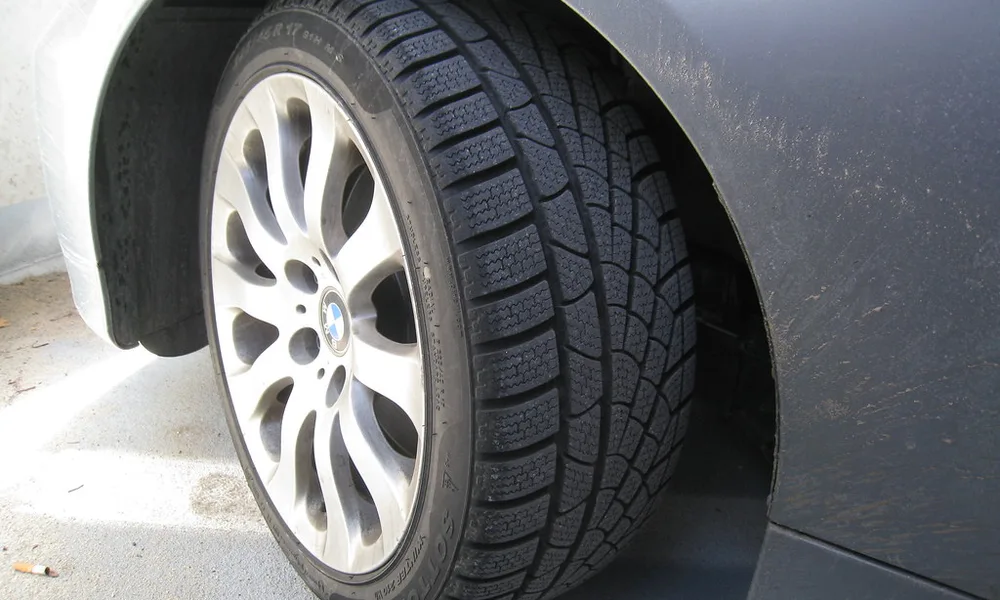
If this guide has one message, it is this: buy winter tyres. A front-wheel-drive sedan on proper winter tyres will out-brake and out-corner a rear-wheel-drive sedan on summer tyres on snow, and the difference is not small. Winter tyres use a softer rubber compound that stays flexible below about seven degrees Celsius, and their tread blocks are cut with hundreds of tiny sipes that bite into snow and ice. On snow, a car on winter tyres can stop in roughly two-thirds of the distance of the same car on summer tyres.
What to Buy Instead
If you need a sedan for winter, buy the opposite of the cars on this list: all-wheel drive, good ground clearance for a sedan, fast heating, and a heated windscreen. The best winter sedans balance grip, visibility, comfort, and running costs instead of chasing one extreme, and they start first time on the coldest morning. A front-wheel-drive sedan with winter tyres will handle the vast majority of winter driving, including snow-covered hills, and it is lighter and cheaper to run than an all-wheel-drive equivalent. The summer picture is different again, as our guide to the best sedans for summer driving shows.
Winter Driving Checklist: Before You Set Off
- Fit proper winter tyres, and check the pressures monthly, always when the tyres are cold.
- Clear all snow from the roof, bonnet, windows, and lights, not just a small patch on the windscreen.
- Check that the heater, heated windscreen, heated seats, and rear demister all work before the first frost.
- Carry a shovel, a torch, a blanket, a phone charger, and a bag of grit or cat litter for traction.
- Keep the fuel tank or battery at least half full, so you are never stranded by a closed road or a long delay.
- Plan your route on gritted main roads, allow twice the usual time, and tell someone where you are going.
Frequently Asked Questions
Can winter tyres fix a rear-wheel-drive sedan?
Winter tyres help a lot, and they transform braking and cornering, but they cannot fix the basic problem: too little weight over the driven wheels and too much torque for ice.
Is a front-wheel-drive sedan good enough for winter?
Yes, for most drivers on gritted roads. A front-wheel-drive sedan carries its engine over its driven wheels, which gives those wheels useful extra weight and grip in snow, and fitted with winter tyres it will handle the vast majority of winter driving.
Why do electric sedans lose range in winter?
Cold batteries hold less charge, the heater is electric, and the car uses energy to keep the battery warm. In sub-zero temperatures, an electric sedan can lose a third of its range, so plan charging stops carefully and pre-heat the car while it is still plugged in.
How much ground clearance does a sedan need for snow?
For light snow on gritted roads, about 140 mm is enough. For deep, unploughed snow, no sedan has enough clearance, and a taller car is the honest answer. If you regularly drive unploughed lanes, do not buy a low sedan.
Should I carry snow chains if I have winter tyres?
Yes, if you drive in mountains or in places where chains are required by law. Winter tyres are better for everyday driving, but chains are the only answer in very deep snow or on steep, icy mountain roads.
What is the most important winter feature after tyres?
Fast heating and a heated windscreen, because they decide whether you can see clearly and drive comfortably on a freezing morning. All-wheel drive helps you move off, but it does nothing to help you stop, so braking and stability systems matter just as much.
Bottom Line
The worst sedans for winter driving in 2026 are the rear-wheel-drive Dodge Charger and Chrysler 300, the underpowered Nissan Sentra, the slow-heating Chevrolet Malibu, the easily beached Hyundai Elantra, and the range-losing Tesla Model 3 with rear-wheel drive. If winter is a regular part of your driving year, avoid them, buy all-wheel drive instead, and fit proper winter tyres.