
A good sweater should be the warmest, softest thing you own, but for most people it disappoints fastest. It pills under the arms after a month, shrinks a size in the wash, or itches so much at the neck that it ends up at the back of a drawer. None of that is bad luck. A sweater that pills, shrinks or itches is telling you something specific about its fibres and its knit, and once you can read those signs you can avoid the problem.
The sweater market in 2026 is full of traps. Labels say “cashmere blend” when the cashmere content is 5 percent, and “wool” when the fibre is mostly acrylic. Prices range from fifteen dollars to five hundred, and price alone is a poor guide: some expensive sweaters pill badly, while some modest ones last for years. This guide explains which fibres pill, shrink and itch, how to test a knit in the shop, and how to care for a sweater.
Key Takeaways
- Fibre content decides pilling, shrinkage and itch: long, tightly spun natural fibres perform best, short loose synthetics pill fastest.
- Acrylic is the biggest pilling culprit; merino, cashmere and tightly spun cotton resist pills far better.
- Test the knit before you buy: a tight, even knit holds its shape and pills less.
- Most shrinkage comes from heat and agitation, not water: wash cold, on gentle, and dry flat.
- Itch usually comes from coarse wool fibres, not wool itself: fine merino and cashmere rarely itch.
Why Sweaters Pill, Shrink and Itch
Pilling, shrinking and itching share one cause: fibre quality. Pilling happens when short fibres work loose from the yarn and tangle into hard little balls. Long fibres stay locked in the yarn while short fibres escape, and friction from your arms and bag strap keeps making more.
Shrinkage is a different mechanism. Wool fibres are covered in tiny scales that lock together when heated and agitated, a process called felting, and the sweater contracts, sometimes by a whole size. Cotton shrinks differently, losing length rather than width. Acrylic barely shrinks at all, which sounds like an advantage until you remember that it pills.
Itching is the most misunderstood of the three. Wool does not usually itch because you are allergic to it. It itches because coarse fibres, thicker than about 30 microns, bend against the skin and trigger nerve endings. Fine fibres bend softly, which is why fine merino can feel like silk while coarse lambswool feels like sandpaper.
Reading the Label: What the Fibre Content Really Means
The fibre label is the most honest thing on a sweater. Fibres are listed in order of weight, so the first fibre named is the one there is most of. A label that reads “70% acrylic, 20% wool, 10% cashmere” is an acrylic sweater, not a wool sweater.
Wool: Merino, Lambswool and Everything Else
Not all wool is equal. Merino, with fibres around 18–22 microns, is the gold standard for everyday sweaters: soft, warm without bulk, and naturally resistant to odour. It costs more, but a merino sweater is the one most likely to still look good in five years. Lambswool is softer than ordinary wool but coarser than merino. Ordinary wool can be anything from decent to very coarse, and it is the fibre most likely to itch.
Alpaca is warmer, softer and almost never itches, because its fibres are hollow and smooth rather than scaly, which also means it pills less. The trade-off is that alpaca stretches more easily, so a pure alpaca sweater can grow a size if hung rather than folded. A blend with wool or nylon gives you the softness with more structure.
Cashmere, Cotton and the Synthetics
Cashmere is the fibre most people overpay for. Good cashmere has long fibres, usually 34–36mm or more, spun tightly into a dense yarn. Cheap cashmere uses short fibres that pill within weeks, which is why a $50 cashmere sweater is often worse than a $50 merino one. Two-ply cashmere with long fibres is worth paying for.
Cotton sweaters are the safe, easy option: they do not itch, they wash easily, and they are usually affordable. Their weakness is warmth for weight, since cotton holds little heat when damp, and a tendency to go baggy at the elbows. Acrylic is cheap and colourfast, but it is the worst fibre for pilling. Nylon, usually 10–30 percent, strengthens the yarn and reduces pilling, and a wool-nylon blend is one of the most durable combinations you can buy.

The Knit Matters as Much as the Fibre
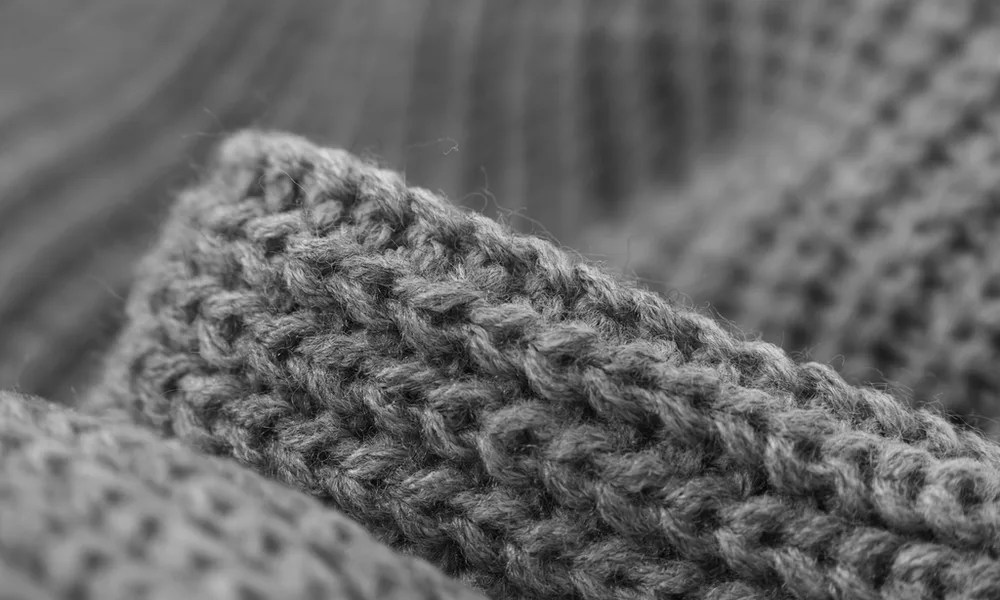
A sweater made from wonderful fibre can still fail if the knit is poor, and a sweater made from modest fibre can last years if the knit is tight and even. Hold the sweater up to a light: a tight, even knit lets very little light through, while a loose knit shows gaps that will stretch, snag and pill first. Stretch a section gently and let go. A good knit springs back immediately.
Fine-gauge knits feel smooth and drape neatly, which suits office wear and layering. Chunky knits feel cosy, but they catch on everything and need a tighter spin to avoid pilling. Cable knits hide pilling better than plain stocking stitch. Ribbed cuffs and hems should be firm: pinch one and let go, and it should snap back, not sag.
Sweater Types Compared
There is no single best sweater, only the best sweater for how you live. A chunky cable knit is wonderful by a fire and useless under a fitted jacket, while a fine merino crew neck layers under everything.
| Type | Best fibre | Warmth | Pilling risk | Best for |
|---|---|---|---|---|
| Fine merino crew | Merino wool | High | Low | Layering, office |
| Chunky cable knit | Wool blend | Very high | Medium | Cold weekends |
| Cashmere crew | Cashmere, 2-ply | High | Medium | Smart occasions |
| Cotton crew | Combed cotton | Medium | Low | Everyday wear |
| Acrylic jumper | Acrylic blend | Medium | High | Budget wear |
| Turtleneck | Merino or cashmere | Very high | Low | Very cold days |
The pattern is clear. Fine, tightly spun natural fibres cost more and perform better, while loose, cheap synthetics cost less and pill more. The best value for most people is a fine merino crew neck: warm, durable and easy to layer. Three good sweaters that fit your life beat ten cheap ones that do not.
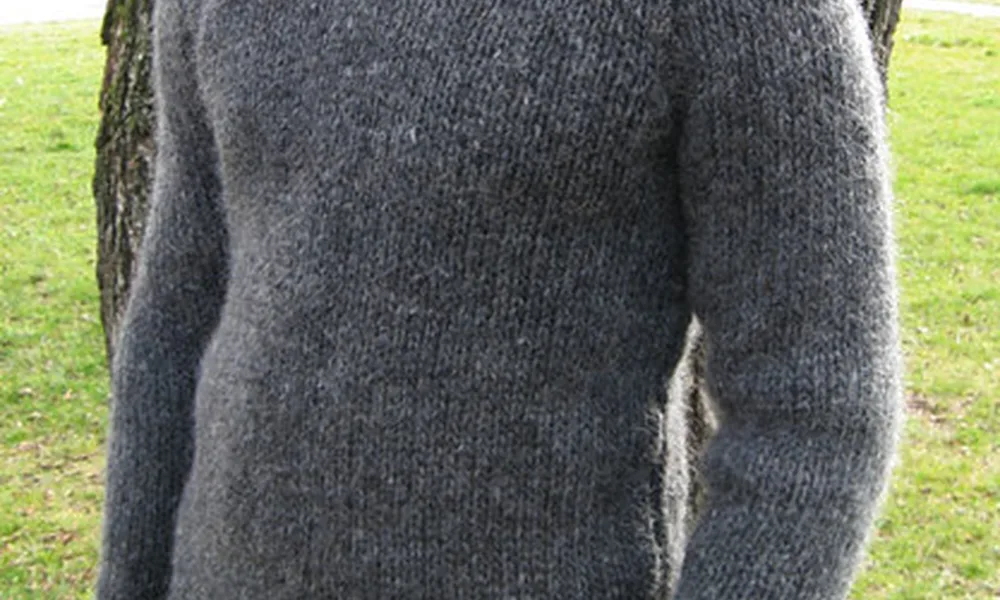
How to Try On a Sweater Properly
Most people try on a sweater the way they try on a T-shirt, which is a mistake. Start with the neck. Wear it for a full minute, moving your head and shoulders. If it itches in the shop, it will itch at home, and no amount of washing will fix coarse fibres.
Next, check the fit with your arms. Raise them above your head and then let them fall. The hem should stay roughly where it started, and the shoulders should not pull across your chest. Sit down in it, because a hem that rides up when seated will annoy you every day. Sleeves should reach your wrist bone, and a slightly loose sweater is usually more comfortable than a tight one.
Finally, look at yourself from the side and the back. A good sweater drapes in a straight line from shoulder to hem, and the hem should hang level all the way around. If you plan to wear the sweater under a coat, try it with the coat on: a chunky knit under a fitted coat will bunch at the shoulders. For layering, a fine merino layer under a heavier sweater is warmer than one very thick sweater, and the best wool socks use the same principle: fine, dense wool close to the skin keeps you warmer than a single bulky layer.
Caring for a Sweater So It Lasts
A good sweater can last a decade, but only if you treat it gently. The single biggest mistake is washing too often and too hot. Wool does not need washing after every wear: it resists odour naturally, and airing a sweater overnight is usually enough. When you do wash, use cold water and a wool detergent. Turn the sweater inside out, and never use fabric softener on wool.
Drying is where most sweaters die. Never hang a wet sweater, because the weight of the water stretches the knit, and never tumble dry wool, because heat and tumbling felt it. Instead, roll the sweater in a clean towel to press the water out, then lay it flat and reshape it gently. Fold sweaters for storage, never hang them, because hangers leave shoulder bumps. Cedar blocks or lavender sachets keep moths away.
Pilling is not a death sentence. A sweater that pills in its first weeks is shedding loose surface fibres, and once those are gone the pilling usually slows. Remove pills with a fabric shaver, and never pull pills off by hand. A sweater should never go in the dryer, so the better tool is a lint roller used lightly between wears, and the best vs worst lint rollers comparison shows which ones pick up pills without damaging the knit. Dryer balls help with other laundry, but not sweaters.
Sweater Buying Checklist
- Read the fibre label first: the first fibre listed is the one there is most of.
- Hold the knit up to light: a tight, even knit pills less and holds its shape longer.
- Stretch and release a section: it should spring back immediately, not stay stretched.
- Wear it for a full minute: any itch at the neck in the shop will not improve at home.
- Check the cuffs and hem: look for firm ribbing that snaps back and a level hem.
- Plan the care before you buy: if you will not hand wash or dry flat, choose cotton or washable wool.
Frequently Asked Questions
Why does my sweater pill so much?
Pilling comes from short, loose fibres escaping the yarn, and acrylic and short-fibre cashmere are the worst offenders. Tightly spun, long-fibre yarns in merino or combed cotton pill far less. Remove pills with a fabric shaver, wash inside out on cold and gentle, and avoid friction from bag straps.
How do I stop a sweater from shrinking?
Shrinkage in wool comes from heat and agitation felting the fibres together, so wash cold, on gentle or by hand, and always dry flat. Never tumble dry a wool sweater and never hang it wet. Cotton sweaters shrink mostly in length, so buy slightly long.
Why does wool itch, and can I avoid it?
Wool itches when coarse fibres thicker than about 30 microns bend against the skin. Fine merino at 18–22 microns, cashmere and alpaca rarely itch, while coarse lambswool and ordinary wool often do. Try a sweater on for a full minute before buying.
Is cashmere worth the money?
Good cashmere is worth it: long-fibre, two-ply cashmere is softer, warmer and longer-lasting than any other fibre at the same weight. Cheap cashmere is not worth it, because short fibres pill within weeks. If the price looks too good for cashmere, it usually is.
Can I put a sweater in the washing machine?
Yes, if the label allows it and you use cold water, a gentle or wool cycle, and a mesh laundry bag. Turn the sweater inside out and use a wool detergent. Never use a hot cycle or fabric softener on wool, and never put a wool sweater in the dryer. When in doubt, hand wash.
How should I store sweaters?
Always fold sweaters, never hang them, because hangers stretch the shoulders and neck out of shape. Store them clean, in a cool dry place, with cedar blocks or lavender sachets to deter moths.
The Bottom Line
A sweater that does not pill, shrink or itch is not a matter of luck or a big budget. It is a matter of choosing long, tightly spun fibres, checking the knit before you buy, and caring for the sweater gently. A fine merino crew neck is the best starting point: warm, soft, durable and easy to layer. Buy fewer, better sweaters, wash cold and dry flat.


