
Best Hatchbacks for Autumn Driving 2026
The best hatchbacks for autumn driving in 2026 are the small cars that stay sure-footed when the road turns treacherous in ways no other season manages: a carpet of wet leaves over a hidden bend, thick fog at seven in the morning, a deer stepping out of the dark at dusk, and rain that never quite stops. A good autumn hatchback grips on leaf mulch where other cars slide, clears a misted windscreen before you reach the end of the street, and lights a dark country lane far ahead. The best hatchbacks for autumn driving are judged on exactly that: wet-leaf grip, fog and low-sun visibility, headlight reach, damp-morning demisting, and calm behaviour when the light fades early.
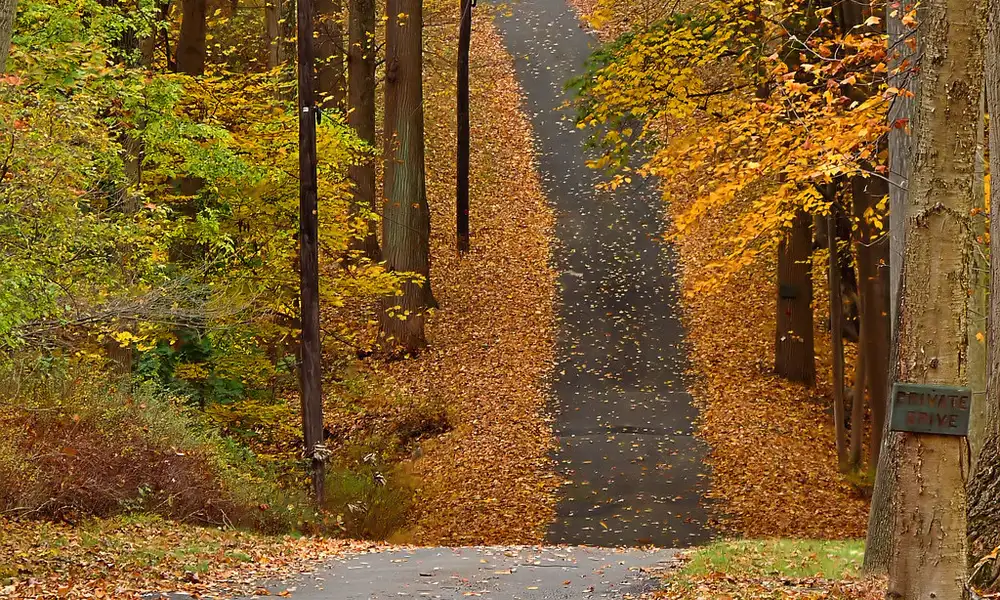
Autumn is the most deceptive season for a driver. The roads look clear and the temperature is mild, yet the grip on a leaf-covered bend can be as low as on ice. Leaves trap water against the tarmac, rot into slippery mulch, and hide potholes, drains and white lines. The best hatchbacks for summer driving are chosen for cooling power and heat, but autumn winners are chosen for grip, light and visibility, and the cars below are the ones that pass the autumn test.
Key Takeaways
- Wet-leaf grip is the most important autumn trait: good tyres and a composed chassis matter more here than horsepower.
- Strong headlights and quick demisting decide how safe a hatchback feels in the dark.
- Good visibility and driver assistance that works in poor light matter more in autumn than on a clear day.
- Leaf-clogged drains cause damp cabins and misted glass, so a car that is easy to keep clear wins.
- Hybrids shine in autumn traffic, using little fuel in slow, wet queues.
What Autumn Really Demands From a Hatchback
Autumn tests grip first. Fallen leaves look harmless, but a wet layer of them on tarmac is one of the slipperiest surfaces a driver will meet all year, and it arrives without warning on bends, at junctions and on downhill approaches. A hatchback with well-chosen tyres and a calm traction system keeps its composure where a powerful car spins its wheels. Braking distances grow, so strong, predictable brakes are worth more than extra power.
The second test is visibility. Fog rolls in on still mornings, low sun blinds drivers on the evening commute, and the clocks going back means the drive home happens in darkness. Good headlights, preferably adaptive LEDs that bend into corners and dip automatically, turn a stressful drive into an ordinary one. Fast demisting matters just as much: a windscreen that clears in a minute beats one that leaves you peering through a smeared patch for the first ten minutes.

The third test is wildlife. October and November are the peak months for deer on the roads, and the danger hours are dawn and dusk, exactly when commuters are driving. A hatchback with a high seating position, a wide windscreen and automatic emergency braking that can spot an animal in the dark gives its driver a real advantage.
The fourth test is water. Autumn rain is persistent rather than dramatic, and it finds every weakness: worn wipers that smear, drains blocked by leaves, and seals that let damp into the cabin. A damp cabin mists the glass from the inside, so check the scuttle panel under the windscreen: if it is full of leaves, the car will mist up no matter how good the demister is.
The Best Hatchbacks for Autumn Driving of 2026 at a Glance
| Hatchback | Best for | Boot space | Fuel economy | Why it wins |
|---|---|---|---|---|
| Toyota Corolla Hybrid | Overall autumn driving | 361 litres | Over 60 mpg | Grip, economy and calm in the wet |
| Honda Civic e:HEV | Long dark commutes | 410 litres | Over 55 mpg | Best headlights and motorway calm |
| Volkswagen Golf | All-round ability | 381 litres | Over 50 mpg | Polished, sure-footed and practical |
| Mazda3 | Drivers | 351 litres | Over 45 mpg | Sharp handling on slippery bends |
| Hyundai i30 | Value | 395 litres | Over 50 mpg | Big boot, strong kit, low price |
| Skoda Fabia | Small-car buyers | 380 litres | Over 55 mpg | Clever space and easy visibility |
The Best Hatchbacks for Autumn Driving in 2026
1. Toyota Corolla Hybrid: Best Hatchback for Autumn Driving Overall
The Corolla Hybrid is the best hatchback for autumn driving in 2026 because it does everything the season asks for without fuss. Its hybrid system delivers smooth, gentle torque that never overwhelms the tyres on wet leaves, and its traction control is calm rather than panicky. Fuel economy stays above 60 miles per gallon even in slow, wet traffic. The headlights are strong, the wipers are effective, and the safety systems work well in poor light. It is not the most exciting car here, but it is the one that makes an autumn commute feel ordinary, and that is the highest praise this season offers.
2. Honda Civic e:HEV: Best Hatchback for Autumn Driving for Long Dark Commutes
The Civic e:HEV is the long-distance autumn pick. Its LED headlights throw a wide, even beam that picks out deer at the roadside and reads wet tarmac clearly, and its adaptive high beam dips politely for oncoming cars. The ride is settled over leaf-covered bumps, the seats are the most comfortable in this group on a two-hour drive, and the hybrid system is quiet enough that you hear the rain rather than the engine. If your autumn means dark motorway miles, this is the hatchback to choose.
3. Volkswagen Golf: Best Hatchback for Autumn Driving for All-Round Ability
The Golf is the polished all-rounder, and autumn suits it. Its chassis feels planted on greasy bends, its brakes are strong and easy to judge, and its cabin is quiet enough that a long wet drive does not wear you down. The matrix LED headlights available on higher trims are among the best in the class, carving light around other cars while keeping the verges lit. The 381-litre boot is a useful size, and the rear seats fold flat for bulky autumn loads.
4. Mazda3: Best Hatchback for Autumn Driving for Drivers
The Mazda3 is the driver’s autumn choice. Its steering tells you exactly how much grip the front tyres have, which matters more on wet leaves than on any dry road, and its chassis stays balanced when the surface changes mid-corner. The 351-litre boot is smaller than the leaders, and the rear seats are tighter, so it suits couples better than families. But if you enjoy driving and want a hatchback that talks to you when the road gets slippery, this is the one.
5. Hyundai i30: Best Hatchback for Autumn Driving for Value
The i30 is the value pick that refuses to feel cheap. It comes with a big 395-litre boot, a long warranty, and generous standard kit that includes the driver assistance and lighting features other makers charge extra for. Fuel economy clears 50 miles per gallon in mixed driving, and the cabin is roomy for four adults. It is not as polished as the Golf or as sharp as the Mazda3, but it gives you nearly everything the autumn asks for at a price that leaves money in your pocket.
6. Skoda Fabia: Best Hatchback for Autumn Driving for Small-Car Buyers
The Fabia proves that a small hatchback can be a serious autumn car. Its tall glasshouse gives excellent visibility in fog and low sun, its 380-litre boot is remarkable for the class, and its light weight means it stops well on slippery surfaces. It lacks the hybrid options of the bigger cars, and its headlights are merely good rather than great, but for town driving and short commutes through the leaf-fall months, it is hard to beat.

How to Choose the Right Autumn Hatchback for You
Start with tyres. The best autumn hatchback on worn summer tyres is worse than an ordinary one on fresh rubber, because wet leaves punish bald tread more than any other surface. Budget for a set of good all-season tyres, and check the lights at dusk: a clean, wide, even beam matters more than the badge on the grille.
Next, test the demister. On a cold damp morning, time how long the windscreen takes to clear, and check whether the rear screen and mirrors heat up too. The best hatchbacks for winter driving are judged on heating and traction in snow, a harsher test than autumn, but the cars that pass it usually pass this one too.
Finally, think about where you drive. Country lanes with deer and leaf-covered bends reward good headlights and calm handling. Town driving rewards a small footprint, quick demisting and a heater that warms up fast in stop-start traffic. The best hatchbacks for spring driving are judged on wet grip and wipers too, but autumn adds the dark evenings and the deer, and those change the answer.
Running costs matter as well. Hybrids save the most in slow autumn traffic, where a petrol engine idles while the electric motor does the work, and cars with strong safety systems often sit in lower insurance groups.
Autumn Hatchback Checklist
- Check tyre tread depth and fit good all-season tyres before the leaves fall.
- Test the headlights at dusk and clean the lenses, which cloud over in autumn grime.
- Clear leaves from the scuttle panel and drains under the windscreen every week.
- Time the demister on a cold damp morning and replace a weak cabin filter.
- Check the wipers and top up the screenwash with a mix that cuts road film.
- Slow down at dawn and dusk in deer country and watch the hedgerows, not just the road.
Frequently Asked Questions
What makes a hatchback good for autumn driving?
Wet-leaf grip, strong headlights, fast demisting and calm handling in the dark. A good autumn hatchback grips on slippery bends, clears its glass quickly on damp mornings and lights the road far ahead, while staying cheap to run in slow traffic.
Do I need all-wheel drive for autumn?
Not usually. All-wheel drive helps a hatchback move off on leaf mulch, but it does nothing to help it stop, and good tyres matter far more. A front-wheel-drive hatchback on fresh all-season tyres will out-brake an all-wheel-drive car on worn rubber.
Are wet leaves really as slippery as ice?
They can be. A wet layer of leaves on tarmac can drop grip to levels close to ice, especially on bends and downhill approaches, and it arrives without warning. Slow down before leaf-covered corners rather than braking on them.
Why does my windscreen mist up more in autumn?
Cold damp air and wet leaves bring moisture into the cabin, and a blocked scuttle drain makes it worse. Clear the leaves from under the windscreen, run the air conditioning to dry the air, and replace a clogged cabin filter.
When are deer most dangerous for drivers?
October and November are the peak months, and dawn and dusk are the peak hours. Deer are most active when the light is fading, which is exactly when commuters are on the road, so slow down near woods and fields.
Should I change my tyres for autumn?
You do not need winter tyres for autumn, but you do need good ones. A set of all-season tyres with plenty of tread is the best autumn choice, and it will carry you through the first frosts as well.
The Bottom Line
The best hatchback for autumn driving in 2026 is the Toyota Corolla Hybrid, because it grips on wet leaves, sips fuel in slow traffic and clears its glass fast on damp mornings. The Honda Civic e:HEV is the pick for long dark commutes, the Volkswagen Golf is the best all-rounder, and the Skoda Fabia proves a small car can handle the season. Whatever you choose, fit good tyres, clear the leaves from the drains, and slow down when the light fades. Autumn rewards the careful driver more than any other season.


