
Beanies Worth Wearing All Winter in 2026
The best beanies in 2026 are the ones you reach for without thinking, on the coldest morning and the mildest one. A good beanie keeps your ears warm, stays put in the wind, and looks like it belongs with the rest of your coat, not like an afterthought you grabbed from a drawer.
Beanies look simple, which is why they are easy to buy badly. This guide picks the beanies that earn that trust, from everyday ribbed wool to fleece-lined technical hats for the mountains.
Key takeaways
- Wool and wool blends are the warmest beanie fibres, staying warm even when damp, while acrylic is cheaper, softer and easier to wash.
- A folded cuff adds a double layer over your ears, which is where most of a beanie’s warmth actually comes from.
- Fit matters more than brand: the beanie should cover your ears fully without pressing on your forehead or sliding up.
- Chunky knits are warmest in dry cold.
- Own two beanies, not one: a smart neutral for everyday wear and a thicker one for the coldest days
How we judged the best beanies
Every beanie here was judged on the same five points. First, warmth: how long do your ears and head stay comfortable standing still in cold wind? Second, wind resistance: does a gust cut straight through the knit, or does the hat hold its warm air? Third, comfort: does it itch, press on the forehead, or slip up over the ears after an hour? Fourth, fit and looks: does it sit naturally, cover the ears, and work with a coat rather than against it? Fifth, care and durability: does it keep its shape after washing, and does it pill or stretch out of shape by midwinter?
A beanie earns a recommendation only when it passes warmth and comfort together.
The best beanies at a glance
| Beanie | Best for | Warmth | Wind resistance | Approx. price |
|---|---|---|---|---|
| Classic ribbed wool beanie | Everyday winter wear | High | Good | $30–$60 |
| Chunky knit beanie | Deep cold, dry days | Very high | Fair | $35–$70 |
| Double-layer cuff beanie | Windy commutes | High | Excellent | $25–$55 |
| Cashmere beanie | Smart, soft warmth | High | Good | $80–$150 |
| Technical fleece-lined beanie | Skiing and outdoors | Very high | Excellent | $40–$80 |
| Slouchy beanie | Relaxed everyday style | Medium | Fair | $25–$50 |
| Budget acrylic beanie | Mild cold, spares | Medium | Fair | $10–$20 |
The 7 best beanies for winter 2026
1. Best overall: the classic ribbed wool beanie
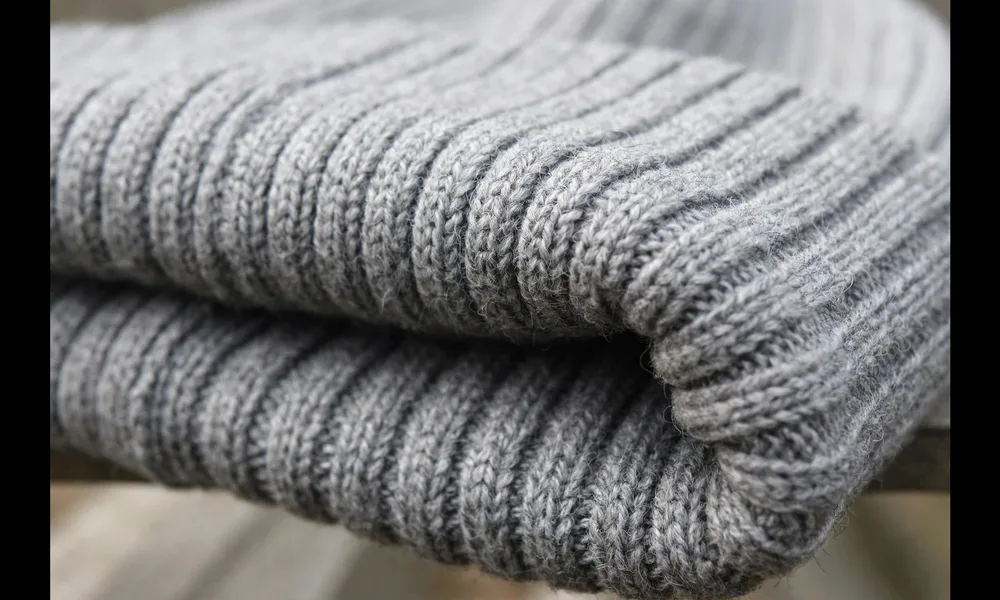
The classic ribbed wool beanie is the best all-round winter hat because it does everything well and nothing badly. Ribbed wool stretches to fit, springs back to shape, and traps warm air in the ridges of the knit. A folded cuff doubles the layer over your ears, and the plain shape works with any coat, from a parka to a wool overcoat.
2. Best for deep cold: the chunky knit beanie
The chunky knit beanie is the warmest-looking and often the warmest-feeling hat you can buy. Thick yarn and a loose, deep knit trap a lot of warm air, and the generous fit covers the ears and the back of the neck. It is at its best on dry, still, very cold days, when insulation matters more than windproofing.
3. Best for windy days: the double-layer cuff beanie
Wind is the enemy of most beanies, and the double-layer cuff beanie is built to beat it. The folded cuff puts two layers of knit over your ears, and a denser, tighter knit through the body stops gusts from cutting through. Some versions add a thin windproof lining inside the cuff, which makes a real difference on an exposed walk or a bike ride.

4. Best smart pick: the cashmere beanie
A cashmere beanie is the softest hat you will ever wear, and it is warmer than it looks. Cashmere fibres are finer than wool, so they trap warm air in a lighter, thinner knit that sits neatly under a hood and looks right with a smart coat. It never itches, it feels good against the skin all day, and it packs small into a pocket.
5. Best for the outdoors: the technical fleece-lined beanie
The technical fleece-lined beanie is the hat for skiing, hiking and long hours outside. A fleece lining adds a second layer of warmth against the skin, wicks sweat away when you are working hard, and keeps insulating even if it gets damp. The outer knit is usually dense and wind resistant, and the fit is snug enough to stay put under a helmet or a hood. If you are planning a cold-weather trip, our guide to the best ski resorts is worth reading alongside it, because the right resort makes the right kit matter twice as much.
6. Best relaxed pick: the slouchy beanie
The slouchy beanie is the relaxed, easy-wearing hat for mild winter days and for people who hate the feeling of a tight hat. The extra length at the back gives it a casual shape that suits a hoodie or a casual coat, and the looser fit means no pressure on the forehead and no flattened hair. For everyday errands, coffee runs and days when the cold is more of a nuisance than a threat, it is the most comfortable beanie you can wear.
7. Best budget pick: the acrylic beanie
Acrylic beanies are the cheapest way to keep your ears warm, and the best ones are surprisingly good. Modern acrylic is soft, it does not itch, it washes in the machine without shrinking, and it dries fast. It is not as warm as wool in deep cold and it can pill after a season of heavy wear, but at this price you can buy two and rotate them, which solves the drying problem completely.

Materials: wool, cashmere, acrylic and fleece
Wool is the classic beanie fibre for a reason. It traps warm air, breathes well enough to stop your head overheating indoors, and stays warm even when it gets damp in snow or rain. Merino wool is the softest and least itchy, while ordinary sheep’s wool is tougher and cheaper. A wool blend, usually wool mixed with acrylic or nylon, gives you most of wool’s warmth with better shape retention and easier washing, and it is the best choice for most people.
Acrylic is the practical choice: cheap, soft, machine washable and quick drying, though it is less warm in deep cold and can look tired after a season. Fleece is not a knit at all but a lining, and it adds warmth and sweat-wicking to any beanie it lines.
Itching is the most common complaint about wool beanies, and it is usually caused by coarse fibres rather than wool itself. For the rest of your winter layers, our guide to the best hoodies for men covers the mid-layer that sits under your coat, and the same fibre rules apply: wool for warmth, fleece for comfort, and a blend when you want both.
Fit: how a beanie should sit
A beanie should cover your ears completely, sit low enough on your forehead to keep the wind off it, and stay put without pressing. The test is simple: put it on, walk around for a few minutes, and see where it ends up. If it has crept up over your ears, it is too loose or too shallow. If it leaves a red mark on your forehead, it is too tight. The right fit feels like nothing at all, and you forget you are wearing it until you step outside and realise your ears are warm.
Cuffs make the biggest difference to fit and warmth. A folded cuff adds a double layer over the ears, lets you adjust how deep the hat sits, and gives the beanie structure so it holds its shape. A cuffless beanie sits flatter and fits under a hood more easily, but it gives you one layer over your ears instead of two. If you wear glasses, check that the beanie does not push the arms into your head, and if you have a lot of hair, a deeper beanie or a slouchy style will fit better than a shallow one.
Try a beanie on with the coat and scarf you will wear it with, not on its own in front of a mirror. A hat that looks perfect alone can clash with a high collar or a hood, and a beanie that works with your coat is the one you will actually wear every day.
Looking after your beanies so they last
Beanies last for years if you wash them gently and die fast if you do not. Hand wash wool and cashmere beanies in cool water with a little wool wash, press the water out gently without wringing, and dry them flat on a towel so they keep their shape. Never tumble dry a wool beanie: the heat and movement will shrink it into a size that fits nobody. Acrylic beanies can go in the machine on a gentle cycle, but they will last longer if you wash them inside a laundry bag.
Store beanies flat or loosely folded, not stretched over a hook or a ball, because a stretched beanie never quite springs back. And if the cold is drying out your skin as well as your ears, lip balm is the small winter essential that belongs in the same pocket as your beanie, because lips crack in exactly the weather that makes a good beanie necessary.
Before you buy checklist
- Decide your coldest use first: commuting, skiing, dog walking or everyday wear, and buy for that.
- Check the cuff: a folded cuff doubles the layer over your ears, where warmth matters most.
- Try it on and walk around: it should cover your ears fully without pressing on your forehead.
- Feel the knit for itch, and check whether it is merino, cashmere or fleece-lined if your skin is sensitive.
- Hold it up to the light: a dense knit blocks wind better than an open chunky one.
- Buy two if you can, so one is always dry while the other is being washed or dried.
Frequently asked questions
Are wool beanies warmer than acrylic ones?
Yes, in most conditions. Wool traps more warm air and stays warm even when damp, while acrylic is cheaper, softer and easier to wash.
Why does my beanie keep sliding up?
It is either too loose, too shallow, or the knit has stretched out of shape. A ribbed beanie with a folded cuff grips better than a loose slouchy one, and a beanie that is too small will ride up as well.
Do beanies cause hair loss or damage?
No, a beanie does not cause hair loss. It can flatten your hair and build up static, which is annoying but harmless.
How do I wash a wool beanie without shrinking it?
Hand wash it in cool water with wool wash, press the water out without wringing, and dry it flat on a towel.
Should a beanie cover my ears completely?
Yes. Ears lose heat fast because they have little fat to insulate them, and they are the first thing to feel cold and the first to get sore in the wind.
What is the warmest beanie style?
A double-layer, fleece-lined beanie in wool or a wool blend is the warmest practical style,
The bottom line
The best beanies in 2026 are the ones that cover your ears, block the wind, and feel good enough to wear all day, and for most people that is a classic ribbed wool beanie with a folded cuff. A good beanie is the cheapest warmth you will buy all winter, and the one you will wear the most. Put it on before you step outside, not after your ears are already cold, and it will do its job all day.


