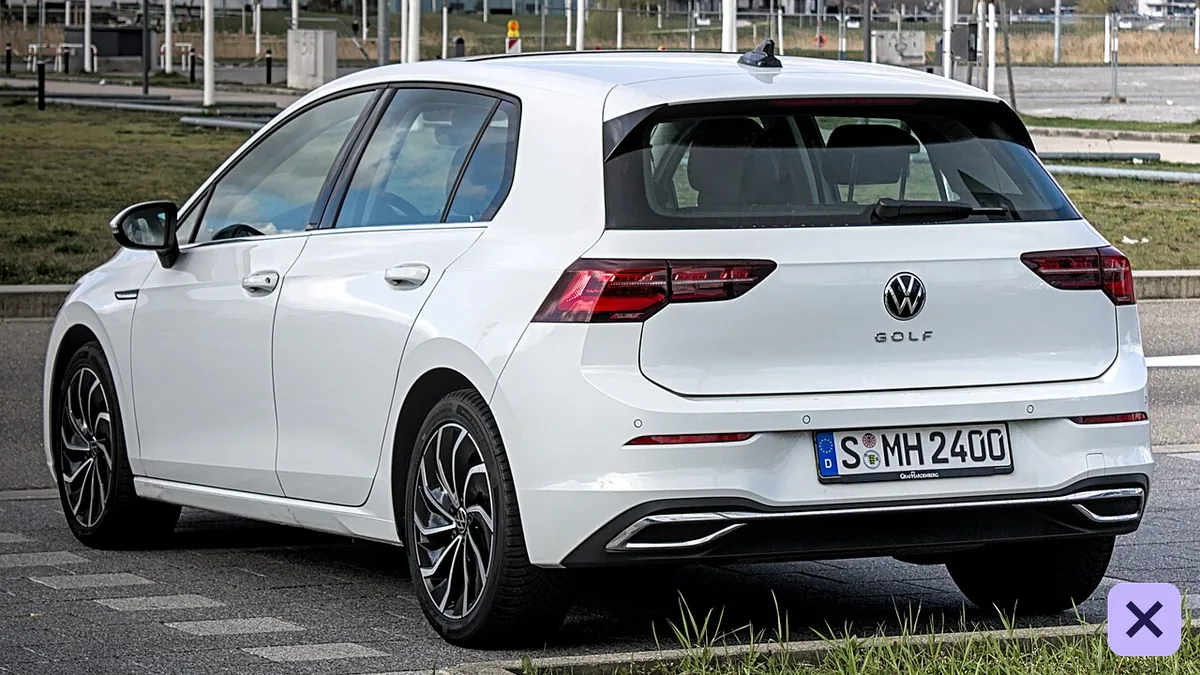
The worst hatchbacks for summer driving in 2026 are not bad cars in every season. They are cars whose weaknesses only show up when the temperature climbs, the traffic stops moving and the holiday luggage comes out. A hatchback that feels cheerful on a cool spring morning can turn into a noisy, sweaty, cramped box on a July motorway. The difference is rarely one big fault, but a pile of small ones: an air conditioner that gives up in a queue, a tiny engine that strains with four people, and a boot that swallows less than promised. This guide ranks the hatchback types that cope worst with summer and shows what to check before you commit to one.
Key takeaways
- Weak air conditioning is the biggest summer failure: if it cannot hold a steady cabin temperature in a traffic jam, nothing else matters.
- Small three-cylinder engines suffer most in summer, because heat, a full load and air conditioning all demand power the engine lacks.
- Dark interiors, glass roofs and poor ventilation turn a parked hatchback into an oven.
- A boot that looks generous empty can fail badly on holiday, once suitcases and beach gear compete for the same space.
- Test a hatchback in summer conditions before you buy: idle it in traffic with the air conditioning on, load it fully, and drive it for an hour.
Why summer exposes hatchbacks more than any other season
Hatchbacks are built around a compromise: a small body, a small engine and a low price. In winter that compromise works, because a small cabin warms up quickly. In summer the same traits turn against the car. A small cabin heats up fast when parked in the sun, and a small engine has no reserve power when the air conditioning compressor, the cooling fan and a full passenger load all ask for more at once. The result is a car that feels slower, louder and hotter than it did in spring.
On a sunny 30-degree day, a parked car’s interior can pass 50 degrees within half an hour, and air conditioning must drag that down by 25 degrees or more while the engine idles. Heat also punishes parts buyers rarely think about: brake fluid boils sooner on descents, tyres wear faster on hot tarmac, and a battery that started easily in April can fail in August. The seasonal contrast is stark, which is why the best hatchbacks for winter driving look so different from the cars ranked here.
The 7 worst hatchback types for summer driving
These rankings cover types of hatchback rather than single models, because the same weaknesses repeat across brands. Older cars and base trims suffer most, and the score rates summer performance out of ten.
1. The budget city hatchback with a 1.0-litre three-cylinder engine
This is the worst summer hatchback type of all, and the most common. A tiny three-cylinder engine suits short city trips in mild weather, but load it with four adults, holiday bags and the air conditioning on full, and it runs out of answers. Overtaking becomes a long, noisy event, and on a steep hill it can lose speed. With the compressor draining power, drivers must choose in traffic: keep cool and crawl, or switch the air conditioning off. Summer score: 3/10.
2. The ageing supermini with tired air conditioning
A supermini that is eight or ten years old can be a bargain, but its air conditioning is the first system to fade. The gas slowly leaks away, the compressor grows noisy, and the vents blow air that is cool rather than cold. In spring you barely notice; in a July traffic jam you notice within minutes. Re-gassing helps for a while, but the leak usually returns, and a full repair can cost more than the car is worth. Seals dry out, radiators clog, and dark interiors absorb heat. For a long holiday drive, an ageing supermini is a gamble. Summer score: 4/10.
3. The sporty hot hatch with a black interior and glass roof
Hot hatches are built for fun, and on a summer evening on an empty road they deliver it. As a family car they are a different story. The typical hot hatch has a black leather interior, a panoramic glass roof and firm sports suspension, and each choice punishes passengers in the heat. The seats are too hot to sit on after parking, the glass roof turns the cabin into a greenhouse, and the stiff ride shakes everyone. A turbocharged engine in traffic generates enormous heat, and the rear seats get the least airflow of all. Summer score: 4/10.
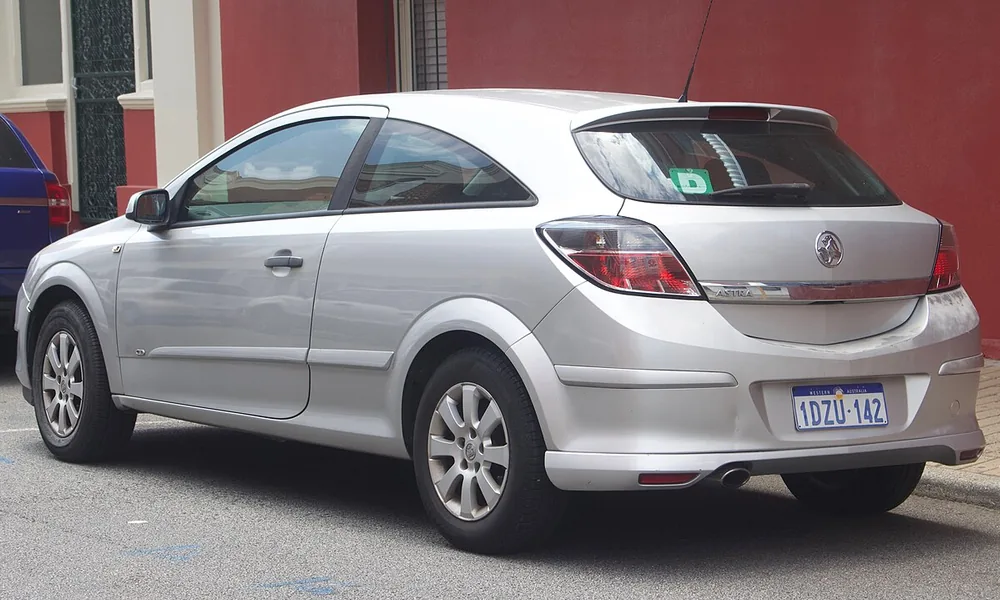
4. The base-trim hatchback with no rear vents and manual air conditioning
Base-trim hatchbacks keep their price down by deleting exactly the features summer demands, above all rear air vents: without them, the back seats rely on whatever cool air drifts back from the front, which in a traffic jam is almost none. Manual air conditioning needs constant adjustment as the sun moves, and thin insulation and basic seats trap heat and sweat. The base trim is fine for a solo commuter, but for a family it is the wrong place to save money. Summer score: 4/10.
5. The cramped three-door hatchback for family holidays
Three-door hatchbacks look stylish, and for a couple they can be enough. For a family summer holiday they are a frustration. Getting a child seat in and out means folding a front seat forward in a hot car park, luggage has to be lifted over a high boot lip, and the rear windows often do not open fully. The boot, already small, loses space to the sloping rear glass, and small fuel tanks mean more stops in the heat. Summer score: 5/10.
6. The small electric hatchback with a heat-sensitive battery
Electric hatchbacks are quiet, smooth and cheap to run, and in mild weather they are excellent city cars. Summer exposes two weaknesses: the air conditioning draws heavily on the driving battery, so range can fall by a fifth on the hottest days, and fast charging slows when the battery is hot, turning a planned twenty-minute stop into a forty-minute wait. Many also use large glass roofs and dark interiors, and their heat pumps are tuned for efficiency rather than speed, so the cabin takes longer to cool after parking. Summer score: 5/10.

7. The tall mini-MPV hatchback with a noisy cabin
Tall mini-MPV hatchbacks promise space and practicality, and they deliver both. What they do not deliver is calm: tall bodies catch the wind, large glass lets in heat and glare, and cabins are noisy at motorway speed. On a long summer drive, that noise is exhausting, and it forces the air conditioning fan higher. These cars also sit high, which means more body roll and more effort to cool a larger volume of air. A tall mini-MPV is sensible around town, but as a summer touring car it is tiring. Summer score: 6/10.
Summer hatchbacks compared: the worst types side by side
The table below puts the seven types together. Air conditioning and engine strain matter most, because they decide whether the car stays cool and keeps moving, while boot space and rear comfort decide whether it works as a holiday car.
| Hatchback type | Air conditioning | Engine strain in heat | Holiday boot space | Summer score |
|---|---|---|---|---|
| Budget 1.0-litre three-cylinder | Weak | Very high | Small | 3/10 |
| Ageing supermini | Fading | Moderate | Small | 4/10 |
| Sporty hot hatch | Strong but noisy | High in traffic | Small | 4/10 |
| Base trim, no rear vents | Front only | Moderate | Average | 4/10 |
| Cramped three-door | Average | Moderate | Very small | 5/10 |
| Small electric hatchback | Slow to cool | Range falls | Average | 5/10 |
| Tall mini-MPV hatchback | Average | Low | Large | 6/10 |
The pattern is clear: the cheapest and the oldest hatchbacks suffer most. Body shape matters too: if you are weighing a hatchback against a saloon, the worst sedans for summer driving show that a bigger body does not automatically solve the heat problem.
What to check before a summer drive in a hatchback
Park the car in direct sun for thirty minutes, then start it with the air conditioning on its coldest setting and time how long the cabin takes to feel comfortable. More than five minutes means a weak system. Then drive in stop-start traffic for twenty minutes: the temperature gauge and vent temperature should stay steady.
Next, load the car the way summer demands: suitcases, beach bags and people, then try a hill start and a motorway overtake. Check the boot with everything in it, not empty, and the rear seats with an adult behind a driver-sized front seat. Small fixes can help: a windscreen sunshade cuts parked cabin temperature sharply, and an air conditioning service before June is money well spent. What no accessory can fix is a car that is too small, too weak or too poorly ventilated. And summer is only half the year: the worst SUVs for winter driving show how the same car can fail in the opposite season.

Summer hatchback checklist: 6 checks before you buy or drive
- Air conditioning test: idle in traffic with the air conditioning on full for twenty minutes and check the vents stay cold.
- Full-load test: load the car with people and luggage, then try a hill start and an overtake.
- Rear-seat check: sit in the back behind a tall driver and confirm there are rear vents and legroom.
- Boot test: pack the actual holiday luggage and confirm it all fits without blocking the rear window.
- Heat-soak test: leave the car parked in the sun for half an hour, then time how long it takes to cool.
- Cooling system check: check the coolant level, the radiator and the service history, and book an air conditioning service before the first heatwave.
Frequently asked questions
Are hatchbacks bad for summer driving in general?
No. A modern hatchback with strong air conditioning, a capable engine and light colours can be an excellent summer car. The worst ones combine a small engine, weak cooling and a dark, cramped cabin.
What is the biggest summer problem for a small hatchback?
Air conditioning is the biggest problem: it decides comfort in traffic and takes power from a small engine at the same time. A hatchback that cannot stay cool in a queue fails the summer test.
Do three-cylinder engines overheat in summer?
They rarely break down from heat, but they do struggle: heat, air conditioning and a full load all demand power, and a small engine has little to spare, so acceleration slows and fuel use climbs.
Is a black interior really a problem in summer?
Yes. A black dashboard and black leather seats absorb heat and can be too hot to touch after parking in the sun. Light interiors and sunshades reduce the effect.
Should I buy a bigger car instead of a hatchback for summer holidays?
Not necessarily. The right hatchback handles a family summer holiday well and is easier to park. The mistake is buying the cheapest hatchback and expecting it to do the work of a larger car.
How can I make my current hatchback better for summer?
Service the air conditioning before June, use a windscreen sunshade when you park, keep the coolant and tyres in good condition, and pack light. Those four steps fix most summer complaints for far less than changing the car.
Bottom line
The worst hatchbacks for summer driving in 2026 ask a small engine, a small cabin and a small budget to do a big summer job, and the budget city hatchback with a 1.0-litre three-cylinder engine is the weakest of them all. Ageing superminis and base-trim cars with no rear vents are close behind. The fix is not to avoid hatchbacks, but to test the right things: air conditioning in traffic, a full load on a hill, rear-seat comfort, and a boot packed with real luggage. A hatchback that passes will carry you through summer happily; one that fails will remind you of the mistake every hot day until autumn.


