The worst minivans for spring driving 2026 are not the oldest vans on the road or the cheapest ones on the used market. They are the big, comfortable, family-first people carriers that feel perfect on a mild dry day and then fall apart, slowly and soggily, once the rain starts, the potholes open up and the pollen count climbs. This guide ranks the worst types of minivan for spring driving, so you can spot the problems before you buy one, or cope with them if you already own one.
Spring is the cruellest season for a tired minivan. A van that coped all winter on grit and habit suddenly faces standing water, greasy roads, low sun through a smeary windscreen and frost-damaged tarmac full of holes. The heating that felt fine in January cannot clear the glass fast enough on a damp April morning, the wipers smear instead of clearing, and the suspension that felt soft in summer now crashes through every pothole. The worst minivans for summer driving fail on cooling and overheating instead, which is a different set of faults entirely.
Key Takeaways
- Worn tyres and weak wipers are the two spring faults that matter most, and both are cheap to check before you buy.
- Slow demisting turns every cold wet morning into a visibility problem, especially with a full cabin.
- Stiff, tired suspension crashes through spring potholes and wakes the whole third row.
- Poor cabin sealing and a clogged pollen filter make spring miserable for allergy sufferers.
- Most of these faults are fixable, but a van that has all of them at once is not worth the asking price.
What Makes a Minivan Bad in Spring
The first fault is grip. Minivans are heavy, and a heavy van on worn tyres is a liability in spring rain. Water sits in the dips and ruts of roads that winter has already damaged, and a tyre with shallow tread cannot shift it fast enough. The result is aquaplaning on the motorway, wheelspin at wet junctions, and braking distances that stretch far beyond what the driver expects. Front-wheel-drive vans suffer most, because the same wheels that steer also have to pull a full load uphill.
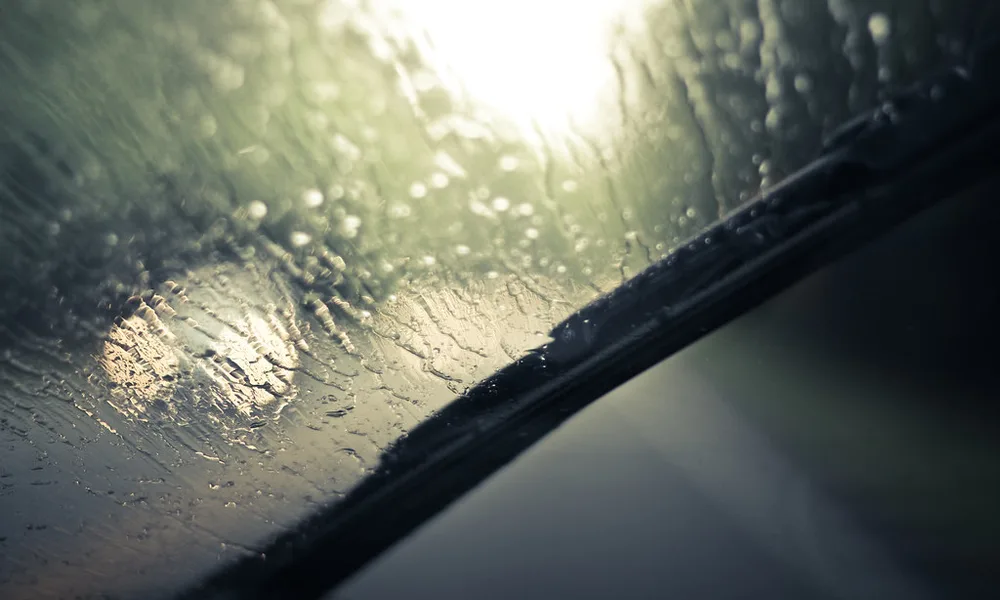
The second fault is visibility. Spring sun sits low in the sky for months, and it shines straight through a windscreen that is smeared on the inside by months of condensation and on the outside by worn wiper blades. Add a slow demister, mirrors that never heat up and a rear window that fogs the moment children climb in, and the driver is effectively peering through frosted glass for the first ten minutes of every journey.
The third fault is the cabin itself. Old minivans have door seals that have gone hard, pollen filters that have never been changed, and heaters that blow lukewarm at best. Spring pollen pours in through the gaps, damp creeps into the carpets, and the smell of a wet van lingers for weeks. None of this stops the van from moving, but it makes every spring journey unpleasant, and it is the kind of slow misery that only shows up after you have bought the van.
How We Ranked the Worst Minivans for Spring Driving 2026
We ranked the worst minivans on the same five spring measures as the best list, but in reverse: wet-weather grip and stability, wiper and demisting speed, ride comfort over potholes and broken surfaces, cabin air filtration and pollen control, and all-round visibility in low sun and rain. The vans at the top of this list fail on several measures at once, not just one, and they are all older designs whose faults have had years to get worse.
Age matters more than brand here. A well-maintained older van on fresh tyres with new wipers can be a perfectly decent spring car, while a neglected one will fail every test. The worst minivans for winter driving are ranked on snow traction and heating instead, so the lists overlap but are not identical: some vans that cope in snow still struggle badly in spring rain.
The 6 Worst Minivans for Spring Driving 2026
1. Dodge Grand Caravan (2011–2020)
The Grand Caravan is the archetypal tired spring minivan. Its suspension was soft when new and is usually worn out by now, so it crashes through potholes and wallows over wet cambers. The wipers are small for such a huge windscreen, the demister is slow, and the cabin seals let in draughts and damp. It is cheap to buy and easy to fix, but in spring rain it feels its age on every journey. Buy one only with fresh tyres, new wipers and proof the suspension has been overhauled.
2. Nissan Quest (2011–2017)
The Quest was an odd-looking van even when it was new, and time has not been kind to it. Its continuously variable transmission drones under load, which makes wet hill starts feel worse than they are, and its wipers and washers were never strong enough for a screen this wide. The ride is firm over broken tarmac, the third row is cramped, and parts are getting harder to find. In spring, when every journey involves rain and rough roads, the Quest feels like a van that gave up years ago.
3. Chrysler Town & Country (older models)
Older Town & Country models are comfortable on a dry motorway and miserable in spring rain. The electric sliding doors stick when the seals swell with damp, the heater takes an age to clear the glass, and the big flat windscreen turns low sun into a white sheet. Suspension bushes wear out and go unnoticed until the van starts thumping through potholes, and the cabin filter is often buried so deep that owners never change it. It is a van that rewards a dry climate and punishes a wet spring.

4. Mazda Mazda5
The Mazda5 is smaller and lighter than the vans above, which sounds like an advantage until spring arrives. Its low ground clearance means it grounds out on the worst potholes and floods, its tyres are narrow and wear quickly, and the cabin is noisy enough that rain on the roof drowns out conversation. The sliding doors are handy, but the rear visibility is poor in spray, and the heater struggles to clear the glass with six people breathing inside. It is a cheerful little van in summer and a tiring one in April.
5. Ford Transit Connect (older models)
Older Transit Connects were built as working vans first and family cars second, and spring exposes the compromise. The ride is stiff and unladen, so it skips and crashes over potholes, the wipers are commercial-grade but the washers are weak, and the huge slab sides catch crosswinds on exposed wet roads. The cabin is draughty, the pollen filter is an afterthought, and road noise at motorway speed is wearing. It will carry anything you can fit through the doors, but it will not do it quietly or comfortably in the rain.
6. Kia Sedona (pre-2022 models)
The pre-2022 Sedona is a big, honest van with a soft ride, but its spring weaknesses are well known. The front-wheel-drive chassis spins its wheels on wet hills when fully loaded, the demister is slow to clear the deep windscreen, and the wipers leave a smeared arc right in the driver’s eyeline. Cabin sealing was never its strong point, so damp and pollen find their way in, and the fuel economy is poor on the short cold trips that make up most spring driving. The newer Carnival fixed most of this, which only makes the old Sedona look worse.
Worst Minivans for Spring Driving 2026 Compared
| Minivan | Wet grip | Wipers and demisting | Pothole ride | Cabin air | Main spring fault |
|---|---|---|---|---|---|
| Dodge Grand Caravan | Poor | Poor | Poor | Poor | Worn suspension |
| Nissan Quest | Poor | Poor | Fair | Fair | Weak wipers |
| Chrysler Town & Country | Fair | Poor | Fair | Poor | Slow demisting |
| Mazda Mazda5 | Fair | Fair | Poor | Fair | Low clearance |
| Ford Transit Connect | Fair | Fair | Poor | Poor | Stiff ride |
| Kia Sedona (pre-2022) | Poor | Poor | Fair | Poor | Wheelspin in rain |
How to Cope If You Already Own One of These
Start with the cheap fixes, because they make the biggest difference. Four good tyres with deep tread will transform any of these vans in the rain, and a set of new wiper blades plus a bottle of decent screenwash costs less than a family takeaway. Replace the cabin pollen filter, clean the inside of the windscreen until it squeaks, and check the door seals for splits that let in water.
Then look at the suspension. Worn dampers and bushes are the reason most of these vans crash through potholes, and replacing them is cheaper than replacing the van. Slow down for standing water, leave a bigger gap in the rain, and keep a towel and a dry bag in the boot for wet coats. The worst minivans for city driving share many of these faults, and the coping advice there applies just as well on a wet spring school run.
Spring Driving Checklist for Minivan Owners
- Check all four tyres for tread depth and damage, and set pressures for a full family load.
- Fit fresh wiper blades and top up the washer fluid with a screenwash that cuts spring grime.
- Replace the cabin pollen filter so hay-fever season does not hit the whole family at once.
- Clean the inside of the windscreen properly, so low spring sun does not turn smears into glare.
- Test the demister, heated mirrors and rear screen heater before the first cold wet morning.
- Pack a towel, a spare bag and a small umbrella by the sliding door for muddy boots and sudden showers.
Frequently Asked Questions
What is the worst minivan for spring driving in 2026?
The Dodge Grand Caravan is the worst overall, because it combines worn suspension, weak wipers, slow demisting and poor cabin sealing. A well-maintained example on fresh tyres is far better, but most used ones have had none of that work done.
Are big minivans bad in the rain?
Not by themselves. Weight actually helps stability, but only if the tyres are good. A heavy van on worn tyres is worse in the rain than a light van on fresh ones, so check the rubber before you blame the size.
Why do old minivans use so much fuel in spring?
Short cold trips are the worst case for fuel economy: the engine never warms up, the heater runs flat out and the demister keeps the air conditioning working. Older vans with big petrol engines suffer most, especially on school runs.
How do I stop my windscreen misting up in spring?
Use the air conditioning with the heater, even on cold mornings, and point the vents at the screen. Clean glass mists less, so wipe the inside of the windscreen regularly and keep wet coats and boots out of the footwells when you can.
Why do potholes get worse in spring?
Water seeps into cracks, freezes overnight and expands, then traffic breaks the weakened surface apart. By March the damage from the whole winter is at its worst, which is why spring is the season to slow down and scan the road ahead.
Should I avoid buying an old minivan in spring?
Not necessarily, but buy with your eyes open. Check the tyres, wipers, suspension and door seals, and budget for a new pollen filter and a suspension check. A cheap van that needs a thousand pounds of spring work is not a bargain.
The Bottom Line
The worst minivans for spring driving in 2026 are the older, tired designs that combine worn suspension, weak wipers, slow demisters and leaky cabins, and the Dodge Grand Caravan is the worst of the lot. If you already own one, fresh tyres, new wipers and a new pollen filter will fix most of the misery. If you are buying, spend the money on a newer van instead, and let someone else pay for the spring repairs.