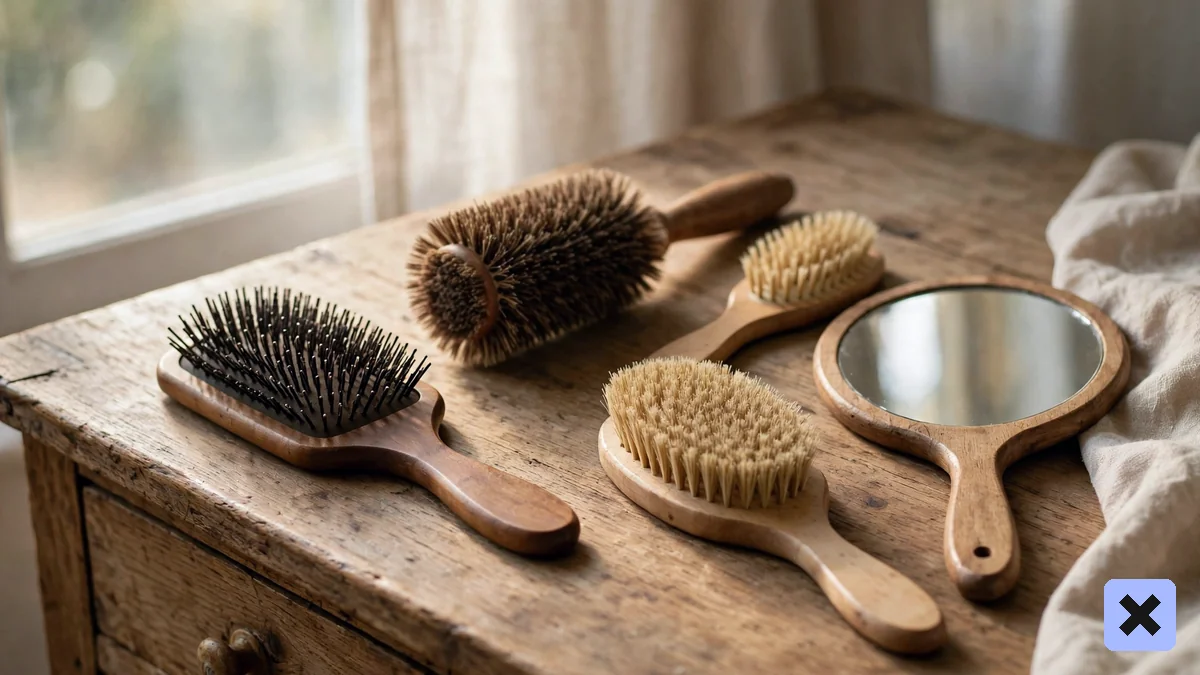
A curling iron is a small tool with an outsized effect on your morning. When it works well, a few minutes of wrapping and holding leaves you with soft, even curls that last until evening. When it works badly, the same few minutes leave you with frizz on one side, flat hair on the other, and a hot barrel that has singed the ends. That is the gap between the best and the worst curling irons of 2026.
This comparison puts the best curling irons of 2026 head to head against the worst, judging them the way you would actually use them: how evenly the barrel heats, how smoothly hair slides through the clamp, how honestly the temperature dial matches the real heat, and whether the curls still hold by lunchtime. A good curling iron heats evenly, protects the hair it styles, and feels safe in the hand. A bad one has hot spots, snags hair, and cooks it.
Key Takeaways
- Even heat matters more than maximum heat: a barrel with hot spots burns some strands and under-curls others.
- Barrel size decides the curl: a narrow barrel makes tight curls, a wide barrel makes loose waves.
- Adjustable temperature with a real display beats a single high setting, especially for fine or damaged hair.
- A smooth ceramic or tourmaline coating lets hair glide; a rough or peeling barrel snags and breaks it.
- The worst irons are cheap, single-temperature tools with uneven heat and flimsy clamps that crease the hair.
How Curling Irons Actually Work
A curling iron styles hair with heat and time. You wrap a section of hair around a hot barrel, hold it for a few seconds, and the heat softens the hair so it takes the shape of the barrel. When the section cools, the curl sets. The whole trick is control: the barrel must be the same temperature along its whole length, the heat must be high enough to shape the hair but not so high that it scorches it, and the hair must slide off the barrel without catching.
Three numbers matter most. The barrel diameter decides the curl size: around 19 millimetres gives tight curls, 25 millimetres gives classic curls, and 32 millimetres or more gives loose waves. The temperature range decides who can use it safely: fine hair needs roughly 150 to 170 degrees, normal hair around 180, and thick hair up to 200 or a little more. And the heat-up time tells you whether the iron is ready when you are: the best reach their set temperature in under a minute, while the worst take several minutes and still heat unevenly. Heat tools share the same judgement calls, and our comparison of the best vs worst hair straighteners of 2026 covers the same even-heat and temperature-control tests on the flat side of styling.
The clamp is the part most buyers forget and most owners complain about. A good clamp holds the ends firmly without creasing them, opens smoothly with one hand, and stays cool enough at the tip to hold. A bad clamp is either too weak, so the hair slips out halfway through, or too strong, so it leaves a dent across the ends. The cord matters too: a swivel cord that turns as you work stops the cable tangling around your wrist, and a cord that is too short chains you to the socket. Sectioning helps too: working in small, even sections means each one gets the same few seconds on the barrel, so the curls match instead of one side falling flat while the other holds.
The Best Curling Irons of 2026
The best curling irons do the job they claim to do, on the hair they claim to suit, without damage you only notice weeks later. They heat evenly from base to tip, hold their set temperature while you work, and release each section as a smooth, even curl.
Best for most hair: a 25 millimetre ceramic iron with adjustable heat
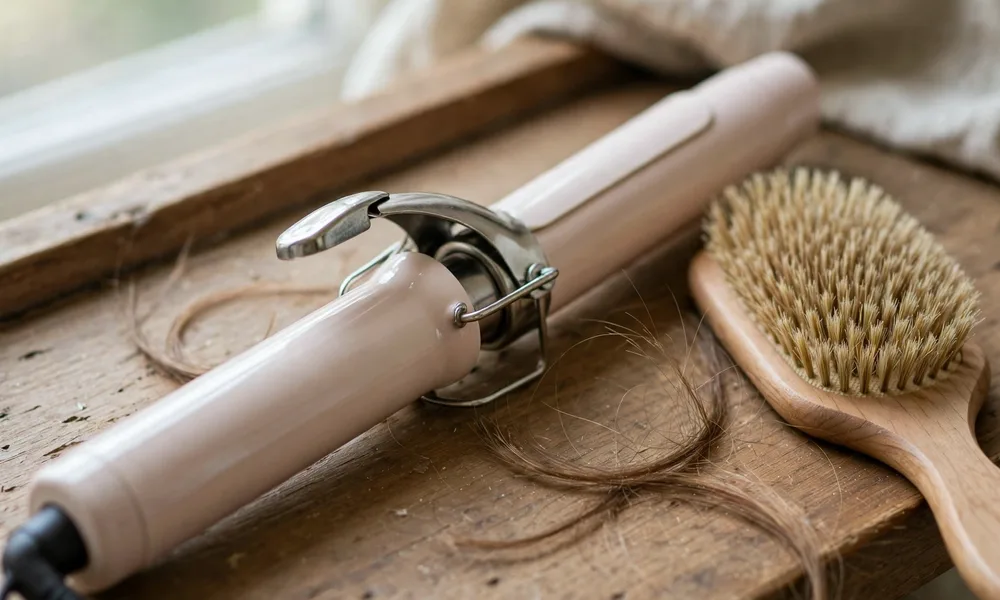
For most people, a 25 millimetre ceramic curling iron with adjustable temperature is the best all-round buy. The barrel size makes classic curls that suit shoulder-length and longer hair, and the ceramic coating spreads heat evenly so no single spot runs hotter than the rest. Adjustable heat with a clear display lets you set 160 degrees for fine hair and 190 for thick hair, instead of guessing with a single blazing setting. Look for a cool tip, a swivel cord, and an auto shut-off that switches the iron off if you forget it.
Best for loose waves: a wide-barrel iron with a gentle clamp
Loose waves need a wide barrel, and the best wide-barrel irons make them without a fight. A 32 or 38 millimetre barrel wraps a large section at once, so long hair waves in minutes rather than half an hour, and the curls fall out into soft movement instead of tight ringlets. The best of these have a clamp that holds without denting, and a barrel coating that lets a wide section slide off cleanly. They suit anyone who wants a relaxed, everyday wave rather than a formal curl.
Best for fine or damaged hair: a low-heat iron with precise control
Fine and damaged hair is where a good curling iron earns its price. The best irons for fragile hair hold a low, steady temperature, often with settings in small steps from 130 degrees upward, and they keep that temperature instead of drifting hotter as you work. A tourmaline or ceramic coating helps here too, because it smooths the hair cuticle and cuts frizz without extra heat. If your hair snaps easily or you colour it often, this is the iron to buy, and it is worth paying more for honest temperature control.
The Worst Curling Irons of 2026
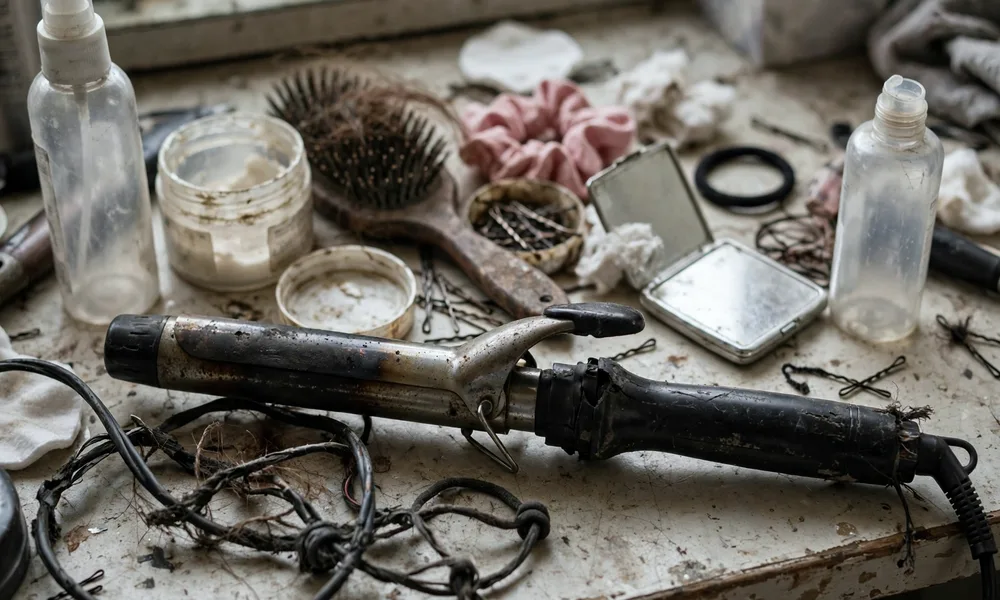
The worst curling irons fail in ways that show up on the first morning. They heat unevenly, so one part of a section curls and the rest stays straight. Their barrels snag, their clamps crease, and their temperature dials bear little relation to the real heat. The damage is not always obvious at once, but after a few weeks of use the ends look dry and split.
Worst for your hair: single-temperature irons that run far too hot
The worst curling irons on sale are the cheap single-temperature models that heat to one scorching level and stay there. With no dial and no display, fine hair gets the same blast as thick hair, and the result is frizz, split ends, and curls that drop out within an hour because the hair was shocked rather than shaped. They are often sold as bargains, but the cost shows up later in broken, dry ends. If an iron has only an on-off switch, it is not a styling tool, it is a hazard.

Worst for everyday use: irons with rough barrels and weak clamps
A close second in the worst category is the iron with a rough or peeling barrel and a clamp that cannot hold. The barrel catches on the hair as you wrap it, pulling and snapping strands, and the clamp either lets the ends slip free or pinches them into a sharp crease. These irons also tend to have short, stiff cords that tangle, and handles that get hot after a few minutes. Styling becomes a chore you dread, and the results are never worth the effort.
Worst for safety: irons with no auto shut-off and flimsy build
Some curling irons are bad not because of how they curl but because of how they are built, and those are the worst for safety. They have no auto shut-off, so an iron left on a dressing table stays hot for hours. Their plastic handles soften with heat, their cords fray where they meet the handle, and the barrel wobbles in its housing. A curling iron is a hot tool used inches from your face and your ears, and one that feels flimsy in the hand is not worth the risk.
Best vs Worst Head to Head
Put the best and the worst side by side and the gap is not subtle. The best heat evenly, hold their temperature, and release smooth curls that last all day. The worst have hot spots that burn some strands while others stay straight, and their curls fall flat before lunch. The best have clamps that hold without creasing and cords that swivel as you work; the worst snag, slip, and tangle. The best feel solid and safe, with auto shut-off and a cool tip; the worst feel light, flimsy, and hot in the wrong places.
The cost of ownership tells the same story. A good iron costs more at the till but lasts for years and leaves your hair in good condition, so you spend less on repair treatments and trims. A bad iron is cheap to buy and expensive to live with, because it damages the hair it styles and needs replacing within a year. The same gap between careful engineering and cheap shortcuts shows up across the bathroom, and our comparison of the best vs worst hair dryers of 2026 shows how it plays out in the tool you reach for first every morning.
The Verdict
The verdict is clear: buy a curling iron matched to your hair and your curl, and avoid the cheap single-temperature models entirely. For most people, a 25 millimetre ceramic iron with adjustable heat, a smooth clamp, and auto shut-off is the best buy, and it will curl properly for years. For loose waves, pick a wide-barrel model with a gentle clamp. For fine or damaged hair, pay for precise low-temperature control, because it is the difference between styling your hair and slowly breaking it. A heat-protectant spray before you start, and letting each curl cool in your palm for a few seconds before you let it drop, makes even a mid-priced iron perform like a dearer one.
The worst are the single-temperature irons that run far too hot, the rough-barrelled models with weak clamps, and the flimsy irons with no auto shut-off. All three promise easy curls and deliver frizz, damage, and frustration. Spend a little more on an iron that heats evenly and tells you the truth about its temperature, and your hair will show the difference every day.
Who Each Is For
A 25 millimetre ceramic iron with adjustable heat is for anyone who curls their hair regularly and wants one tool that does the job properly, and it is the best starting point for most buyers. A wide-barrel iron is for anyone with long hair who wants loose, relaxed waves without spending half an hour on them. A low-heat iron with precise control is for anyone with fine, coloured, or damaged hair, where gentle heat matters more than speed. A small-barrel iron is for short hair and tight curls, where a wide barrel simply cannot wrap the length.
The worst irons are for nobody who cares about their hair, though a cheap single-temperature iron can suit a rare user who curls once in a blue moon and accepts the damage. If you style your hair more than once a week, you need a proper tool, not a token one. Healthy hair is not only about the heat you put on it, and our guide to collagen powder explains what actually matters before you buy into the inside-out side of hair care. Choose for the hair you have, set the heat honestly, and the best curling irons will give you curls that last.