Jeans are the hardest-working clothes most of us own, and they are the pair we reach for without thinking, day after day. The best jeans of 2026 fit the way good clothes should: they sit comfortably at the waist, they move when you sit down, and they still look smart after a long day and a dozen washes. The worst jeans do the opposite. They sag at the knees, their colour fades to a tired grey, and they turn every errand into a tug-of-war with your own waistband.
This comparison puts the best jeans of 2026 head to head against the worst, judging them the way you would actually wear them: through a working day, on a long walk, in the rain, and after months of washing and wearing. We look at denim, fit, stitching, how the colour holds up, and whether a pair still feels worth wearing once the newness has worn off. The same honest approach sits behind our comparison of the best and worst jackets of 2026, because jeans and a jacket are the two pieces that carry most outfits.
Key Takeaways
- Judge jeans by how they feel after eight hours of sitting, walking, and bending, not by how they look on a hanger.
- Good denim holds its shape and its colour, while thin denim bags out and fades within weeks.
- Fit is decided by rise, stretch, and leg shape, not by the size on the label.
- A straight, even stitch and solid rivets are worth more than a fashionable wash or a famous label.
- Buy the jeans for the life you actually live, not for the one you imagine living in them.
What Makes Jeans Good or Bad
Good jeans start with the denim itself. The best jeans of 2026 are made from cotton-rich denim with a decent weight to it: fabric that feels substantial in the hand, holds its shape through the day, and softens with wear instead of falling apart. A little stretch, usually one or two percent elastane, helps the jeans move with you, but the denim should still feel like denim, not like leggings.
The second thing that separates good from bad is the fit. Rise decides where the jeans sit on your body, and it matters more than any other measurement. A mid-rise sits just below the navel and suits most people, while a high rise holds the waistband steady and closes the gap at the back. The worst jeans get the rise wrong: they slide down when you sit, they gap at the back, and they need hitching up all day long.
Stitching is the third test, and it is the one most buyers never check. A good pair of jeans has even, tight stitching with no loose threads, reinforced seams at the pockets and the crotch, and rivets that sit flat and solid. The worst jeans have stitching that puckers, seams that twist after the first wash, and pocket corners that tear open within weeks. You can feel the difference in ten seconds if you look for it.
The Best Jeans of 2026
The best jeans of 2026 are mostly the plain ones, and that is exactly the point. They are the dark indigo straight legs, the classic mid-blue pairs, and the black jeans that go with everything you own without shouting about it. A good pair of jeans does not need rips, logos, or gimmicks. It needs to fit well, feel comfortable, and look right with a shirt, a jumper, or a jacket.

What the best jeans share is a feeling of solidity. The fabric is even and smooth, the waistband stays where you put it, and the legs fall straight without twisting around your ankle. Their washes are generous too: a dark indigo that stays dark, a mid-blue that fades slowly and evenly, and a black that does not turn grey after five washes.
The Worst Jeans of 2026
The worst jeans of 2026 are not always the cheapest, and that is what makes them so frustrating. Some look smart on the hanger and come with a long list of promises, but within a few weeks the problems start: the knees bag out, the waistband rolls over, the colour fades in patches, and a seam splits at the worst possible moment. Owners find themselves with jeans they cannot wear and cannot fix.
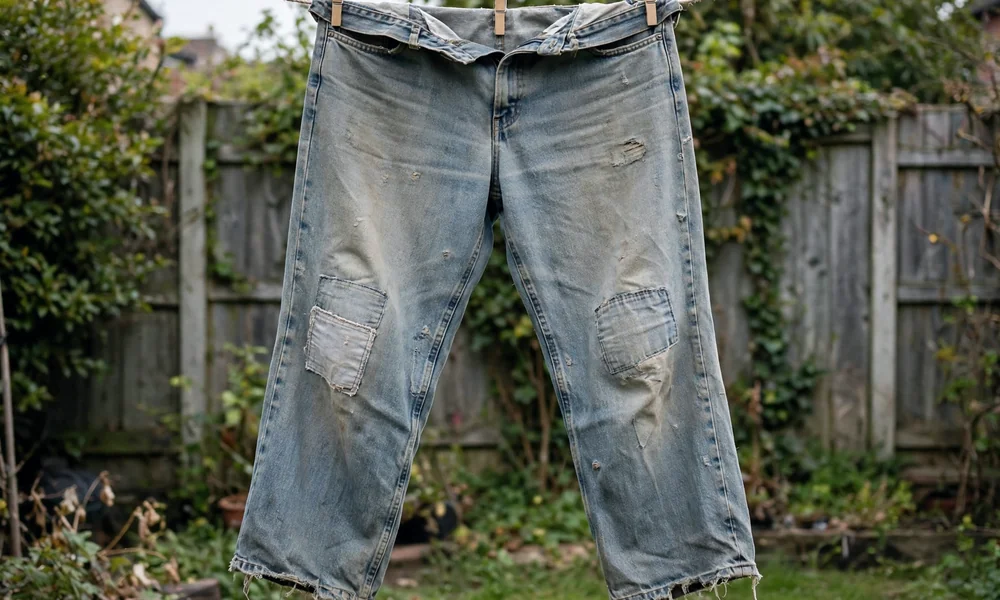
Thin denim is where many of the worst jeans fall down hardest. Fabric that feels light and flimsy in the shop will not get better with wear: it stretches out of shape, it goes shiny at the thighs, and it wears through at the inner leg within months. A pair of jeans should feel like it can survive a year of real life, and if the fabric feels like tissue paper, it will not.
Then there is the wash. The worst jeans are washed to look fashionable in the shop, with heavy fading, fake whiskers, and rips that were never earned by wear. Those finishes look dated within a season, and they make the fabric weaker exactly where it is stressed most. The same care applies to everything you wear with jeans, and our comparison of the best and worst belts of 2026 shows how a good belt can save a mediocre pair, and a bad one can ruin a good pair.
Straight, Slim, or Wide: Which Cut Wins
Straight legs win for most people, and it is not close. A straight-leg jean falls cleanly from the knee to the shoe, it suits most body shapes, and it goes with trainers, boots, and smart shoes alike. The best straight legs of 2026 have a leg that stays straight after washing, without twisting around the ankle. Their weakness is that they can look plain next to a trendier cut, but plain is what still looks right next year.
Slim jeans suit a neat, tailored look and work well with a fitted shirt or a smart jacket. The best slim jeans have stretch where it counts, at the thigh and the knee, and they keep their shape instead of sagging. A slim jean that is too tight will pull at the pockets and pinch when you sit, so the test is simple: sit down in them before you buy.
Wide legs are back in fashion and suit a relaxed look, especially with a tucked-in shirt or a cropped top. A good wide leg has a clean line from the hip and a hem that just brushes the shoe, without pooling on the floor. The trick with all three cuts is the same: try them with the shoes you actually wear, because a leg that looks right with trainers can look wrong with boots.
Denim, Washes, and the Numbers That Actually Matter
Denim weight is the number most buyers ignore, and it matters most. A good pair of everyday jeans uses denim of around twelve to fourteen ounces, heavy enough to hold its shape and light enough to wear all day. Lighter denim suits summer, but anything much below ten ounces will bag out and wear through fast. Heavier denim, the kind sold as raw or selvedge, lasts longer and fades more beautifully, but it needs breaking in.
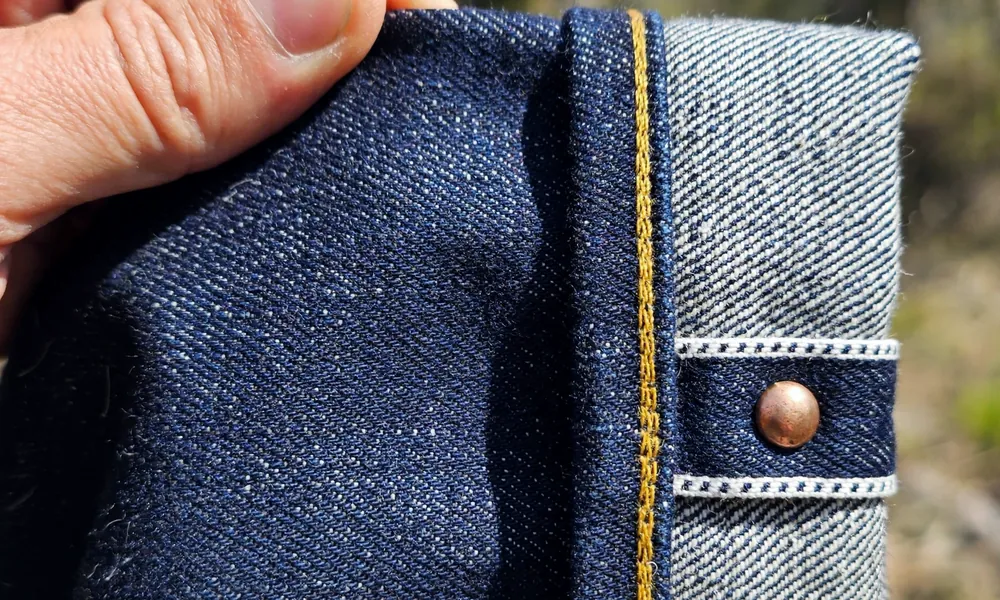
Selvedge denim is the quiet quality marker, and the best selvedge jeans of 2026 are made from fabric woven on old-style looms, with a clean finished edge inside the leg. That edge stops the seam from fraying, and the fabric itself is denser and more even than ordinary denim. You can spot it by turning up the cuff: a neat white or coloured edge, and a fabric that feels tight and smooth rather than loose and fluffy.
Washes deserve the same attention as weight. A dark indigo wash is the hardest working colour in any wardrobe: it goes with everything, it hides marks, and it fades slowly if you wash it cold and inside out. A mid-blue wash is the classic, and the best ones fade evenly rather than in blotches. Black jeans are the hardest to get right, because cheap black denim turns grey fast, so look for a pair that has been properly dyed rather than simply coated. The same honesty test applies to outerwear, and our comparison of the best and worst raincoats of 2026 explains how to spot the same tricks there.
How to Buy Jeans Without Regret
The single most useful thing you can do before buying jeans is to try them on properly. A minute in the fitting room tells you almost nothing. Instead, put them on, sit down, walk to the far end of the shop, and bend to tie your shoe. If they pinch, gap, or slide, believe it: they will feel worse after a week, not better.
Check the details with real eyes before you pay anything. Look at the stitching under a good light, pull gently at the pocket corners, and run a finger along the inside of the waistband for rough edges. Ask what the denim actually is, and check the label for the cotton and elastane mix, because a seller who cannot answer plainly is telling you something about what they sell.
Finally, do not be rushed. A good pair of jeans will still be a good pair tomorrow, and a shop that pressures you to decide on the spot is telling you something about how it does business. Look at the jeans in daylight, check the wash on both legs, and if you are buying online, measure your waist, hips, and inseam first and check them against the size chart. Jeans you wear every day are worth taking your time over.
Best vs Worst Jeans at a Glance
| What matters | The best | The worst |
|---|---|---|
| Denim | Cotton-rich, 12-14 oz, holds its shape | Thin, flimsy, bags out and wears through |
| Fit | Right rise, steady waistband, clean leg | Slides down, gaps at the back, twists |
| Stitching | Even, tight, reinforced seams and rivets | Puckers, twists after washing, splits |
| Colour over time | Fades slowly and evenly, stays rich | Fades in patches, black turns grey |
| Value | Costs more, lasts for years, ages well | Cheap to buy, unwearable within months |
The Verdict
The best jeans of 2026 are the ones that make getting dressed easier without asking for much in return. They are comfortable, honestly made, and still smart after months of daily wear, and they hold their shape because the denim was made properly in the first place. They do not need to be trendy or expensive: they simply work, day after day, in all weathers, with very little fuss.
The worst jeans of 2026 are the ones that demand too much and give too little back: too much money for denim that wears through, too much time spent hitching up a waistband that should never have slipped, and too much disappointment when a pair you liked falls apart. Jeans are the clothes you live in every day, and when they fail, you notice it constantly.
So buy with your head as well as your heart. Choose the denim that fits your real life and the cut that fits your real body. Try them on properly before you buy, check the stitching and the wash with your own eyes, and walk away from anything that feels wrong.