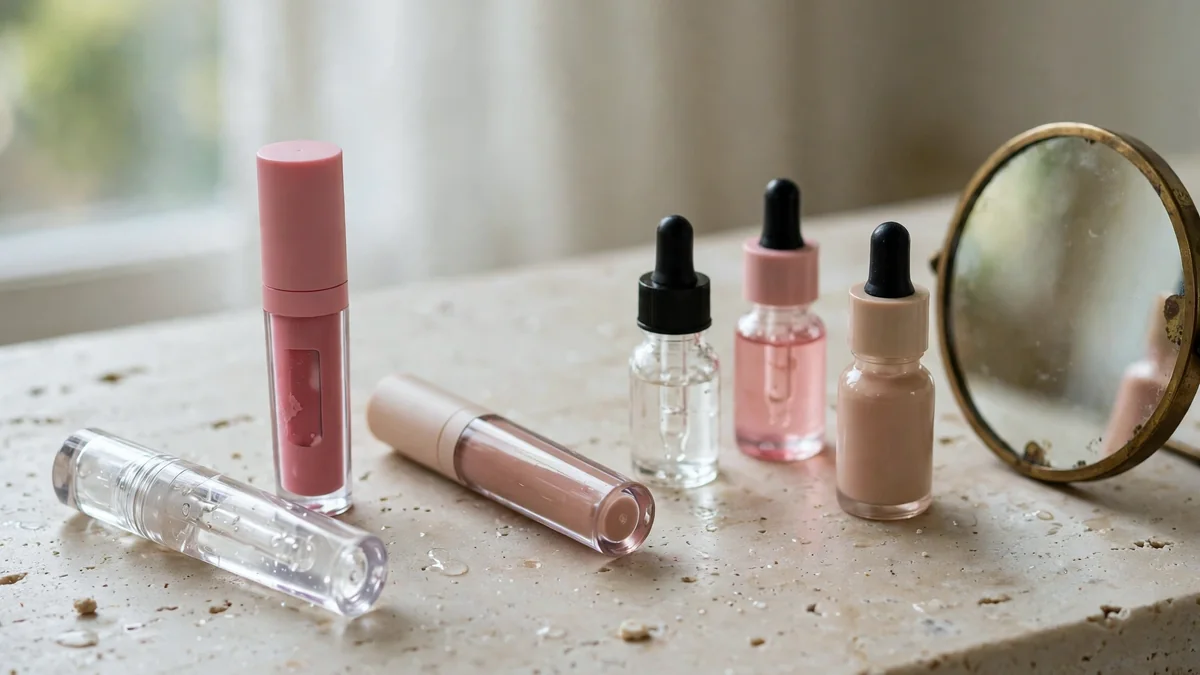
A lip stain does not sit on the lips the way a lipstick does. It sinks in. Where a lipstick lays a layer of colour on top, a stain dyes the top layer of the lips themselves, so the colour stays after the shine has gone, after the coffee, after the lunch, after the long afternoon of talking. It is the difference between lips that look painted and lips that look as though they woke up that colour. When it works, a stain gives a soft, just-bitten flush that survives eating and drinking and still looks natural at the end of the day. When it fails, everyone can tell, because a bad stain goes on patchy, dries the lips out, or leaves a dark ring around the edges while the middle fades away.
This comparison puts the best lip stains of 2026 head to head against the worst, judging each one the way you would actually wear it: applying it in the morning, blotting it, wearing it through meals and drinks, and checking it in the mirror hours later. We look at how evenly the colour goes on, how long it lasts, whether it dries the lips out, how it fades, and whether the finished colour looks like a natural flush or like a mistake that cannot be undone. A great lip stain disappears into the lips. A bad one sits on top of them and gives itself away.
Key Takeaways
- A lip stain works by tinting the lips themselves, which is why the best ones last for hours through eating and drinking while a lipstick wears off in one meal.
- The best lip stains of 2026 go on evenly in one thin layer, dry down to a soft natural flush, and fade gradually without leaving a ring around the edges.
- One thin layer, blotted and left to set for a minute, beats two heavy layers every time, and balm underneath stops a stain from grabbing onto dry patches.
- A stain only tints the lips, so our comparison of the best and worst lipsticks of 2026 is where to look when you want full opaque colour instead of a sheer tint.
How We Judged the Lip Stains
We judged every lip stain on five things that matter when you actually live with it rather than when you read the tube. First, the application: whether the colour goes on evenly in one pass, or pools in the cracks, streaks across the lips, and dries before you can blend it. Second, the wear: whether the tint lasts for hours through coffee, lunch and conversation, or fades within the hour. Third, the comfort: whether the lips feel soft and normal underneath, or dry, tight and flaky by the afternoon. Fourth, the fade: whether the colour fades gradually and evenly, or leaves a dark outline around the edges while the middle disappears. Fifth, the finish: whether the colour looks like a natural flush that belongs on the lips, or like a dye job that is too bright, too dark, or the wrong shade entirely.
What the Best Lip Stains Do Differently
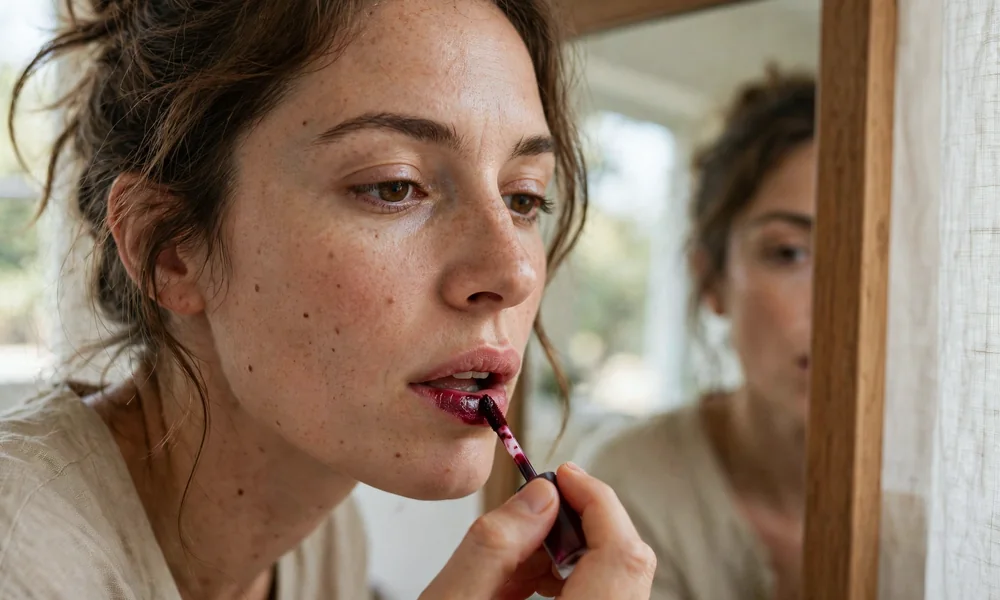
The best lip stains feel almost weightless once they dry. The colour sinks into the lips, the watery base evaporates, and what is left is a soft flush that moves with the lips instead of sitting on top of them. That matters more than it sounds, because a stain that feels like a coating defeats its own purpose, and a stain that dries heavy is the first thing people notice when they look closely. A light formula also means the colour can be layered, one sheer coat for daytime or a second coat for evening, instead of arriving all at once in a single dark wash that is hard to undo.
The second thing the best stains do is last without drying the lips out. Once the tint has set, it stays put through coffee, lunch and hours of talking, and the lips still feel soft at the end of the day. This is the whole point of a stain, and it is where the gap between good and bad is widest. A good stain acts like a quiet dye in the lips, and by the evening the colour has softened a little but it is still there, evenly, with no ring and no flakes. The colour may have faded, but it has faded everywhere at once, which is the only kind of fading that looks good.
The third difference is the shade. The best stains come in colours that look like real lips, a rose that could be a flush, a berry that could be bitten lips, a soft red that could be natural, rather than one bright pink that suits nobody. The best formulas also dry down to the colour they promised, instead of darkening by two shades as they set, which is how so many stains turn into a surprise in the mirror ten minutes later. A stain that keeps its promise is a stain you can trust, and trust is what makes you reach for the same tube every morning.
The Worst Lip Stains: How They Fail
The worst lip stains fail in the same few ways, and once you know them you can spot a bad tube in the shop before you buy it. The first failure is the patch. A stain that dries too fast grabs onto the driest parts of the lips and leaves the rest bare, so the colour comes out blotchy no matter how carefully you apply it. The second failure is the ring. Some stains fade from the middle out, leaving a dark outline around the edges that looks like lip liner gone wrong, which is worse than no colour at all. The third failure is the dryness. A stain that strips the lips leaves them tight, flaky and sore by the afternoon, and no amount of balm on top can fix lips that were dried out from underneath. The fourth failure is the shade shift: a stain that looks like a soft rose in the tube and dries down to a harsh cherry on the lips, because the dye darkens as it sets and nobody warned you.
Water-Based, Gel or Peel-Off: The One Decision That Matters Most
More lip stain looks are ruined by the wrong type than by the wrong brand. The rule that works for almost everyone is simple: if you want the sheerest, most natural flush, choose a water-based stain, because it sinks in fastest and leaves the least behind, and it is the hardest type to get wrong. If your lips are dry, choose a gel or oil-based stain, because the extra slip gives you time to blend and the formula leaves a little moisture behind instead of stripping the lips. Peel-off stains, the ones you paint on, wait for, and peel away, give the longest wear of all, but they are the least forgiving, because any unevenness in the application is locked in for hours, and the peeling itself can pull at dry skin.
Undertones matter just as much as the type. Most people need a cool or neutral tint, not a warm one, because warm stains turn orange on the lips and make the whole face look flushed in sunlight. Test the stain on the inside of your wrist in daylight, and wait a full minute for it to set before you judge it: if the colour has darkened by two shades, it will do the same on your lips. And remember that a stain is not a lipstick, so if the day calls for full opaque colour, our comparison of the best and worst lip glosses of 2026 shows the shiny, comfortable alternative, while a stain stays the choice for colour that outlasts everything else.

How to Apply a Lip Stain So It Looks Natural
Good application starts with smooth, dry lips. Exfoliate gently first, then wipe away every trace of balm, because a stain cannot sink into lips that are coated in grease, and it will grab onto the dry patches and skip the smooth ones. Then load the applicator lightly, wipe the excess on the rim, and paint the colour on in one quick pass, starting in the middle of the lower lip and working out, then the upper lip, following the shape of your own mouth. Work fast, because a stain starts setting the moment it touches the lips, and going back over a half-set stain is what causes streaks and patches.
Blot once, lightly, with a tissue, and then leave the stain alone for a full minute while it sets. Do not press your lips together while it is still wet, because that transfers the colour to the wrong places and doubles it in the middle. Once it has set, add a thin layer of balm on top if the lips feel tight, because balm on top of a set stain adds comfort without moving the colour, while balm underneath stops the stain from sinking in at all. For the days when the lips need moisture first and colour second, our comparison of the best and worst lip balms of 2026 is the companion to this one, and a good balm is what makes a stain wearable on dry lips.
The Five Mistakes That Ruin a Stain
The first mistake is applying a stain over balm. The grease stops the dye from sinking in, so the colour sits on top, slides around, and wears off within the hour. The second mistake is using too much product. A heavy coat pools in the cracks, dries dark at the edges, and takes twice as long to set. The third mistake is going back over a half-set stain, which breaks the first layer and leaves streaks that cannot be blended away. The fourth mistake is choosing a shade that is darker than your natural lip colour by more than two steps, which guarantees a harsh, painted look instead of a flush. And the fifth mistake is skipping the exfoliation, because a stain on flaky lips is a stain on flakes, and the colour leaves with the flakes by lunchtime.

The Verdict
The best lip stains of 2026 are the ones you forget you are wearing. They go on evenly in one thin coat, sink into the lips and dry down to a soft natural flush, last for hours through eating and drinking without drying the lips out, and fade gradually and evenly instead of leaving a ring. They are quiet products, and their quietness is the point: a stain should tint the lips, not star in the look. The worst ones fail the same tests in the same order: a patchy application that dries too fast, lips that feel tight and flaky by the afternoon, a shade that darkened by two steps as it set, and a ring around the edges by evening.
Buy for the evenness and the fade, not for the brand. Choose a stain that goes on in one thin coat, a shade close to your natural lip colour, and a water-based formula if you want the sheerest flush or a gel formula if your lips run dry. Exfoliate first, apply fast, blot once, let it set untouched, and let the rest of your makeup do the talking. Get those right and a good lip stain earns its place in your makeup bag every single day, quietly making everything else look better.