
Lip balm is the smallest product in most bathroom cabinets, and also the one that gets used the most. It lives in a coat pocket, a car cup holder, a desk drawer and a handbag, and it gets reached for without thinking, sometimes ten times a day. A good lip balm quietly does its job: lips feel soft, comfortable and protected, and you forget it is even there. A bad one does the opposite. It sits greasy on the surface, tastes strange, dries lips out further, or melts into a sticky mess in a warm pocket, and somehow it always seems to run out at the worst moment.
This comparison puts the best lip balms of 2026 head to head against the worst, judging them the way you would actually use them: how they feel on the lips, how long the comfort lasts, whether they genuinely heal dry skin or only pretend to, and whether the tube survives a normal day. Lip balm sits at the edge of makeup and skincare, so it is worth knowing how it differs from colour products, and our guide to the best and worst lipsticks of 2026 explains why a balm and a lipstick are built for completely different jobs.
Key Takeaways
- A good lip balm protects and repairs, while a bad one only coats the lips and lets the dryness return within the hour.
- Occlusive ingredients such as beeswax, shea butter and petrolatum lock moisture in, while flavour and fragrance mostly add irritation.
- Sun protection matters: lips have almost no melanin, so a balm with SPF is worth choosing for daytime use.
- Texture is a real test: the best balms glide on smoothly and feel light, while the worst drag, pill or feel waxy.
- Price is a poor guide: some of the cheapest balms on the shelf outperform expensive boutique tubes.
How Lip Balm Actually Works
Lips are different from the rest of your skin, and that is why they need their own product. The skin on the lips is far thinner than the skin on your cheeks, it has no oil glands of its own, and it has no sweat glands either, so it cannot moisturise itself the way the rest of your face can. It loses water to the air constantly, especially in cold wind, dry heated rooms and strong sun. A lip balm works by doing two things at once: it lays down a thin barrier that slows that water loss, and it delivers softening ingredients that make the surface feel smooth while the skin underneath recovers.
The barrier is the most important part. Ingredients called occlusives sit on the surface and seal moisture in, and the best known are beeswax, shea butter, cocoa butter and petrolatum. Petrolatum is the most effective of all, which is why it appears in so many dermatologist-recommended balms, even though it sounds unglamorous. Waxes give a balm its solid shape and help it stay put, while plant butters add a creamy feel. A balm that is mostly wax and very little else will feel hard and drag across the lips, while a balm that is mostly oil will feel lovely for five minutes and then vanish.
Then there are the ingredients that cause trouble. Menthol, camphor and peppermint oil give a cooling tingle that feels refreshing, but that tingle is mild irritation, and for sore or cracked lips it can sting and slow healing. Heavy fragrance and flavour do the same job in a different way: they smell pleasant and taste sweet, which encourages licking, and licking is one of the fastest ways to dry lips out again. Saliva evaporates quickly and leaves the lips drier than before, so a balm that makes you lick your lips is working against itself.
The Best Lip Balms of 2026
The best lip balms share a simple quality: you stop noticing them. They go on smoothly with one pass, they feel comfortable rather than greasy, and an hour later your lips still feel soft. The best formulas tend to be short and honest, built around a few proven ingredients rather than a long list of exotic extracts.
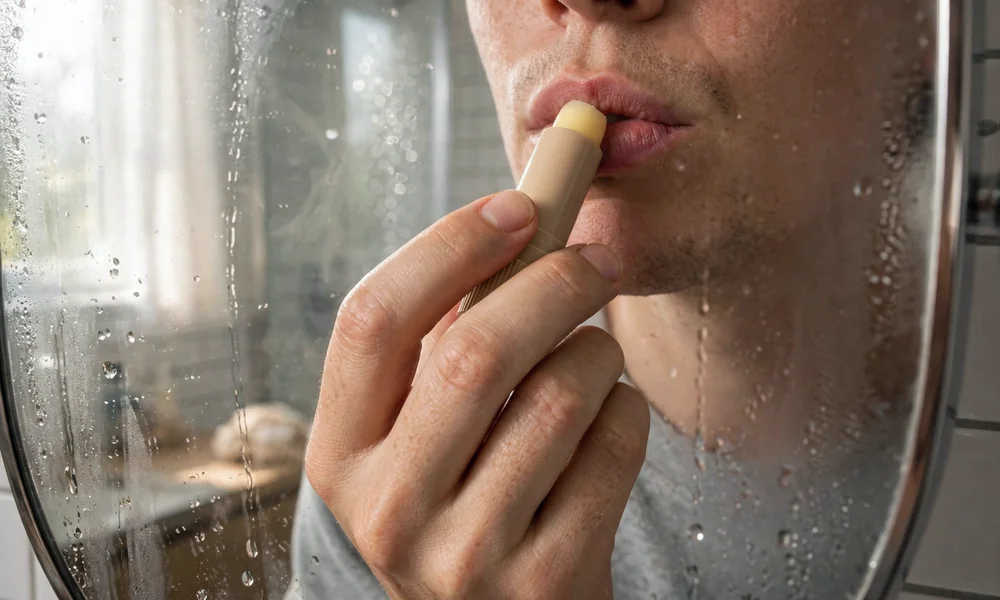
Texture is where the winners separate themselves. A good balm has a firm but yielding texture: it holds its shape in the tube, yet it melts slightly on contact with warm lips and spreads evenly without dragging. The finish should be a soft sheen, not a high gloss and not a matte dryness. Balms that feel waxy usually contain too much hard wax and too little oil, while balms that feel slippery often contain too much liquid oil and not enough structure, so they slide off and need reapplying every twenty minutes.
Healing power is the second test, and it shows up over days rather than minutes. A good balm used twice a day should leave lips noticeably softer within a week, with fewer flakes and no tight feeling when you wake up. The best performers combine an occlusive barrier with humectants such as glycerin, which draw a little moisture into the surface, and a small amount of a soothing ingredient such as lanolin. Lanolin deserves a special mention: it is one of the closest matches to the skin’s own lipids, it is remarkably effective on cracked lips, and the only real drawback is that a small number of people are sensitive to it.
The Worst Lip Balms of 2026
The worst lip balms fail in ways that are easy to recognise once you know what to look for. The most common failure is the balm that feels wonderful for ten minutes and then leaves lips drier than before. These are usually built around flavour, fragrance and a slick oil base, with very little occlusive protection, so the moisture they seem to add evaporates and takes your lips’ own moisture with it. They create a cycle: you apply more often, your lips feel worse, and you blame the weather instead of the balm.
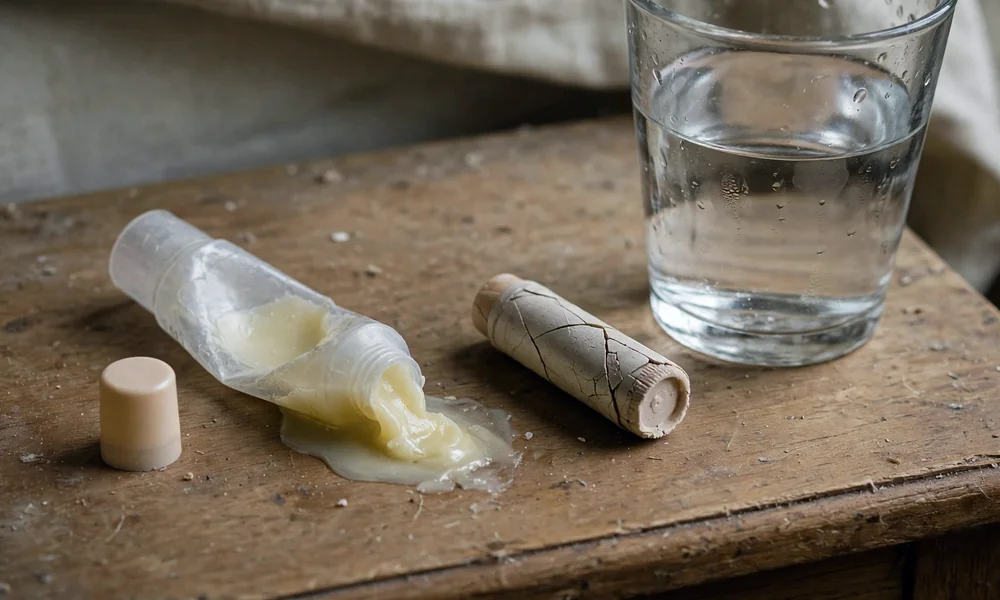
Then there are the balms that irritate. Menthol and camphor in high doses, strong mint flavour, cinnamon flavour and heavy fragrance can all sting cracked lips, and the tingle they produce is often mistaken for the product working. It is not working; it is irritating already damaged skin. People with sensitive lips or with eczema around the mouth are especially vulnerable, and for them a fragranced balm can turn a small problem into a sore, peeling patch that takes weeks to settle. The worst offenders pair irritation with a sweet taste, which encourages licking, which dries the lips further, which makes you reach for the balm again.
What to Look for on the Label
Reading a lip balm label takes about thirty seconds, and it tells you almost everything you need to know. Look first for the occlusives: beeswax, shea butter, cocoa butter, lanolin or petrolatum near the top of the ingredient list is a good sign. Look next for what is missing: no fragrance, no flavour and no menthol is the safest choice for sore or sensitive lips, and it is also the best choice for anyone who applies balm many times a day. A short ingredient list is usually a good sign, because a balm does not need twenty ingredients to work well.
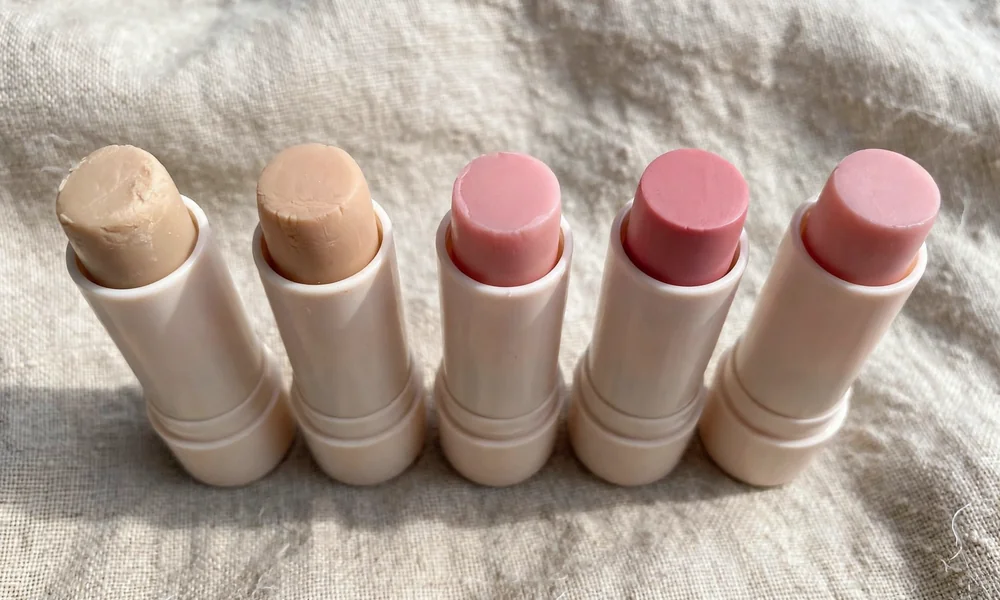
SPF is worth checking separately. If you spend time outdoors, choose a balm with SPF 30 and reapply it after eating or drinking, just as you would with sunscreen on the rest of your face. Mineral SPF balms tend to be gentler on sensitive lips but can look slightly white, while chemical SPF balms feel lighter but can taste bitter. Either is far better than none, and a balm without SPF is still fine for evenings and overnight use, when sun protection is irrelevant and a richer formula can do its best work. Overnight is actually the best time for the thickest balms, because they have eight undisturbed hours to work.
How to Test a Lip Balm Properly
The honest way to test a lip balm is to use it for a week and pay attention to what happens between applications. Apply it in the morning after brushing your teeth, once in the middle of the day, and once before bed, and notice how your lips feel just before each application. If they feel comfortable and soft, the balm is working. If they feel tight, dry or flaky, the balm is not protecting them, no matter how nice it felt when you first put it on. This simple test separates the genuinely good balms from the ones that only feel good for a few minutes.
Your lips do not exist in isolation, and the rest of your skincare routine matters too. Drinking enough water helps, but it will not fix lips on its own, because the problem is water escaping from the surface rather than a lack of water inside. Breathing through your mouth at night dries lips out, as does sleeping in a very dry heated room, so a humidifier can help in winter. And if your lips are constantly cracked despite using a good balm, it is worth looking at the rest of your routine, because the same habits that dry out your skin will dry out your lips. Our comparison of the best and worst moisturisers of 2026 covers the face creams that keep the skin around your lips healthy too.
The Verdict
The best lip balms of 2026 are the quiet ones: short ingredient lists, strong occlusive barriers, no fragrance, no menthol tingle, and a texture that glides on and stays put. They cost very little, they last for hours, and they leave your lips genuinely softer over time. The worst are the loud ones: heavily flavoured, strongly scented, slick for a few minutes and drying afterwards, with packaging that fails in a pocket or a warm car. Choose a balm the way you would choose a good coat: look for protection, comfort and durability, ignore the decoration, and pick the one you will actually reach for every day. Your lips will tell you within a week whether you chose well.
Quick Answers
How often should you apply lip balm? Two or three times a day is enough for a good balm: morning, midday and before bed. If you need it every half hour, the balm is probably not protecting your lips properly, and switching to a richer, fragrance-free formula is a better answer than applying more often.
Can lip balm make your lips drier? Yes, in two ways. A balm with menthol, camphor or strong fragrance can irritate the skin, and a balm that tastes sweet encourages licking, which dries lips out. A fragrance-free balm built on beeswax, shea butter or petrolatum does not have either problem.
Do you need SPF in a lip balm? For daytime use, yes, because lips have almost no natural sun protection and they burn easily. SPF 30 is a good level, reapplied after eating or drinking. For overnight use, SPF is unnecessary, and a thicker balm without it will work better while you sleep.
What is the best lip balm for cracked lips? A thick, fragrance-free balm with lanolin or petrolatum, applied generously before bed, is the most reliable choice for cracked lips. Avoid anything with menthol or flavour until the cracks have healed, and if cracking persists for weeks despite a good balm, it is worth mentioning to a pharmacist or doctor. For the rest of your face, our guide to the best and worst foundations of 2026 explains how to choose makeup that sits well on healthy, moisturised skin.


