
A good mattress is invisible. It never announces itself with a sore back, a hot patch, or a night of tossing and turning. It simply holds you level, keeps you cool, and lets you forget it exists until morning. A bad mattress does the opposite. It sags in the middle, sleeps hot, passes every movement across the bed, and slowly turns sleep from a pleasure into a chore. The trouble is that the two can look almost identical in a shop, and the difference only shows up after a few months of real nights.
This guide sorts the best from the worst in 2026: the mattress types, materials and designs that genuinely help you sleep, and the ones that waste your money or quietly damage your back. It covers foam, hybrid, innerspring and latex, firmness, heat, durability and the red flags that mark a mattress to avoid, for every sleep position.
Key takeaways
- The best mattresses match your sleep position: side sleepers need pressure relief, back sleepers need level support, and stomach sleepers need a firmer surface.
- Hybrid mattresses win for most people, combining pocket springs for support and airflow with foam or latex for comfort.
- The worst mattresses are thin all-foam beds with no support layer, sagging second-hand mattresses, and cheap beds with no trial period or warranty.
- Heat is a deal-breaker: dense memory foam without cooling sleeps hot, while hybrids and latex stay cooler through the night.
- A mattress that costs very little usually is very little: low-density foam breaks down fast, and a 100-night trial is the best protection you have.
How a Mattress Actually Works
Before sorting best from worst, it helps to know what a mattress is doing while you sleep. Your spine should stay roughly straight, your shoulders and hips should sink just enough to relieve pressure, and your body heat should escape instead of building up under you. A mattress does that with layers: a comfort layer on top that cushions pressure points, a transition layer in the middle, and a support layer underneath that keeps you from sinking too far. When any layer is missing or made from weak material, the whole bed fails, which is why a mattress that feels lovely for five minutes in a shop can be miserable by month six.
The four main types
Memory foam moulds to your body and absorbs movement, which couples love, but dense foam traps heat. Innerspring mattresses use coils for bouncy, cool support, but older open-coil designs transfer movement. Hybrids combine pocketed coils with foam or latex, giving support, airflow and comfort in one package, which is why they top most best-of lists. Latex is responsive, cool and very durable, but costs more and feels firmer than foam. None is automatically best or worst: the best mattress is the type whose strengths match your body.

The Best: What to Look For
The best mattresses share a few traits no matter the type. They support your spine in your usual sleep position, they keep you at a comfortable temperature, they isolate movement if you share a bed, and they hold their shape for years rather than months. Look for those four things first, and the brand name second.
Best for side sleepers
Side sleepers put most of their weight on a shoulder and a hip, so they need a mattress that lets those points sink in while keeping the waist supported. A medium to medium-soft hybrid or memory foam mattress usually does this best, with a comfort layer thick enough to cushion the shoulder without letting the spine sag. Too firm, and the shoulder aches. Too soft, and the waist drops and the back twists. If you wake with a numb arm or a sore shoulder, your mattress is almost certainly too firm for the way you sleep.
Best for back and stomach sleepers
Back sleepers need a level surface that keeps the spine neutral, which usually means a medium-firm mattress with strong support underneath a modest comfort layer. Stomach sleepers need firmer still, because a soft mattress lets the hips sink and bends the lower back all night. For both, a hybrid with pocketed coils is often the best choice: the coils push back where you are heaviest, while the foam on top takes the edge off. A mattress that is too soft for a stomach sleeper is a back problem waiting to happen.
Best for hot sleepers and couples
Hot sleepers should look for airflow first. Hybrids with pocketed coils breathe far better than solid foam, latex sleeps cooler than memory foam, and covers with breathable fabric help, though they cannot fix a hot core. Couples should look for motion isolation and edge support: a mattress that absorbs movement so one person’s turn does not wake the other, and edges that hold firm when you sit or sleep near the side. Pocketed coils plus a good foam layer usually deliver both. If you and your partner have very different weights, a mattress with zoned support is worth the extra cost. For a full rundown of the strongest options this year, see our guide to the best mattresses of 2026.
The Worst: What to Avoid
The worst mattresses are not always the cheapest, but they share a pattern: weak materials, missing support, and no way back when they fail. Avoid them and you avoid most bad nights.
Thin all-foam beds with no support layer
The most common bad mattress is a thin slab of low-density foam sold as a bargain. It feels soft and welcoming on day one, then sags, bottoms out, and leaves you sleeping in a dip within months. Low-density foam loses its shape fast, and once it does, no topper can fix it. A good foam mattress needs dense foam and a total thickness that suits your weight; heavier sleepers need thicker, denser beds. If the listing will not tell you the foam density, that silence is your answer.
Second-hand and sagging mattresses
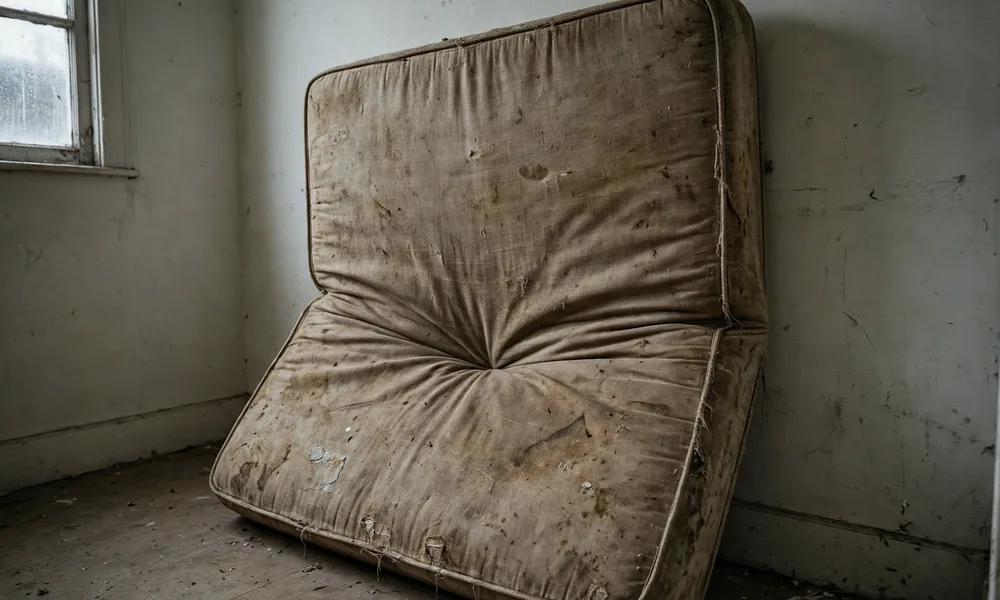
A used mattress is almost always a bad idea. You cannot see the internal wear, you cannot know what it has absorbed, and the support layers may already be broken down in ways that only show up after a few nights. A visible sag means the support has failed, and sleeping on it will strain your back. The same applies to a mattress you already own: if you can feel the springs or the middle dips, replace it rather than adding a topper, which only follows the same dip.

Cheap mattresses with no trial or warranty
A mattress without a trial period is a gamble, and a mattress without a meaningful warranty is a warning. Reputable brands offer at least a 100-night trial and a ten-year warranty, because they know their materials last. A seller that offers neither is telling you, quietly, that the bed will not last and they do not want it back. The same goes for mattresses with vague descriptions and no information about what is inside. If a company will not tell you what you are sleeping on, do not sleep on it.
Firmness, Explained Without the Jargon
Firmness scales confuse everyone because they are not standardised: one brand’s medium is another’s firm. The useful question is simpler. Lie on the mattress in your usual position for ten minutes, not ten seconds. On your side, your spine should look straight from behind and your shoulder should not ache. On your back, you should be able to slide a hand under your lower back with slight resistance, not easily and not with a struggle. On your stomach, your hips should not sink. Body weight changes everything: lighter sleepers need softer mattresses, while heavier sleepers need firmer, thicker support. Couples with a big weight difference should consider a split-firmness mattress or a zoned hybrid.
Heat, Sweat and Sleeping Cool
Overheating ruins sleep more reliably than almost anything else, and the mattress is often the cause. Dense memory foam is the worst offender: it softens with body heat and wraps around you, trapping warmth. Gel infusions and cooling covers help a little, but they cannot change the nature of the material. Hybrids sleep cooler because air moves between the coils. Latex sleeps cooler than foam because it is more open and responsive. Beyond the mattress, breathable cotton sheets, a light duvet and a cool room do more than any cooling cover. If you regularly wake sweaty, check the mattress before you blame the weather: a bed that cooks you is failing at its one job.
Durability: How Long a Good Mattress Lasts
A good mattress should last seven to ten years. A great latex or high-quality hybrid can last longer. The signs of a dying mattress are easy to spot once you know them: a visible dip, lumps, a feeling of rolling toward the middle, springs you can feel, or waking with aches that fade after an hour upright. Rotate a mattress regularly if the maker allows it, use a proper base, and keep it dry: a mattress on the floor traps moisture, and one on widely spaced slats sags between them. The worst mattresses fail in year one or two, and that early failure is the real cost.
Buying Smart: Trials, Returns and Prices
The best way to buy a mattress in 2026 is to use the trial period properly. Sleep on the new bed for at least three weeks before judging it: your body needs time to adjust, and a mattress needs time to settle. Keep your old bed if you can, and be honest with yourself at the end of the trial. If you still wake aching, send it back. That is what the trial is for. On price, be suspicious of both extremes: a very cheap mattress is usually made of very cheap foam, while a very expensive one is often the same mattress with a fancier cover. Mid-range hybrids from reputable brands are usually the best value. Never buy a mattress you cannot return, and never let a salesperson rush you: ten minutes on a shop bed tells you almost nothing about ten nights at home.
Sleep Better Beyond the Mattress
Even the best mattress cannot fix a bad sleep routine. Keep the bedroom cool, dark and quiet, go to bed at a similar time each night, and give yourself an hour without screens before sleep. A warm drink can help some people wind down, and our guide to the best sleep teas of 2026 covers the gentlest options. In winter, a warm bed matters as much as a supportive one; see our roundup of the best heated blankets of 2026 for options that pair well with a cooler bedroom.
Verdict: The Best and the Worst in 2026
The best mattresses of 2026 are hybrids and quality latex beds that match your sleep position, sleep cool, isolate movement, and hold their shape for years. They cost a fair amount, they come with a long trial and a real warranty, and they tell you exactly what is inside them. The worst mattresses are thin low-density foam beds, sagging second-hand beds, and cheap no-trial mattresses that feel fine for a month and fail by the season. The difference between the two is density, support, airflow and honesty about materials. Buy the mattress that fits your body and your sleep position, use the trial properly, and replace a sagging bed without guilt. You spend a third of your life on it: a bed that helps you sleep is one of the best purchases you will ever make, and a bed that hurts you is one of the worst.


