
A pickup truck is the only vehicle that is expected to be a family car on Monday, a workhorse on Tuesday, and a tow vehicle at the weekend. The best pickup trucks of 2026 manage all three jobs without complaint. They carry a full load in the bed without sagging, they tow a trailer steadily at motorway speed, and they still ride comfortably enough for the school run. The worst pickup trucks promise the same versatility and deliver none of it. They sag under half a load, they wander and sway with a trailer behind them, and they punish everyone inside with a harsh, rattling ride.
This comparison puts the best pickup trucks of 2026 head to head against the worst, judging them the way you would actually use them: loaded with timber and tools, hitched to a trailer, parked in a tight supermarket bay, and driven home on a wet road at night. We look at payload, towing, bed utility, off-road ability, comfort, reliability, and running costs, because a pickup that cannot work is just an expensive car with a tray on the back. The same honest approach sits behind our comparison of the best and worst cars of 2026, but a pickup is judged by a harder test than an ordinary car: it has to earn its living.
Key Takeaways
- Judge a pickup by its real payload and towing figures, not by the biggest number in the brochure.
- A usable bed beats a stylish one: check the length, the tie-downs, and how easily you can load it.
- Comfort matters even in a work truck, because a harsh ride wears you out long before the working day ends.
- Towing stability is worth more than towing capacity, since a swaying trailer is dangerous at any weight.
- Buy the pickup for the loads you actually carry, not for the biggest trailer you might tow one day.
What Makes a Pickup Truck Good or Bad
A good pickup starts with the bed, because the bed is the reason the vehicle exists. The best pickup trucks of 2026 have a bed that is genuinely useful: long enough for timber and ladders, wide enough between the wheel arches for a sheet of plywood, and fitted with proper tie-down points, a step or a low loading height, and a tailgate that one person can manage. The worst pickups have a bed that looks the part in photographs but fails in real use. It is too short for anything longer than a suitcase, the tailgate is heavy and awkward, and there is nowhere sensible to tie a load down, so everything slides around on the first corner.
The second test is how the pickup behaves when it is working. A good one sits level under a full load, its suspension absorbs the weight without crashing, and its steering stays accurate and calm. Hitch a trailer to a good pickup and it pulls away smoothly, holds its line on a windy motorway, and brakes in a straight line. A bad pickup sags at the back the moment you load it, the headlights point at the sky, and the whole vehicle feels nervous with a trailer behind it. You notice the difference within ten minutes of a loaded test drive, and it never gets better.
The Best Pickup Trucks of 2026
The best pickup trucks of 2026 are mostly the honest ones, and that is exactly the point. They are the mid-size and full-size trucks that do everything well without shouting about it: a bed that swallows timber, tools, and building materials, a cab with room for four adults and their work gear, and an engine that pulls strongly from low revs without drinking fuel. They are not the fastest vehicles on the road, but they are the ones their owners would buy again tomorrow, because they work every day and ask for very little in return.

What the best pickups share is a feeling of solidity. The doors close with a satisfying thud, the bed liner is tough enough to take a dropped toolbox, and nothing rattles when you drive over a rough track. Their cabs are comfortable too, with seats that do not ache after two hours, heating that warms the cabin quickly on a cold morning, and controls that work with gloves on. Safety kit is generous: automatic emergency braking, trailer sway control, and a reversing camera that actually helps when you are lining up a tow hitch in the rain.
The Worst Pickup Trucks of 2026
The worst pickup trucks of 2026 are not always the cheapest, and that is what makes them so frustrating. Some look smart in the showroom, with big wheels and a long list of equipment, but within a few months the problems start: warning lights nobody can explain, a gearbox that hesitates when you pull away with a load, and a screen that freezes. Owners find themselves back at the dealer again and again, and each visit costs time, money, and patience that a working vehicle should never demand.
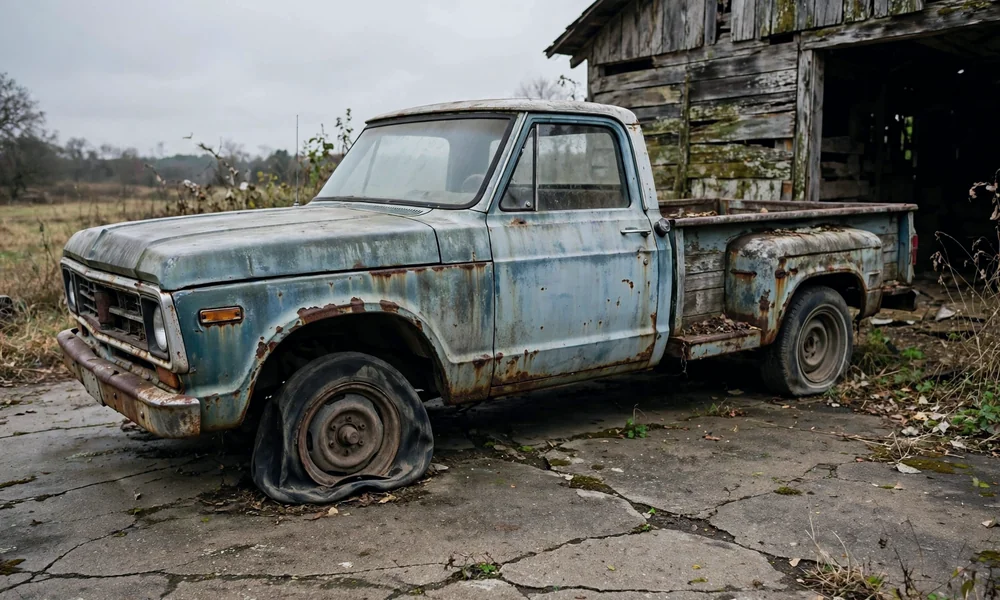
Bed and towing failures are where many of the worst pickups fall down hardest. The bed is too small for real work, the payload figure in the brochure turns out to include the driver and a full tank of fuel, and the towing limit drops sharply the moment you add passengers and luggage. On the road the worst pickups are tiring to drive: the ride is harsh and bouncy when the bed is empty, the steering is vague, and wind and road noise drown out conversation. A pickup that is tiring to drive is one you will grow to resent, however good it looks in photographs.
Mid-Size, Full-Size, or Heavy-Duty: Which Size Wins
Mid-size pickups win for most buyers, and it is not close. A mid-size truck is easy to park, cheaper to fuel and insure, and perfectly happy nipping through traffic, yet it still carries a useful load and tows a small trailer or a boat. The best mid-size pickups of 2026 are surprisingly roomy inside, with a proper back seat for adults and clever storage for tools and work gear. Their weakness is capacity: a really heavy trailer or a full pallet of bricks is beyond them. For a single person, a couple, or a small business, though, a good mid-size pickup is often all the truck anyone needs.
Full-size pickups are the sweet spot for drivers who tow regularly or carry heavy loads every week. They give you a bigger bed, a higher payload, and a much stronger towing figure, without feeling unmanageable on the road, and the best ones are as comfortable as a family car on a long journey. Heavy-duty pickups make sense for a smaller group: those who tow a large caravan or horsebox, or who carry heavy equipment every day. The worst heavy-duty trucks are simply big for the sake of it: hard to park, expensive to fuel and insure, and no more comfortable than a good full-size truck. The same size question applies to every tall vehicle, and our comparison of the best and worst SUVs of 2026 shows how often buyers choose more size than their real life needs.
Payload, Towing, and the Numbers That Actually Matter
Payload is the number most buyers get wrong, because the brochure figure is the maximum the truck can carry, not the amount you can actually use. The payload has to cover everything in the bed and the cab: passengers, tools, fuel, and the load itself. A truck with a one-tonne payload sounds generous until you add four adults, a full tank, and a toolbox, and discover that only half a tonne is left for the load. The best pickups are honest about this, and their real-world payload is close to the claimed figure. The worst hide the truth in small print, and owners discover the shortfall on their first properly loaded job.
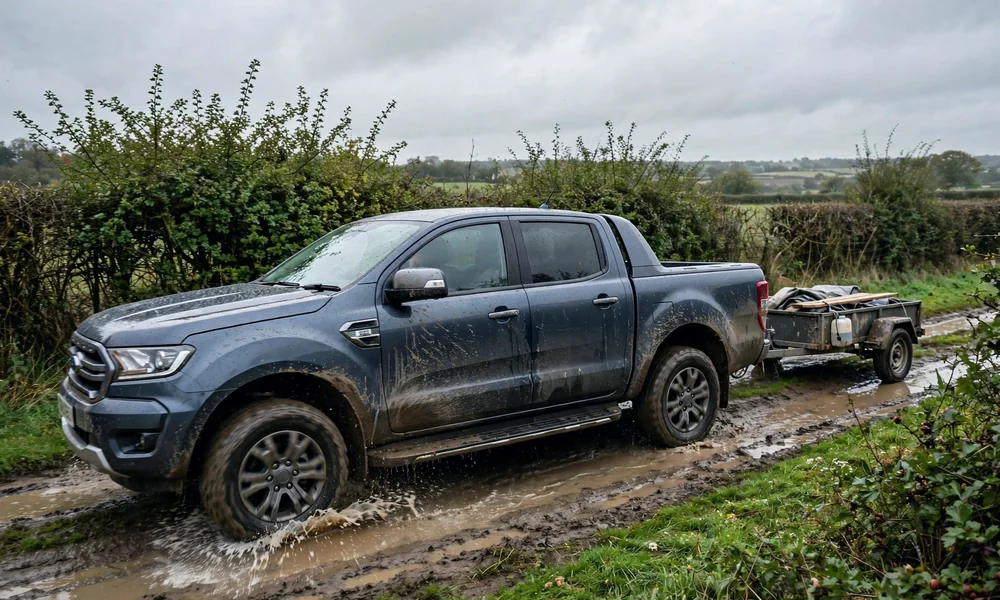
Towing is the same story, and it is where a bad pickup can be genuinely dangerous. The headline towing figure usually assumes a braked trailer, a single driver, and nothing else in the truck, and it falls sharply when the truck is loaded. What matters more than the headline number is stability: trailer sway control, a long wheelbase, and a well-matched tow hitch. A good pickup tows steadily in a crosswind and stops in a straight line. A bad one sways, wanders, and needs constant correction, and the driver arrives exhausted after an hour. Our comparison of the best and worst tires of 2026 shows how much difference the right rubber makes when a truck is loaded or towing, because grip is the foundation everything else depends on.
Best vs Worst Pickup Trucks at a Glance
| What matters | The best pickups | The worst pickups |
|---|---|---|
| Bed and payload | Long, wide bed with strong tie-downs and honest payload | Short bed, few tie-downs, payload eaten up by passengers |
| Towing | Steady, straight, with trailer sway control | Sways and wanders, headline figure falls when loaded |
| Ride and comfort | Settled when loaded, comfortable when empty | Harsh and bouncy, tiring on a long drive |
| Off-road ability | Low range, locking differential, good clearance | Spins and grounds out on the first muddy track |
| Reliability and costs | Proven engine, few faults, holds its value | Repeated faults, thirsty engine, heavy depreciation |
How to Buy a Pickup Truck Without Regret
The single most useful thing you can do before buying a pickup is to drive it loaded. A ten-minute loop around the block tells you almost nothing. Instead, ask for a longer test drive that includes a rough road, a tight car park, and a stretch of motorway, and take the things you normally carry with you. Sit in the back seat yourself, try the bed with your tools or your timber, and hitch a trailer if you can. If anything feels wrong, believe it: it will feel worse after a year, not better.
Check the running costs with real numbers before you sign anything. Get an insurance quote, look up the tax, ask what the next service costs, and check the price of tyres and brakes. Look at reliability surveys and owner forums for the exact engine and gearbox you are considering, because the same pickup can be brilliant with one engine and troublesome with another. Check the truck in daylight, look underneath for rust or damage, and check the bed for dents and a worn liner that hint at a hard working life.
The Verdict
The best pickup trucks of 2026 are the ones that make hard work easier without asking for much in return. They are reliable, comfortable, strong, and practical, and they hold their value because other people want them too. They do not need to be the biggest or the flashiest trucks on the road: they simply work, day after day, in all weathers, with very little fuss, and they tow and carry what they promise to tow and carry.
So buy with your head as well as your heart. Choose the size that fits the loads you actually carry and the trailer you actually tow. Drive it loaded before you buy it, check the costs that do not appear on the price sticker, and walk away from anything that feels wrong. The right pickup will still be working hard for you years after the wrong one has let you down.


