
An SUV promises to do everything: carry the family, swallow the weekly shop, cope with snow and mud, and still feel comfortable on a long motorway run. The best SUVs of 2026 keep that promise. They are spacious without being clumsy, comfortable on rough roads, and surprisingly economical for their size. Their boots take a pushchair and a dog without a struggle, and they still feel solid and quiet after a year of use.
The worst SUVs break the promise. They are big on the outside and cramped on the inside, thirsty at the pump, and tiring to drive. They crash over potholes, they cost a fortune to insure and repair, and they are a misery to park in a tight supermarket bay. This comparison puts the best SUVs of 2026 head to head against the worst, judging them the way you would actually use them in daily life. The same honest approach sits behind our comparison of the best and worst cars of 2026, because an SUV is, first and foremost, a car that has to work every day.
Key Takeaways
- Judge an SUV by what it costs to own for three years, not by what it costs to buy on the first day.
- Space you can actually use beats size on paper, so check the boot and the back seat before anything else.
- A comfortable ride matters more than sporty handling, since most SUV miles are ordinary, not exciting.
- Four-wheel drive is only worth paying for if you genuinely need it in mud, snow, or on steep tracks.
- Buy the SUV for the journeys you actually make, not the adventures you imagine having one day.
What Makes an SUV Good or Bad
A good SUV starts with reliability. The engine should turn over without complaint in winter, the gearbox should change gear smoothly, and the electrics should simply work, month after month. The best SUVs of 2026 are built around proven engines and gearboxes that owners report few faults with. The worst are often rushed to market with a new engine or a complicated gearbox that nobody had properly tested, and the repair bills arrive before the first service is even due.
The second test is how the SUV rides. A good one glides over broken tarmac, its steering is accurate without being twitchy, and wind noise stays low enough that you can talk to passengers without raising your voice. A bad one feels nervous at motorway speed, it bounces over speed bumps, and its steering is either too light or too heavy. You notice these things within ten minutes of a test drive, and they never get better with time.
Running costs are the third test, and they are the one most buyers underestimate. Fuel, insurance, servicing, tyres, and depreciation all add up, and a cheap SUV that drinks fuel and loses half its value in two years is no bargain. The best SUVs hold their value well, their parts are sensibly priced, and any competent garage can service them. The worst depreciate like a stone, their parts are expensive, and only a main dealer will touch them, at main dealer prices.
The Best SUVs of 2026
The best SUVs of 2026 are mostly the sensible ones, and that is exactly the point. They are the family SUVs that do everything well without shouting about it: comfortable seats that do not ache after two hours, a heating system that warms the cabin quickly, a boot that takes a pushchair and a weekly shop at the same time, and an engine that is quiet at a cruise and strong enough to overtake safely. They are the ones their owners would buy again tomorrow.
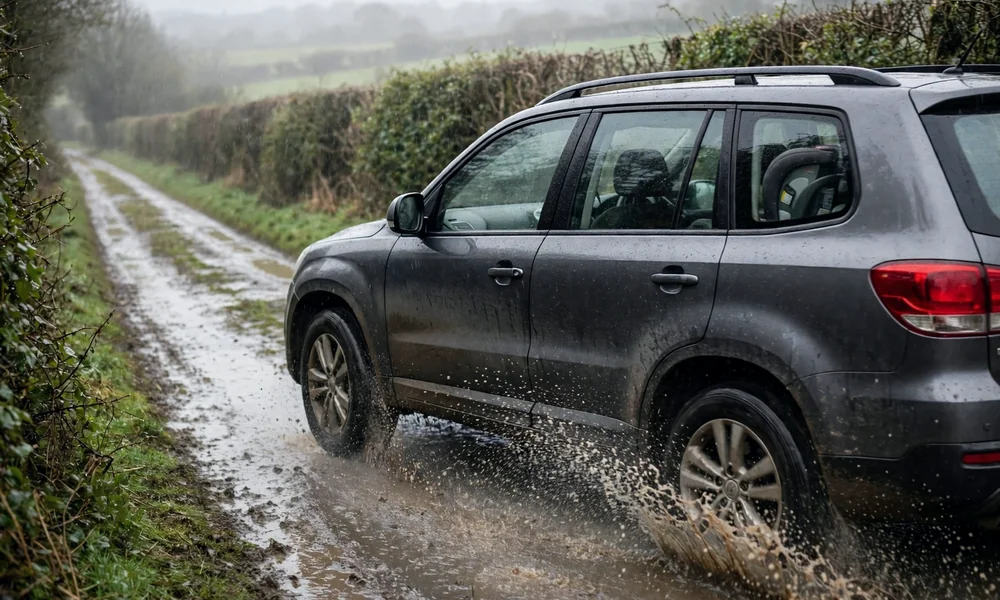
What the best SUVs share is a feeling of solidity. The doors close with a satisfying thud, the buttons and switches feel built to last, and nothing rattles when you drive over a rough surface. Their safety kit is generous too: automatic emergency braking, lane keeping assistance that helps rather than fights you, and headlights that light up a dark country lane properly. Crash test results are strong, and the driver assistance systems are calm and predictable, which is exactly what you want from a system that is supposed to keep you safe.
Space is where the best SUVs really win. The back seat has room for three adults or two child seats with space to spare, the boot floor is flat and low enough to load heavy things without a struggle, and there are clever cubbies and cup holders everywhere you look. With the rear seats folded flat, the load area is big enough for furniture, bikes, or a tent. An SUV that cannot carry what a family actually owns is just a tall car with a high price.
The Worst SUVs of 2026
The worst SUVs of 2026 are not always the cheapest, and that is what makes them so frustrating. Some look smart in the showroom and come with a long list of equipment, but within a few months the problems start: warning lights nobody can explain, a gearbox that hesitates when you pull out of a junction, and a screen that freezes. Owners find themselves back at the dealer again and again, and each visit costs time, money, and patience.

Ride comfort is where many of the worst SUVs fall down hardest. They are often fitted with huge wheels and stiff suspension to look sporty, and the result is a vehicle that crashes over every pothole and speed bump, shaking the whole cabin. On a long journey the seats are too firm or too flat, the driving position never quite feels right, and road noise drowns out conversation. An SUV that is tiring to drive is one you will grow to resent, however good it looks in photographs.
Then there are the running costs. The worst SUVs are often thirsty, with engines that need to be worked hard to keep up with traffic. Insurance can be surprisingly expensive too, because repair costs are high. Depreciation is the cruellest cut of all: some of the worst SUVs lose thousands within months of leaving the showroom, leaving owners owing more on finance than the vehicle is worth.
Small, Mid-Size, or Large: Which Size Wins
Small SUVs win for town driving, and it is not close. A compact SUV is easy to park, cheap to fuel and insure, and perfectly happy nipping through traffic, The best small SUVs of 2026 are surprisingly roomy inside, with clever storage and seats that fold flat. Their weakness is space: four adults and their luggage for a week is a stretch. For a single person or a couple, though, a good small SUV is often all anyone needs.
Mid-size SUVs are the sweet spot for most families. They give you room for children, dogs, pushchairs, and holidays without feeling huge on the road, and the best ones are as easy to drive as a small car. If you only buy one vehicle for the whole household, this is almost certainly the size to buy.
Large SUVs make sense for a smaller group of drivers: those who regularly carry five adults, tow a caravan or trailer, or cover huge distances in comfort. The best large SUVs are quiet, spacious, and relaxing, and they make long journeys genuinely pleasant. The worst are simply big for the sake of it: hard to park, expensive to fuel and insure, and no more comfortable than a good mid-size SUV.
Engines, Running Costs, and the Numbers That Actually Matter
Petrol remains the simplest choice for most SUV drivers in 2026, especially those who mostly drive in town or cover modest mileages. A modern petrol engine is quiet, smooth, and cheap to service, and with mild hybrid assistance it is far more economical than the petrol engines of a decade ago. The best petrol SUVs return strong real-world economy without any of the complications of charging or diesel filters,
Hybrids are the clever middle ground, and the best of them are now so good that many buyers will never go back. They use electric power at low speeds, where petrol engines are at their least efficient, and they recover energy every time you brake. There is no plugging in and no range anxiety: you simply fill up with petrol and the SUV does the rest.
Diesel still has a place, but it is a narrower one than it used to be. If you cover twenty thousand miles a year or more, mostly on motorways, or you tow regularly, a good diesel SUV is hard to beat for economy and pulling power. For low mileages and short trips, though, a diesel can be a false economy. Four-wheel drive is genuinely useful in snow and mud, but it adds weight and fuel consumption. Our comparison of the best and worst tires of 2026 shows how much difference the right rubber makes in bad weather.
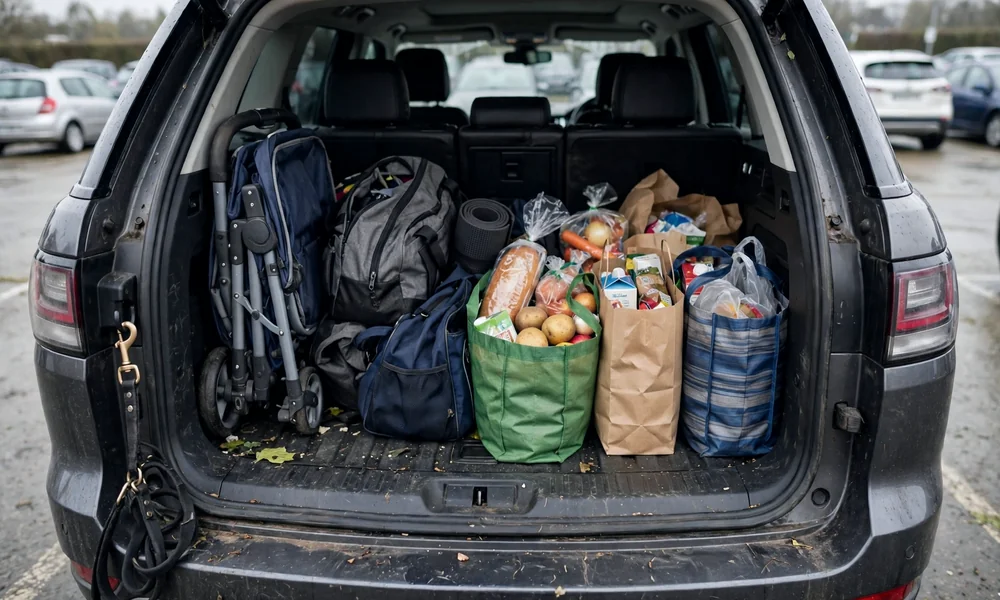
Insurance, tax, and servicing deserve the same attention as fuel economy. An SUV that is cheap to buy but sits in a high insurance group can cost more over three years than a slightly dearer SUV in a lower group. Depreciation is the biggest cost of all, so checking what an SUV is likely to be worth in three years is time very well spent.
How to Buy an SUV Without Regret
The single most useful thing you can do before buying an SUV is to drive it properly. A ten-minute loop around the block tells you almost nothing. Instead, ask for a longer test drive that includes a rough road, a tight car park, and a stretch of motorway, and take the things you normally carry with you. Sit in the back seat yourself and try the boot with your pushchair or your luggage. If anything feels wrong, believe it: it will feel worse after a year, not better.
Check the running costs with real numbers before you sign anything. Get an insurance quote, look up the tax, ask what the next service costs, and check the price of tyres and brakes. Look at reliability surveys and owner forums for the exact engine and gearbox you are considering, because the same SUV can be brilliant with one engine and troublesome with another. Check the SUV in daylight, look underneath for rust or damage, and if you are buying used, pay for an independent inspection. A dash cam is also worth considering, and our comparison of the best and worst dash cams of 2026 explains which ones are worth fitting.
The Verdict
The best SUVs of 2026 are the ones that make life easier without asking for much in return. They are reliable, comfortable, economical, and practical, and they hold their value because other people want them too. They do not need to be fast or flashy: they simply work, day after day, in all weathers, with very little fuss. That is what a good SUV is for.
The worst SUVs of 2026 are the ones that demand too much and give too little back: too much fuel, too much money in repairs, and too much of your time spent dealing with faults that should never have happened. So buy with your head as well as your heart. Choose the size that fits your real life and the engine that fits your real mileage. Drive it properly before you buy it, check the costs that do not appear on the price sticker, and walk away from anything that feels wrong.


