Socks are the smallest item in your wardrobe and the one you notice most when they go wrong. A good pair disappears on your feet: no slipping, no bunching, no damp chill by midday. A bad pair announces itself within an hour, sliding down into your shoe, rubbing a blister on your heel, or leaving your feet cold and clammy no matter what shoes you are wearing.
This comparison puts the best socks of 2026 head to head against the worst, judging them the way you would actually wear them: on a long walk, at a desk all day, on a run, and on a cold evening at home. We look at fit, fabric, cushioning, durability, and whether the socks still feel good after twenty washes. The same honest approach sits behind our guide to the best dress socks of 2026, because the right pair starts with knowing what a good sock feels like in the first place.
Key Takeaways
- Fit matters more than fabric, because a sock that slips or bunches will hurt your feet whatever it is made from.
- Merino wool and good cotton blends beat cheap synthetics for everyday comfort, warmth, and smell.
- Cushioning should match the job: thick for walking and running, thin and smooth for dress shoes.
- Seams decide comfort, and a flat or hand-linked toe seam is the difference between all-day ease and a sore toe.
- Buy socks for the shoes and the day you actually have, not for the drawer you wish you had.
What Makes a Sock Good or Bad
A good sock starts with fit. It should hug the arch without squeezing it, stay put on the heel without creeping, and match the length of your foot so the heel pocket sits where your heel actually is. The best socks of 2026 are knitted with a shaped heel, a ribbed arch band, and a cuff that holds its grip without leaving a red ring on your leg. The worst socks are tubes of stretchy fabric with no shape at all, and they slide, twist, and bunch the moment you start walking.
The second thing that separates good from bad is the fabric. Wool, especially merino, keeps feet warm when it is cold and cool when it is warm, and it resists smell far better than most synthetics. Good cotton blends are soft, breathable, and comfortable for everyday wear. The worst socks are made from thin, shiny polyester that traps sweat, feels clammy within an hour, and starts to smell by lunchtime. They may look fine on the shelf, but they are miserable to live in.
Durability is the third test, and it is the one cheap socks fail fastest. A good sock survives dozens of washes with its shape, softness, and elasticity intact. The heel and toe are reinforced, the cuff still grips, and the colour stays true. A bad sock thins at the heel after a handful of washes, loses its stretch so it sags around the ankle, and develops a hole at the big toe just when you need it most. Spending a little more on socks that last is cheaper than replacing cheap ones every month.
The Best Socks of 2026
The best socks of 2026 are mostly the quiet, well-made ones, and that is exactly the point. They are the merino crew socks that keep your feet warm on a winter walk, the cushioned running socks that stop blisters before they start, and the fine dress socks that sit smoothly under a suit without wrinkling at the ankle. They are not the flashiest pairs in the drawer, but they are the ones you reach for every morning without thinking.
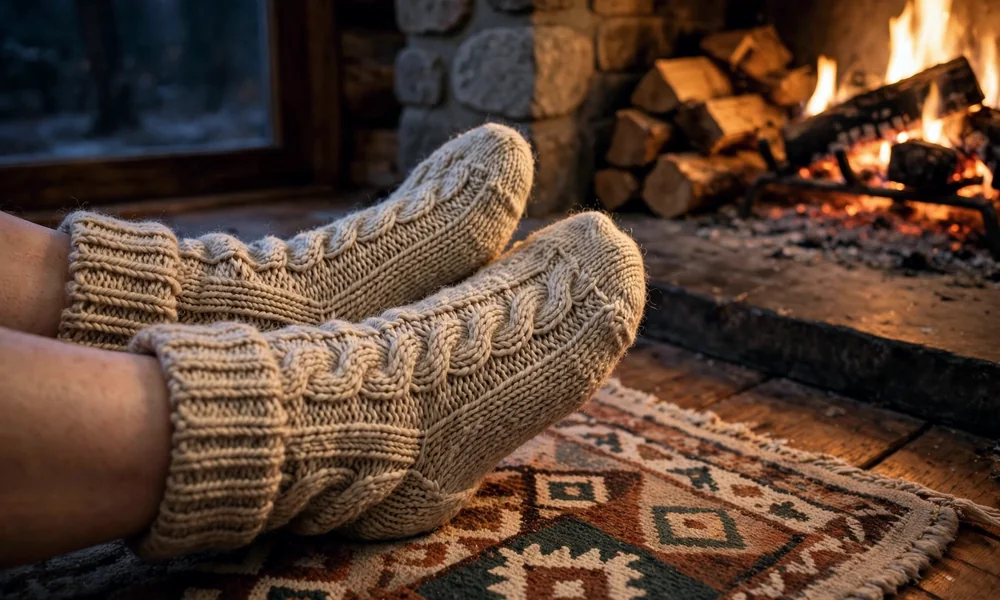
What the best socks share is a feeling of being made properly. The toe seam is flat and smooth, so nothing rubs. The heel is shaped and reinforced, so it does not wear through. The cuff is snug without being tight, and the fabric feels substantial in the hand rather than thin and papery. Good socks also breathe: your feet stay dry through a long day instead of stewing in their own sweat.
Comfort over a full day is where the best socks quietly win. A good pair feels the same at six in the evening as it did at eight in the morning. There is no slipping, no twisting, no damp patch at the sole, and no sore spot where a seam has been pressing. That is the real test of a sock, and it is one that only shows up after hours of wear.
The Worst Socks of 2026
The worst socks of 2026 are not always the cheapest, and that is what makes them so frustrating. Some come in handsome packaging and cost more than they should, but within a few wears the problems start: the cuff loses its grip and slides into your shoe, the heel thins to paper, and a seam across the toes rubs a raw spot. You end up adjusting them all day, which is exactly what a sock should never make you do.

Fit is where many of the worst socks fall down hardest. They are often sold as one size fits all, which really means they fit nobody properly. Too big, and they wrinkle inside your shoe and rub blisters. Too small, and they pull tight across the toes and pop a hole within weeks. A sock that does not match your foot is a sock that fights you all day, however nice the pattern looks.
Then there is the fabric. The worst socks are often made from thin, scratchy blends that pill after two washes and feel rough against the skin. They trap heat and moisture, so feet sweat and then get cold, and they hold smells long after washing. A sock that leaves your feet worse than bare feet is not a bargain at any price.
Dress, Athletic, or Everyday: Which Type Wins
Dress socks win for smart occasions, and it is not close. A fine, smooth sock in dark wool or cotton sits neatly under a suit, stays up all day, and never shows skin when you cross your legs. The best dress socks of 2026 are thin enough to fit comfortably in a leather shoe, yet warm enough for a cold morning, and they come in colours that match a suit rather than fighting it.
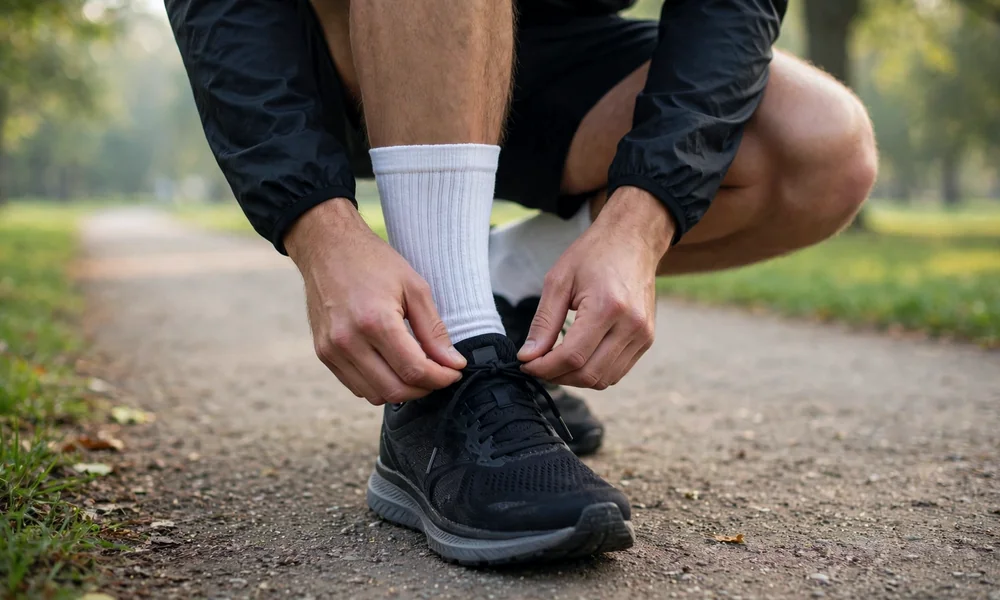
Athletic socks are the best choice for sport and long walks. A cushioned sole, a snug arch band, and moisture-wicking fabric keep feet dry and blister-free through miles of movement. The best athletic socks are shaped for the left and right foot, with extra padding exactly where the foot strikes the ground. Everyday crew socks are the sweet spot for most days: comfortable, hard-wearing, and easy to match with jeans, boots, and trainers.
Materials, Fit, and the Numbers That Actually Matter
Merino wool remains the simplest choice for most people in 2026, especially those who want one sock that works in every season. It regulates temperature, resists odour, and feels soft against the skin without itching. Good merino socks are not cheap, but they last, and they are the pair you will reach for on the coldest mornings. Our guide to the best wool socks of 2026 shows which ones are worth the money.
Cotton is the comfortable middle ground, and the best cotton socks are now so good that many people never go back. A cotton blend with a little stretch holds its shape, breathes well, and feels soft wash after wash. Pure cotton without any stretch can sag, so look for a blend with a small amount of elastane or nylon for structure. Bamboo and modal blends are softer still, and they are a good choice for sensitive skin.
Synthetics still have a place, but it is a narrower one than it used to be. For running and hard exercise, a good synthetic or merino blend wicks sweat away from the foot faster than cotton, and that matters when blisters are the enemy. For everyday wear, though, cheap polyester is a false economy. It traps sweat, smells quickly, and feels clammy, and no amount of clever branding changes that.
Price deserves the same attention as fabric. A sock that costs a few pounds but lasts a season is better value than a multipack that falls apart in a month. Check the heel and toe reinforcement, feel the thickness of the fabric, and look at the seam across the toes before you buy. A good sock is easy to spot once you know what to look for.
Care is the quiet part of sock quality that nobody talks about. Wool socks last far longer when they are washed cool and dried flat rather than tumble-dried, and cotton socks keep their shape when they are turned inside out before washing. A sock that survives the laundry with its cuff and colour intact is a sock that was made properly in the first place.
How to Buy Socks Without Regret
The single most useful thing you can do before buying socks is to check the size range properly. A sock sold as one size for feet from seven to eleven will fit almost nobody well, so look for a narrower size range that matches your actual foot. Try one pair first rather than buying a whole pack, and wear them for a full day before you commit.
Check the details with your fingers before you buy. Run a thumb over the toe seam: if you can feel a ridge, your toes will feel it too. Stretch the cuff and let it snap back: if it stays stretched, it will slide down your leg. Look at the heel: a shaped, reinforced heel lasts far longer than a flat one. Our guide to the best athletic socks of 2026 explains which details matter most when your feet are working hard.
Finally, do not be tempted by novelty over quality. A funny pattern is no compensation for a sock that slips, rubs, and wears through in a month. Buy the plain, well-made pair first, and save the patterns for socks that have already proved themselves. Wash new socks before the first wear, turn them inside out, and skip the tumble dryer if you want them to last.
The Verdict
The best socks of 2026 are the ones you never have to think about. They fit properly, they keep your feet warm or cool as the day demands, and they stay comfortable from morning to night. They do not need to be expensive or flashy: they simply work, day after day, wash after wash, with very little fuss.
The worst socks of 2026 are the ones that demand too much and give too little back: too much adjusting, too much discomfort, and too much of your money spent replacing pairs that should never have worn out so fast. A sock is the smallest thing you wear, but when it fails, every step of your day gets harder.
So buy with your feet as well as your eyes. Choose the type that fits your real day and the fabric that fits your real weather. Check the fit, the seam, and the heel before you buy, and walk away from anything that feels thin, rough, or shapeless in your hand.