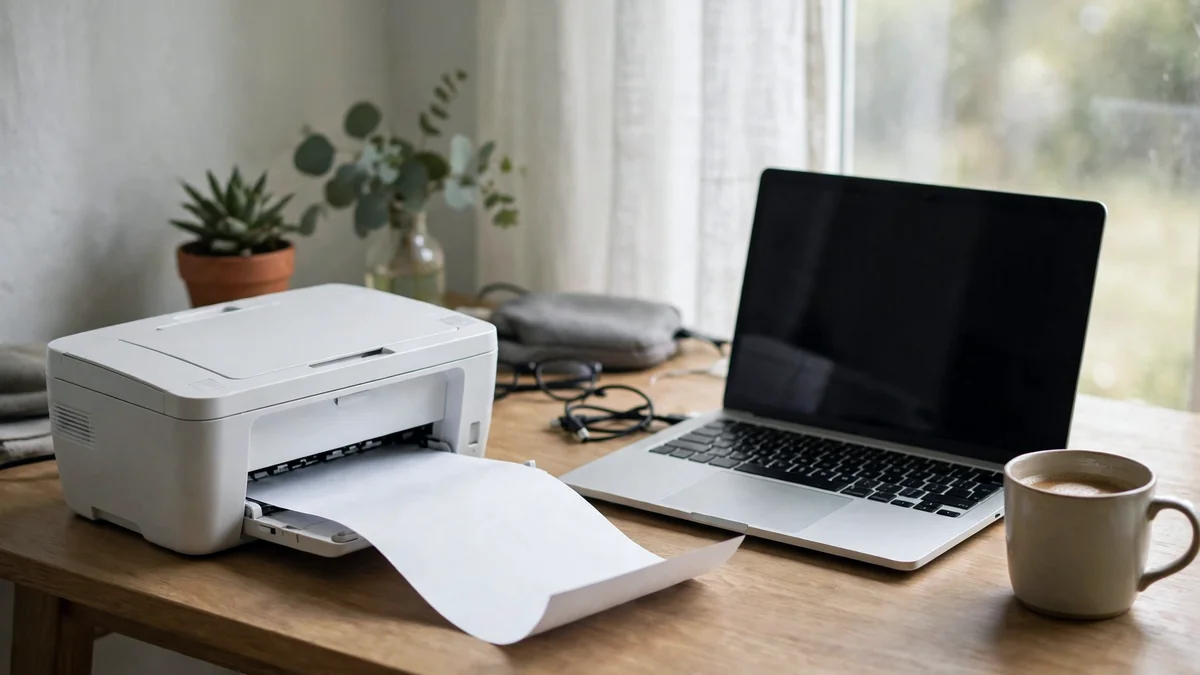
A printer is the one piece of home technology that always seems to be needed at the worst possible moment. The permission slip is due at school in the morning, the boarding pass has to be printed before the taxi arrives, or the contract needs a signature before the end of the day. The best printers of 2026 handle those moments without a fuss: they wake up, they print cleanly, and they sit quietly on the desk until they are needed again. The worst printers turn the same moment into a small crisis, with a paper jam, a dried-up cartridge, or a flashing light nobody can explain.
This comparison puts the best printers of 2026 head to head against the worst, judging them the way you would actually use them: printing homework on a Sunday evening, running off boarding passes, copying a document for work, and printing photographs for the family album. We look at print quality, speed, ink costs, reliability, and whether the printer is still pleasant to own after a year of everyday use. A printer is part of a wider home desk, and our comparison of the best and worst laptops of 2026 covers the machine that usually sits beside it.
Key Takeaways
- Judge a printer by what a page costs to print, not by what the printer costs to buy.
- Reliable Wi-Fi and a simple app matter more than extra features you will never use.
- Ink tank printers cost more up front and far less per page over a year of regular printing.
- A printer that dries out between uses will cost you more in wasted ink than a dearer model.
- Buy the printer for the printing you actually do, not for the printing you imagine doing.
What Makes a Printer Good or Bad
A good printer starts with reliability. It should switch on, connect to your Wi-Fi, and print the first page without asking you to reinstall a driver or restart the machine. The best printers of 2026 are built around proven print engines and simple, stable software, and their owners report very few faults in the first two years. The worst printers are often the ones sold with clever-looking apps and touchscreens that freeze, lose the network, or demand a firmware update at the worst moment.
The second thing that separates good from bad is print quality on ordinary paper. A good printer produces sharp black text that is easy to read and colours that look natural, not washed out or garish. A bad printer leaves streaks across the page, prints grey where it should print black, and turns a photograph into a smeary mess. You notice these faults on the very first page, and they never get better, because they come from a cheap print head or thin, badly made cartridges.
Running costs are the third test, and they are the one most buyers underestimate. Ink is where printer makers make their money, and a cheap printer that drinks ink can cost more in a year than a dearer printer that sips it. The best printers are honest about their running costs: the price per page is low, the cartridges last, and there is a cheaper high-capacity option for people who print a lot. The worst printers hide the cost until you have already bought the machine.
The Best Printers of 2026
The best printers of 2026 are mostly the quiet, sensible ones, and that is exactly the point. They are the compact inkjet and laser machines that do everything well without shouting about it: crisp text for letters and homework, decent colour for the occasional photograph, and a paper tray that does not jam every third page. They are not the fastest printers on the market, but they are the ones their owners would buy again tomorrow, because they simply work whenever they are asked to.
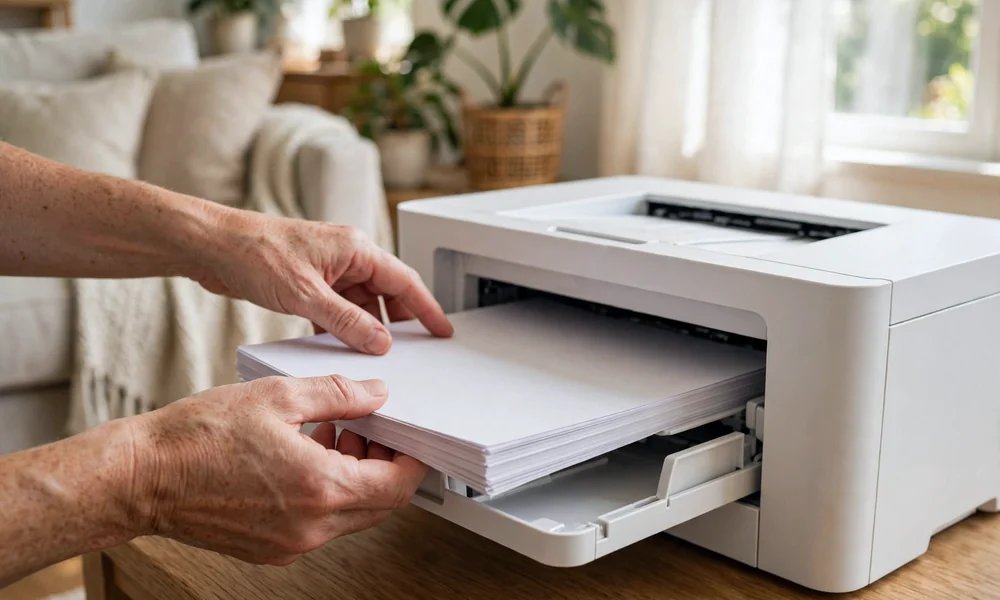
What the best printers share is a feeling of thoughtfulness. The paper tray slides out smoothly and holds a sensible stack, the buttons are clear and few, and the printer tells you plainly when ink is running low instead of stopping mid-page without warning. Their wireless setup is genuinely simple: a phone finds the printer in a minute, and it stays connected for months. They are also quiet, which matters more than it sounds when the printer lives in a bedroom or a small flat.
The Worst Printers of 2026
The worst printers of 2026 are not always the cheapest, and that is what makes them so frustrating. Some look smart on the shelf and come with a long list of features, but within a few months the problems start: the printer forgets the Wi-Fi password, the ink dries out between uses, and a paper jam needs tweezers and patience to clear. Owners find themselves on support lines again and again, being told to reinstall the same driver for the third time.

Noise is where many of the worst printers fall down hardest. They clunk and grind through every page, they whirr for a full minute before the first page appears, and they wake the whole house when someone prints late at night. On a long print job the paper feeds crooked, the pages come out creased, and the printer stops halfway to complain about a cartridge it insisted was full only yesterday. A printer that is tiring to use is a printer you will grow to resent, however good it looked in the shop.
Then there are the running costs. The worst printers are often thirsty, with cartridges that hold very little ink and cost a surprising amount to replace. Some refuse to print in black and white when a single colour cartridge runs out, which is a particularly galling trick. Ink subscriptions can look like a bargain and then quietly charge you for pages you never printed, and cancelling them is rarely as easy as signing up.
Inkjet, Laser, or Tank: Which Type Wins
Inkjet printers win for most homes, and it is not close. A good inkjet prints sharp text and decent photographs, it is small enough to sit on a shelf, and it costs little to buy. The best inkjets of 2026 handle occasional use well, with print heads that resist drying out and cartridges that do not empty themselves while the printer sits idle. Their weakness is volume: if you print hundreds of pages a month, the ink bill adds up fast.
Laser printers are the sweet spot for anyone who prints mostly in black and white. A mono laser produces beautifully crisp text, it prints quickly, and the toner cartridge lasts for thousands of pages, so the cost per page is tiny. A laser printer never dries out, because toner is a dry powder, which makes it perfect for the person who prints in bursts with long gaps in between. Colour lasers are dearer and bulkier, and their photographs are merely adequate rather than good.
Ink tank printers are the clever middle ground, and the best of them are now so good that many families will never go back. They use refillable tanks instead of cartridges, so a bottle of ink prints thousands of pages for a few pounds. There is no cartridge to throw away and no chip to argue with: you simply pour the ink in and the printer does the rest. For a household that prints homework, tickets, and forms every week, a good tank printer is often the cheapest printer to run overall.
The Real Cost: Ink, Paper, and Repairs
Paper is the cost nobody thinks about until they have bought a printer. Cheap paper jams more, it curls in the tray, and it makes photographs look dull, while a decent mid-priced paper feeds cleanly and makes text look sharper. The best printers are forgiving about paper: they take ordinary copy paper without complaint and only ask for photo paper when you actually want a photograph. The worst printers are fussy, jamming on anything but their own brand.
Repairs deserve the same attention as ink costs. A printer that is cheap to buy but impossible to fix is no bargain at all, because a single failed print head can cost more than a new machine. A printer is also only as good as the screen it sits beside, and our comparison of the best and worst monitors of 2026 shows how much difference a clear display makes to a home desk.
How to Buy a Printer Without Regret
The single most useful thing you can do before buying a printer is to work out how much you actually print. Count the pages in a normal month, including the homework, the tickets, and the forms, and then work out the cost per page for each printer you are considering. A printer that looks expensive can be the cheapest one you will ever own if you print a lot, and a bargain printer can be the dearest if you print little but its ink keeps drying out.
Check the wireless setup with real numbers before you buy, not after. Look at owner reviews for the exact model you are considering, because the same printer can be brilliant on one network and troublesome on another. Check how loud it is, how long the first page takes, and whether it prints both sides of the page by itself. A keyboard and mouse matter to a desk too, and our comparison of the best and worst keyboards of 2026 explains which ones are worth typing on all day.
Finally, do not be rushed. A good deal today will usually still be a good deal tomorrow, and a shop that pressures you to decide on the spot is telling you something about how it does business. Check the printer in daylight, look at a sample page it has printed, and if you are buying second hand, print a test page and a photograph before you pay. A printer that prints cleanly on the first page will usually print cleanly for years.
Best vs Worst Printers at a Glance
| What matters | Best printers | Worst printers |
|---|---|---|
| Print quality | Sharp black text, natural colour | Streaks, grey blacks, smeary photos |
| Reliability | Connects first time, stays connected | Forgets Wi-Fi, freezes, needs reinstalls |
| Cost per page | Low, with high-capacity ink or tanks | Tiny cartridges, dear ink, wasted pages |
| Noise | Quiet, quick first page | Clunks, grinds, wakes the house |
| Paper handling | Feeds straight, rarely jams | Crooked feeds, creased pages, jams |
The Verdict
The best printers of 2026 are the ones that make life easier without asking for much in return. They are reliable, quiet, economical, and honest about their ink, and they print cleanly because that is the one job a printer has. They do not need to be fast or flashy: they simply work, day after day, whenever you need a page.
The worst printers of 2026 are the ones that demand too much and give too little back: too much money in ink, too much time spent fixing jams, and too much patience spent on unfinished software. A printer is a tool you rely on at short notice, and when the tool fails, everything else in your day gets harder.
So buy with your head as well as your heart. Choose the type that fits the printing you actually do, work out the cost per page before you pay, and walk away from anything that jams, dries out, or loses its connection on the shop floor.


