
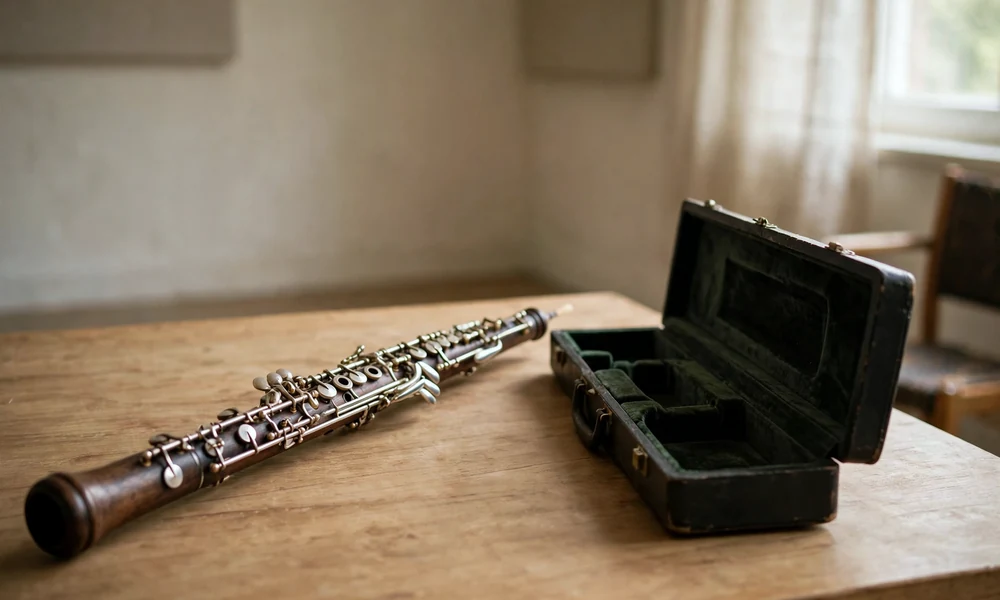
An oboe is a small instrument with a very large voice. It is the sound that tunes the orchestra, the clear, singing tone that rises above the strings. It is also one of the hardest instruments to buy well. A good oboe speaks easily, stays in tune, and lets the player shape a phrase without fighting the instrument. A bad oboe resists, squeaks, goes sharp on one note and flat on the next, and turns practice into a chore. The best oboes of 2026 are not the most expensive ones. They are the oboes that play in tune, respond to a gentle breath, and keep working season after season.
What Makes an Oboe Good
The first thing to judge is the sound. A good oboe has a warm, focused tone that is sweet without being thin and full without being harsh. It should sing in the middle register, where most melodies live, and keep that character as the player moves higher or lower. If the tone is pinched or nasal, the player will always be working against the instrument. A pleasing, even sound matters more than the wood, the brand or the price.
The second thing is tuning. An oboe lives or dies by its intonation, because the player cannot bend a note far without losing tone. A good oboe plays in tune with itself, so the octaves line up and the awkward notes do not stick out. The player should be able to trust the instrument and spend practice time on phrasing instead of constantly adjusting to rescue a sharp or flat note.
The third thing is the mechanism. The keys should move quietly and evenly, closing each hole fully with a light touch, and the springs should be firm enough to seal but not so stiff that small hands tire quickly. A well-made oboe feels smooth under the fingers, with no clicking or sticking keys. The player should be able to run a scale quickly, with every note speaking as the finger lands.
The Main Types of Oboe
Student oboes are built for beginners. They are usually made from a tough resin rather than wood, which makes them less sensitive to temperature and humidity and far harder to crack. They have a simplified key system, often without the extra keys advanced players use, which keeps the instrument lighter and easier to learn. A student oboe will not have the depth of a wooden instrument, but it should still play in tune, and it is the sensible choice for a first year or two.
Intermediate oboes sit in the middle. They are often made from wood, or from a wood-and-resin combination, and they add the extra keys that a growing player needs, such as the left-hand F key and a more complete trill-key set. The tone is richer and more flexible than a student model, and the instrument can carry a player through school ensembles, youth orchestras and graded exams. For a player who has been playing for two or three years and is ready to take the next step, an intermediate oboe is usually the best value.
Professional oboes are made from seasoned grenadilla wood, with a full conservatory key system and a bore voiced for a rich, complex tone. They respond to the smallest change in breath, giving an experienced player a wide palette of colours and dynamics. They also demand more care: wooden oboes need to be played in gradually, kept away from sudden changes in temperature, and serviced regularly.
How to Choose Your First Oboe
Start with the player, not the catalogue. A young beginner needs a light instrument with a comfortable reach and keys that are easy to press, while an adult returning after years away may want a fuller sound and a complete key system. A teacher’s advice is worth more than any review, because the teacher knows the player’s hands, breath and goals. If possible, try two or three oboes side by side with the same reed, and listen for the one that speaks most easily.
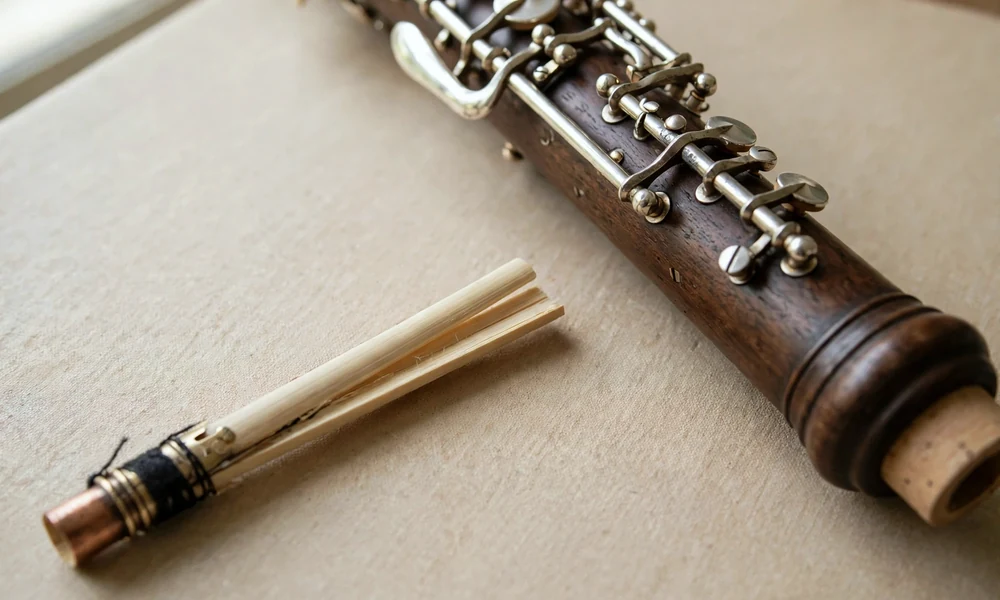
Think about the reed as part of the choice. The oboe reed is a small double reed made from cane, and it has a bigger effect on the sound than many beginners expect. A soft or medium-soft reed is easier to blow and kinder to a new player, while a harder reed gives more resistance and a fuller tone for an experienced player. Reeds wear out in a few weeks, so budget for a steady supply, and learn how to soak a reed properly before playing and how to store it so it does not dry out and crack.
The Best Oboes of 2026
The best student oboe of 2026 is a durable resin model with a simple, reliable key system and a clear, steady tone. It plays in tune across its range, the keys move smoothly, and it can survive being carried to school every day. It is light enough for a young player to hold for a full lesson, and it comes with a sturdy case and a reed that is easy to start on. For a first oboe, this is the pick that makes the most sense for most families.
The best intermediate oboe this year is a wooden instrument with a full set of extra keys and a warm, flexible sound. It has the left-hand F key, a complete trill system and a low B-flat key, so it can handle the repertoire a growing player meets in youth orchestra and exams. The tone is richer than a student model, and the mechanism is smooth enough for fast passages. It is the oboe for the player who practises most days and wants an instrument that will last for years.
The best professional oboe of 2026 is a grenadilla instrument with a conservatory key system, voiced for a deep, complex tone that carries in a concert hall. It responds to the lightest change in breath, so a skilled player can shape a phrase from a whisper to a full, ringing sound. The keywork is precise and quiet, the tuning is steady, and the wood is seasoned so the instrument stays stable. It is the oboe for the player who performs regularly.
The best oboe for an adult beginner is a lightweight intermediate model that is easy to hold and forgiving to blow. It has enough keys to grow into, but it does not demand the strength of a professional instrument. The tone is warm and pleasant from the first weeks, which matters, because an adult learner needs encouragement as much as accuracy. It is a good choice for someone returning to music after a long break, or starting for the first time.
The best oboe for a young player is a short, light student model with a simplified key system and a comfortable reach. It is small enough to hold without strain, the keys fall naturally under small fingers, and the reed is soft enough to make a sound on the first day. The instrument should be light, the case easy to carry, and an adult should help with soaking and storing the reeds. A good first oboe makes playing feel easy from the very first lesson, and that first impression decides whether a child comes back.
Reeds, Cases and Accessories
An oboe on its own is only half the kit. Reeds matter as much as the instrument, and a player should always carry at least two or three, because a reed can fail in the middle of a rehearsal. A reed case keeps them safe, and cork grease, a cleaning swab and a soft cloth are essential for daily care. A sturdy case protects the oboe in transit, and a music stand, a metronome and a tuner help practice stay focused.
Looking After a Wooden Oboe
A wooden oboe needs gentle, regular care. It should be played in gradually when it is new, starting with short sessions and building up over several weeks. After playing, swab the bore to remove moisture, wipe the keys with a soft cloth, and put the instrument back in its case rather than leaving it in a cold or hot room. Oiling the bore from time to time, as the maker advises, keeps the wood from drying out.
Temperature is the other enemy. Never leave an oboe in a hot car or a freezing room, because a sudden change can crack the wood. Carry it in its case, let it warm up slowly before playing in winter, and have it serviced once a year. A well-kept oboe will play beautifully for decades, while a neglected one loses its tone in a single season.
Common Mistakes to Avoid
The biggest mistake is buying too advanced an oboe too soon. A professional instrument looks impressive in the shop and feels resistant and hard to control for a beginner, and it can build bad habits that take months to undo. The second mistake is using a reed that is too hard, which makes the player bite and squeeze and produces a thin, pinched sound. The third is skipping the basics of breath support: the oboe needs a steady, supported breath, not a forced blast, and a player who learns to breathe well will sound better on a modest oboe than a tense player on an expensive one.
Another common mistake is neglecting the instrument after playing. Leaving moisture in the bore or forcing a stiff joint can cause damage that is expensive to repair. Grease the joints lightly, remove the reed after playing, and put the oboe away with care. A minute of care after each session saves hours of repair later.

How the Oboe Fits with Other Instruments
The oboe sits at the heart of the woodwind section, and learning it opens the door to a wider musical world. Its fingering and breath control have a lot in common with other single-reed and double-reed instruments, and many oboists find they can pick up a related instrument more quickly than a complete beginner. Readers who enjoy the oboe will find plenty to like in the best clarinets guide, which covers a close woodwind cousin with a warmer, rounder sound and a very different reed.
The oboe also shares the orchestra with the brass and the strings, and its clear, penetrating tone is often the one the audience remembers after a concert. The same patience that steadies an oboe phrase helps in any section, and players who love the blend of an orchestra often enjoy exploring the best trumpets and the best violins guides, which cover the same idea from a different angle: the right instrument, matched to the player, makes the whole ensemble more musical.
The Verdict
The best oboe of 2026 is the one that fits the player holding it. For most beginners that means a durable, easy-blowing student oboe: clear, in tune and able to survive daily use. For the growing player, a wooden intermediate oboe with a full key system is the better tool. For the serious performer, a grenadilla professional oboe is the most rewarding instrument in the family. Whatever the choice, start with a soft reed, learn to breathe well, look after the wood and keep a spare reed in the case. An oboe chosen this way will not just sound well on the first day; it will still be singing years from now, and every good phrase will feel like it was earned.


