
A good telescope can change the way you see the night sky. The right one pulls the rings of Saturn into view, shows the craters of the Moon in sharp relief, and turns a clear evening in the garden into something you will remember for years. The wrong one does the opposite. It shows you a dim, wobbly smudge, refuses to stay pointed at anything, and ends up gathering dust in a cupboard after a single frustrating night. The gap between the best and the worst telescopes of 2026 is wider than most buyers expect, and it has very little to do with the magnification number printed on the box.
This comparison puts the best telescopes of 2026 head to head against the worst, judging them the way you would actually use them: how much light they gather, how steady and sharp the view is, how easy they are to point and focus, and how long they keep working before something breaks. A good telescope earns its place in your evenings. A bad one teaches you an expensive lesson about trusting a bargain.
Key Takeaways
- Aperture matters more than magnification: a wide front lens or mirror gathers the light that makes faint objects visible.
- Look for a solid mount first: a shaky tripod ruins the view from even the best optics.
- Cheap telescopes that promise 500x or 600x magnification are almost always a trap.
- A simple Dobsonian reflector is the best value for most beginners in 2026.
- The worst telescopes are dim, wobbly, and hard to aim, which is why they end up unused.
What the Numbers Mean: Aperture, Focal Length, and Magnification
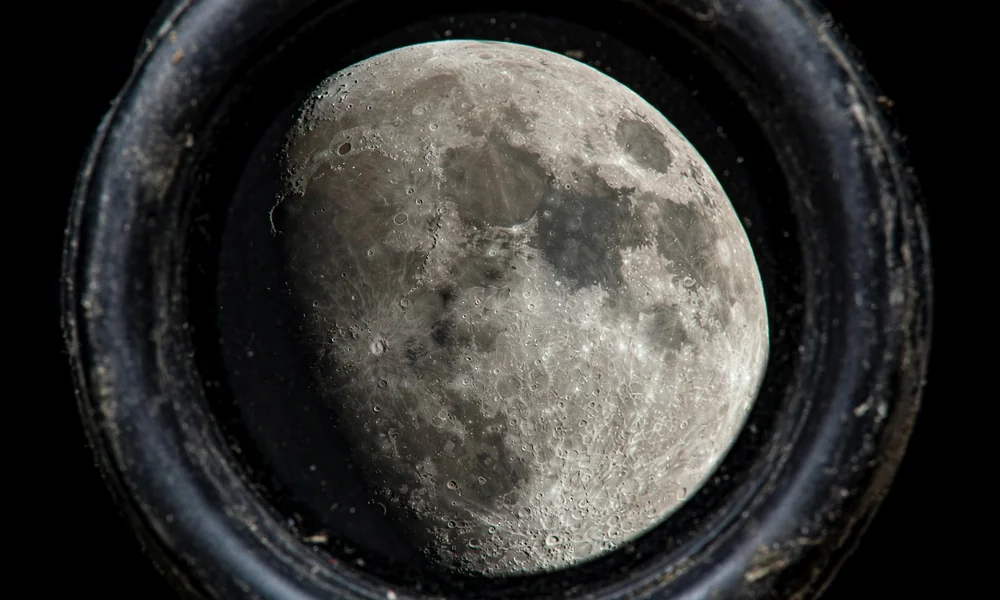
Every telescope carries a few numbers, and understanding them saves you from most buying mistakes. The most important is the aperture: the diameter of the front lens or mirror, usually given in millimetres or inches. A 70mm telescope gathers far less light than a 150mm one, and light is everything in astronomy. The Moon is bright enough for almost any telescope, but galaxies, nebulae, and star clusters are faint, and only a wide aperture can pull them out of the dark.
The second number is the focal length, which decides how much magnification you get with a given eyepiece. Divide the focal length by the eyepiece focal length and you get the magnification: a 900mm telescope with a 25mm eyepiece gives 36x, and with a 10mm eyepiece it gives 90x. Longer focal lengths give higher magnification, but they also narrow the field of view, so finding objects becomes harder. Short, wide-field telescopes show more sky at once and are friendlier for beginners.
Magnification itself is the number sellers love to shout about, and it is the least important of the three. There is a hard limit to useful magnification, roughly twice the aperture in millimetres, and beyond that the image only gets bigger, dimmer, and blurrier. A small telescope claiming 600x is not showing you more detail than a good one at 100x. It is showing you a larger blur. Ignore the biggest number on the box and check the aperture instead.
What Makes a Telescope Good: Optics, Mount, and Eyepieces
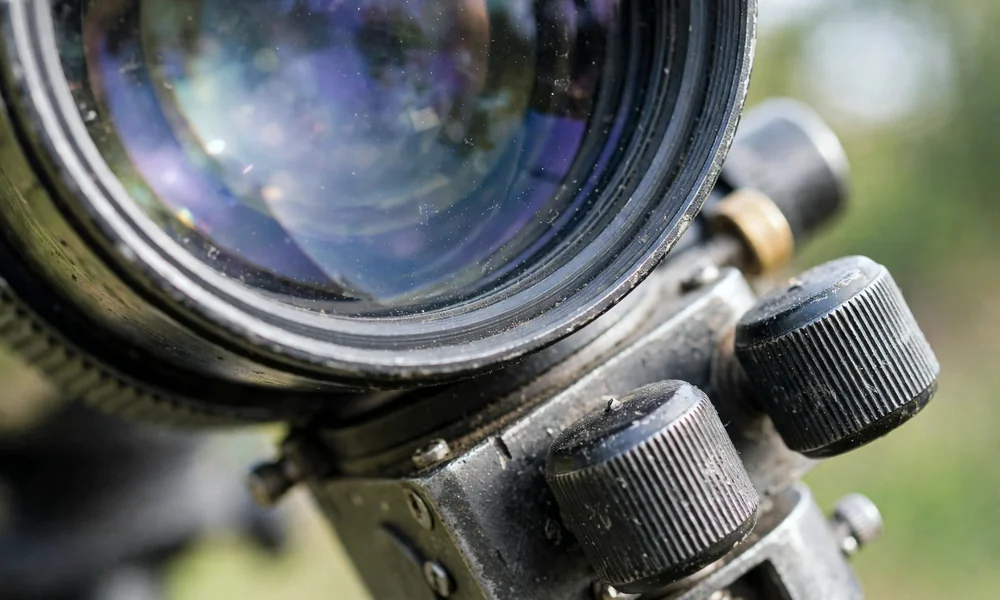
The view through a telescope is decided by the quality of its optics. Good mirrors and lenses are ground and coated to a fine standard, so stars focus to tight points and the Moon shows crisp edges. Cheap optics often have rough surfaces and poor coatings, which scatter light and turn every star into a fuzzy blob with a halo. Look through a telescope at a bright star: a tight, clean point means good optics, and a smeared, flaring smudge means the glass was made to a price, not a standard.
Then there is the mount, which matters just as much and gets far less attention. A telescope is useless if it will not stay where you point it. Good mounts are solid, smooth, and damped, so the image settles within a second or two after you touch the telescope. Bad mounts are thin, wobbly tripods that shake for several seconds after every adjustment, and at high magnification that shake is all you see. Many beginners blame the optics when the real fault is the tripod underneath them.
The Best Telescopes of 2026
Best for most beginners: a Dobsonian reflector
The strongest all-round beginner telescopes of 2026 are Dobsonian reflectors, usually with a 150mm or 200mm mirror sitting in a simple wooden rocker-box mount. The design puts almost all of the money into the mirror rather than into electronics or a fancy tripod, so you get far more aperture for your money than with any other type. The view is bright, the mount is rock steady, and pointing it is as simple as pushing the tube by hand.
A Dobsonian shows you the most sky for the least money. The Moon is spectacular, Jupiter shows its cloud bands and four bright moons, Saturn shows its rings, and on a dark night you can find dozens of star clusters and nebulae. The only real drawback is size: a 200mm Dobsonian is a large tube that needs car space and a garden to live in. If you have the room, nothing else comes close for the price.
Best for small spaces: a compact refractor on a sturdy mount
Not everyone has room for a large reflector, and the best small telescopes are compact refractors with an 80mm to 100mm lens on a solid alt-azimuth mount. They are light enough to carry outside in one trip, quick to set up, and give sharp, high-contrast views of the Moon, the planets, and double stars. For a balcony, a small garden, or a family that wants to look at the sky without a big commitment, this is the right choice.
The good compact refractors keep the features that matter: a proper glass lens, a smooth focuser, and a mount that does not wobble. The bad ones cut all of them to hit a low price, and the result is a dim, shaky view that puts beginners off astronomy for good. Check the mount before you buy, and if the tripod feels flimsy in the shop, it will feel worse under a dark sky.
Best for deep-sky fans: a larger reflector with a tracking mount
For anyone who wants to go beyond the Moon and planets, a larger reflector on a tracking mount is the step up. The extra aperture pulls faint galaxies and nebulae into view, and the tracking mount follows the sky as the Earth turns, so objects stay in the eyepiece instead of drifting away in a minute. These telescopes cost more and need more patience to set up, but for serious observing they are worth every penny.
The Worst Telescopes of 2026
Worst for beginners: the 600x department-store telescope
The worst telescopes of 2026 are the ones sold in toy shops and department stores with dramatic claims on the box: 600x magnification, a picture of a galaxy on the front, and a price that seems too good to be true. The trick is that the tiny 50mm lens cannot gather enough light to support that magnification, so the image is dim, blurry, and impossible to hold steady. The mount is a thin plastic tripod that shakes for seconds after every touch, and the finder scope is so badly aligned that finding the Moon, let alone anything else, becomes a chore.
Worst for comfort: telescopes with plastic focusers and flimsy mounts
Some telescopes look impressive in the shop and punish you within ten minutes of real use. The focuser is made of loose plastic that slips under the weight of the eyepiece, so the image never quite snaps into focus. The mount wobbles, the slow-motion controls stick or jump, and the eyepieces are small, uncomfortable, and hard to look through. These are the telescopes that get used once, then live in a cupboard.
Worst for value: telescopes that break before the first clear night
The most frustrating telescopes are the ones that fail before you have even had a proper night with them. The mirror coating flakes, the tripod leg snaps, the focuser strips its thread, or the mount head cracks under the weight of the tube. None of this is visible in the shop, which is exactly why it catches so many buyers out. A telescope that cannot survive being carried outside a few times is not a bargain at any price.

Best vs Worst Head to Head
Put the best and the worst side by side and the differences are visible in seconds. The best telescope gives you a bright, steady view the moment you look through it, with stars as tight points and the Moon sharp enough to see individual craters. The worst gives you a dim, wobbly blur that you have to fight to keep in the eyepiece, and the focus knob slips at exactly the wrong moment. Under a dark sky the gap is enormous.
The best telescopes are also the ones you keep using. They are quick to set up, comfortable to look through, and solid enough to survive being carried outside night after night. The worst are the ones you stop reaching for: too dim, too shaky, too fiddly, until one day you realise you have not used yours in months. That is the real cost of a bad telescope, and it is larger than the price on the box.
The Verdict
The best telescopes of 2026 are the ones that disappear between you and the sky: bright, steady, and easy to point. A Dobsonian reflector is the right starting point for almost everyone, with a compact refractor for small spaces and a larger tracking reflector for deep-sky observing. The worst telescopes are the 600x department-store models, the plastic-focusers, and the flimsy mounts that break before the first clear night. They look like a bargain and cost you more in the end, because you will replace them, and you will have missed the nights you bought them to see.
Who Each Is For
If you want one telescope that does everything well, buy the best Dobsonian you can afford and stop shopping. If you live in a flat or have a small garden, a good compact refractor will serve you better than a large telescope you cannot store. If you dream of galaxies and nebulae, save for a larger reflector with tracking. And if you are tempted by a telescope with an enormous magnification number on the box, spend the money on aperture and a solid mount instead. Your future self, standing under a clear dark sky with Saturn sharp in the eyepiece, will be glad you did.
For a closer look at how optics choices play out across other gadgets, see our comparison of the best and worst binoculars of 2026, which covers similar questions about glass, coatings, and value. If your interests run to photography rather than the night sky, our guide to the best and worst cameras of 2026 faces the same trade-offs between lenses and build quality. And for another take on portable tech that has to work outdoors, the best and worst drones of 2026 weigh weight, weather, and image quality in the same way.


