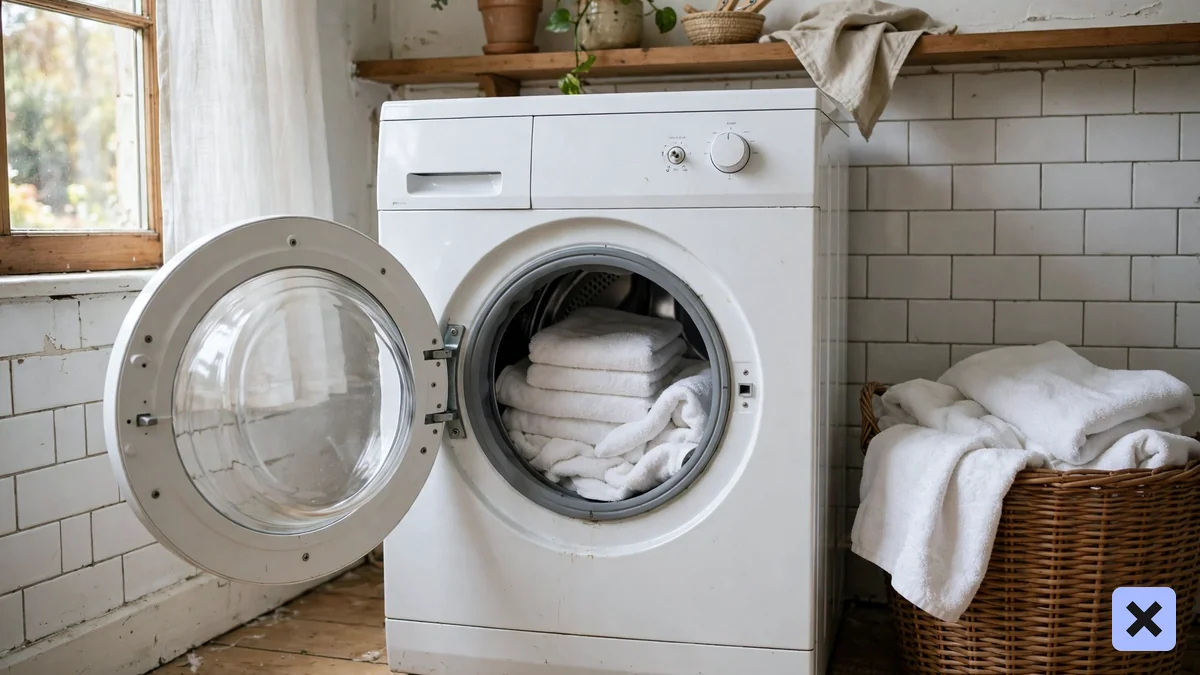
A washing machine is one of the few appliances you buy expecting a decade of quiet service. The best washing machines of 2026 clean properly on the first run, treat your clothes gently, run quietly enough to forget, and keep doing it year after year. The worst look nearly identical in the shop, then leave detergent streaks on dark clothes, shake the floor during the spin, develop a damp smell within months, and need a repair visit before their second birthday. This guide puts the best and the worst washing machines of 2026 head to head, so you can spot the difference before the machine is sitting in your laundry room.
Key takeaways
- The best washing machines clean heavily soiled clothes without a second run, rinse detergent out fully, and spin clothes dry enough to shorten drying time.
- The worst leave grit, detergent residue, and damp smells behind, and they get louder and rougher as they age.
- Drum size, motor type, and spin speed matter far more than the number of wash programs printed on the control panel.
- A cheap machine that needs replacing in four years costs more than a solid mid-priced model that lasts ten.
- Check the noise rating, the warranty on the motor, and the depth of the machine before you measure anything else.
What separates the best from the worst
The gap between a great washing machine and a poor one is mostly hidden inside the cabinet. A good machine moves water through the drum in a pattern that lifts dirt away from fabric instead of just pushing clothes around in a puddle. It heats the water to the temperature the program promises, holds it there, and rinses thoroughly enough that no detergent is left sitting in the fibres. A poor machine cuts corners in all of these places at once: weak water flow, a heater that never quite reaches temperature, and a rinse that is too short to clear the soap.
The motor is the second dividing line. The best machines now use direct-drive or inverter motors, which are quieter, use less electricity, and have fewer moving parts to wear out. A traditional belt-driven motor is not automatically bad, but it is louder, and the belt itself is a part that will eventually need replacing. The worst machines pair a weak motor with a small drum, so the machine strains on every full load, walks across the floor during the spin, and wears its bearings out years early.
Build quality is the third difference, and it is the one that decides how long the machine lasts. On the best machines the door seal is thick and well seated, the detergent drawer slides smoothly and comes out for cleaning, and the drum feels solid when you push it. On the worst, the seal traps water and grows mould, the drawer sticks and leaks, and the drum wobbles on its suspension. A machine that feels flimsy in the shop will not get sturdier with age.
The best washing machines of 2026
The best washing machines of 2026 share a set of qualities that have little to do with brand names or price tags. They clean thoroughly, rinse completely, run quietly, and are built to last.
Cleaning power that holds up on real laundry
A great machine handles the laundry real households produce: muddy sports kit, greasy kitchen towels, a week of work clothes, and a duvet that barely fits in the drum. It does this with a drum that gives clothes room to tumble, a wash action that turns the load over properly, and enough water to carry dirt away instead of redepositing it. The best machines also offer a genuinely useful stain cycle that soaks and agitates in stages rather than simply running longer at a higher temperature. When you open the door, clothes smell of nothing at all.
A motor and drum built for ten years of use
Direct-drive and inverter motors are the quiet workhorses of the best machines. They spin smoothly, hold their speed under a heavy load, and start and stop without the clunk of a belt engaging. Just as important is the drum itself: stainless steel drums resist staining and snagging, while a well-designed drum pattern lifts and drops the load in a way that cleans without beating the fabric to pieces. Capacity matters too. A 9kg or 10kg drum suits most families, because it lets you wash a full load without cramming, and cramming is what wrecks cleaning performance.
Quiet enough to run at night
Noise is one of the easiest differences to measure and one of the most ignored by buyers. The best machines wash at around 50 decibels or less and spin at 72 decibels or below, which is quiet enough to hold a conversation over and to run after the children are in bed. The worst machines rattle, hum, and thump their way through every cycle, and the noise gets worse as the bearings wear. Always check the spin noise figure on the energy label, not just the wash figure, because the spin is the loud part.
Controls that stay simple and a seal that stays clean
The best machines have controls you can understand without the manual: a clear dial or a short list of programs, a delay start, and a quick wash that actually washes. They also have a door seal designed to drain, a detergent drawer that removes completely for a rinse under the tap, and a drain filter you can reach without tools. These small details are what keep a machine smelling fresh after three years instead of developing the damp, musty odour that plagues the worst machines.

The worst washing machines of 2026
The worst washing machines of 2026 fail in the same handful of ways, and once you know what to look for, the warning signs are easy to spot.
Weak cleaning and detergent left behind
The most common failure is simple: the machine does not get clothes properly clean. It uses too little water, tumbles too gently, or rushes through the rinse, so dirt and detergent stay in the fabric. Dark clothes come out with pale streaks. Towels feel stiff and smell stale a day after washing. People blame their detergent, then their water, then themselves, when the machine was the problem all along.
Noise, shaking, and a floor that vibrates
A bad machine announces itself during the spin. It thumps, walks across the floor, and rattles anything standing nearby. This is usually a sign of a weak suspension, a poorly balanced drum, or a motor that cannot hold a steady speed. A machine that needs to be wedged in place with a folded towel is a machine that was built badly. The best machines stay planted and quiet even at full spin speed, because their suspension and motor were designed for the load they carry.
A short life and expensive repairs
The worst machines are built to a price that leaves nothing in reserve. Thin cabinet panels flex and rattle, cheap bearings wear out in two or three years, and the control board is the first thing to fail when the machine gets damp. Warranties tell the story plainly: the best machines offer five or ten years on the motor, while the worst offer a single year on everything and charge extra for anything beyond that. When a manufacturer will not stand behind its own motor, you should ask why.
Programs that promise everything and deliver little
Some of the worst machines hide weak fundamentals behind a control panel crowded with programs: a dozen wash cycles, a steam function, a smart app, and a display that looks impressive in the shop. The extra cycles are often just the same wash at a different temperature with a different name, and the smart features stop working when the app is updated or the manufacturer drops support. Buy the motor, the drum, and the build. The programs are decoration.

Front-load vs top-load: the head-to-head
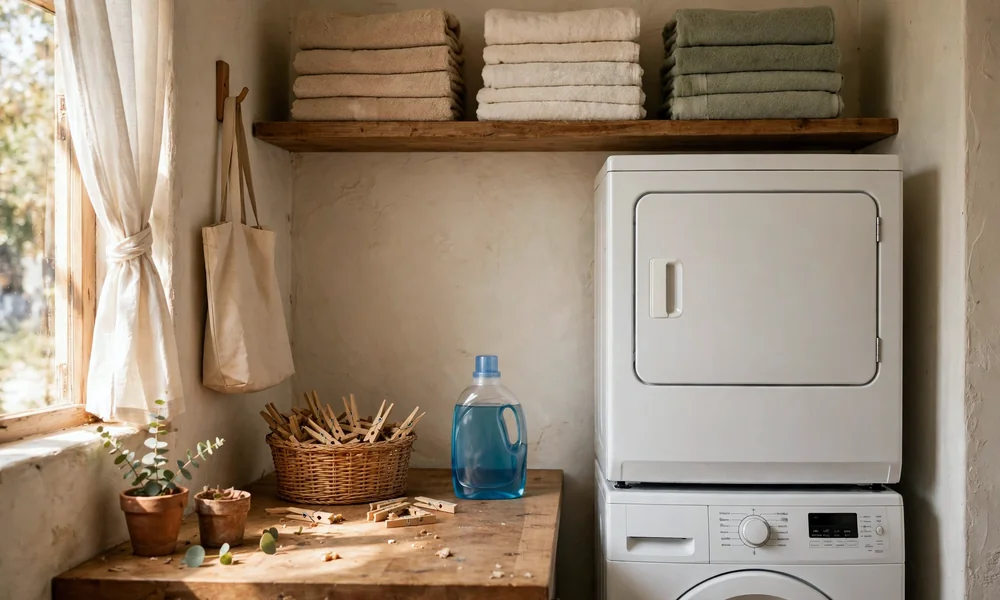
The front-load versus top-load question is the oldest argument in laundry, and the honest answer is that the best of each type beats the worst of the other. Front-load machines clean more gently and use less water, because they lift clothes and drop them through a small pool of water rather than churning them in a full tub. They spin faster, so clothes come out drier, and they stack neatly under a worktop or beneath a dryer.
Top-load machines are easier to load without bending, let you add items at any point, and usually cost less for the same capacity. Their weakness is the agitator in the centre of the drum on older designs, which is rougher on fabric and needs more water to work. The best modern top-loaders use an impeller plate instead of a tall agitator, which is gentler and cleans better, but they still use more water than a front-loader and rarely spin as fast. For most households in 2026, a good front-loader is the better buy, especially if you wash delicates or want lower running costs. A good top-loader wins if bending is difficult or the machine must fit in a space where a front door cannot open.
What to check before you buy
Before you spend money, work through a short checklist. First, measure the space, including the depth with the door open and the height of the hoses, because a machine that does not fit is a machine going back. Second, check the energy label for the spin noise figure and the capacity that matches your household, and read the warranty terms for the motor specifically. Third, open the door in the shop and push the drum: it should feel solid, with a little give and no grinding or scraping. Fourth, pull the detergent drawer out and look at the seal: a drawer that removes easily and a seal that drains are signs of a machine designed to be lived with. Fifth, run your normal load through the machine in the first week and check the result critically, because the return window is your last chance to catch a bad machine cheaply. If the clothes smell stale, feel stiff, or show streaks, send it back.
Our head-to-head of LG vs Samsung washing machines shows how the two biggest names compare on exactly these points, while our guide to the best vs worst dishwashers applies the same test to the machine that handles the other half of household cleaning. And if laundry day extends to pressing and steaming, the best vs worst clothes steamers guide will help you finish the job properly.
Who each is for
The best washing machines are for anyone who washes more than a few loads a week, has a family, cares about how clothes last, or simply does not want to think about laundry at all. They are worth the extra money for households with children, pets, or allergies, because thorough rinsing and reliable cleaning are not luxuries in those homes.
The worst machines are for nobody, really, but they keep selling to buyers who shop on price alone, who need a machine today after the old one died, or who assume every washing machine is roughly the same. The money you save at the till is spent again on detergent, on extra rinses, on repairs, and finally on a replacement years before you expected to buy one.
Verdict
The verdict is straightforward: the best washing machines of 2026 earn their place by cleaning properly, rinsing fully, running quietly, and lasting for years, and they are worth paying for. The worst fail at the fundamentals, hide behind crowded control panels, and cost more over their short lives than the good machines they undercut. Check the noise figure and the motor warranty, and test the machine hard in its first week. Do that, and laundry becomes something you never have to think about again, which is exactly what a washing machine is for.


