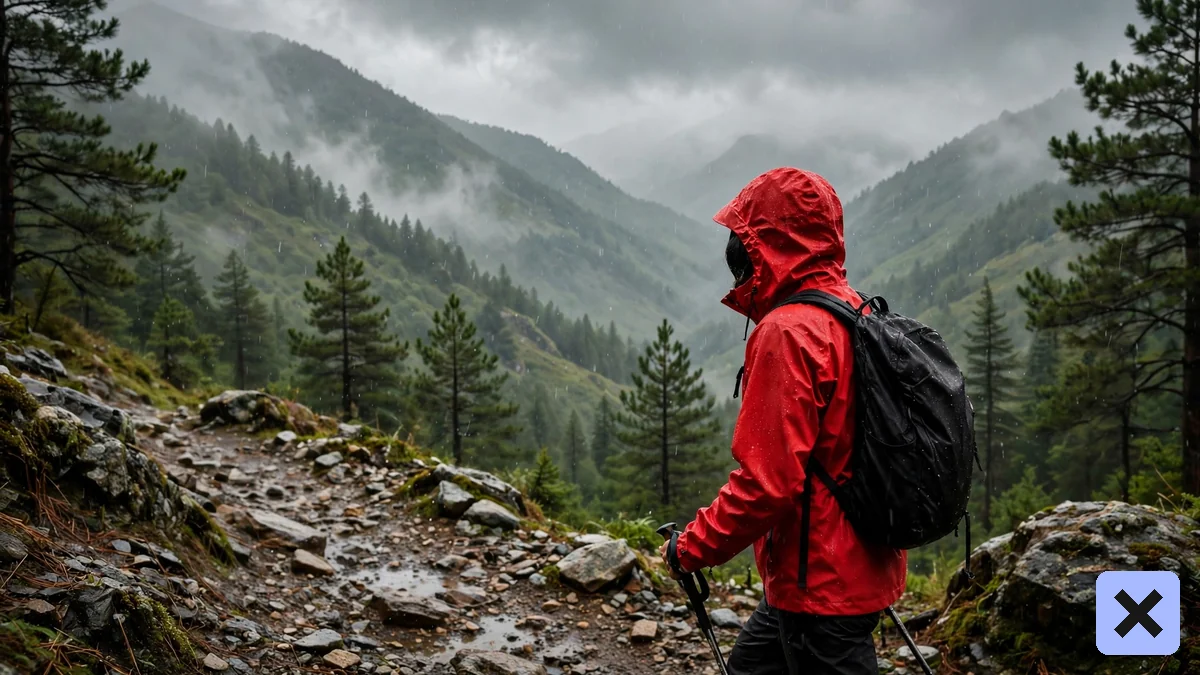
Rain does not ask permission on the trail. One minute the ridge is bathed in sunshine, and the next a cold front rolls in and water starts finding every gap in your clothing. The best waterproof jackets for hiking in 2026 are the difference between a miserable, shivering retreat to the car and a memorable day out in weather that would stop most people at the trailhead. A good shell keeps you dry, blocks the wind, and still lets sweat escape, so you stay comfortable on a steep pass or in a sudden shower.
Choosing the right jacket is harder than it looks. Waterproof ratings, breathability numbers, hood designs, and pocket placement all matter, and hang-tag marketing rarely tells the whole story. A jacket perfect for a short summer shower can be a clammy liability on a long mountain day, while a heavy expedition shell is overkill for a gentle walk. Match the jacket to the hiking you actually do.
This guide ranks the strongest waterproof hiking jackets you can buy in 2026, comparing waterproof ratings, breathability, weight, hood and pocket design, durability, and value, so whether you need an ultralight emergency shell or a tough three-layer workhorse, you will find the right match below.
Key Takeaways
- A three-layer jacket offers the best balance of weather protection, breathability, and durability for serious hiking.
- Look for at least 10,000 mm waterproofing and 10,000 g/m² breathability for all-day comfort in rain.
- An adjustable hood with a stiffened peak keeps rain off your face and your vision clear in driving wind.
- Pit zips are the most useful ventilation feature on a hiking shell, especially on steep climbs in warm rain.
- Try it on with your backpack straps done up: the best jacket fits your pack and your layers.
What Makes a Jacket Waterproof?
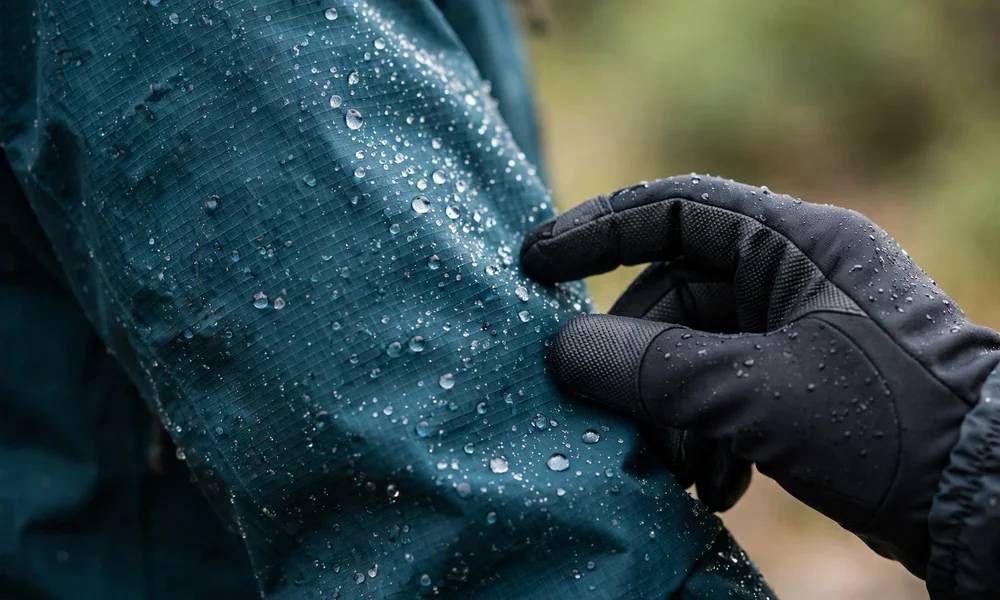
Every waterproof jacket relies on a membrane that blocks liquid water while letting water vapour pass through. A durable water repellent finish, called DWR, makes rain bead up and roll off the outer fabric. When the DWR wears off, the jacket can look wet even though the membrane still works, which is why reproofing matters.
Waterproof ratings are measured in millimetres: 5,000 mm handles light rain, 10,000 mm copes with steady rain and pack-strap pressure, and 20,000 mm or more stands up to prolonged downpours. Breathability is measured in grams of vapour per square metre per day; aim for at least 10,000 g/m².
Construction matters as much as the fabric. Two-layer jackets are affordable but heavier and can feel clammy. Two-and-a-half-layer jackets are light and packable but less durable. Three-layer jackets laminate the membrane between the outer fabric and a fine inner scrim, giving the best durability and the longest life, so if you hike often in rough weather, a three-layer shell is worth it, with fully taped seams and water-resistant zips.
How We Picked the Best Jackets
We started with more than forty waterproof jackets and narrowed the field using hard criteria. Every jacket here has a waterproof rating of at least 10,000 mm, fully taped seams, an adjustable hood, and a hiking-specific design. We then weighed breathability, weight, packability, pockets, hood quality, and durability, favouring jackets that work well with a loaded backpack.
The Best Waterproof Jackets for Hiking 2026
| Jacket | Waterproof Rating | Breathability | Weight | Best For |
|---|---|---|---|---|
| Arc’teryx Beta LT | 20,000 mm | 20,000 g/m² | 340 g | All-round mountain use |
| Patagonia Torrentshell 3L | 20,000 mm | 20,000 g/m² | 345 g | Best value three-layer |
| Outdoor Research Aspire II | 20,000 mm | 20,000 g/m² | 330 g | Best for women hikers |
| Montane Phase Nano | 20,000 mm | 20,000 g/m² | 285 g | Ultralight emergency shell |
| Rab Downpour Plus 2.0 | 20,000 mm | 20,000 g/m² | 360 g | Budget-friendly reliability |
Arc’teryx Beta LT: Best All-Round
The Arc’teryx Beta LT is our first recommendation for hikers who want one shell that does everything well. Its three-layer Gore-Tex construction delivers a 20,000 mm waterproof rating with excellent breathability, in an athletic cut that still fits a mid-layer. The hood is the best here, adjusting in three directions with a laminated peak that holds its shape in driving rain, and the harness-compatible pockets sit where your hands fall under a pack. At 340 grams it is light for long days, yet the 40-denier face fabric resists scuffs from rock and straps far better than most ultralight shells. It is expensive, but it should last five years.
Patagonia Torrentshell 3L: Best Value
The Patagonia Torrentshell 3L proves a proper three-layer jacket need not cost a fortune. Its H2No membrane is rated to 20,000 mm, the recycled nylon face fabric is tough for its weight, and it includes pit zips, an adjustable hood, and hip-belt-clearing hand pockets. At 345 grams it is barely heavier than jackets costing twice as much. The hood adjusts well but lacks the sculpted peak of the best designs, and the fit is roomy. Those are minor quibbles for most walkers: this is a dependable shell with a strong warranty and repair programme, and the best choice for three-layer performance at a fair price.
Outdoor Research Aspire II: Best for Women
The Outdoor Research Aspire II is a women-specific shell that gets the details right. The cut is shaped without pinching at the hips, the sleeves are long enough for scrambling, and the hood fits over a ponytail. Its three-layer Pertex Shield membrane is rated to 20,000 mm waterproof and 20,000 g/m² breathability, and the TorsoFlo vents run from hem to underarm, giving far more airflow than standard pit zips. At 330 grams it is light for a full-featured three-layer jacket, with a chest pocket that swallows a phone and a map. For a shell designed around your shape, the Aspire II is the standout pick.
Montane Phase Nano: Best Ultralight
The Montane Phase Nano is the jacket you always carry and almost forget you are carrying. At 285 grams it is the lightest full-featured shell here, compressing to roughly the size of a grapefruit, so it fits in a jacket pocket or the smallest corner of a day pack. The three-layer Pertex Shield fabric still delivers a 20,000 mm waterproof rating, and the hood, hem, and cuffs adjust properly. The trade-off is durability: the 20-denier face fabric will not survive years of scraping against rock, and there are no pit zips. For fast-and-light hikers wanting insurance against a sudden storm, those compromises are well judged. Just make sure your hiking backpack has room for a rain shell alongside your water, food, and layers.
Rab Downpour Plus 2.0: Best Budget
The Rab Downpour Plus 2.0 is for hikers who want reliable waterproofing without premium prices. Its two-and-a-half-layer Pertex Shield fabric is rated to 20,000 mm, the seams are fully taped, and the hood adjusts two ways with a stiffened peak. At 360 grams it is a little heavier than the ultralight options, but the face fabric feels tougher, and the fit is comfortable over a fleece, with a longer back hem for hip-belt coverage. You give up pit zips at this price, so warm-weather ventilation is limited to the front zip and cuffs, and the single chest pocket is smaller than the hand pockets on pricier rivals. For weekend walkers needing a trustworthy shell for the occasional downpour, those are acceptable trade-offs.
How to Choose the Right Jacket
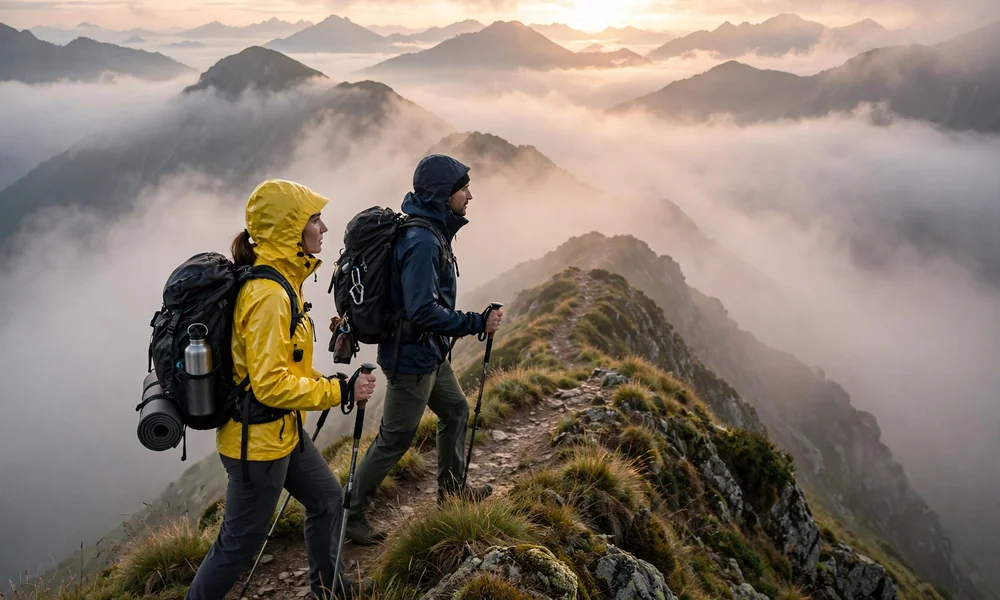
Start with your climate and season. If you hike mostly in summer in mild regions, a light two-and-a-half-layer shell with good ventilation will serve you well and pack down small. If you hike year-round in the mountains, where rain can turn to sleet and wind strips heat fast, a three-layer jacket with a higher denier face fabric is safer.
Fit matters more than brand. Try the jacket on with the layers you actually wear underneath, then put your backpack on and tighten the straps. Check the hood turns with your head, the pockets are reachable above the hip belt, and the hem does not ride up when you reach overhead. Footwear matters too, since a good shell is only part of a waterproof system, and the best hiking boots for 2026 will keep your feet as dry as your jacket keeps your torso.
Mind the small features that make a big difference on the trail. Pit zips are worth their weight on steep climbs, a two-way front zip lets you vent from the bottom while keeping the top closed, and a chest pocket that fits a phone keeps your navigation dry. Be honest about your budget: a mid-priced three-layer jacket will keep you dry on most hikes, and a premium shell buys refinement and durability rather than fundamentally drier weather.
Checklist: Before You Buy
- Check the waterproof rating is at least 10,000 mm, and 20,000 mm for mountain use.
- Confirm breathability of at least 10,000 g/m² so sweat escapes on climbs.
- Make sure the seams are fully taped and the zips are water-resistant.
- Try the hood on and check it moves with your head without blocking side vision.
- Test the fit with your backpack on, checking pocket access and hem length.
- Look for pit zips if you hike hard or in warm, wet weather.
Caring for Your Waterproof Jacket
A waterproof jacket is not a buy-and-forget item. The DWR finish that makes rain bead up wears off with use and washing, and once it is gone the face fabric wets out, making the jacket feel cold and clammy even though the membrane is still waterproof. Wash it regularly with a technical cleaner, never ordinary detergent or fabric softener, and tumble dry on low heat to reactivate the DWR. When water stops beading, reproof with a spray-on or wash-in treatment. With care, a good three-layer shell can last a decade.
Frequently Asked Questions
What waterproof rating is best?
For most hiking, 10,000 mm is the minimum worth buying and 20,000 mm is the sweet spot for all-season and mountain use. Higher ratings resist pack-strap pressure and prolonged downpours better, but breathability matters just as much, so look for a balance rather than the biggest number alone.
Are expensive jackets worth it?
Usually, yes, if you hike often. Premium jackets offer better hoods, tougher fabrics, cleaner fits, and longer warranties, and they last years longer than budget shells. Occasional walkers will be happy with a mid-priced three-layer jacket.
How do I stop my jacket feeling clammy?
Open the pit zips on climbs, slow your pace slightly, wear a moisture-wicking base layer, and keep the DWR fresh so the face fabric does not wet out. No membrane breathes as fast as you sweat on a steep hill.
Can I machine-wash my jacket?
Yes, and you should wash it regularly. Use a technical cleaner for waterproof fabrics, close all zips and tabs, wash on a gentle cycle, and tumble dry on low heat to reactivate the DWR. Avoid ordinary detergent, bleach, and fabric softener, which can damage the membrane.
Do I still need an umbrella?
For most hiking, a good jacket is enough, and an umbrella is awkward on steep or windy trails. On gentle lowland walks in light rain, though, some hikers prefer one for ventilation, and the best travel umbrellas for rain in 2026 are a handy backup for town days and flat trails.
How long should a jacket last?
A well-made three-layer jacket should last five to ten years with proper care, while a light two-and-a-half-layer shell may last three to five years. Reproof the DWR when water stops beading, repair tears promptly, and replace the jacket when the membrane leaks or delaminates.
The Bottom Line
The best waterproof jackets for hiking in 2026 combine a 20,000 mm waterproof rating, breathable fabric, a well-designed hood, and a fit that works under a loaded pack. The Arc’teryx Beta LT is the best all-round choice, the Patagonia Torrentshell 3L the best value, and the Montane Phase Nano the one to carry when every gram counts. Whichever you choose, try it on with your pack, keep the DWR fresh, and head out with confidence: the rain is no longer a reason to stay home.