
Best Wool Blankets for Deep, Natural Warmth in 2026
The best wool blankets in 2026 are the ones you reach for on the coldest nights and still love years later: heavy enough to feel substantial, soft enough to sleep under bare-armed, and tough enough to survive regular use without going flat or thin. Wool is a natural fibre, spun into yarn and woven or knitted into a blanket that traps warm air, breathes when you get hot, and resists odours in a way no synthetic can match. But not all wool is equal. A good wool blanket stays soft and springy for decades, while a cheap one feels scratchy, sheds everywhere, and pills into hard little balls. Here is how to tell them apart.
Key Takeaways
- Merino wool is the softest and least scratchy, lambswool is the best value, and woven wool is the hardest wearing of the three.
- Look for roughly 400 to 500 grams per square metre for a bed blanket, and lighter weights for sofa use and layering.
- Check the wool content: 100 percent wool warms and breathes best, while blends trade some warmth for easier washing.
- Bound or fringed edges last far longer than raw cut edges, which fray and curl in the wash.
- Air wool blankets often and wash them rarely, on a cool wool cycle with a wool-safe detergent.
What Makes a Great Wool Blanket
A great wool blanket gets three things right: the fibre, the weight, and the finish. The fibre decides how it feels against skin. Merino fibres are fine and soft, so merino blankets feel smooth even on bare arms, while coarser wool feels warmer but scratchier, and is better as a top layer over a sheet. The weight decides how warm it is: a heavier blanket traps more air and feels more substantial on the bed, while a lighter one suits the sofa and milder nights. The finish decides how long it lasts. Look for tight, even weaving or knitting, bound or neatly fringed edges, and a surface that springs back when you press it. Wool fibres absorb moisture without feeling damp, so you stay warm without waking sweaty, and the blanket needs washing far less often than a cotton or synthetic one.
Wool Blanket Types Compared
Wool blankets come in a few distinct types, and each suits a different use. Merino is the softest, lambswool the best value, woven wool the most durable, chunky knits the cosiest for the sofa, and blends the easiest to care for.
| Type | Warmth | Feel | Best For |
|---|---|---|---|
| Merino wool | High | Very soft, smooth | Direct skin contact, sensitive skin |
| Lambswool | High | Soft, slightly springy | Everyday bed blankets, best value |
| Woven wool | Medium to high | Flat, firm, dense | Long life, layering, guest beds |
| Chunky knit wool | High | Thick, cosy, textured | Sofa throws, reading chairs |
| Wool blend | Medium | Soft, lighter | Easy care, milder climates |
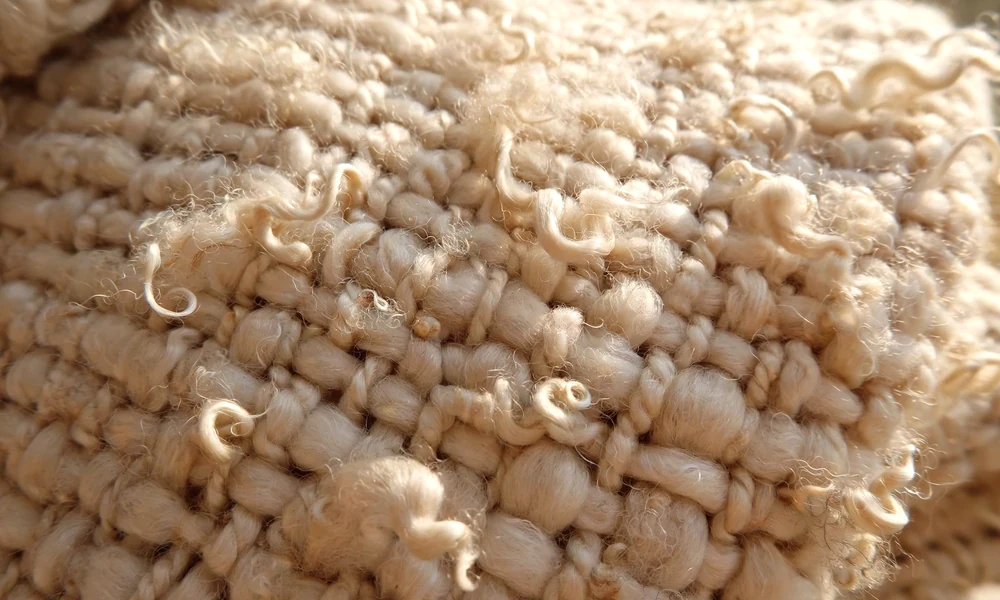
The Best Wool Blankets in 2026
The best wool blankets of 2026 are not the most expensive ones. They are the blankets that match a real use, keep their softness after years of use, and feel right against skin. Below are the three kinds that suit most buyers, from a soft merino for the bed to a hard-wearing woven wool and a cosy chunky knit for the sofa.
Best Merino Wool Blankets
A merino wool blanket is the softest wool blanket you can buy, and the right choice if the blanket will touch bare skin. Merino fibres are finer than ordinary wool, so they bend rather than prickle, and the blanket feels smooth on arms and shoulders. Merino also regulates temperature better than any other wool: it warms you quickly on a cold night, then breathes when the room warms up. Look for 100 percent merino at around 400 grams per square metre for the bed, and check that the edges are bound. A merino blanket costs more than lambswool, but it is the one to buy if you have sensitive skin or you sleep hot.
Best Lambswool Blankets
A lambswool blanket is the best value in wool. Lambswool comes from a sheep’s first shearing, so the fibres are soft and springy, and the blanket feels light for its warmth. It is not quite as smooth as merino, so most people use it as a top layer over a sheet, and that is exactly where it shines: draped over the bed, it adds serious warmth without the weight of a heavy woven blanket. Lambswool holds its shape well, resists flattening, and comes in the widest range of colours and patterns. Buy one at 400 to 500 grams per square metre for the bed, and look for a tight weave with bound edges.
Best Woven and Chunky Knit Wool Blankets
Woven wool blankets are the hardest wearing of all, and the ones that last for decades. Their flat, dense weave resists pilling and shedding, drapes neatly over a made bed, and suits layering under a lighter cover in summer or over a duvet in winter. A woven blanket is also the easiest wool blanket to keep tidy, since its flat surface brushes clean and shows less fluff. Chunky knit wool blankets are the opposite in feel: thick, textured, and deeply cosy, made for the sofa rather than the bed. Their heavy knit traps a lot of warm air, and they look as good folded over an armchair as they feel wrapped around your shoulders. Buy a woven wool blanket for the bed and a chunky knit for the living room, and you have every cold evening covered. For the rest of the bed, a good pillow matters as much as the blanket, and our guide to the best pillows covers the firmness and fill that suit every sleeper.
How to Choose the Right Weight and Size
Weight and size decide whether a wool blanket feels right or just gets in the way. For the bed, choose a blanket that hangs at least 30 centimetres over each side, so it stays put when you turn, and aim for 400 to 500 grams per square metre in a cold climate, 300 to 400 in a mild one. A heavier blanket feels more secure and traps more warm air, but hot sleepers should choose the lighter end of the range and layer a second blanket on the coldest nights. For the sofa, a smaller throw of about 130 by 180 centimetres is enough for one person, and a lighter knit is easier to fold and drape. Measure your bed before you buy, because a blanket that is too small leaves cold gaps at the edges, and one that is too large drags on the floor and picks up dust. If you layer your bedding, put the wool blanket over a duvet rather than under it, so its breathability can do its work, and our guide to the best duvet covers covers the shells that protect the layers underneath.
Wool vs Weighted and Heated Blankets
Wool blankets are often compared with weighted and heated blankets, but they solve different problems. A weighted blanket presses gently on the body, and its weight is the point: it suits people who find gentle pressure calming at night, and it is usually filled with glass beads inside a fabric shell. A wool blanket warms by trapping air in its fibres, and it suits people who want natural warmth and breathability without added weight. A heated blanket warms with electricity, and it suits people who want to pre-warm a cold bed on demand, though it needs a power socket and more care in washing. Wool sits in the middle: warmer than an ordinary cover, lighter than a weighted blanket, and safer and simpler than a heated one, with no wires and no power. If you like the idea of gentle pressure, our guide to the best weighted blankets covers the weights and fills that suit different body types. If you want warmth without weight, wool is the better buy, and it needs no charging, no settings, and no special care beyond a cool wash.
Caring for Wool: Washing, Moths and Storage
Wool blankets need less washing than most bedding, and that is part of their appeal. Wool fibres resist odours naturally, so airing a blanket over a chair or a line for a few hours freshens it more effectively than a wash. When it does need washing, use a cool wool cycle with a wool-safe detergent, never hot water, and never a standard detergent with enzymes that attack wool fibres. Do not tumble dry a wool blanket: lay it flat on a clean towel, reshape it gently, and let it dry away from direct heat, because hanging a wet wool blanket stretches it out of shape. Moths are the other enemy. Store wool blankets clean and dry, in a sealed bag or box with cedar or lavender, and check stored blankets every few months. With this little care, a good wool blanket lasts for decades, and that long life is what makes its price fair.
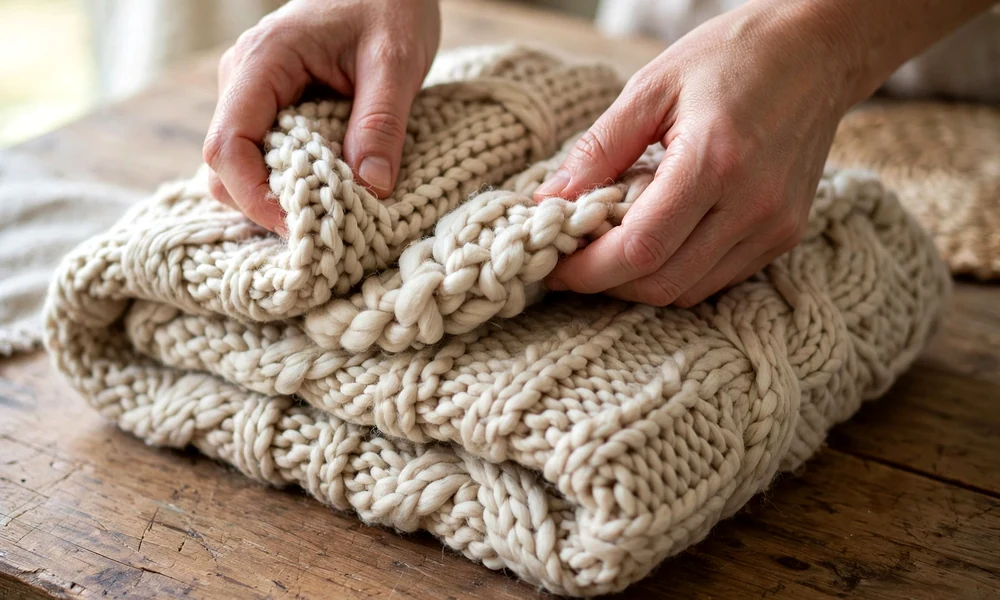
Wool Blanket Buying Checklist
- Check the wool content on the label: 100 percent wool warms and breathes best, blends trade warmth for easier washing.
- Choose merino for bare skin, lambswool for the best value, and woven wool for the longest life.
- Aim for 400 to 500 grams per square metre for the bed, lighter for the sofa and layering.
- Measure your bed first, and choose a blanket that hangs at least 30 centimetres over each side.
- Check the edges: bound or neatly fringed edges last far longer than raw cut edges.
- Press the surface: it should spring back, not stay flat, and shed very little fibre when you brush it.
Frequently Asked Questions
Are wool blankets warm?
Yes, very. Wool fibres trap warm air in tiny pockets and keep insulating even when damp, so a wool blanket warms you quickly and stays warm all night. It also breathes, so you are less likely to wake sweaty than under a synthetic blanket of the same weight.
Do wool blankets feel scratchy?
Some do, and some do not. Merino and lambswool feel soft on bare skin, while coarser wool can prickle. If a blanket feels scratchy in the shop, it will feel scratchy at home, so choose merino for direct skin contact or use a coarser wool blanket over a sheet.
Can you wash wool blankets in the washing machine?
Yes, on a cool wool cycle with a wool-safe detergent. Use cold or lukewarm water, never hot, and do not use a standard detergent or fabric softener. Dry the blanket flat on a towel, away from direct heat, and never tumble dry it.
How do I stop a wool blanket from shedding?
A little shedding is normal in the first weeks, especially with chunky knits. Brush the blanket gently with a soft clothes brush, shake it outside, and wash it rarely. Heavy shedding that never settles usually means loosely spun yarn, and it will not improve with time.
What is the difference between merino and lambswool?
Merino comes from merino sheep and has the finest, softest fibres, so it feels smooth on bare skin and regulates temperature best. Lambswool comes from a sheep’s first shearing, and it is slightly coarser but springier, lighter for its warmth, and better value.
Do wool blankets attract moths?
They can, because moth larvae eat wool fibres. Store blankets clean and dry in a sealed bag or box with cedar or lavender, and check stored blankets every few months.
The Bottom Line
The best wool blankets in 2026 are the ones whose fibre suits your skin, whose weight suits your climate, and whose edges survive years of use: a soft merino for bare skin, a lambswool for everyday value, and a woven wool for the longest life. Our verdict: buy 100 percent wool at the right weight for your bed, with bound edges, because a good wool blanket warms you for decades, while a cheap one itches, sheds, and needs replacing within a season.


