Best Quilts for Warmth, Weight and Lasting Stitchwork in 2026
The best quilts in 2026 are the ones you reach for every night and still love years later: warm enough for cold nights, light enough to sleep under without feeling trapped, and stitched well enough to survive regular washing without going lumpy or thin. A quilt is not a blanket. It is three layers stitched together: a patterned top, a middle layer of batting that holds the warmth, and a plain backing, all held in place by lines of quilting that stop the filling from shifting. That construction is what makes a quilt drape, wash, and last differently from any single-layer blanket. This guide compares the best quilts by warmth, weight, stitching, and care, so you can buy one that suits your bed, your sleep, and your washing machine.
Key Takeaways
- A quilt is three stitched layers — top, batting, backing — while a blanket is a single layer, so quilts hold their shape and warmth far better.
- Cotton patchwork quilts are the most versatile choice: breathable, washable, and warm enough for three seasons of the year.
- Wool batting is the warmest natural option, while down-alternative batting is the best choice for allergy-prone sleepers.
- Check the quilting before you buy: tight, even stitching stops the batting from bunching, and loose stitching is the first sign of a quilt that will not last.
- Buy a quilt you can wash at home, because a quilt that needs dry cleaning will spend more time in a bag than on your bed.
What Makes a Quilt a Quilt
A quilt is defined by its construction, not its pattern. The top is the layer you see: patchwork squares, a printed design, or a single piece of fabric. The batting is the middle layer, usually cotton, wool, polyester, or a blend, and it is what holds the warmth. The backing is the plain layer underneath. Lines of stitching, called quilting, pass through all three layers and hold them together, and the distance between those lines decides how the quilt behaves. Close quilting makes a firm, flat quilt that washes well and keeps its filling where it belongs. A blanket, by contrast, is a single layer of woven or knitted fabric with no batting and no quilting, so it cannot match a quilt for even, lasting warmth. A well-made quilt should lie flat, feel even across its whole surface with no thin patches, and keep its shape after washing.
The Best Quilts Compared
The honest way to compare quilts is to line up the same bed against the same nights. A light summer quilt and a heavy winter quilt are not rivals; they are answers to different seasons, and the best quilt for you is the one that matches how warm you sleep and how cold your bedroom gets. Fibre matters as much as weight: cotton breathes, wool warms even when damp, and down-alternative gives loft without feathers. Stitching matters as much as fibre, because it decides whether the quilt survives its tenth wash looking like its first.
| Type | Warmth | Weight | Best for |
|---|---|---|---|
| Cotton patchwork | Medium | Medium | Everyday use, three seasons, easy washing |
| Wool batting | High | Heavy | Cold bedrooms, deep natural warmth |
| Down-alternative | Medium to high | Light | Allergy-prone sleepers, soft loft |
| Lightweight summer | Low | Very light | Warm nights, hot sleepers, layering |
| Hand-quilted heirloom | Medium to high | Medium to heavy | Lasting quality, display beds, gifts |
The Best Quilts in 2026
The best quilts in 2026 are not the thickest or the prettiest. They are the ones that balance warmth, weight, stitching, and washability for the way you actually sleep. A good quilt should feel even across its whole surface, drape over the sides of the bed without sliding off, and come out of the washing machine looking like it went in.
Best Cotton Patchwork Quilts
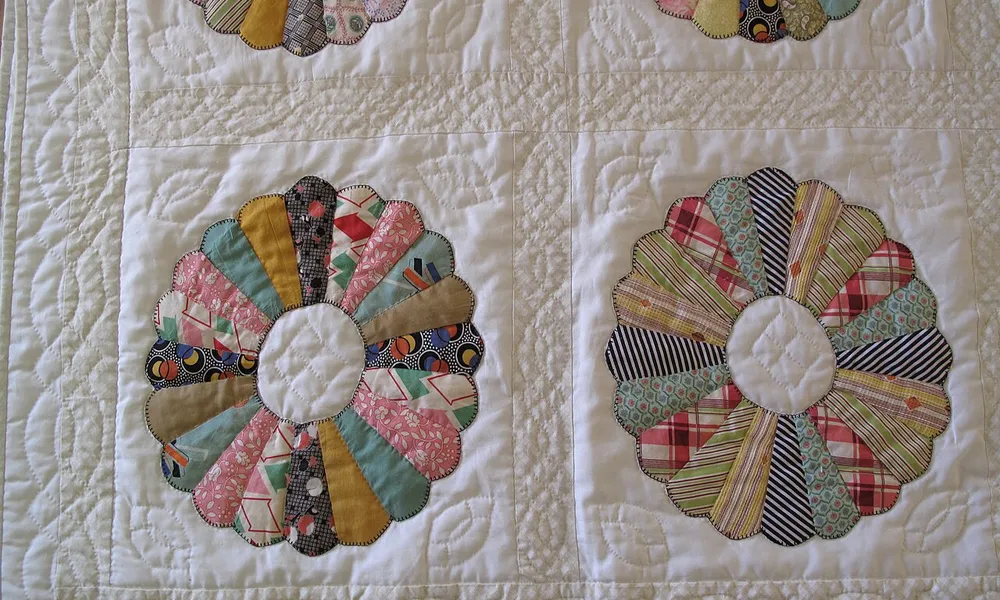
A cotton patchwork quilt is the most versatile quilt you can buy, and the best place to start. The patchwork top is made from many small pieces of cotton sewn together, which makes each quilt look different and lets the maker use strong, tightly woven fabric throughout. Cotton breathes, so it stays comfortable through warm nights and cool ones, and it washes well at home. Look for a cotton batting or a cotton-polyester blend, tight even quilting with lines no more than about 15 centimetres apart, and bound edges stitched down firmly. A good patchwork quilt suits a double or king bed in three seasons and layers well under a heavier cover in winter. If you want to try making one yourself, our guide to quilting kits covers the sets that make a first quilt easy.
Best Wool Quilts
A wool quilt is the warmest natural choice, and the best option for a cold bedroom. Wool batting traps warm air, breathes when you get hot, and keeps warming even if it picks up a little damp, which no synthetic can match. It is heavier than cotton or down-alternative, and that weight is part of its comfort: it settles over you and stays put through the night. Look for a wool quilt with a cotton cover, and check the quilting is close enough to hold the wool evenly, since loose wool batting bunches badly. Some wool quilts need gentle washing or dry cleaning, so read the care label before you buy. For a simpler layer of natural warmth on milder nights, our guide to the best wool blankets covers single-layer wool that works well over a quilt in the coldest months.
Best Down-Alternative Quilts
A down-alternative quilt is for sleepers who want loft and softness without feathers. The batting is usually a fine polyester microfibre that mimics the puff of down, stays light on the body, and washes at home without clumping the way real down can. It suits allergy-prone sleepers, because it holds less dust and washes more easily, and it suits hot sleepers who want warmth without weight. Look for a quilt with a tightly woven cotton cover, because a loose cover lets fine fibres escape, and check the quilting pattern: a box or diamond pattern holds the filling more evenly than wide straight channels. If you prefer the lightest possible layer for warm nights, our guide to the best fleece blankets covers soft, lightweight warmth that layers well over a summer quilt.
Warmth, Weight and How You Sleep
Warmth and weight are not the same thing, and the best quilt gets the balance right for your sleep. A heavy quilt feels reassuring to some sleepers and trapping to others, while a light quilt can be surprisingly warm if its batting is good and its quilting holds it evenly. Cold sleepers should look for wool batting or a thick down-alternative, while hot sleepers should look for a lightweight cotton quilt they can layer, adding a blanket on the coldest nights instead of buying one heavy quilt for the whole year. Size matters as well: a quilt should drape at least 20 centimetres over each side of the mattress, because a quilt that only just covers the top slides off in the night.
Stitching, Edges and Signs of Quality
Stitching is where a good quilt earns its price. Run your hand across the quilt and feel for even thickness with no thin patches or lumps, then look at the quilting lines: they should be straight, evenly spaced, and tight enough that the batting cannot shift. Turn the quilt over and check the backing for puckering, which means the layers were not held flat while they were stitched. Look at the edges, where the binding wraps around all three layers: it should be stitched down firmly on both sides, with neat corners and no loose threads. If a quilt fails any of these checks in a shop, it will fail worse after a year of washing.
Washing and Caring for a Quilt
A quilt you cannot wash is a quilt you will not use, so care should decide the purchase as much as warmth. Most cotton and down-alternative quilts wash at home on a gentle cycle with mild detergent, and they dry best on a line or on a low tumble dry. Wool quilts are more delicate: some wash gently at home, others need dry cleaning, and a quilt that needs dry cleaning every time will spend more time in a bag than on your bed. Never use harsh bleach on a patchwork quilt, because it fades the colours unevenly and weakens the cotton, and never wring a wet quilt, because the weight of the water pulls the stitching.
Quilts Buying Checklist
- Feel the whole quilt for even thickness, with no thin patches or lumps of batting.
- Check the quilting lines are close and even, so the filling cannot shift or bunch.
- Measure your bed first, and buy a quilt that drapes at least 20 centimetres over each side.
- Read the care label before you buy, and choose a quilt you can wash at home.
- Inspect the binding on both sides for firm stitching, neat corners, and no loose threads.
- Match the batting to how you sleep: wool for cold rooms, cotton for most nights, down-alternative for allergies.
Frequently Asked Questions
What is the difference between a quilt and a blanket?
A quilt is three layers — a patterned top, a batting middle, and a backing — all stitched together through quilting. A blanket is a single layer of woven or knitted fabric with no batting and no quilting. Quilts hold their warmth and shape better, while blankets are lighter and simpler to wash.
Are quilts warm enough for winter?
A good wool or thick down-alternative quilt is warm enough for most winters, especially in a well-insulated bedroom. In a very cold room, layer a quilt with a blanket on top rather than buying one extremely heavy quilt, because layers trap more warm air and let you adjust through the night.
Can you wash a quilt at home?
Most cotton and down-alternative quilts wash at home on a gentle cycle with mild detergent. Check the care label first, because some wool quilts need gentle washing or dry cleaning. Always dry a quilt thoroughly before putting it back on the bed.
How do I stop a quilt from sliding off the bed?
Buy a quilt that drapes at least 20 centimetres over each side of the mattress, and tuck the bottom edge under the mattress. Heavier quilts with wool batting slide less than very light ones, and a fitted sheet with a textured surface grips better than a smooth satin one.
What size quilt should I buy?
Measure your mattress and add at least 40 centimetres to the width, so it drapes 20 centimetres on each side, and add length for the drop at the foot of the bed. When in doubt, buy the larger size: a quilt that is slightly too big is comfortable, while one that is slightly too small slides off all night.
Do quilts last longer than blankets?
Usually, yes. The quilting holds the batting in place, so a well-made quilt keeps its shape and warmth through years of washing, while a single-layer blanket thins and stretches. A quilt with tight stitching and bound edges can last a decade or more with ordinary care.
The Bottom Line
The best quilt in 2026 is the one that matches how you sleep and how you wash. If you want one quilt for most of the year, buy a cotton patchwork quilt with tight, even stitching and a care label that lets you wash it at home. If your bedroom is cold, buy wool batting for deep natural warmth. If you have allergies or sleep hot, buy a light down-alternative quilt that washes easily. Our verdict: spend a little more on stitching and fabric than on pattern alone, because a well-made quilt keeps its warmth and shape for a decade, while a pretty quilt with loose stitching will not survive its second winter.