Bedspreads vs Quilts: Which Bed Cover Wins in 2026
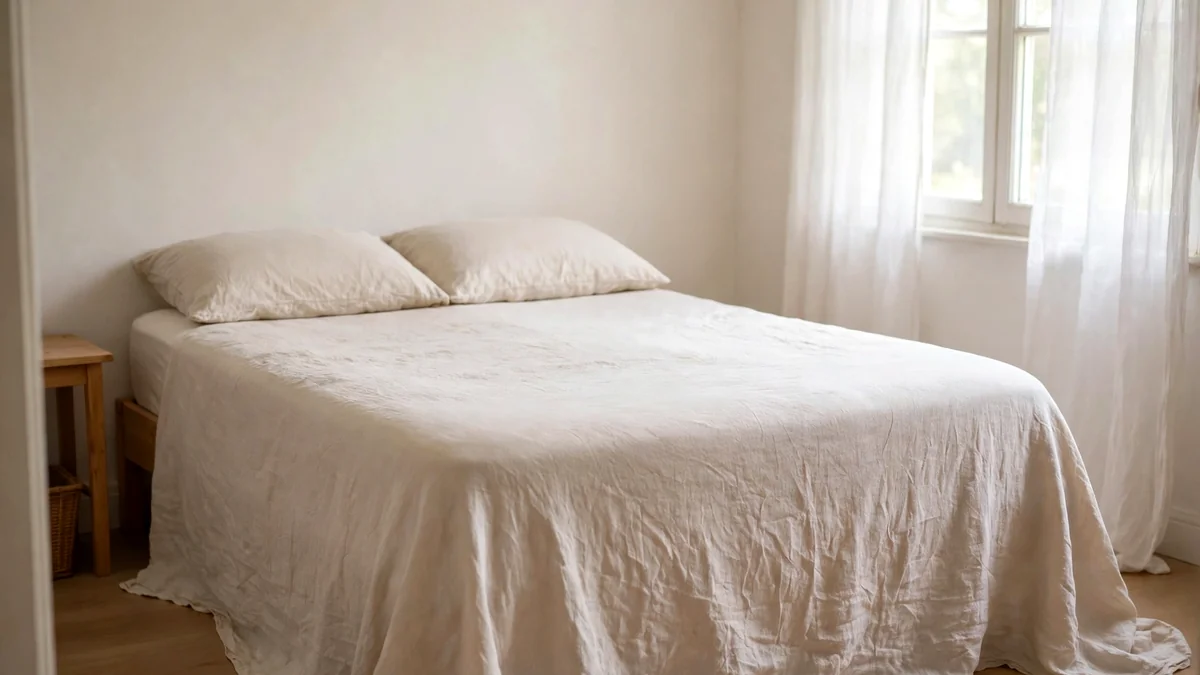
The best bedspreads in 2026 make a bed look finished in seconds: one light layer falling neatly to the floor, hiding the mattress and bedding, and coming off easily at bedtime. A bedspread is not a quilt. A quilt is three layers stitched together — top, batting, and backing — while a bedspread is one flat layer, sometimes lightly quilted for texture but never built around a thick filling. This guide compares the two, then picks the best bedspreads by fabric, fit, and care.
Key Takeaways
- A bedspread is a single flat layer, while a quilt is three stitched layers with batting, so bedspreads are lighter and simpler to wash.
- Bedspreads are at their best as a daytime cover: they keep a bed looking tidy and come off in one pull at bedtime.
- Cotton bedspreads are the most versatile: breathable, machine washable, and light enough for three seasons.
- Measure the drop before you buy: a bedspread should reach the floor or just above it, or it will look short and unfinished.
- Choose a bedspread you can wash at home, because one that needs dry cleaning will spend more time in a bag than on your bed.
Bedspreads vs Quilts: The Difference in One Minute
Choose between a bedspread and a quilt by deciding what the cover is for. A bedspread is a finishing layer over everything — sheets, blankets, pillows — making the bed look complete while keeping dust off. A quilt is a sleeping layer that goes over you; its job is warmth. If you want a bed that looks made all day, buy a bedspread. If you want warmth you sleep under, buy a quilt. Many bedrooms use both: a quilt for sleeping, layered under a bedspread during the day.
| Feature | Bedspread | Quilt |
|---|---|---|
| Construction | Single flat layer | Three layers stitched through |
| Warmth | Low to medium | Medium to high |
| Weight | Light, easy to fold | Medium to heavy |
| Drape | Straight to the floor | Over the sides, softer |
| Main job | Daytime cover, keeps the bed tidy | Night-time warmth you sleep under |
| Washing | Machine washable, dries fast | Washable, bulkier, slower to dry |
For the other side of the comparison, our guide to the best quilts covers warmth, weight, and stitching in depth.
What a Bedspread Actually Is
A bedspread is defined by its shape and job, not its pattern. It is a large flat cover cut to fall over the sides of the bed to the floor, hiding the mattress, base, and everything underneath. Most bedspreads are a single layer of cotton, linen, polyester, or a blend, and the best feel smooth and substantial without being heavy. Some are lightly quilted — stitched in diamonds or channels with a whisper of filling — which adds texture and stops flapping, but the filling is decorative, not warming. That is the line between the two: a quilt’s batting is the point, while a bedspread’s stitching is only a finish.
A good bedspread lies flat with no bunching and falls evenly on both sides. The hem matters more than the pattern: a straight hem hangs cleanly, while a wavy one makes even an expensive bedspread look cheap.

The Best Bedspreads in 2026
The best bedspreads in 2026 are not the heaviest or most decorative: they drape cleanly, wash well, and suit your bedroom.
Best Cotton Bedspreads
A cotton bedspread is the most versatile you can buy, and the best place to start. Cotton breathes, so it stays comfortable in warm and cool rooms, and it washes well at home. Look for tightly woven cotton or a cotton-polyester blend with a smooth face, bound edges, and a weight that falls straight without flapping. A good cotton bedspread suits a double or king bed in three seasons, layering over a light blanket in winter. For a warmer layer on cold nights, our guide to the best wool blankets covers natural warmth that works well under a bedspread.
Best Linen Bedspreads
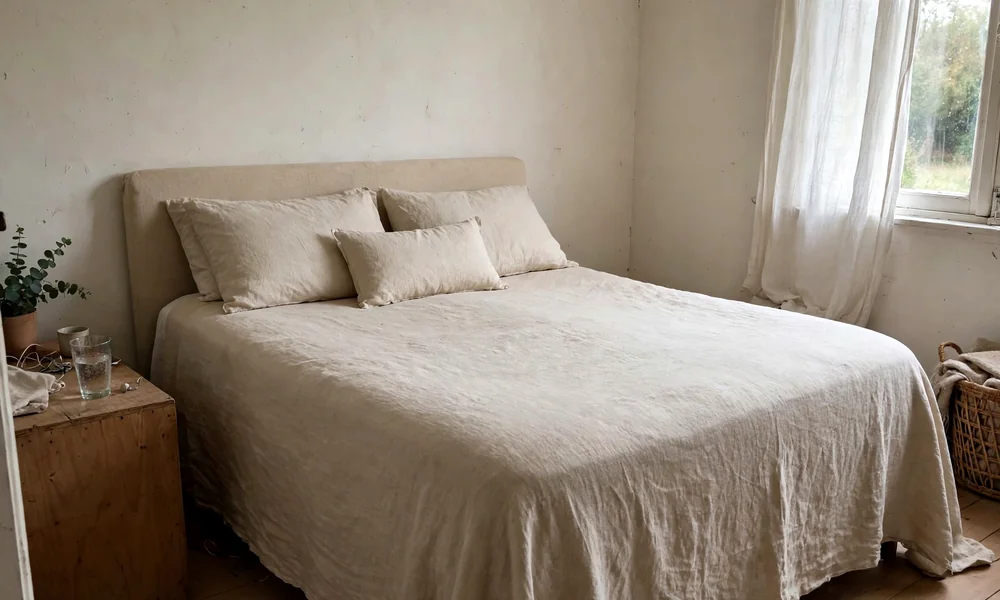
A linen bedspread suits bedrooms that want a relaxed, lived-in look rather than a crisp hotel finish. Linen softens with every wash, breathes better than any other common fabric, and drapes with a gentle wrinkle suiting casual bedrooms. It is lighter than cotton, dries quickly, and creases, so it suits owners who like texture rather than a pressed finish. Look for washed, pre-shrunk linen with a soft hand, so the drop does not shorten after the first wash.
Best Lightly Quilted Bedspreads
A lightly quilted bedspread adds texture and body without real warmth — the best choice for a bed that needs to look dressed, not feel heavier. The stitching — usually diamonds or straight channels — holds the single layer flat, stops it sliding, and gives the bed a tailored, finished look. Check the stitching is even and any filling thin and uniform; lumpy quilting is the first sign of a bedspread that will wash badly. These covers suit guest rooms well, because they look substantial while staying light enough to fold away in seconds.
Best Lightweight Summer Bedspreads
A lightweight summer bedspread is a thin, breathable cover for hot nights, when a quilt would be too much and bare sheets look unfinished. Look for fine cotton voile, a cotton-linen blend, or thin seersucker, all of which let air through and dry fast. The best summer bedspreads are pale or white, which keeps the room feeling cool, and they double as a light night cover. If you prefer the softest light layer, our guide to the best fleece blankets covers soft warmth that layers under a summer bedspread when nights turn cool.
Best Tailored Bedspreads
A tailored bedspread is cut to fit a specific bed size with a structured drop, often pleated at the foot, and suits a formal bedroom best. The fit is everything: the corners should sit square, the drop should be even on both sides, and the foot should reach the floor without pooling. Measure your mattress height plus any topper before ordering, because a tailored bedspread two centimetres short looks wrong every day.
Drape, Drop and Fit
Drape is where a good bedspread earns its price, and it is decided before you buy by size. Measure your mattress width and add twice the drop you want — the distance from the top of the mattress to the floor. Then measure the length the same way, adding the drop at the foot too. A bedspread that only just covers the top slides and bunches; a proper drop falls straight and stays put. If your mattress is deep, or you use a topper, buy the next size up, because bedspread sizing assumes a standard mattress.
Weight affects drape as much as size does. A very light bedspread flaps and slides on a smooth duvet, while a medium-weight cotton or linen falls straight and stays put. If your bedspread slides, the fix is usually underneath: a textured fitted sheet grips better than smooth satin, and tucking the top edge under the pillows anchors the cover.
Warmth Without the Weight
A bedspread adds a little warmth, but it is not a warming layer — buying one for warmth alone is a mistake. A single layer of cotton or linen traps a little air and takes the edge off a cool room — roughly a light sheet — and that is all. If you sleep cold, layer up: a bedspread over a blanket or quilt, off at night and back in the morning. That combination is the most flexible through the seasons: add a blanket in winter, remove it in summer, and the same bedspread works all year.
Fabric changes the feel more than the warmth. Cotton feels cool and crisp, linen dry and airy, and polyester blends smooth but less breathable. In a warm bedroom, linen or a cotton-linen blend is most comfortable; in a cool one, a heavier quilted cotton feels more substantial without real weight.
Washing and Caring for a Bedspread
A bedspread you cannot wash is one you will not use, so care should decide the purchase as much as fabric. Most cotton and cotton-blend bedspreads wash at home gently with mild detergent, and dry best on a line or a low tumble dry. Linen washes the same way and softens with every wash, but do not over-dry it, because that sets creases hard. Shake it out before washing, and wash it alone so it has room to move in the drum.
Never use harsh bleach on a coloured bedspread, and never wring a wet one: the water’s weight pulls the hem out of shape. Dry it flat or on a line while slightly damp, then smooth the hem by hand. A bedspread that comes out looking like it went in is the one you will keep using.

Bedspreads Buying Checklist
- Measure your mattress first, and buy a drop that reaches the floor or just above it.
- Feel the fabric for a smooth, substantial hand, with no thin patches or loose threads.
- Check the hem is straight and firmly finished, with square corners and no pooling.
- Read the care label, and choose a bedspread you can wash at home.
- Match the fabric to your room: cotton for most bedrooms, linen for warm rooms, quilted for a tailored look.
- Remember the job: a bedspread is a daytime cover — pair it with a blanket or quilt for real warmth.
Frequently Asked Questions
What is the difference between a bedspread and a quilt?
A bedspread is a single flat layer that drapes to the floor, while a quilt is three layers — top, batting, backing — stitched together. Bedspreads are lighter and mainly a daytime cover; quilts are warmer and made to sleep under.
What is the difference between a bedspread and a duvet cover?
A bedspread is a finished cover that goes over everything on the bed, while a duvet cover is a washable case around a duvet insert. A bedspread comes off at bedtime; a duvet cover stays on while you sleep.
Do you sleep under a bedspread?
You can, but it is not what a bedspread is for. A bedspread is light and adds little warmth, so most people pull it off at bedtime and sleep under a duvet, quilt, or blanket. In a warm room, a thin cotton bedspread can work as a light cover.
What size bedspread should I buy?
Measure your mattress and add twice the drop — top of mattress to floor — to width and length. When in doubt, buy larger: a bedspread slightly too big drapes neatly, while one slightly too small looks short and slides off.
How do I stop a bedspread from sliding off the bed?
Buy a bedspread with a proper floor-length drop, tuck the top edge under the pillows, and put a textured fitted sheet underneath, because smooth satin sheets let a bedspread slide. Medium-weight cotton grips better than a very light bedspread.
Can you wash a bedspread at home?
Most cotton, linen, and cotton-blend bedspreads wash at home on a gentle cycle with mild detergent. Check the care label first, wash it alone so it has room to move, and dry it on a line or a low tumble dry.
The Bottom Line
The best bedspread in 2026 is the one that makes your bed look finished and is easy enough to wash that you actually use it. For one cover most of the year, buy cotton with a floor-length drop and a wash-at-home label. If your bedroom is warm, buy linen for its dry, airy feel. For a formal finish, buy tailored or lightly quilted and measure twice before ordering. For warmth to sleep under, pair it with a quilt or blanket underneath: a bedspread is a daytime cover, not a sleeping layer. Our verdict: spend more on fabric and fit than on pattern, because a well-cut bedspread in good cotton keeps a bed tidy for years, while a short, flimsy one will slide, bunch, and end up in a cupboard.


