
Skip the Worst Amphitheatres of 2026
The worst amphitheatres of 2026 are not the small ones with modest stages and honest stone steps. They are the open-air venues that sell you a night under the stars and then hand you a hard seat, a stage you can barely see, sound the wind carries away, and a lawn that turns to mud at the first rain. This guide ranks the worst types of amphitheatre, so you can spot a bad one before you pay for the ticket and end up sitting on cold stone in the rain.
Key takeaways
- An amphitheatre is about the seat first: bare stone tiers with no backs will end your evening early.
- Wind is the enemy of open-air sound: if the bowl funnels the breeze across the stage, the music will reach you in pieces.
- Lawn seating is only good on dry, flat ground: check the drainage and the slope before you book, or bring a chair and a waterproof layer.
- Distance is the hidden cost of a big bowl: the back rows can sit so far from the stage that the performers look tiny.
- Check the weather plan, the climb, the shade and the facilities before you book.
How the worst amphitheatres of 2026 were chosen
Every type below was scored on five measures. Comfort comes first: can you sit through a whole evening on the seats provided, or does the stone end the night early? Sound is second: does the music reach every row clearly, or do wind, bowl and distance tear it apart? Shelter is third, because a venue with no cover from rain or sun has failed at its one job. Sightlines are fourth: can you see the whole stage from your seat, or does the bowl put you too far away? Access is fifth: the climb to your row, the paths in the dark, and whether the toilets are close enough to reach in one interval.
Two notes before the list. First, no individual amphitheatre is named here, because the problem is the pattern: the same seven types turn up everywhere. Second, this is about the venue, not the performance: a fine show in a bad bowl is still a bad evening. The same honest check applies to the whole night out, and our guide to the worst theatres shows how a bad room can flatten even a good act indoors, while our ranking of the worst concerts makes the same point about nights where the sound never reaches the back rows.
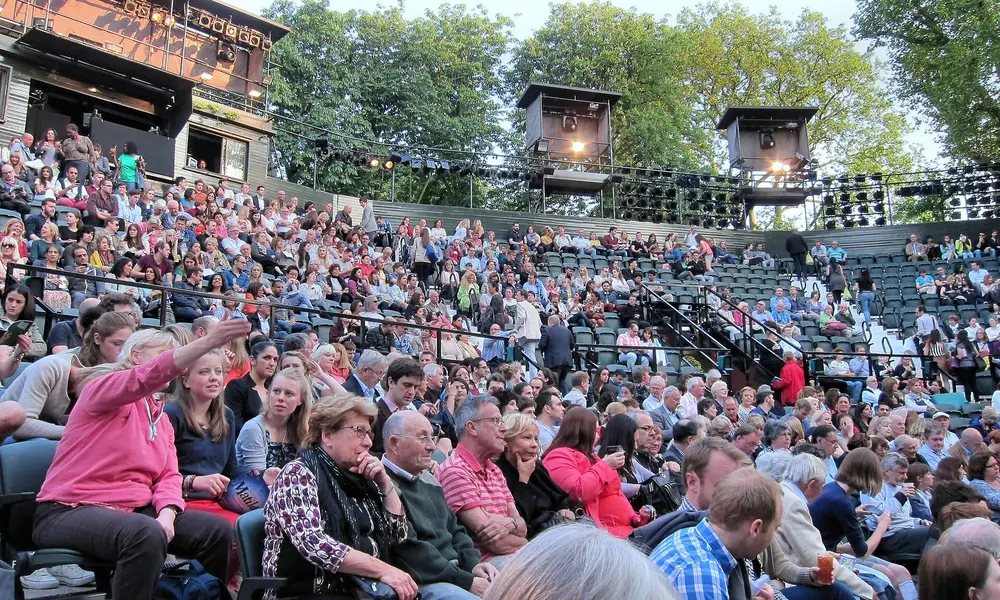
Comparison table: the worst amphitheatres of 2026
| Rank | Amphitheatre type | Main fault | Warning sign |
|---|---|---|---|
| 1 | The Stone Step | Bare stone tiers, no backs, no cushions | No seat hire, no backs in any photo |
| 2 | The Wind Tunnel | Wind funnels through the bowl and scatters sound | Exposed hillside, no windbreaks or shell |
| 3 | The Muddy Lawn | Lawn seating turns to mud after rain | Flat grass, no drainage, no paths |
| 4 | The Postage-Stamp Stage | Stage too small and too far from the back rows | Huge bowl, tiny stage, no screens |
| 5 | The No-Roof Gamble | No cover at all when the rain comes | No canopy, no refunds, vague rain policy |
| 6 | The Long Climb | Steep tiers, endless steps, no handrails | Top rows a long climb from the entrance |
| 7 | The Sun Trap | Bowl bakes in the sun with no shade anywhere | Afternoon shows, bare stone, no trees |
The worst amphitheatres of 2026
1. The Stone Step: bare stone tiers with nowhere to lean
The Stone Step is the worst amphitheatre of all: you pay to sit and watch, and what you get is a hard ledge. The tiers are bare stone or concrete, with no backs, no cushions and no give, and after an hour your back aches, your legs go numb and you start shifting every few minutes just to stay comfortable. By the second half you are watching the clock instead of the stage. The worst version sells cushions at a steep price and never mentions in the booking that the seats are stone. Bring a thick cushion and a blanket to sit on, and walk away from any amphitheatre whose own photographs never show anyone sitting comfortably for long.
2. The Wind Tunnel: the bowl that blows the sound away
The Wind Tunnel is the amphitheatre built in the wrong place, on an exposed hillside where the breeze runs straight through the bowl. The wind catches the sound as it leaves the stage and carries it sideways, so the front rows hear the show and the back rows hear fragments, gusts and silence in turn. A strong evening breeze turns the whole night into guesswork. The worst version has no shell, no windbreaks and no delay speakers, because nobody planned for the site’s weather. Check the setting before you book: an amphitheatre on a windy ridge with no shelter is a gamble, and the wind wins that gamble more often than the audience does.
3. The Muddy Lawn: grass seating that turns to a swamp
The Muddy Lawn looks lovely on a dry day and falls apart after the first shower. The lawn seating has no drainage, no paths and no hard standing, so one spell of rain turns the slope into slippery mud, and the evening becomes a choice between standing in it or sitting in it. Blankets soak through, and the walk back is a slow climb through churned ground in the dark. The worst version keeps selling lawn tickets in wet weather with no refunds, no covered seats and no warning. Check the forecast and the ground: flat grass with no paths or drainage is ruined by one rainy afternoon.
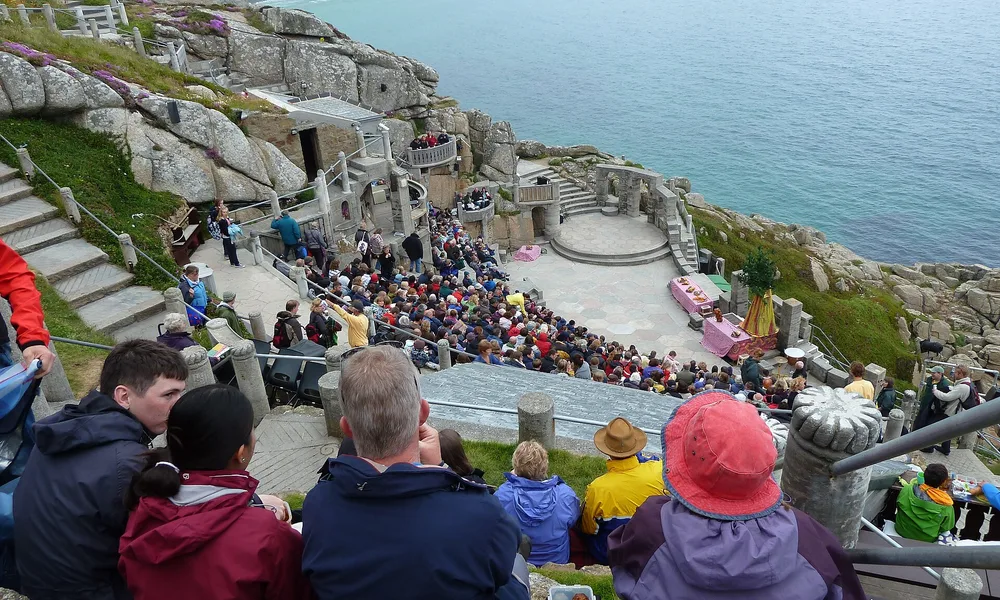
4. The Postage-Stamp Stage: a tiny stage at the bottom of a huge bowl
The Postage-Stamp Stage is the amphitheatre that grew too big for its own stage. The bowl holds thousands, the tiers climb far back and high up, and the stage at the bottom is a small platform that looks no bigger than a doorway from the back rows. The performers are figures you can barely make out, and the evening depends on the screens, if there are any. The worst version has no screens and no warning that the back rows are effectively listening to a distant radio. If the bowl is huge and the stage is small, pay for the front tiers, because the back of a bowl this big is a place to hear a show, not to see one.
5. The No-Roof Gamble: no cover when the rain comes
The No-Roof Gamble is the amphitheatre with nothing between you and the sky: no canopy over the stage, no covered seats, no sheltered walkways and no plan for rain beyond hoping it holds off. A shower in the first act soaks the audience, and the show either carries on in the wet or stops while everyone stands around getting colder. The worst version has a vague rain policy, no refunds and no rescheduled date, so the ticket money is gone whether the show happens or not. Read the rain policy before you book, and treat a venue with no cover and no clear refund rule as a bet on the weather.
6. The Long Climb: steep tiers with no help getting up them
The Long Climb is the amphitheatre where reaching your seat is the hardest part of the evening. The tiers are steep, the steps are uneven stone, and the climb to the top rows takes several minutes, with no handrails and no lift for anyone who struggles with stairs. In the dark after the show, the climb down is worse, with tired legs, wet stone and a crowd all moving at once. The worst version sells the top rows cheapest without saying how far up they are, leaving older visitors to discover the climb on the night. Ask how many steps your row is from the entrance, and pick a lower tier if the climb sounds like a hike.
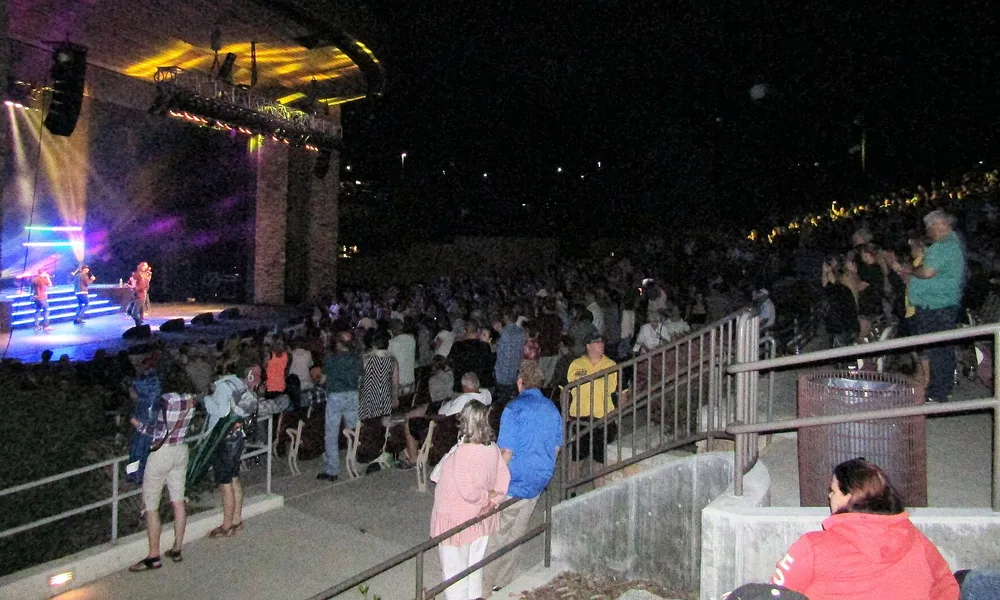
7. The Sun Trap: a bowl that bakes all afternoon
The Sun Trap faces the afternoon sun with no shade anywhere in the bowl. The stone tiers soak up the heat all day, the audience sits in full glare for the first half, and there is no tree, canopy or covered row to escape to. The glare makes the stage hard to look at, and the heat makes the evening feel twice as long. The worst version schedules matinees in high summer and sells water at punishing prices. Check which way the bowl faces before you book, and if the sun will be on your seats, bring water, a hat and a layer for after dark.
What to avoid when booking an amphitheatre
The most common amphitheatre regret is a wrong seat in the wrong weather: bare stone with no cushion, a back row too far from a tiny stage, or a lawn ticket bought on a wet week. Avoid the trap by checking four things before you pay: the seat, and whether it needs a cushion; the distance to the stage, and whether there are screens; the weather plan, including cover and refunds; and the climb and the facilities, so you know how far the toilets are in the dark. The same checks work for a night out of any kind, and our guide to the worst festivals makes the same point about mud, weather and distance, because the traps are the same outdoors.
Checklist: booking an amphitheatre without regret
- Check whether the tiers are stone, and bring a thick cushion if there are no backs.
- Look at the bowl on a map: an exposed ridge means wind, and a low lawn means mud after rain.
- Count the rows from the stage, and pay for a front tier if the bowl is huge and the screens are few.
- Read the rain policy, including refunds and rescheduling, before you pay.
- Ask how many steps your row is from the entrance, and pick a lower tier if the climb is steep.
- Pack water, a hat, a waterproof layer and a torch for the walk back in the dark.
Frequently asked questions
Are amphitheatres always worse than indoor theatres?
No. A good amphitheatre on a calm, dry evening can be the best night out of the year. The problem is a bowl that ignores the weather and the wind, and sells bad seats at good prices.
What should I bring to an amphitheatre?
A thick cushion, a blanket, a waterproof layer, water and a torch. Stone is hard, lawns get damp, rain comes without warning and the walk back is often dark.
Is lawn seating at an amphitheatre worth it?
On a dry day, yes, if the slope is gentle and the stage is close. After rain, no: the ground turns to mud and the slope is slippery in the dark.
How can I check the sound before I book?
Look for recent visitor comments about wind and the back rows. If several people say the sound never reached the top tiers, believe them over the brochure.
What happens if it rains during an amphitheatre show?
It depends on the venue: some shows carry on, some pause and some are cancelled, and refunds are not automatic. Read the rain policy before you book, not after the sky opens.
Which seats are best in an amphitheatre?
The middle tiers, close enough to see the stage and high enough to see over the heads in front. The front rows are close but low, and the back rows are far from everything.
Bottom line
Skip the worst amphitheatres of 2026 by checking the seat before the show: stone steps with no backs, wind tunnels, muddy lawns, postage-stamp stages, no roof, long climbs and sun-trap bowls all give themselves away in advance. Check the cushion, the distance, the weather plan and the climb before you pay, and the amphitheatre will give you the night under the stars you paid for.


