Don’t Buy Into the Worst Archers of 2026: Seven Types That Miss the Mark
The worst archers of 2026 are not the beginners who miss the target, the nervous ones who take too long to loose, or the archers who score badly on a windy day. They are the archers whose habits make the range worse for everyone around them: the ones who treat safety rules as optional, who buy a bow far too powerful for their strength, who never practise but always blame their equipment, and who turn a quiet shooting line into their personal stage. This guide ranks the worst types of archer by how much damage they do to a day on the range, from recurve and compound shooters to longbow, crossbow, and horseback archers.
Key takeaways
- The worst archers are defined by habits and safety, not by scores or how expensive their bow is.
- Skipped safety checks, an overpowered bow, and blaming the equipment are the three patterns that cause the most trouble.
- On a shooting line, one careless archer can end the day for everyone, so the rules are not optional.
- Recurve, compound, longbow, crossbow, and horseback archers are all judged by the same standards of care.
- Every bad type has a simple fix, and recognising yourself in one of them is the first step to shooting better.
How the worst archers were chosen
Every type below was scored on five measures. Impact on others comes first: how much time, patience, or safety does this archer cost the people around them? Frequency is second, because a rare annoyance matters less than a habit you meet on every visit to the range. Safety is third, and any type that puts other people at risk scores far worse than one that is merely irritating. Self-awareness is fourth: archers who know what they are doing and carry on anyway rank worse than those who simply never learned better. Finally, fixability is fifth, because a habit with an easy cure is less damning than one that takes a whole season to unlearn.
Two notes before the list. First, no single person is named anywhere in this guide, because the same bad patterns show up everywhere. Second, the ranking weighs the range as a whole, not just the shooting: an archer who shoots well but treats the line, the targets, and the other shooters badly is still one of the worst. The same logic applies to other individual sports, and our guide to the worst golfers of 2026 shows how bad habits spoil a round in exactly the same way.
Comparison table: the worst archers of 2026
| Rank | Archer type | Worst habit | Who suffers most |
|---|---|---|---|
| 1 | The safety skipper | Draws and looses while others collect arrows | Everyone on the line |
| 2 | The over-bowed show-off | Shoots a bow far too heavy to draw cleanly | Their own shoulders, then everyone waiting |
| 3 | The equipment blamer | Blames the bow, the arrows, and the wind | Coaches and clubmates |
| 4 | The line hog | Takes ten minutes per end, never steps back | Everyone waiting to shoot |
| 5 | The target wrecker | Shoots close-range at worn faces, never helps repair | The club and the next shooters |
| 6 | The coach ignorer | Refuses advice, repeats the same error for years | Themselves, then their team |
| 7 | The gadget collector | Buys every sight and stabiliser, never practises form | Their wallet and their score |
The worst archers of 2026
1. The safety skipper: the worst archer of all
This is the archer who treats the range rules as a suggestion. They draw their bow while someone is still walking down to the target, they loose an arrow before the whistle, and they wander forward to collect arrows while the line is still live. Archery is a safe sport precisely because everyone follows the same simple rules, and one person who breaks them can end the day for the whole club, or far worse. The fix is the easiest in this whole guide: wait for the whistle, watch the line, and never touch a bow while anyone is downrange. If you cannot do that, you should not be shooting.
2. The over-bowed show-off: the one with too much bow
This archer buys the heaviest bow they can afford, because a heavy draw weight looks impressive in the shop and on the line. Then they try to shoot it, and the truth comes out: the draw is a struggle, the bow arm shakes, the release is a flinch, and the arrows go everywhere except the gold. Soon their shoulders hurt and their form is ruined. A bow you control will always outshoot one that fights you. The fix is simple and it starts with honesty: drop the draw weight, learn the form, and let the weight grow only when your body is ready for it.
3. The equipment blamer: the one who never misses, the bow does
Every archer has bad days, but this one never has a bad day of their own. The bow is out of tune, the arrows are the wrong spine, the sight moved, the wind changed, the light was wrong, and the target face was worn. Anything except the archer. Coaches waste hours checking a perfectly good bow while the real problem, a collapsing anchor or a rushing release, goes untouched. Equipment matters, and a bad arrow can ruin a shot, but most misses are made by the archer, not the kit. The fix is to keep a simple shooting diary: note what you did, not what the bow did, and the pattern will show itself.
4. The line hog: the one who takes forever
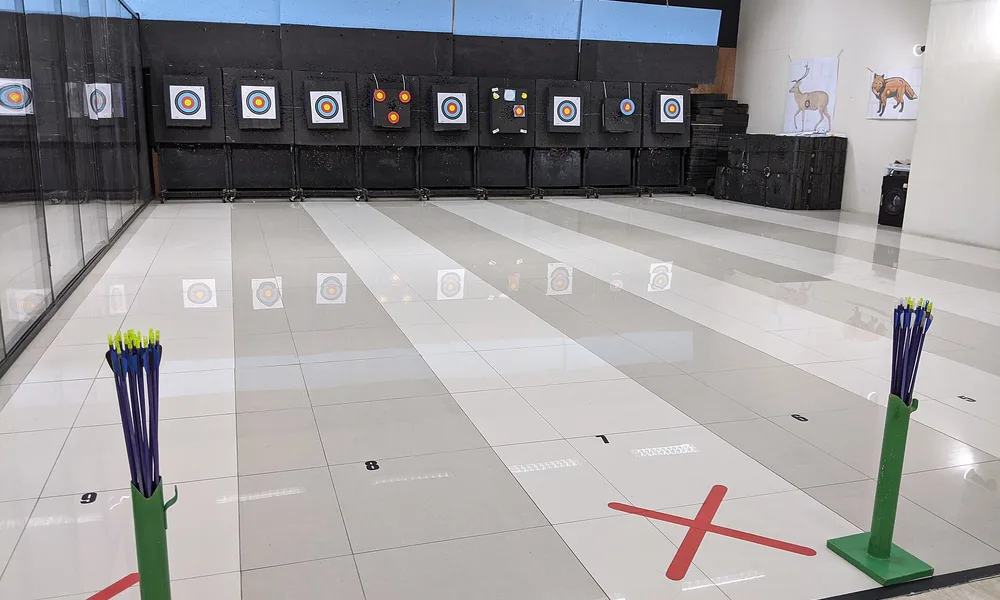
Archery is a patient sport, and nobody minds an archer who takes their time over a careful shot. The line hog is different. They take ten minutes over every end, adjust their sight between every arrow, chat with the archer beside them while everyone waits, and then act surprised when the group behind them is standing in the cold. The fix is consideration, not speed: shoot your arrows, step back, and save the long conversations for the break. A good archer knows the line belongs to everyone, not just to the person standing on it.
5. The target wrecker: the one who shoots the club to pieces
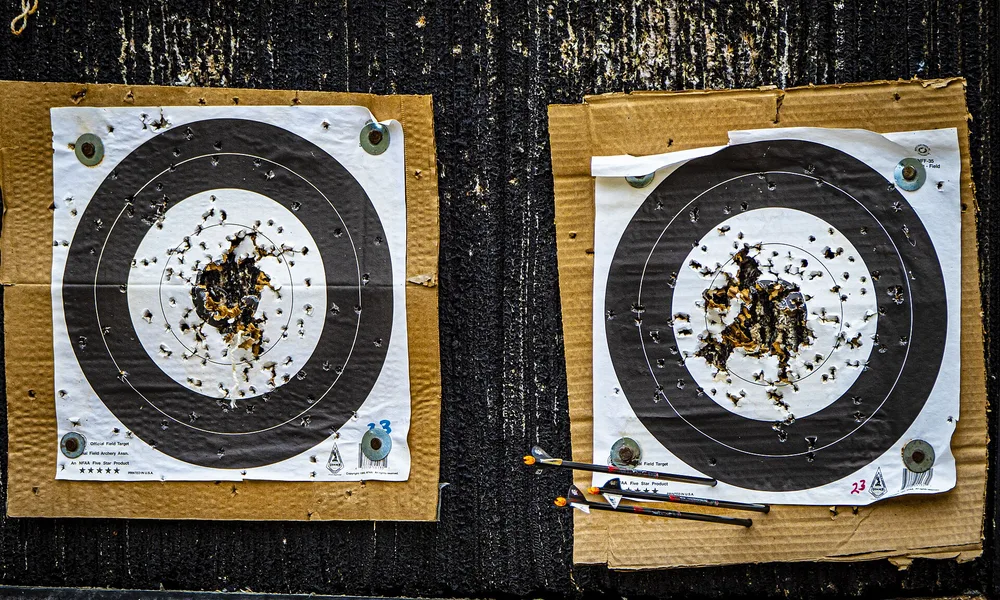
Targets, butts, and faces cost money, and clubs replace them from membership fees that everyone pays. The target wrecker shoots at close range into the same worn spot until the butt falls apart, leaves broken arrows in the boss for the next shooter to find, and never once stays to help repair or replace a face. The damage adds up fast. The fix costs nothing: shoot at a sensible distance, report damage when you see it, and give the club half an hour of your time when the targets need work.
6. The coach ignorer: the one who knows better already
This archer has been shooting for years and has not improved for years, and the two facts are connected. Every coach at the club has spotted the same fault, a creeping anchor, a collapsing bow arm, a release that punches the string, and every coach has been politely ignored. Coaching is not a sign of weakness; it is how every good archer got good. The fix is humility: take one lesson, practise one change, and judge it by the target, not by your pride.
7. The gadget collector: the one with every accessory and no form
This archer owns every sight, stabiliser, clicker, and release aid in the catalogue, and their bow looks like a piece of engineering. Their form, meanwhile, has not changed in years. Each new gadget disappoints in the same way. The best archers at most clubs shoot simple, well-tuned kit, because they know that a steady draw, a clean anchor, and a calm release matter more than any accessory. Buy less, practise more, and let your grouping speak instead of your shopping list.
What to avoid when choosing an archery partner
The most common archery regret is not a bad bow but a wrong shooting partner: someone who treats safety as optional, who buys power instead of form, or who blames their equipment for every miss. Avoid the trap by checking three things before you share a line with them: how they behave when the whistle blows, because a careless archer is dangerous; how they talk about their misses, because an archer who never owns a bad shot will never improve; and how they treat the club’s targets, because the person who wrecks a butt will cut corners everywhere else too. The same checks work in other sports, and our guide to the worst runners of 2026 makes the same point about training partners who talk well and practise badly.
Checklist: spotting a bad archer before you shoot together
- Watch them on the line: do they wait for the whistle and check downrange before every shot?
- Ask about their draw weight, and walk away from anyone who brags about a bow they cannot hold steady.
- Listen to how they explain a miss, and avoid anyone who always blames the bow or the wind.
- Time their ends: a good archer shoots steadily and steps back, not hogs the line for ten minutes.
- Look at the targets after they shoot, and check whether they report damage or help repair it.
- Ask when they last took coaching, and be wary of anyone who says they have nothing left to learn.
Frequently asked questions
What makes an archer one of the worst?
Habits, not scores. The worst archers are the ones who skip safety rules, shoot a bow too heavy for them, blame their equipment, hog the line, or wreck the club’s targets. A careful beginner is a far better partner than an experienced archer who does none of those things.
Is a heavy draw weight better?
No. A heavier bow only helps if you can draw it smoothly, hold it steady, and release it cleanly. Most archers shoot far better with a lighter bow they control than with a heavy one that controls them, and a heavy bow is the fastest way to hurt your shoulders.
How do I know if my bow is the problem or I am?
Ask a coach to watch you shoot, and ask them to check the bow too. If the bow is tuned and the arrows are matched, and the misses follow a pattern, the problem is form. A shooting diary will show the pattern faster than any new gadget.
What should I do if someone on the line is unsafe?
Stop shooting, call a halt, and tell the range officer or the club coach at once. Never argue with an unsafe archer while bows are drawn. Safety on a range is everyone’s job, and speaking up is not rude; it is the rule.
Do recurve, compound, longbow, and crossbow archers follow the same rules?
Yes. The equipment changes, but the line rules, the safety whistle, and the respect for other shooters are the same for every bow type, including horseback archery, where the horse adds one more reason to be careful. Our guide to the worst climbers of 2026 shows the same idea in another sport, where shared rules keep everyone safe.
How often should I practise to improve?
Short, regular sessions beat rare marathon days. Two or three focused sessions a week, with one clear thing to work on each time, will improve your shooting faster than a whole day of unfocused arrows, and it is far kinder to your shoulders.
Bottom line
The worst archers of 2026 are not the ones who miss the most. They are the ones who skip the safety rules, buy a bow they cannot handle, blame their kit for every miss, hog the shooting line, and leave the club’s targets in pieces. Choose careful, honest partners, practise form before gadgets, and the range will be better for everyone.