The Worst Climbers of 2026: Seven Types Who Ruin the Wall for Everyone
The worst climbers of 2026 are not the beginners who fall off easy routes or the cautious ones who take their time. They are the climbers whose habits make the wall worse for everyone around them: the ones who spray beta nobody asked for, who hog the popular routes, who treat safety checks as optional, and who turn a shared crag or gym into their personal stage. This guide ranks the worst types of climber by how much damage they do to a day out.
Key takeaways
- The worst climbers are defined by habits, not skill.
- Unsolicited beta, queue-hogging and skipped safety checks are the three habits that ruin the most days.
- Every bad type has a simple fix.
- Gym behaviour and crag behaviour are judged the same way: respect the queue, respect the rock, respect other people.
- If you recognise yourself in one of these types, changing one habit is enough to stop being the problem.
How the worst climbers were chosen
Every type below was scored on five measures. Impact on others comes first: how much time, patience or safety does this climber cost the people around them? Frequency is second, because a rare annoyance matters less than a habit you meet every session. Safety is third, and any type that puts other people at risk scores far worse than one that is merely irritating. Self-awareness is fourth: climbers who know they are doing it and carry on anyway rank worse than those who simply never learned better. Finally, fixability is fifth.
Two notes before the list. First, no single person is named anywhere in this guide, because the same bad patterns show up everywhere. Second, the ranking weighs the climbing itself as well as the behaviour around it: a climber who climbs well but treats everyone else badly is still one of the worst. The same logic applies to gear, and our guide to the worst climbing shoes of 2026 shows how bad equipment makes the same problems worse.
Comparison table: the worst climbers of 2026
| Rank | Climber type | Worst habit | Who suffers most |
|---|---|---|---|
| 1 | The beta sprayer | Shouts instructions nobody asked for | Everyone trying to climb |
| 2 | The safety skipper | Skips checks and knots | Their partner, then everyone |
| 3 | The route hog | Camps on popular routes for hours | Everyone waiting in line |
| 4 | The sandbagger | Lies about grades to look strong | Beginners who trust them |
| 5 | The gym show-off | Performs for the room, blocks the wall | Everyone training nearby |
| 6 | The crag litterer | Leaves tape, chalk and rubbish behind | The crag and its access |
| 7 | The endless excuse-maker | Blames holds, shoes and weather | Their partners’ patience |
The worst climbers of 2026
1. The beta sprayer: the worst climber on any wall
The beta sprayer cannot watch another person climb without narrating it. Before you have even left the ground, they are telling you where your left foot goes, which hold is a jug, and why your sequence is wrong. The advice is usually wrong, it is always unwanted, and it ruins the one thing climbing is for: working a problem out for yourself. A climber who wanted help would ask for it, and the sprayer never waits to be asked.
What makes this type the worst is that they genuinely believe they are being helpful. They mistake volume for knowledge and confuse talking with teaching. The fix is simple and costs nothing: keep quiet unless someone asks, and if you really cannot help yourself, ask first. The wall belongs to the person on it, not to the loudest voice below.
2. The safety skipper: the most dangerous worst climber
The safety skipper treats the partner check as a waste of time. They tie in without looking at the knot, clip in without checking the belay, and wave away anyone who asks them to slow down. They have done it a hundred times, they say, and nothing has gone wrong yet. A skipped check does not just endanger the skipper: it endangers the partner on the other end of the rope and everyone climbing underneath them.
This type ranks near the top because the cost of their habit is not irritation but injury. Good climbers check each other every single time, no matter how experienced they are, and they welcome being checked in return. If your partner will not do a proper check, do not climb with them. No route is worth a partner who gambles with your safety to save thirty seconds.

3. The route hog: the worst climber in a busy gym
The route hog finds the most popular route in the gym and moves in. They rest on the wall between attempts, leave their bag at the base, drape their towel over the start holds, and treat a shared route like a private booking. A queue forms behind them and they do not notice, or do not care. At the crag it is the same story: one party on the classic line for three hours, with no offer to let anyone through and no sense that anyone else is waiting.
Climbing works because people share. The fix is the oldest rule in the sport: climb, rest off the route, and let the next person go. If you are working a project, say so, take your turn, and step aside between burns. A climber who cannot share a route is telling everyone else that their session matters more.
4. The sandbagger: the worst climber to take advice from
The sandbagger lies about grades. They call a hard route easy so they look strong, or call an easy route hard so their failure looks respectable. Beginners trust them, try routes they are not ready for, and come away bruised and confused. Partners trust them, and end up on routes that are nothing like the grade they were promised. The whole point of grades is that climbers can trust them, and the sandbagger treats that trust as a joke.
Honest grading is a habit, not a talent: say what you actually climbed, admit when something felt hard, and let other people decide for themselves. The same carelessness shows up in other outdoor sports too, and our guide to the worst mountain bikes of 2026 shows how misleading claims waste other people’s money and time in exactly the same way.
5. The gym show-off: the worst climber to train next to
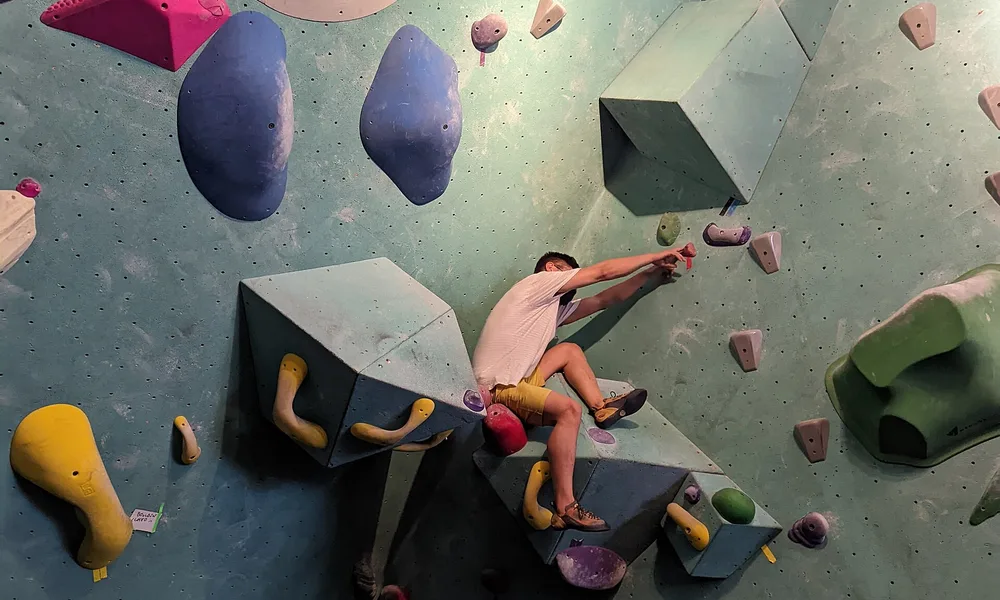
The gym show-off climbs for the audience. Every move is a performance, every fall is a drama, and every rest is a speech about how hard the route is. They block the landing zone while they talk, swing across other people’s lines to reach a photogenic hold, and treat a training session like a stage. Other climbers end up waiting, dodging, or leaving, and the show-off never notices because the room is always watching them, in their mind at least.
Confidence is fine and showing off is not a crime, but a gym is a shared training space, not a theatre. The fix is to climb, rest somewhere out of the way, and keep the commentary for your friends after the session.
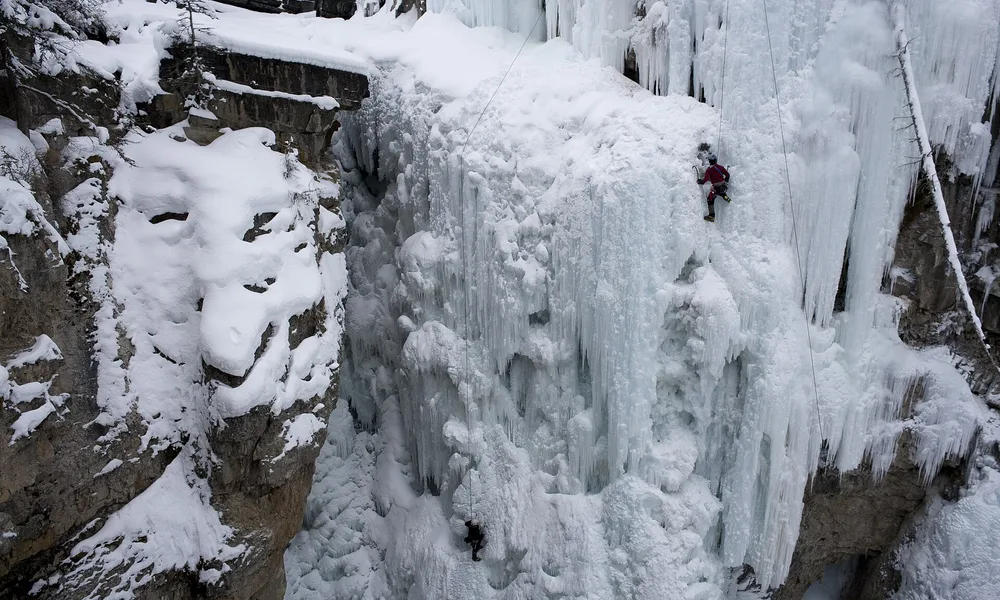
6. The crag litterer: the worst climber for access
The crag litterer leaves tape on the rock, chalk bags of rubbish at the base, and cigarette ends in the grass. They tick-mark holds with chalk and never brush them off, leave fixed gear to rot on the wall, and walk away from a mess they would never tolerate at home. One litterer’s mess is a small thing; a hundred litterers’ mess is the reason landowners close crags and councils ban climbing altogether.
Access is the most fragile thing in climbing, and it depends on climbers leaving no trace. Carry a bag for your rubbish, brush your tick marks, and take out more than you brought in.
7. The endless excuse-maker: the worst climber to partner with
The endless excuse-maker never has a bad climb, only bad conditions. The holds were greasy, the shoes were wrong, the weather was off, the belayer was slow, the route was sandbagged. Every failure has an explanation that is never their own climbing, and every session ends with a list of reasons why nothing was their fault. Partners stop listening, because there is nothing to learn from someone who will not admit a mistake.
Excuses are cheap and progress is not. The climbers who improve fastest are the ones who own their falls, ask what went wrong, and try again. If you catch yourself blaming the rock for the third time in a session, stop, breathe, and admit the truth: the route was just hard, and that is fine.
What to avoid when climbing with others
The most common mistake is assuming that bad habits are someone else’s problem. Watch your own session first: are you shouting beta, hogging a route, or skipping a check because you are in a hurry? Then choose your partners carefully, because a bad partner costs you more than a bad route. Agree on safety checks before you start, agree on how long each person gets on a project, and agree that anyone can call a stop. Our guide to the worst kayaks of 2026 makes the same point about habits that waste other people’s days. If a climbing partner will not respect the basics, climb with someone else.
Checklist: spotting the worst climbers before you partner up
- Watch one full session first: do they check their partner every time, or only when someone is watching?
- Listen for unsolicited beta: if they narrate other people’s climbs, they will narrate yours.
- Check how they treat a queue: do they step aside between burns, or camp on the route?
- Ask about grades honestly: do their claims match what you see them climb?
- Look at the crag when they leave: is it cleaner than they found it, or messier?
- Trust your gut: if a partner makes you feel unsafe or unwelcome, find another partner.
Frequently asked questions
Who are the worst climbers of 2026?
The worst climbers are types defined by bad habits, not by skill: the beta sprayer, the safety skipper, the route hog, the sandbagger, the gym show-off, the crag litterer and the endless excuse-maker.
Is it rude to give beta to another climber?
Only when it is unsolicited. If a climber asks for help, give it gladly. If they did not ask, keep quiet and let them work the problem out themselves.
What should I do if my partner skips safety checks?
Stop climbing with them until they agree to a full partner check every time.
How long should I rest on a route before letting someone else go?
Take your attempt, then step off the route and rest away from the base. If a queue has formed, offer the next person a turn before you go again.
Does littering really threaten climbing access?
Yes. Landowners and councils close crags over rubbish, chalk marks and damage, and one group’s mess can end access for everyone who climbs there.
Can a strong climber still be one of the worst?
Yes. A strong climber who hogs routes, skips checks or shouts beta is worse than a weak climber who shares, checks and stays quiet.
Bottom line
The worst climbers of 2026 are not the weakest climbers. They are the ones whose habits cost other people time, patience, safety or access: the sprayer, the skipper, the hog, the sandbagger, the show-off, the litterer and the excuse-maker. Avoid their habits, choose partners who share and check, and the wall gets better for everyone.