The Worst Baseball Players of 2026: Seven Types That Lose Games
The worst baseball players of 2026 are not the rookies still learning the speed of the game or the veterans whose legs have gone. They are the familiar types every fan, coach and teammate dreads seeing in the line-up: the pitcher who cannot find the strike zone, the slugger who swings for the fences on every pitch, the fielder whose glove seems to repel the ball, and the catcher who lets the game drift away behind the plate. This guide ranks the seven worst types of baseball player you will meet in 2026, by the damage they do to a team, so you can spot each one early and understand exactly why they cost games.
Key takeaways
- The worst baseball players are types and patterns, not people: the same bad habits appear in every league, at every level.
- A pitcher who walks batters and a fielder who drops routine balls cost more runs than any single strikeout ever will.
- Strikeouts and errors are forgivable when a player learns from them, but repeating the same mistake every game is not.
- The most damaging types are the ones who hurt the team quietly, inning after inning, without ever making a spectacular error.
- You cannot fix a teammate mid-game, so the best defence is knowing each type and planning around the weakness before the first pitch.
How the worst baseball players were judged
Every type below was scored on five measures. Damage to the scoreboard comes first: how many runs does this type give away, directly or by extending innings? Damage to team rhythm is second, because some types drag the whole dugout into their slump and make everyone play worse. Predictability is third: the worst types repeat the same weakness on every pitch, so opponents plan for it. Frequency is fourth, because a rare bad day is forgivable and a weekly one is not. Every type below was scored on five measures. Damage to the scoreboard comes first: how many runs does this type give away, directly or by extending innings? Damage to team rhythm is second, because some types drag the whole dugout into their slump and make everyone play worse. Predictability is third: the worst types repeat the same weakness on every pitch, so opponents plan for it. Frequency is fourth, because a rare bad day is forgivable and a weekly one is not. Coachability is fifth: the types who refuse to adjust, take advice or change their approach score far worse than the ones who are simply struggling. Two notes before the list. First, no real player is named here, because the point is the pattern, not the person. Second, being weak at baseball is not the same as being one of the worst baseball players: an honest, hard-working beginner who hustles on every play is welcome on any team, and the types below fail on consistency, awareness or attitude, not talent. For the wider view of sporting bad habits, see our guide to the worst tennis players of 2026, where the same patterns ruin matches in a different sport.
Comparison table: the worst baseball players of 2026
| Rank | Player type | Main fault | Cost to the team |
|---|---|---|---|
| 1 | The Wild Pitcher | No command, endless walks | Free runners, long innings |
| 2 | The All-or-Nothing Slugger | Swings for the fences every time | Strikeouts, stranded runners |
| 3 | The Stone-Glove Fielder | Drops routine balls | Extra outs, unearned runs |
| 4 | The Disappearing Catcher | Passed balls, no game calling | Stolen bases, lost pitchers |
| 5 | The Rally-Killer at the Plate | Chases bad pitches, hits into double plays | Dead rallies, wasted innings |
| 6 | The Station-to-Station Runner | Never takes the extra base | Scoring chances wasted |
| 7 | The Clubhouse Complainer | Blames everyone else | Broken morale, divided dugout |
The worst baseball players of 2026
1. The Wild Pitcher: the worst arm on the mound
The wild pitcher is the worst baseball player of 2026 because every one of his faults becomes a free runner. He has the arm, and that is the cruel part: the fastball looks good in warm-ups, the breaking ball has movement, and then the game starts and nothing lands where it should. Four balls, then another four, then a hit batter, and suddenly the bases are loaded with nobody out and the pitcher has thrown thirty pitches without recording an out.
What makes him truly damaging is that he never adjusts. A good pitcher who loses the zone for an inning will throw a fastball down the middle, take the single, and reset.
2. The All-or-Nothing Slugger: power with no plan
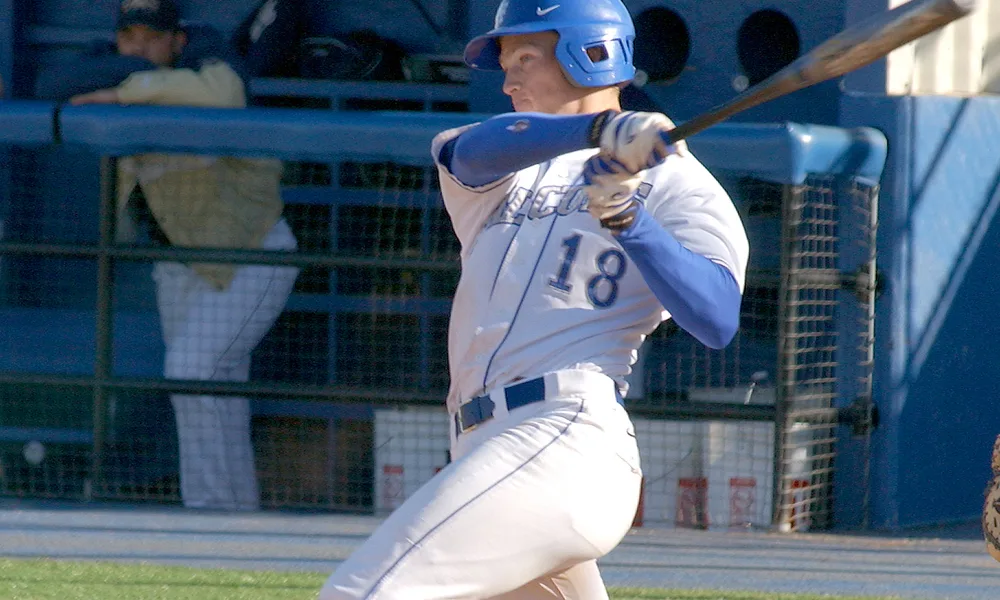
The all-or-nothing slugger is the player who treats every at-bat like the final round of a home run contest. He steps in, digs a hole with his back foot, and swings as hard as he possibly can at anything near the plate.
Teams suffer because the slugger kills rallies. With a runner on second and one out, a simple ground ball to the right side moves the runner to third and sets up a run.
3. The Stone-Glove Fielder: the error machine
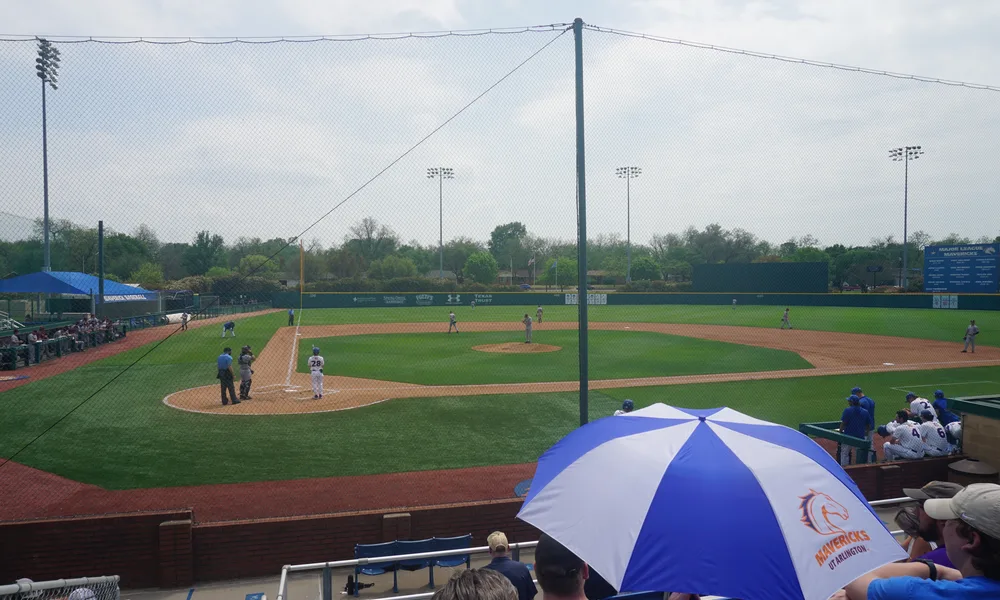
The stone-glove fielder turns routine outs into adventures. A ground ball hit straight at him becomes a hop he misreads, a ball that clanks off his glove, or a throw that sails five feet over the first baseman’s head. He is not slow, and he is not lazy; he simply cannot be trusted with the ball, and everyone on the field knows it.
The damage goes beyond the errors on the scorecard. Innings that should end in twelve pitches stretch to thirty, pitchers tire earlier, and the opposition gets extra chances with runners on base.
4. The Disappearing Catcher: the silent battery
The disappearing catcher is the player you forget is on the field until something goes wrong, and then it goes wrong all at once. He sets up late, calls the same pitch in the same count every time, and lets balls in the dirt roll to the backstop while runners advance without a throw.
A good catcher is the captain of the defence: he frames borderline pitches into strikes, blocks the wild ones, throws out runners, and keeps the pitcher calm after a bad call. The disappearing catcher does none of it.
5. The Rally-Killer at the Plate: the double-play specialist
Every team has one: the batter who comes up with runners on first and second, nobody out, and somehow ends the inning with a double play. The rally-killer swings at the first pitch, a sinker at his ankles, and hits a soft grounder straight to the shortstop. Two outs, one pitch, rally over.
What separates him from an ordinary slumping hitter is his refusal to take a pitch. With a runner in scoring position, a walk is nearly as good as a hit, and a deep fly ball scores the run anyway. What separates him from an ordinary slumping hitter is his refusal to take a pitch. With a runner in scoring position, a walk is nearly as good as a hit, and a deep fly ball scores the run anyway. The rally-killer wants the hit, wants it now, and chases pitches out of the zone to get it. Opposing pitchers know it, so they never throw him a strike with men on base. He swings, he grounds out, and he walks back muttering about bad luck, while the dugout counts another wasted chance. The same bad habits show up in other sports too, and our guide to the worst golfers of 2026 shows how one repeated mistake can ruin a whole round.
6. The Station-to-Station Runner: speed left in the dugout
The station-to-station runner treats every base like a bus stop: he arrives, he waits, and he only moves when the next hit forces him to. He never takes the extra base on a single to the outfield, never tags up on a medium fly ball, and never tries to steal when the pitcher is slow to the plate.
Baseball is a game of inches and extra bases, and the runner who never advances costs his team in ways that never show up in his own statistics. A single that should put runners on second and third instead leaves them on first and second.

7. The Clubhouse Complainer: the morale killer
The clubhouse complainer is the worst baseball player of 2026 in a different way: his bat and glove are often fine, but his attitude poisons everything around him. He blames the umpire after every strikeout, the field after every error, the manager after every loss, and his teammates after every missed chance. Young players listen and learn that excuses are acceptable.
The damage is hard to measure and easy to feel. A team that trusts each other picks up a teammate after an error; a team with a complainer in it watches the error and waits for the blame to start.
What to avoid when judging a baseball player
The most common mistake is judging a player on one game. Every player has a bad day: the best pitcher walks three batters, the best fielder boots a grounder, the best hitter strikes out four times. The worst baseball players are not the ones who have a bad day, but the ones who have the same bad day every week and never change anything about it. The most common mistake is judging a player on one game. Every player has a bad day: the best pitcher walks three batters, the best fielder boots a grounder, the best hitter strikes out four times. The worst baseball players are not the ones who have a bad day, but the ones who have the same bad day every week and never change anything about it. Look for the pattern across a month, not a single box score, and ask whether the player is working on the weakness or simply repeating it. Also beware the highlight trap: a single long home run does not cancel out ten strikeouts, just as one diving catch does not cancel out five errors. The same warning applies across sport, and our guide to the worst bowlers of 2026 makes the same point about judging a player by their worst repeated habit rather than their best single moment.
Checklist: spotting the worst baseball players
- Watch the pitcher for three innings: walks and hit batters in every inning are the pattern, not bad luck.
- Count the slugger’s chases: swings at pitches out of the zone on two strikes are a habit, not aggression.
- Check the fielder’s routine plays: errors on balls hit straight at him matter more than missed diving catches.
- Watch the catcher between pitches: late set-ups and passed balls tell you the battery is broken.
- Track the runner on base: a player who never takes the extra base is costing runs even when he gets hits.
- Listen in the dugout: a player who blames everyone else after every failure is the morale risk, whatever his stats say.
Frequently asked questions
Who is the worst baseball player of 2026?
There is no single worst player, because the worst baseball players are types, not people.
What makes a baseball player bad rather than just unlucky?
Repetition.
Can a wild pitcher be fixed?
Yes, if he is willing to change.
Is striking out a lot always bad for a hitter?
Not always.
Why does attitude matter so much in baseball?
Because baseball is a long season of daily failure, and a team that handles failure together stays together.
How should a coach handle the worst types?
Coach the pattern, not the person.
Bottom line
The worst baseball players of 2026 are the ones who repeat the same costly habits and refuse to change them: the wild pitcher who hands out free runners, the slugger who strikes out with men on base, the fielder who cannot be trusted with a routine ball, and the complainer who divides the dugout.