Worst Umpires 2026: The Habits That Spoil a Good Game
The worst umpires 2026 has produced are not the ones who make a single honest mistake in a loud stadium. Every official gets a call wrong sometimes, and most of them own it, reset, and carry on. The worst umpires are the ones whose habits repeat from match to match: the drifting strike zone that changes with the score, the slow decision that leaves twenty-two players standing still, the refusal to consult a colleague when the view was clearly blocked, and the thin skin that turns a fair question into a punishment. This guide ranks the worst types of umpiring in 2026 by pattern, not by person, so you can recognise the habits that spoil a game long before the scoreboard does.
Key takeaways
- The worst umpiring is a pattern, not one bad call: the same habit shows up in match after match.
- An inconsistent strike zone or decision line hurts both teams, because nobody can plan around a moving target.
- Slow, theatrical decisions kill the rhythm of a game far more than a quick wrong call that is corrected.
- Good umpires consult, explain briefly, and move on; bad ones dig in, escalate, and make the game about themselves.
- Players adapt to a strict umpire and to a lenient one, but they cannot adapt to an umpire who changes the rules mid-match.
How the worst umpiring of 2026 was judged
Every type below was scored on five measures. Consistency comes first: does the same decision get made in the first over and the last, for both teams, whatever the score? Communication is second, judged on clear signals, a calm word when tempers rise, and a short explanation when a decision needs one. Game management is third, because an umpire who lets a match drift, or who stops it every few minutes, is failing at the main job. Use of help is fourth: the willingness to consult a colleague, check with technology where the rules allow it, and correct an obvious error. Temperament is fifth: the ability to stay neutral when a crowd, a captain, or a close call is pushing hard the other way.
Two notes before the list. First, no individual umpire is named as the worst anywhere in this article, because the same bad patterns appear in many officials, and what matters is learning to recognise them. The types below are not about human error, which every fan forgives. They are about habits that could be fixed and never are. Fans who follow the players will find the same pattern-first approach in our guides to the worst cricketers of 2026 and the worst baseball players of 2026, where a repeated weakness matters far more than one bad day.

Comparison table: the worst umpires 2026
| Rank | Umpire type | Worst habit | Who suffers most |
|---|---|---|---|
| 1 | The moving-zone umpire | The strike zone or decision line shifts with the score | Bowlers and batters alike |
| 2 | The slow-decision umpire | Long pauses before every close call | Players, fans and the broadcast |
| 3 | The never-consults umpire | Refuses help even when the view was blocked | The team on the wrong end |
| 4 | The thin-skinned umpire | Turns fair questions into penalties | Captains and young players |
| 5 | The crowd-pleaser umpire | Decisions drift towards the home crowd | The visiting team |
| 6 | The whistle-happy umpire | Stops play for every small thing | The flow of the whole match |
| 7 | The invisible umpire | Lets dissent and gamesmanship run unchecked | Fair play itself |
The worst umpires of 2026
1. The moving-zone umpire: a different rule every over
The moving-zone umpire is the worst type of all, because the damage is invisible until it is too late. In the first hour the strike zone is wide and generous; after lunch it shrinks to a postage stamp; in the final session it depends on who is batting and how loud the crowd has become. Bowlers stop trusting their best ball, because the same delivery is a wicket one over and a wide the next. Batters stop trusting their defence, because a ball they left alone yesterday is given out today. The moving-zone umpire never does, and that is why this type tops the list. Consistency is the one thing an umpire owes every player, and the moment it goes, nothing else the official does well can rescue the match.
2. The slow-decision umpire: theatre where a call should be
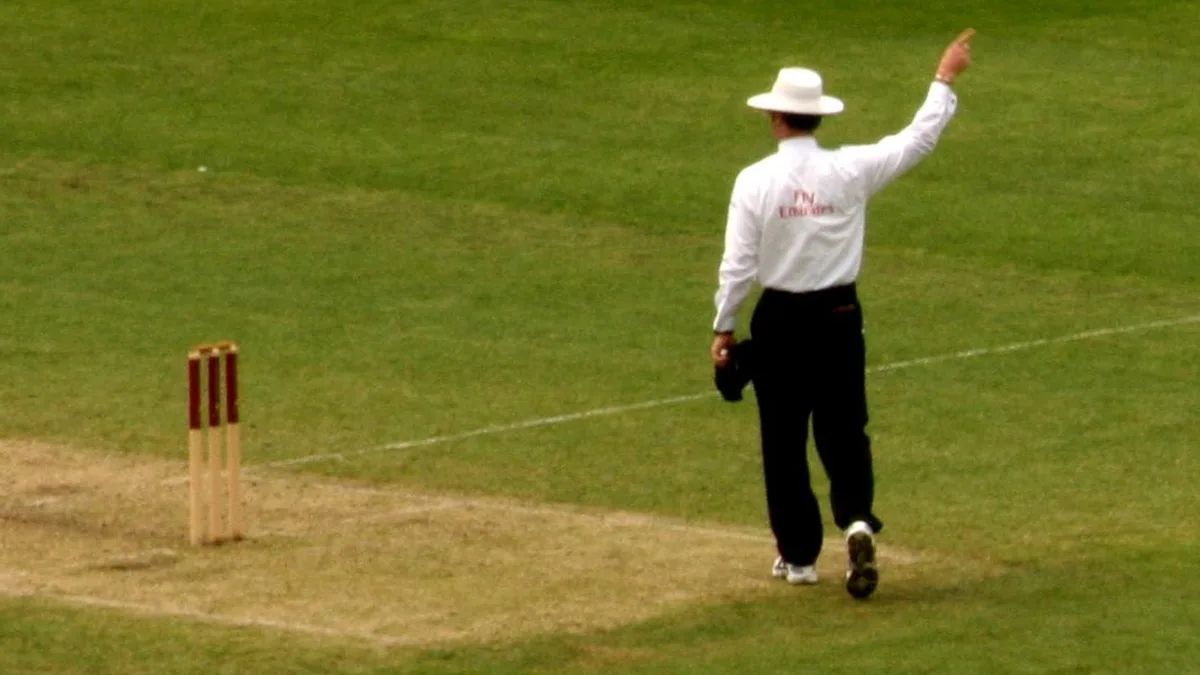
The slow-decision umpire treats every close call like a ceremony. The appeal goes up, the players gather, the crowd holds its breath, and the umpire stands still, arms at the sides, thinking about it for far longer than the decision needs. Sometimes the pause is genuine, and a hard call deserves a second look. But when the pause happens on every appeal, including the obvious ones, it stops being care and starts being theatre. Good umpires decide quickly, signal clearly, and move the game on. The slow-decision type does the opposite, and the game is poorer for it.

3. The never-consults umpire: pride before accuracy
Every umpire has a colleague standing a short walk away, and in most modern games there is technology available too. The never-consults umpire ignores both. A catch is claimed low to the ground, the view was blocked by a fielder, and the right move is a quiet word with the other official. Instead, this umpire decides alone, instantly, and wrongly, then refuses to change the call when the replay shows the error. The problem is not the mistake; it is the pride. They do not accept an error that could have been avoided with a ten-second conversation. That reputation then poisons every later decision, because players stop believing the calls even when they are correct.
4. The thin-skinned umpire: questions become offences
A captain is allowed to ask, politely, why a decision was made. A young player is allowed to look surprised. The thin-skinned umpire treats both as personal insults. A raised eyebrow earns a warning, a fair question earns a lecture, and a second question earns a penalty that changes the match. Captains cannot clarify a ruling, bowlers cannot ask about a no-ball, and the match is played in a cold silence that suits nobody. The thin-skinned type carries every slight into the next over, and the players can feel it.
5. The crowd-pleaser umpire: the home team gets the calls
Home crowds are loud, passionate, and convinced their team is right on every appeal. The crowd-pleaser umpire agrees with them far too often. Close calls go to the home side, appeals from the visitors are waved away with a shake of the head, But the effect is the same, and it is the hardest type to prove and the easiest to feel. Away teams travel long distances, prepare for weeks, and then find the contest tilted by the one person who is supposed to be neutral. The best officials are almost boring in their neutrality: the same call, the same signal, whatever the noise. The crowd-pleaser is the opposite, and visiting teams remember it for years.
6. The whistle-happy umpire: stopping a game that wants to flow
Some umpires seem to believe that a quiet game is a badly managed one. The whistle-happy type stops play for every minor thing: a fielder a step out of place, a bowler taking a second too long, a batter adjusting a glove. Constant interruptions deny them both, and the spectacle becomes a series of restarts rather than a contest. Good game management is mostly invisible: the umpire keeps things moving, deals with small issues quietly, and saves the whistle for the moments that genuinely need it. The whistle-happy umpire has the priorities backwards, and the match feels longer than it is.
7. The invisible umpire: when nobody is in charge
The last type is the hardest to spot, because the failure is an absence. The invisible umpire lets dissent grow, lets players crowd the official after every decision, lets gamesmanship slide until it becomes the norm. Young players learn that shouting works, captains learn that pressure pays, and the next match starts from a worse place. The invisible umpire is none of those things, and the game drifts wherever the loudest voices push it. Of all the types on this list, this one does the most quiet damage, because it teaches everyone watching that the rules are optional.
What to watch for when judging an umpire
The most common fan mistake is judging an umpire on a single decision, usually the one that hurt their own team. A fairer test is the pattern across a full match: does the zone stay steady, do the signals come quickly and clearly, does the umpire talk to players or only at them, and does the game flow or stall? The same pattern test works for players too, and our guide to the worst tennis players of 2026 makes the same point about repeated weaknesses rather than one bad day.
Checklist: spotting the worst umpiring habits
- Watch whether the same delivery gets the same decision in the first and last sessions of the match.
- Time the pauses: a decision that needs ten seconds every time is theatre, not care.
- Notice whether the umpire ever consults a colleague, or always decides alone.
- Listen to how questions are answered: a short explanation is good, a lecture is a warning sign.
- Compare close calls for both teams, not just the ones that hurt your side.
- Judge the flow of the whole match, not the single call that decided it.
Frequently asked questions
What makes an umpire the worst rather than just unlucky?
A pattern. One wrong call is bad luck, and every official has them. The worst umpires repeat the same habit, match after match, without fixing it: a moving zone, endless pauses, or a refusal to consult a colleague.
Why is an inconsistent strike zone so damaging?
Because neither team can plan around it. Bowlers stop trusting their best deliveries, batters stop trusting their judgement, and the contest becomes a lottery instead of a test of skill.
Should umpires consult their colleagues more often?
Yes, when the view was blocked or the call is genuinely close. A ten-second conversation that gets the decision right is always better than a fast call that gets it wrong and cannot be corrected.
Is it fair to criticise umpires when the job is so hard?
Yes, when the criticism is about habits, not people. Umpiring is genuinely difficult, and honest mistakes deserve understanding. Repeated, fixable habits are a fair subject for fans and writers alike.
Do home crowds really influence umpires?
They can, and the best officials work hard to stay neutral. The warning sign is a pattern of close calls going one way over a full match, not a single decision that happens to favour the home team.
What is the single best sign of a good umpire?
You barely notice them. The game flows, the decisions come quickly and clearly, players know where they stand, and the contest, not the official, is what everyone talks about afterwards.
Bottom line
The worst umpires 2026 has shown share one trait: a habit they will not fix, whether it is a zone that moves, a pause that drags, a colleague never consulted, or a temper that turns questions into offences. Good umpiring is almost invisible, and that is the point. When the official does the job well, the players decide the match. When the habits on this list take over, the umpire decides it instead, and everybody watching knows it.