The Worst Cricketers of 2026: Player Types That Cost Their Team the Match
The worst cricketers of 2026 are not the beginners still learning which end of the bat to hold. They are the familiar types every club side dreads: the opener who blocks everything and scores nothing, the spinner who bowls short ball after short ball, the wicketkeeper who drops the catch that would have changed the game, and the captain who watches the same plan fail for three hours and changes nothing. This guide ranks them by the damage they do, so you can spot each one early.
Key takeaways
- The worst cricketers are types and patterns, not people: the same bad habits appear at every club, in every grade.
- A dropped catch costs more than a golden duck, because it hands the other team free runs and a free wicket.
- Negative bowling is the quietest way to lose: short balls and wides let the batting side score without taking a risk.
- A captain who never changes the field or the bowling plan turns one bad spell into a whole lost innings.
- You cannot fix a team-mate mid-match, so plan for each type before the first ball is bowled.
How the worst cricketers were judged
Every type below was scored on five measures. Damage to the team comes first: how many runs does this type give away, or how many wickets does it waste? Predictability is third: the worst types repeat the same weakness every match. Frequency is fourth, because a rare bad day is forgivable and a weekly habit is not. Honesty is fifth: blamers score far worse than strugglers. No real cricketer is named here, because the point is the pattern, not the person. Being weak at cricket is not the same as being one of the worst cricketers: an honest, keen beginner who fields hard and runs hard is welcome on any side. For the wider view of the game, see our guide to the worst cricket bats of 2026, where the equipment gets the same unsparing treatment.

Comparison table: the worst cricketers of 2026
| Rank | Player type | Main fault | Cost to your team |
|---|---|---|---|
| 1 | The Wicketkeeper Who Cannot Catch | Drops catches, misses stumpings | Free runs, lost wickets |
| 2 | The Captain Who Never Changes the Plan | Same field, same bowlers, all day | A lost innings |
| 3 | The Bowler With No Line or Length | Wides, no-balls, short balls | Extras pile up |
| 4 | The Fielder Who Drops Everything | Drops catches, fumbles ground balls | Batters live twice |
| 5 | The Block-and-Hope Opener | Blocks everything, scores nothing | Run rate collapses |
| 6 | The Spinner Who Bowls Short | Short, flat, no turn | Easy boundaries |
| 7 | The Tailender Who Swings at Everything | Swings across the line, no defence | Innings ends early |
The worst cricketers of 2026
1. The wicketkeeper who cannot catch: the worst type of all
The wicketkeeper touches the ball more than anyone else, so a keeper who cannot catch is the most expensive player in cricket. Every edge that goes down is a batter given a second life, and a batter given a second life usually makes the team pay with fifty more runs. The worst keepers drop easy chances and miss stumpings. Worse still is the effect on the bowlers: a bowler who beats the bat three times in an over and gets nothing stops bowling with belief, and the innings slides away. The fix is practice: a hundred catches a week and your best catcher at first slip.
2. The captain who never changes the plan
Every club has a captain who sets the field at the start of the innings and leaves it there until tea. The opening bowlers are going for runs, the spinner is being milked for singles, the batter sweeps everything through a gap open for an hour, and the captain does nothing. The plan was made in the changing room and it stays, working or not. This is the most avoidable way to lose, because the fix costs nothing: move a fielder, change the bowler, take the pace off, or bring the field up and force the batter to hit over the top. A good captain watches the batter: step to leg, bowl wider; late on the ball, bowl fuller; partnership past eighty, change something.
3. The bowler with no line or length
There is a bowler at every club who can bowl one genuinely quick ball every six deliveries and a wide, a no-ball or a long hop on the other five. The over goes for twelve, the extras column grows faster than the runs column, and the batting side never has to take a risk because the free runs keep coming. The worst version bowls a different bad ball every time. Line and length are habits, built on the practice pitch with a target, not by bowling flat out at the nets with no plan. The fix is boring: bowl at one stump for twenty minutes until six out of six land right.
4. The fielder who drops everything
A dropped catch is the loudest sound in cricket, because the whole ground hears the groan that follows. The fielder who drops everything does it in every position: at slip, in the deep, under the high ball at mid-wicket. They look away at the last moment, catch one-handed, and stand in the wrong place. The cost is not just the runs the batter scores afterwards; it is the bowler who stops attacking, the captain who stops setting catching fields, and the team that starts to expect the drop. Fielding is the cheapest skill to improve, and the fielder who drops everything usually never practises it.
5. The block-and-hope opener
Opening the batting is the hardest job in cricket, and the block-and-hope opener makes it harder for everyone else. They survive twenty balls, score four runs, then get out to a ball they could have left alone, leaving the middle order to face the new ball with the run rate already dead. The intent is defensive, but pressure builds with every dot ball and the innings collapses from both ends. An opener who never scores puts the team in a hole that takes thirty overs to climb out of. The fix is one scoring shot an over, even a push into the gap for a single: rotation keeps the field moving, the bowlers guessing, and the scoreboard ticking.
6. The spinner who bowls short
Spin bowling is the art of deception: flight, drift, turn, and the batter never quite sure which way the ball will go. The spinner who bowls short throws all of that away. Every ball sits up at hip height, the batter rocks back and pulls it to the boundary, and the over goes for ten before the spinner has found a rhythm. They bowl short from fear of the straight hit, which guarantees the square hit instead. A tossed-up ball invites the drive, which brings catches, stumpings and bowleds. Short bowling brings none of those dismissals and all of the boundaries. The fix is a length marker on the practice pitch and the discipline to bowl above the eyeline until the batter errs. Our guide to the worst tennis players of 2026 shows how one repeated weakness decides match after match in any sport.

7. The tailender who swings at everything
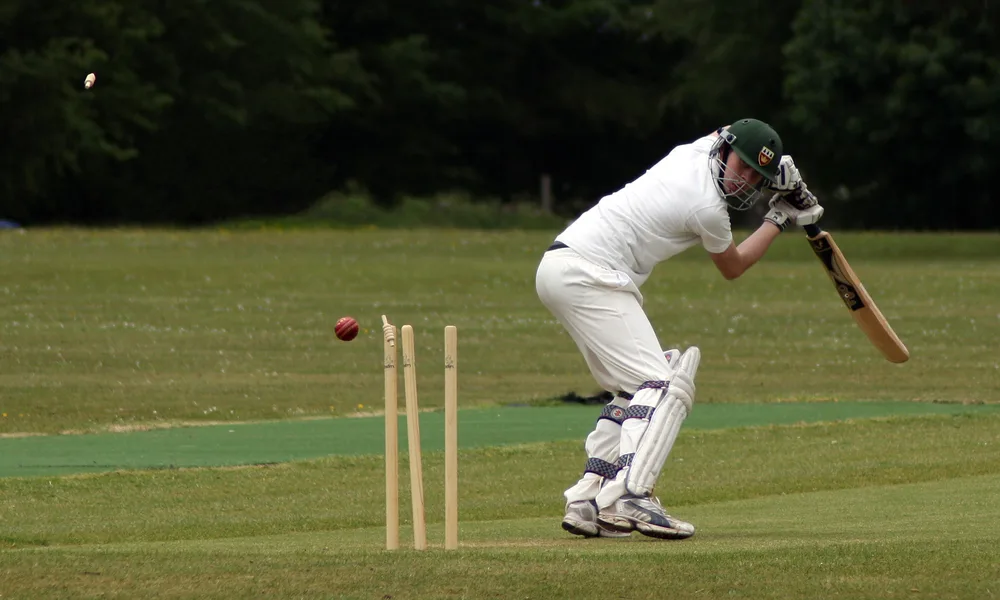
Every team needs its last batters to hang around, farm the strike, and add twenty or thirty priceless runs with the recognised batter at the other end. The tailender who swings at everything does the opposite: first ball, a wild heave across the line, stumps everywhere, and the innings is over with the set batter stranded. The damage is doubled, because the team loses both the tailender and the runs the set batter would have scored with a partner. The worst tailenders treat every ball like the last over of a final. The fix is simple: defend the straight ball, leave the wide one, hit only the bad ball. A tailender who blocks for twenty balls is worth more than one who hits a single six and gets out.
What to avoid when your side has one of these types
The most common mistake is to move the problem around instead of fixing it. Dropping the bad keeper to slip moves the drops to where they cost more runs. Bowling the wayward bowler at the death puts the wides where every extra hurts double. The honest move is to name the weakness in practice, give the player one clear thing to work on, and measure it week by week. A keeper who practises catching will stop dropping them; a bowler who bowls at one stump will find a line. The second mistake is letting one bad type set the mood: a dropped catch is no reason to stop attacking. Treat each type as a fixable habit, not a fixed identity.
Checklist: spotting the worst cricketers before they cost you a match
- Watch the keeper in the warm-up: drops before the match mean drops during it.
- Count the extras after four overs: more than eight means the bowling plan needs changing now, not at drinks.
- Check the opener’s intent: no scoring shot in three overs means the run rate is already in trouble.
- Look at the captain’s field after a boundary: no change after two boundaries means no plan at all.
- Put your best catcher at slip and your worst fielder where the ball rarely goes until practice improves.
- Tell the tailenders their job before they bat: stay in, defend the straight ball, and leave the wide one.
Frequently asked questions
Who are the worst cricketers of 2026?
The worst cricketers of 2026 are types, not named players: the keeper who cannot catch, the captain who never changes the plan, the bowler with no line or length, the fielder who drops everything, and the opener who blocks without scoring.
What makes a wicketkeeper the worst type of cricketer?
The keeper touches the ball more than anyone else, so every drop hands the batting side a second life and extra runs. A keeper who drops easy catches also destroys the bowlers’ confidence, which costs the team far more than the runs on the scoreboard.
How do you fix a bowler with no line or length?
Bowl at one stump for twenty minutes and count the balls that would have hit it. Short spells and no magic delivery until six out of six land right will fix the line.
Is a slow opener really one of the worst cricketers?
Yes, when the blocking comes with no scoring at all. A slow start kills the run rate, forces the partner to take risks, and leaves the middle order facing a fresh attack with the game already behind.
Can a bad captain lose a match on their own?
Very often. A captain who never moves a fielder, never changes the bowler and never reacts to the batter turns one bad spell into a lost innings. The fix costs nothing: one change at a time, made early.
What should a tailender do instead of swinging at everything?
Defend the straight ball, leave the wide one, hit only the bad ball. A tailender who blocks for twenty balls adds more than one who hits a six and gets out.
Bottom line
The worst cricketers of 2026 are not the least talented players on the field. They are the ones whose habits cost their team the most: the keeper who drops the catch, the captain who never adapts, the bowler who cannot find a line, the fielder who cannot hold a catch, and the batter who cannot score or stay in. Every type is fixable: name the weakness, practise the one skill that matters, and measure improvement weekly. Spot the type early and your side will win the close games this list keeps losing. For more, see our guide to the worst golfers of 2026.