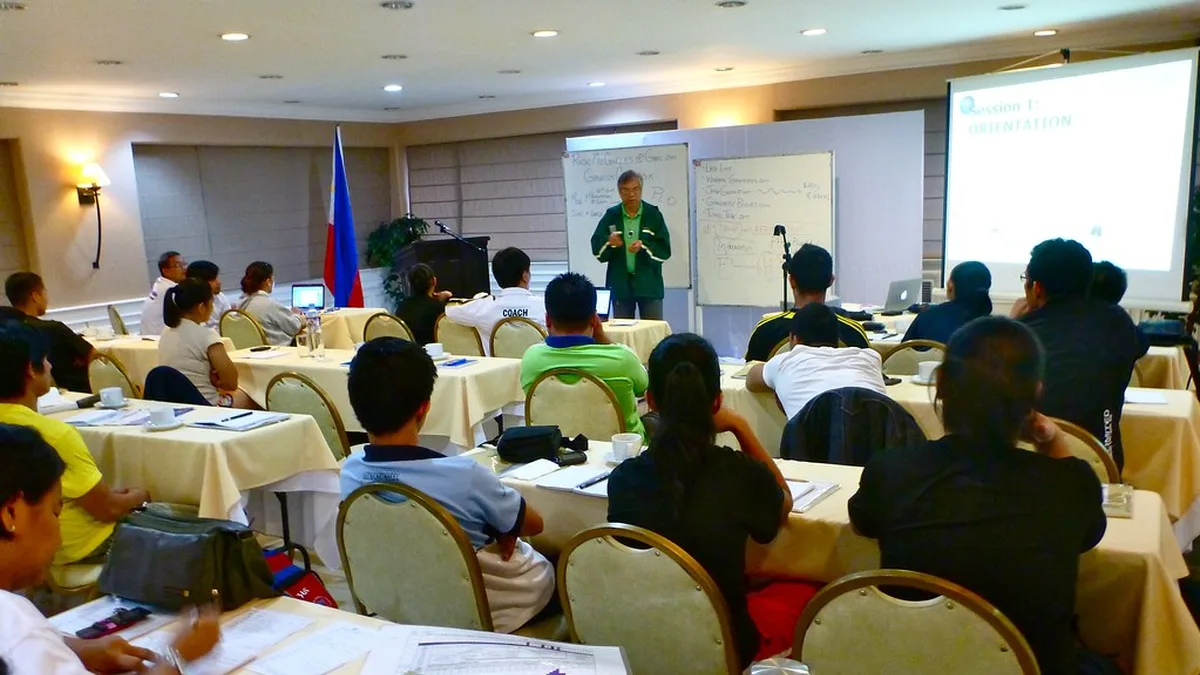
What Makes the Worst Referees of 2026 So Hard to Play Under
The worst referees of 2026 do not ruin games because they made one honest mistake on a difficult call. They ruin games the same way, week after week, because of habits that were never fixed: a whistle that comes a second too late, a card shown for everything and nothing, a foul let go until the players take the law into their own hands, and a decision that changes with the shirt, the crowd or the scoreline. A referee is the only person on the pitch whose job is to be invisible, and the referees below fail at that job so reliably that the game becomes about them. This guide ranks the worst types of referee in 2026 by the damage they do to a match.
Key takeaways
- The worst referees are types and patterns, not people: the same bad habits appear at every level, from Sunday league to the top flight.
- Consistency matters more than correctness. Players can live with a strict referee, but not with one who changes the rules every ten minutes.
- A late whistle is worse than a wrong whistle. Play continues, players collide, and the decision arrives after the damage is done.
- Control is earned early. A referee who lets the first fouls go will spend the rest of the game chasing it.
- Watch the referee, not just the players: the worst games are decided by the official long before the final whistle.
How the worst referees were ranked
Every type below was scored on four measures. Consistency comes first: does the same foul earn the same decision at both ends of the pitch, in the first minute and the last? Timing is second, judged on how quickly the whistle comes and whether play is allowed to run on after a clear foul. Control is third, because a referee who loses the players loses the game, and no amount of cards can buy it back. Positioning is fourth: is the official close enough to see the incident, or is the call a guess from thirty yards away?
One note before the list. No single official is named here, because the same bad patterns appear in many shirts, and what matters is learning to recognise them for yourself. The types below are not the ones who make a mistake. They are the ones who make the same mistake, in the same way, every single game.
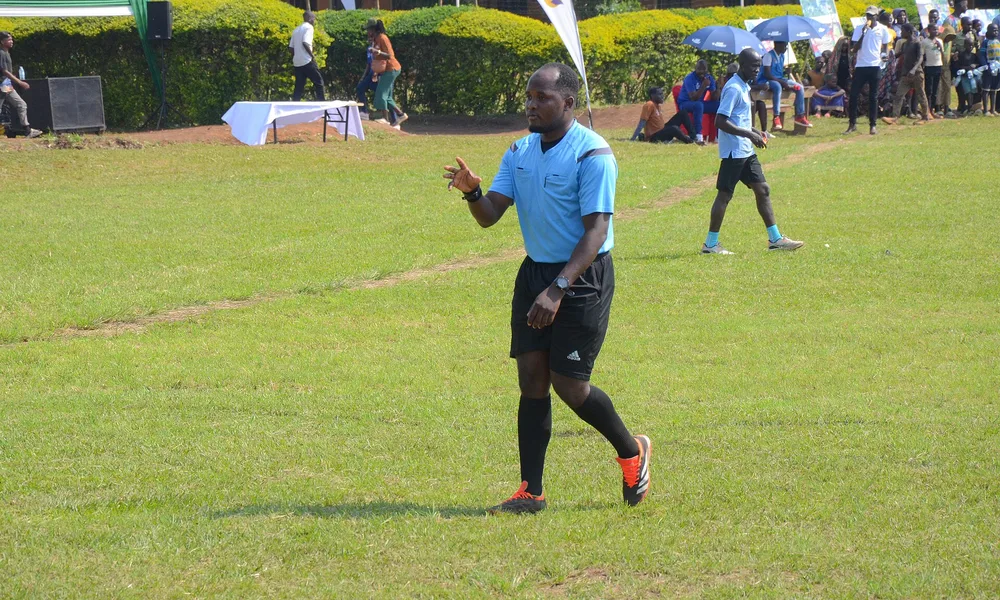
Comparison table: the worst referees of 2026
| Rank | Referee type | Main fault | Game it ruins |
|---|---|---|---|
| 1 | The late whistler | Whistle comes a second too late | Fast, physical games |
| 2 | The card-happy referee | Cards for everything and nothing | Derbies and cup ties |
| 3 | The invisible referee | Lets fouls go until it boils over | Rivalry matches |
| 4 | The inconsistent caller | Same foul, different decision | Any close game |
| 5 | The showman | Makes the game about himself | Televised games |
| 6 | The out-of-position referee | Always behind play, guesses calls | Counter-attacking games |
| 7 | The crowd-pleaser | Swayed by the home crowd | Big home crowds |
The worst referees of 2026
1. The late whistler: the worst way to lose control of a game
The late whistler sees the foul, thinks about it, and then blows. In that second of delay everything goes wrong. The fouled player stays down, the other team plays on, the ball goes in the net, and twenty-two players turn to the referee at once. The goal is disallowed, the crowd is furious, and the referee has created an argument out of a decision that should have been simple. A whistle that comes late is worse than a whistle that is wrong, because a wrong call at least stops the game while it can still be managed. The late whistler lets the game run past the point of no return and then tries to rewind it.
2. The card-happy referee: every foul is a final warning
The card-happy referee believes that control comes from the pocket, and the pocket is always open. A first foul earns a yellow, a second earns a lecture, and by half time both teams are walking on eggshells and the game has stopped being a contest. The worst part is that the cards do not buy respect. Players stop tackling, the game slows to a walk, and the crowd turns on the official who has made himself the story. Then, because every card has been spent early, the really bad tackle in the seventieth minute earns only a talking-to, because the referee has nothing left to threaten with.
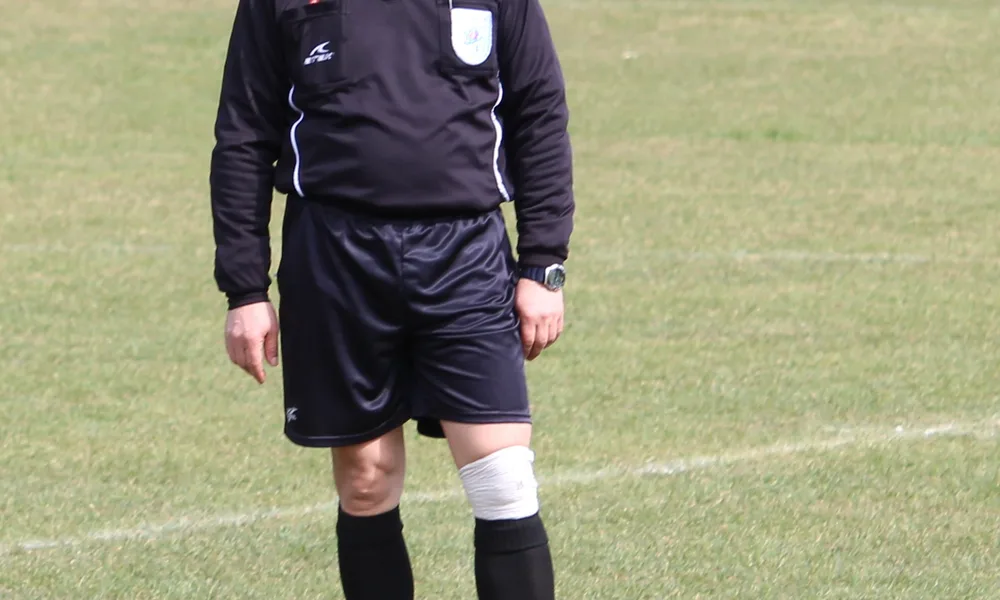
3. The invisible referee: the game referees itself, badly
The invisible referee wants the game to flow, and for the first ten minutes it does. Then the fouls start, and none of them are given. A late tackle goes unpunished, a shirt pull is waved away, and the players learn the lesson in seconds: the referee is not going to protect anyone. From that moment the game polices itself, and it does so badly. Tackles get harder, tempers rise, and by the hour mark the match that should have been settled by football is settled by a brawl. The same failure to act early ruins games in every sport, and our guide to the worst basketball players of 2026 shows how players who are never checked early take over a game the same way.
4. The inconsistent caller: the rules change every ten minutes
Players can live with a strict referee and they can live with a lenient one. What they cannot live with is a referee who gives a free kick for a push at one end and waves play on for the same push at the other. The inconsistent caller makes the same incident mean different things depending on the minute, the score and the shirt, and every decision becomes a debate. The players stop playing the game and start playing the referee, testing every boundary to find out where it sits today. Coaches shout from the touchline, captains spend the game in the referee’s ear, and the match descends into a long argument with football breaking out in between.
5. The showman: the match is about him now
The showman does not walk onto the pitch, he arrives. The whistle is blown with a flourish, the cards are produced like a magician’s reveal, and every decision comes with a long lecture, a pointed finger and a stare for the cameras. The players know within minutes that the game is no longer theirs. Every stoppage is a performance, every call is an event, and the match that should have been decided by two teams is decided by one official’s need to be noticed. The showman is not always wrong. That is what makes him so frustrating: the decisions are often correct, but they are delivered in a way that makes enemies of both teams.
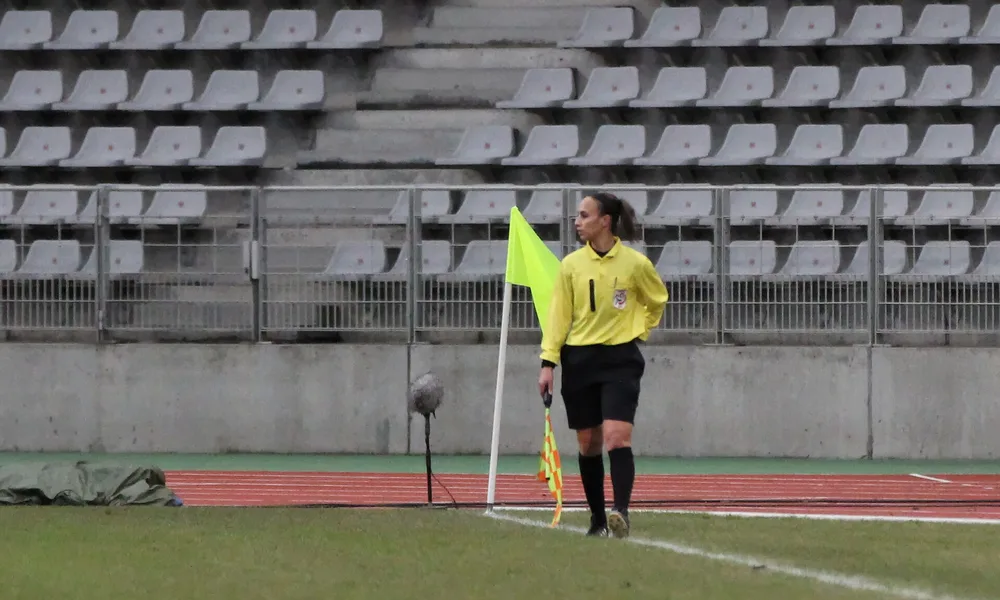
6. The out-of-position referee: guessing from thirty yards away
A referee who is always behind the play cannot see the play, and a referee who cannot see the play has to guess. The out-of-position referee is easy to spot: the counter-attack breaks, the official is still jogging through the centre circle, and the call that follows is made from a distance no honest official would trust. Most of the time it is wrong, and it is wrong in the worst way, because it is wrong with total confidence. Positioning is the unglamorous half of refereeing, the fitness and the angles that nobody applauds, and the official who will not run cannot referee a fast game.
7. The crowd-pleaser: the loudest fans get the decisions
The crowd-pleaser does not set out to be biased. He simply hears the noise and leans into it, a fraction at a time, until the home team is getting every fifty-fifty call and the away team has stopped appealing. A free kick for the hosts here, a waved-away foul for the visitors there, and by the second half the game has a tilt that no single decision can explain. The players feel it first, then the coaches, then the crowd itself, which only gets louder. The same habit of bending to the loudest voice ruins contests in every sport, and our guide to the worst rugby players of 2026 shows how teams that play to the crowd instead of the game lose matches the same way.
What to avoid when judging a referee
The most common mistake is judging a referee by one decision. Every official makes a wrong call, and a single error in a fast game is not a pattern. Judge the whole ninety minutes instead, and ask five questions: was the same foul treated the same way at both ends, did the whistle come quickly enough to stop the trouble, did the players keep their discipline or lose it, was the referee close enough to see what he was calling, and did the game feel like it belonged to the players or to the official? If the answer to three of those is no, the refereeing was bad whatever the result says. The same discipline works when judging any official, and our guide to the worst cricketers of 2026 makes the same point about separating the official from the result.
Checklist: spotting the worst referees of 2026
- Watch the first ten minutes: the fouls the referee lets go there set the tone for the whole game.
- Note whether the same foul earns the same decision at both ends of the pitch.
- Time the whistle: a call that comes a second late has already caused the trouble it was meant to stop.
- Watch the referee’s position at the moment of the call, not just the decision itself.
- Count the cards: a pocket that is always open has nothing left to threaten with by the second half.
- Ask who the game belonged to at full time: the players, or the official?
Frequently asked questions
Is one bad decision enough to call a referee the worst?
No. Every referee makes a wrong call in a fast game. The worst referees are the ones who make the same mistake the same way every game,.
Why do bad referees keep getting big games?
Because there are never enough officials, and a referee who is available, fit and willing will always find work.
Do bad referees actually change results?
Yes, often. A wrong red card, a missed penalty or a goal allowed after a late whistle can decide a match outright, and a referee who loses control can turn a close game into a contest decided by tempers instead of football.
Which type is hardest for players to deal with?
The inconsistent caller, because players cannot adjust to rules that keep changing. A strict referee is predictable, and a lenient one is predictable too. An inconsistent one leaves players guessing on every single challenge.
Can a referee fix these habits?
Some can, with coaching, fitness work and honest video review, especially the positioning and timing faults.
What should a player do when the referee is bad?
Keep playing, keep discipline, and let the captain do the talking. Arguing with a bad referee never improves the decisions, and it usually earns the cards that the bad calls did not.
Bottom line
The worst referees of 2026 ruin games the same way every time: a whistle that comes too late, cards shown for everything and nothing, fouls ignored until the game boils over, the same foul judged differently at each end, and a match that ends up belonging to the official instead of the players. Learn to spot the patterns and judge the whole game rather than one call.