
Skip These Worst Builders of 2026
The worst builders of 2026 do not look like trouble on the first visit. They arrive on time, talk confidently about your extension, and quote a little below everyone else. The trouble starts later: the deposit is paid, the start date slips, the price grows week by week, and work that looked finished starts to crack, sag or leak. This guide ranks the worst types of builder by pattern, not by name, so you can spot the warning signs before you sign anything or hand over money.
Key takeaways
- A builder who wants a large deposit before any work starts is the single biggest warning sign in this guide.
- Extensions fail slowly, so check foundations, steel beams and lintels while the work is still open.
- A quote that keeps growing is rarely bad luck; it is usually a price that was never honest in the first place.
- No written contract, no building regulations approval and no insurance means you carry every risk yourself.
- Walk away from any builder who rushes you to sign, refuses references, or will not put the price in writing.
How the worst builders of 2026 were chosen
Every type below was scored on five measures. Pricing honesty comes first: is the quote complete and fixed where it claims to be fixed? Structural quality is second, judged on foundations, brickwork and steelwork. Reliability is third: a builder who turns up and finishes on schedule. Paperwork is fourth: a written contract, building regulations approval, insurance and a guarantee. Aftercare is fifth: what happens when something goes wrong after the final payment.
Two notes before the list. First, no single builder is named as the worst, because the same bad patterns appear in many firms. Second, this guide is about builders who take on whole projects: extensions, loft conversions, knock-throughs and structural alterations.

Comparison table: the worst builders of 2026
| Rank | Builder type | Main fault | Biggest cost to you |
|---|---|---|---|
| 1 | The deposit taker | Big money up front, then silence | Lost deposit, no work done |
| 2 | The endless extension | A job that never finishes | Months of disruption |
| 3 | The structural shortcut | Foundations and steels skimped | Cracks, costly rebuilding |
| 4 | The quote creeper | The price grows every week | Budget blown by a third |
| 5 | The no-paperwork builder | No contract, no approvals, no insurance | No comeback at sale |
| 6 | The subcontract shuffle | Your job passed to strangers | Uneven quality |
| 7 | The snagging dodger | Never returns to fix defects | You pay someone else |
The worst builders of 2026
1. The deposit taker: big money up front, then silence
The deposit taker is the most expensive type on this list. The pattern is always the same: a friendly first visit, a quote that undercuts everyone else, and then a request for a large deposit, often half the job or more, to secure materials and book the start date. Once the money is paid, the start date slips, the phone stops being answered, and the house sits untouched.
A fair builder asks for staged payments tied to visible progress, with the final sum only when the work is finished and signed off. Any builder who needs most of the money before a single brick is laid is asking you to fund their last job, not yours.
2. The endless extension: a job that never finishes
The endless extension starts well and then slowly stalls. The shell goes up in a few weeks, and then the site goes quiet. A worker appears for half a day, then nobody for a fortnight. The builder is always about to return, always waiting on a delivery, always finishing another job first. Months pass, the house is open to the weather, and the family is living around dust sheets and a missing wall.
Good builders give you a written programme with dates for each stage, and they staff the job properly. Agree stage dates in the contract, with a payment held back until each stage is complete. Visit the site every few days and keep a dated photo record, because a builder who knows you are watching is far less likely to drift away to the next job.
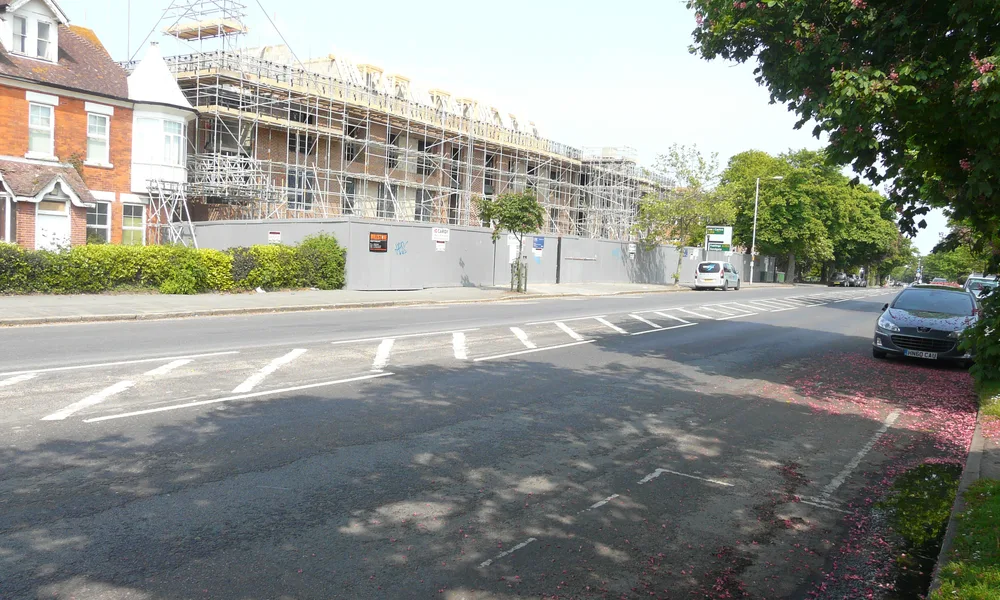
3. The structural shortcut: foundations and steels skimped
The structural shortcut is the most dangerous type in this guide, because the damage hides behind plaster for years. The signs are shallow foundations, lintels that are too light, steel beams without proper bearings, and walls built out of plumb and then hidden with thick render. The builder saves on materials, and the house pays with cracks, sagging floors and doors that will not close.
Ask the building inspector to visit at foundation and steel stages, and do not let the builder cover anything up before it has been seen. Keep the structural drawings on site and compare beam size, foundation depth and wall ties against them. Water damage from poor structural work often needs other trades later, and our guide to the worst plumbers of 2026 shows the same pattern of bodged fixes and vanishing tradesmen in a different trade.
4. The quote creeper: the price grows every week
The quote creeper wins the job with a low price and then recovers the difference, and more, through extras. Every week brings a new charge: the ground was harder than expected, the bricks cost more, the skip needs emptying again. Each extra is small enough to argue about, and by the end the final bill bears no relation to the quote you accepted.
A proper quote lists what is included and what is not, and names the things that could genuinely change the price, such as unknown ground conditions. Ask for a fixed price for the agreed work, and agree in writing that any extra must be quoted and approved by you before the work is done, never billed afterwards.
5. The no-paperwork builder: no contract, no approvals, no insurance
The no-paperwork builder works on a handshake and a smile, and that is exactly the problem. There is no written contract, so there is nothing to enforce when the work is late or wrong. There is no building regulations approval, so the extension may be illegal to use and hard to sell. There is no public liability insurance, so any accident or damage claim lands on you.
Paperwork is not red tape; it is the only protection you have. Before work starts, you should hold a written contract with the price, the stages, the dates and the guarantee, plus proof of insurance and the building regulations application.
6. The subcontract shuffle: your job passed to strangers
The subcontract shuffle begins with a builder you trust and ends with people you have never met doing the work. The builder you hired takes the job, then passes the brickwork to one gang, the carpentry to another and the plastering to whoever is free that week. Nobody on site knows the full plan, quality varies room to room, and each gang blames the last.
Subcontractors are normal in building, but only when they are managed. Ask who will actually be on site each week, and insist that the builder you hired supervises the work and remains responsible for it.
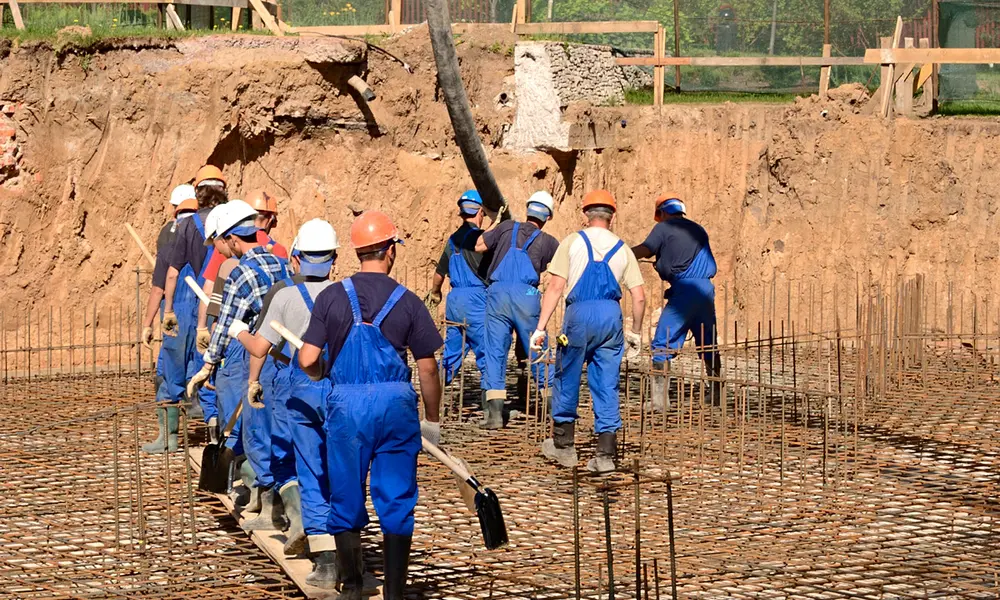
7. The snagging dodger: never returns to fix defects
The snagging dodger does most of the job, takes the final payment, and then disappears. The snagging list is long: a door that sticks, a window that draughts, cracked plaster, paint splashed on the floor. Each item is small, but together they mean the job was never finished, and the builder has no intention of coming back. Calls go unanswered, and the guarantee turns out to be worth nothing.
Never pay the final sum until the snagging is done. Hold back a retention, typically around five per cent, for a set period after completion, and write that into the contract before work starts.
What to avoid when hiring a builder
The most common hiring regret is not a bad builder but a rushed decision. A builder found in a hurry, hired on a single low quote, and paid a large deposit is the classic route to a stalled extension and a drained budget. Avoid the trap by getting at least three written quotes for the same specification, visiting a previous job in person, and speaking to the last two clients.
Check the builder’s insurance, ask for the building regulations route, and agree the payment stages in writing before anyone starts. The same checks apply to every trade you let into your home, and if the job forces you to move out while work goes on, our guide to the worst removal companies of 2026 shows how the same patterns of vanishing crews and growing bills appear in removals too.
Checklist: hiring a builder in 2026
- Get three written quotes for the same specification, and be suspicious of any quote far below the others.
- Agree staged payments tied to visible progress, and never pay a large deposit up front.
- Put the price, the stages, the dates and the guarantee in a written contract before work starts.
- Check insurance and building regulations approval, and keep copies of both yourself.
- Visit a previous job in person and speak to the last two clients, not just the chosen reference.
- Hold back a retention of around five per cent until the snagging is finished and signed off.
Frequently asked questions
How much deposit should a builder ask for?
A small deposit to secure the start date is normal, usually a tenth of the job or less, with the rest paid in stages as work is completed. A builder asking for half or more before starting should be treated as a warning sign.
Should I get building regulations approval for an extension?
Yes. Most extensions and structural alterations need building regulations approval, and without it the work may be unsafe, hard to insure and difficult to sell. Approval also brings inspections that catch bad work early.
What is a retention and how does it work?
A retention is a small part of the price, usually around five per cent, held back after completion until the snagging is fixed. It gives the builder a reason to return, and belongs in the contract with a release date.
How do I check a builder’s previous work?
Visit a finished job in person, look closely at the finishing, and ask the homeowner about dates, extras and aftercare. Photos on a phone are no substitute for standing in a room the builder finished.
What should a builder’s quote include?
The full scope of work, the materials, the price, the payment stages, the start and finish dates, and what happens if extras are needed. A one-line price with no detail is not a quote.
What do I do if my builder stops turning up?
Write to them with a clear deadline to return, keep a dated record of every missed day, and take advice before paying anyone else to finish. Do not pay more money to a builder who has already stopped working.
Bottom line
The worst builders of 2026 share one habit: they take your money before they earn it, and they leave before the job is truly finished. A staged payment plan, a written contract, building regulations approval and a retention held back until the snagging is done will filter out almost all of them. Take your time hiring, check the previous work in person, and walk away from any builder who rushes you. When the build is done, the clear-up matters too, and our guide to the worst house cleaners of 2026 shows the same warning signs in the trade that follows the builders out of the door.


