
Skip These Worst Removal Companies of 2026
The worst removal companies of 2026 share one habit: they make moving day harder than it needs to be. A good removal firm gives you a clear quote, a crew that knows how to lift and stack, and belongings that arrive as they left. The worst removal companies do the opposite. This guide ranks the worst types of removal company in 2026 by pattern, not by name, so you can spot the warning signs before you hand over your keys and your furniture.
Key takeaways
- A quote that is far cheaper than every other quote is usually missing something: the stairs, the distance, the packing, or the insurance.
- A removal firm that will not put the price, the van size and the arrival time in writing is a firm you should not book.
- Broken items are rarely accidents. They come from rushed crews, thin wrapping and vans loaded like a game of chance.
- Late arrivals cascade: a crew that starts two hours late finishes in the dark, and tired crews break things.
- Check the quote, the insurance and the cancellation terms before you pay a deposit, and walk away from any firm that hides them.
How the worst removal companies were chosen
Every type below was scored on five measures. Pricing honesty comes first: does the quote cover the whole job, or does the price grow on the day with fees nobody mentioned? Care of belongings is second, judged on wrapping, lifting, stacking and how the crew treats fragile and heavy items. Punctuality and crew size are third, because a late start with too few hands ruins the whole day. Communication is fourth: clear arrival times, a named contact, and honest answers when plans change. Aftercare is fifth, meaning how the firm handles damage claims, delays and complaints once the money is paid.
Two notes before the list. First, no single company is named as the worst, because the same bad patterns appear in many firms, and what matters is learning to recognise them before you book. Second, a bad day is not always a bad firm, but the types below repeat the same faults job after job. People planning a move often face the same judgement calls when choosing where to stay on the road, and our guides to the worst houseboats and the worst hotels show how the same warning signs, vague prices and tired facilities, appear in other kinds of travel booking too.

Comparison table: the worst removal companies of 2026
| Rank | Removal type | Worst habit | Who suffers most |
|---|---|---|---|
| 1 | The lowball quoters | Price doubles on the day | Anyone on a fixed budget |
| 2 | The too-small-van firms | Two trips or a left-behind load | Families moving a full house |
| 3 | The no-wrap rushers | Furniture carried bare and scratched | Owners of wood and glass furniture |
| 4 | The late-start crews | Hours late, finishing after dark | Anyone with a key handover deadline |
| 5 | The vanishing aftercare firms | Damage claims ignored for weeks | Anyone with a broken or lost item |
| 6 | The day-labour outfits | Untrained hands, no teamwork | Anyone with heavy or awkward items |
| 7 | The deposit-first bookers | Big deposit, no date, no refund | Anyone booking weeks ahead |
The worst removal companies of 2026
1. The lowball quoters
These firms win the job with a price nobody else can match, then recover the difference on moving day. The quote arrives by text or a quick phone call, with no visit and no written inventory. On the day, the crew discovers stairs, a long walk from the van, extra boxes, or a sofa that needs dismantling, and each discovery adds a fee. A fair quote asks about rooms, stairs, parking distance and the largest items. A quote that skips all of that is not a bargain; it is a blank cheque with your name on it. Get three written quotes, compare what each one actually includes, and treat any price far below the others as a warning, not a win.
2. The too-small-van firms
A removal van that is too small turns one job into two, or into a job that never finishes properly. These firms send a single small van for a three-bedroom house, either because they want the lowest possible quote or because they never asked what you own. The crew loads what fits, drives off, and returns hours later for the rest, while you pay for the extra time and the new home waits empty. A good firm states the van size, crew and trips in the quote. If the firm cannot tell you the van size in writing, the maths does not work.
3. The no-wrap rushers
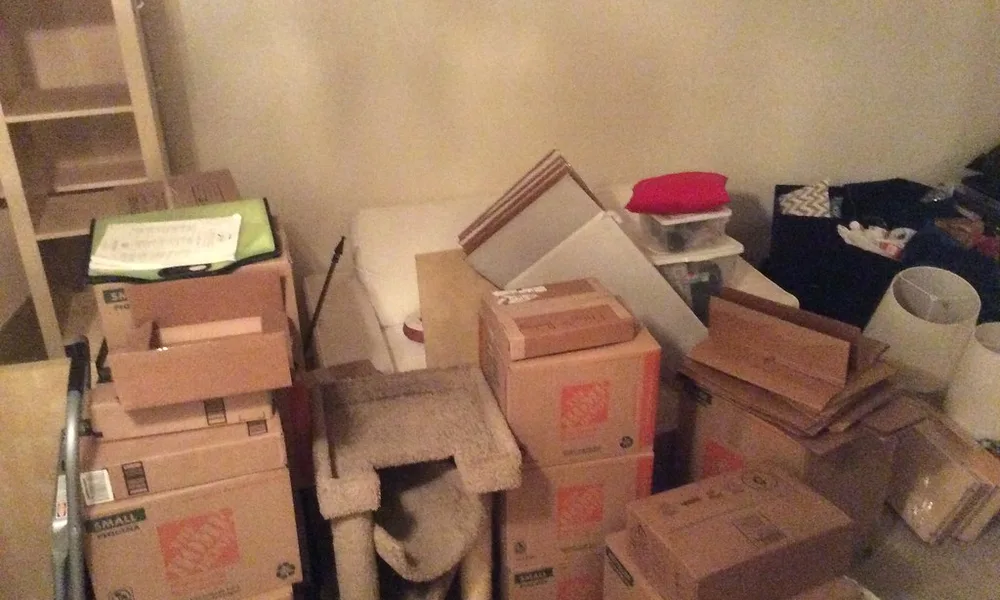
Speed is not the same as skill, and these crews prove it on every job. They carry wardrobes bare, drag sofas across door frames, stack boxes on top of lampshades, and load glass and mirrors without a blanket in sight. The damage shows up at the other end: scratched table legs, chipped door frames, a cracked television screen, a wardrobe door hanging loose. Proper wrapping takes minutes per item and saves hours of argument. Blankets, stretch wrap, mattress covers and corner protectors are the basic tools of the trade, and a firm that does not carry them is not a removal firm, it is a van with people in it.
4. The late-start crews
Moving day runs on a timetable, and these firms treat it as a suggestion. The crew arrives two or three hours late with no phone call, then works against the clock for the rest of the day. Loading finishes in the dark, unloading finishes later still, and the new home’s keys, cleaners and broadband appointments all slip. Once is bad luck; a firm that is always late has simply overbooked the day. A reliable firm gives you an arrival window, calls if it slips by more than half an hour, and keeps the previous job from eating into yours.
5. The vanishing aftercare firms
The real test of a removal company comes after the van leaves, when you open a box and find a broken vase or a missing drawer. These firms fail that test completely. The phone goes unanswered, emails get no reply, and the claims form, if one exists, asks for receipts and photographs you were never told to take. Weeks pass, and the firm hopes you give up. Before you book, ask three questions and keep the answers in writing: what insurance is included, what is the claims deadline, and who do I contact. A firm that answers clearly is worth more than a firm that is merely cheap.
6. The day-labour outfits
Some firms own a van and a website, and hire the crew on the morning of the job. The result is a team that has never worked together, has no training in lifting, and no idea how to move a piano, a wardrobe or a washing machine safely. Heavy items get dropped, stairs get gouged, and one person ends up doing the thinking while the others stand around. A proper removal crew works together regularly, knows who lifts which end, and has done the same awkward staircase a hundred times. Ask how long the crew has worked together and whether they are employed by the firm or hired for the day. Experience is the product you are buying, and a random group of strangers cannot sell it.
7. The deposit-first bookers
These firms want a large deposit before they will hold a date, and the terms around that deposit are the trap. The deposit is non-refundable even if the firm cancels, the date is not actually confirmed until a week before, and changing the date costs another fee. A fair deposit is small, the date is confirmed in writing, and the cancellation terms are clear before you pay. Never pay a large deposit by bank transfer to a firm you have not checked, and never pay the full balance before the job is done. A deposit of a modest share, with the balance due on completion, keeps the firm honest and keeps your money safe.
Checklist: booking a removal company without regret
- Get three written quotes that list the van size, the crew size, the arrival time and everything included.
- Ask what insurance is included, what it covers per item, and how to make a claim before you book.
- Photograph valuable and fragile items before they are wrapped, and keep an inventory at both ends.
- Confirm the arrival window, the parking plan and the key handover times in writing the day before.
- Watch the first ten minutes of loading: wrapping first, heavy items low, fragile items secured.
- Pay a modest deposit only, with the balance due when the last item is unloaded and checked.
Frequently asked questions
How much should a removal company cost in 2026?
There is no single fair price, because the cost depends on the size of the home, the distance, the stairs and the crew. What matters is the spread: get three written quotes, and be wary of any price far below the others, because the missing money usually appears as fees on the day.
Should I pack my own boxes or pay the firm to pack?
Packing yourself saves money and lets you sort as you go, but the firm may not insure boxes it did not pack. If you pack yourself, use strong boxes, tape the bottoms twice, label every box with its room, and keep boxes under a weight one person can lift.
What if the removal crew damages my furniture?
Note the damage on the inventory before the crew leaves, photograph it, and report it in writing the same day. Keep the firm’s insurance details and the claims deadline from before the move, and do not let the crew leave until you have checked the main rooms.
How far ahead should I book a removal company?
Four to six weeks ahead is sensible for a weekend or end-of-month move, and longer in the summer, when the best crews book up first. Booking early gives you time to compare quotes and check the firm properly. A firm that is free tomorrow at peak season is free for a reason, so treat instant availability with caution.
Do removal companies move pianos and other heavy items?
Some do, and some should not. Pianos, safes and large appliances need specialist equipment and a crew that has moved them before, and many standard firms charge extra or refuse them. Tell the firm about every heavy or awkward item when you get the quote, and if it hesitates or adds a large fee at the last minute, find a specialist instead of risking the item and the stairs.
What should I do if the crew arrives late?
Call the firm within half an hour of the missed arrival time and get a new time in writing. If the delay pushes loading into the evening, agree the new finish time and any extra cost before the crew starts, and check that your key handover and cleaner bookings still work. If the firm will not answer or will not commit, you may need to rebook, and that is why a modest deposit matters.
Bottom line
The worst removal companies of 2026 are not hard to spot once you know the patterns: a quote too cheap to be true, a van too small for the load, bare furniture carried in a hurry, a crew that arrives late, and a firm that disappears when something breaks. A good move starts with a written quote, a matched van and crew, proper wrapping, and a firm that answers the phone after the job. For a similar lesson in reading the warning signs before you book, our guide to the worst caravans shows the same traps, tired stock and hidden costs, in another kind of moveable home.


