
The Worst Buses of 2026: Rides That Wear Passengers and Fleets Down
The worst buses of 2026 are not the slowest vehicles on the road or the plainest ones in the fleet. They are the buses that look smart in the depot and then wear their passengers and their operators down: seats that punish riders on a long route, doors that stick in the rain, air conditioning that quits in a heatwave, or a repair bill that arrives far earlier than the fleet budget planned for. This guide names the seven worst buses of 2026, based on published recall records, operator reports and repeated passenger complaints, so you can spot the pattern before you sign. Vans suffer the same traps at a smaller scale, and our guide to the vans that let buyers down in 2026 shows how the same reliability problems play out on smaller vehicles.
Key takeaways
- The Thomas Built Saf-T-Liner C2 is the bus to avoid first: a cramped driver area, electrical niggles and a ride that wears school drivers out.
- Air conditioning and doors are the weak points that passengers notice first: a bus that cannot stay cool or open its doors on time fails at its basic job.
- Electric buses promise lower running costs, but range falls sharply in cold weather and with a full load, and charging takes planning a diesel bus never needs.
- Dealer and parts support matters as much as the bus: a thin network means long waits for parts and warranty work that takes vehicles off the road.
- Always check the recall record, the service history and a pre-purchase inspection before you buy, and test the exact bus on a full route, not just around the depot.
How the worst buses of 2026 were chosen
Every bus below was scored on five measures. Reliability comes first: how often operators report faults, and how serious those faults are. Repair cost is second, because a dealer-only repair turns a nuisance into a disaster. Support is third, judged on the dealer network near the buyer and how long parts take to arrive. Passenger comfort is fourth: whether riders can actually sit, stand and breathe comfortably for a full route, from the seat to the air conditioning to the noise.
Two notes before the list. First, no bus here is slow or ugly, and most of them are genuinely useful when they are running. They earn their place because the ownership experience lets them down, not because the engine is weak. Second, this guide is strictly about buses: city buses, motorcoaches and school buses, a different size class from vans. Our guide to the worst motorcycles of 2026 covers two-wheeled machines, and the faults there follow the same pattern of electronics and support failures.
Comparison table: the worst buses of 2026
| Rank | Bus | Main problem | Buy instead |
|---|---|---|---|
| 1 | Thomas Built Saf-T-Liner C2 | Cramped driver area, electrics | Blue Bird All American |
| 2 | Blue Bird Vision | Engine and door faults | IC CE Series |
| 3 | IC CE Series | Air conditioning, resale | Thomas Built EFX |
| 4 | New Flyer Xcelsior XD40 | Costly parts, door trouble | Gillig Low Floor |
| 5 | Gillig Low Floor | Ride quality, noise | New Flyer Xcelsior |
| 6 | MCI J4500 | Premium price, costly repairs | Prevost H3-45 |
| 7 | Proterra ZX5 | Range limits, thin support | New Flyer XE40 |
The worst buses of 2026
1. Thomas Built Saf-T-Liner C2: the bus to avoid first
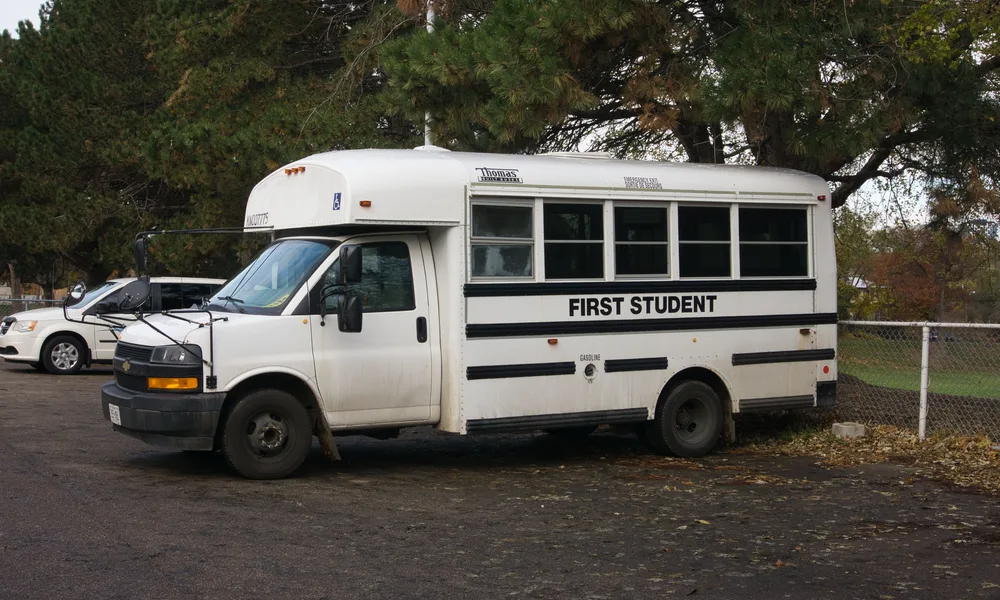
The Thomas Built Saf-T-Liner C2 is the best-selling school bus in America, and that is exactly why its faults sting. Drivers report a driving position that wears them out: the seat is cramped, the pedals sit awkwardly, and the steering wheel blocks the view of the gauges for taller drivers. Electrical niggles are the most reported fault: warning lights that come and go, door sensors that fail in wet weather, and stop-arm circuits that need a dealer visit to reset. Buy a Blue Bird All American instead: a roomier driver area, a smoother ride and a cab built for a full school day.
2. Blue Bird Vision: familiar, and fragile where it counts
The Blue Bird Vision is one of the most common school buses on American roads, with a conventional bonnet that mechanics know well and a price that school districts can afford. Owners report that the promise fades in daily use. Engine faults are the most reported problem: the petrol V8 drinks fuel under load, and the diesel option has been hit by aftertreatment trouble that derates the bus to a crawl when the filter clogs. The IC CE Series does the same job with a better record on doors and a stronger warranty.
3. IC CE Series: a good bus at the wrong price
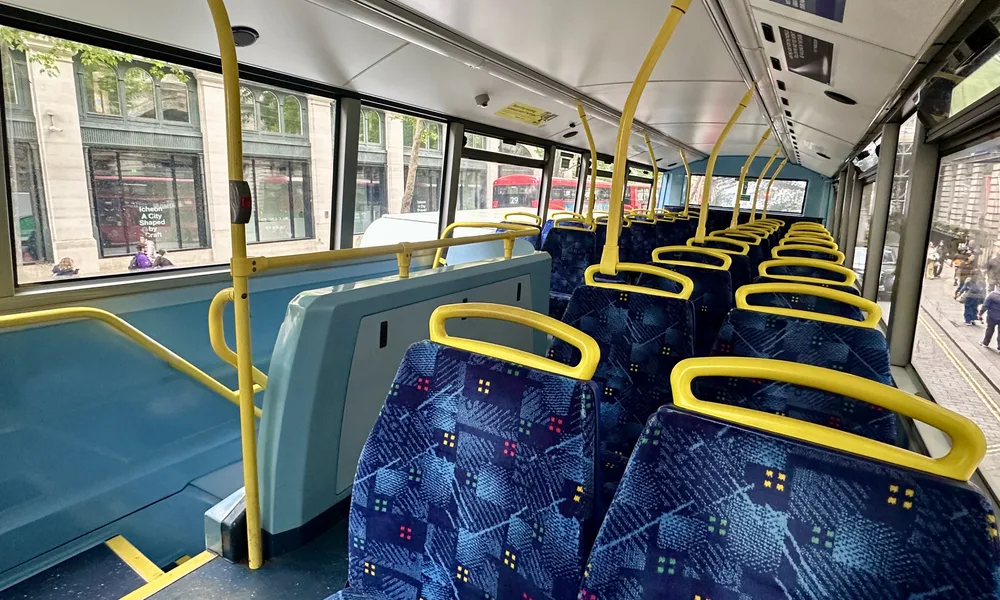
The IC CE Series is the school bus most districts are shown first, and it is easy to see why. Its place on this list is about running costs, not breakdowns. Air conditioning is the most reported fault: the system struggles on hot afternoons with a full load, and owners report compressors that fail early and cost thousands to replace. The price is the real problem. A fully optioned CE costs as much as a larger bus from a rival brand, and that larger bus will carry more children, cool better and hold its value longer. If you need air conditioning that works, buy the Thomas Built EFX and compare the real out-the-door price first.
4. New Flyer Xcelsior XD40: brilliant, and brutally expensive to keep
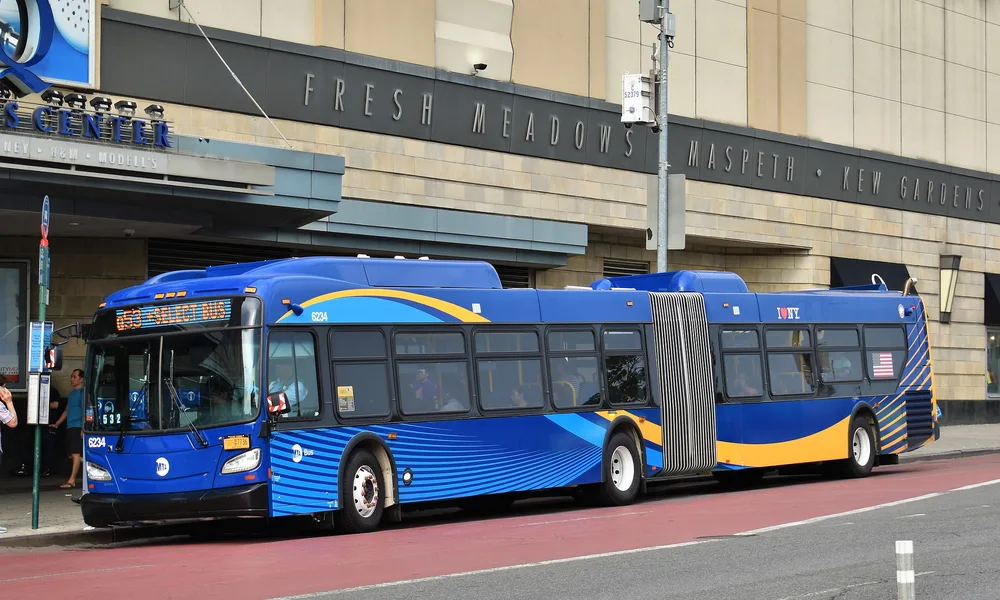
The New Flyer Xcelsior XD40 is the workhorse of American city transit, with a strong diesel engine, a low floor that passengers love and a design that has been refined over many years. The problem is what it costs to own. Parts prices are among the highest in the class, and door mechanisms are the most reported fault: doors that stick, sensors that fail and air leaks that keep the bus in the workshop. This is not a bus for a tight budget. The Gillig Low Floor costs less to run and its parts are easier to find, though its ride is harsher.
5. Gillig Low Floor: a harsh ride with a noisy cabin
The Gillig Low Floor is a popular choice for smaller transit agencies, with a simple layout, a low purchase price and a reputation for straightforward maintenance. Owners report that the promise fades in daily use. The ride is stiff and the cabin is noisy on anything rougher than smooth tarmac, and passengers notice it most on long routes, where the drone of the engine and the rattle of the interior wear everyone down. Build quality is the second complaint: seats that creak, panels that fit poorly and a floor that wears fast under heavy foot traffic. But a heavy bus with a harsh ride and a noisy cabin is a poor buy for a city. The New Flyer Xcelsior costs more but rides better, stays quieter and holds its value far longer.
6. MCI J4500: the premium coach with premium bills
The MCI J4500 is the best-selling motorcoach in America, with a comfortable cabin, a strong engine and a long list of operators who swear by it. Its place on this list is about cost, not comfort. The purchase price is among the highest in the class, and repair bills follow the same pattern: a single dealer visit for a suspension or air conditioning job can run to four figures, and the coach needs specialist knowledge that not every garage can provide. For a tour company that depends on its coaches every day, that is a real risk. The Prevost H3-45 costs more up front but holds its value better and its parts network is stronger.
7. Proterra ZX5: the electric promise that depends on your route
The Proterra ZX5 is the most ambitious electric city bus on the market, with a big battery, a quiet ride and zero tailpipe emissions. Owners report that the promise depends entirely on the route. Range falls sharply in cold weather and with a full load, and a bus that covers its route easily in summer can fall short in winter, when the heater is running and the battery is cold. Charging is the second weakness: a depot charger is essential, and a bus that misses its overnight charge cannot be sent out in the morning. The New Flyer XE40 costs more but comes with a real dealer network and far stronger support, and it is the safer electric buy.
What to buy instead of the worst buses
The pattern across this list is simple: buy the bus with the strongest dealer near you, not the cheapest price in the showroom. A Blue Bird All American, a New Flyer Xcelsior or an IC CE Series will cost more than the cheapest option, but they come with dealers who stock parts and resale values that hold up. Farm machines suffer the same support trap, and our guide to the worst tractors of 2026 makes the same point about dealer networks and repair bills, because the lesson is the same across every working vehicle.
Checklist: buying a bus in 2026
- Test the bus on a full route with a full load, and check the doors, the air conditioning and the brakes yourself.
- Check how far your nearest dealer is, and ask how long a common part takes to arrive.
- Look up the recall record and any service bulletins for the exact model year before you sign.
- Compare the real five-year cost, including a battery or air conditioning replacement, not just the showroom price.
- Ask whether the bus is diesel or electric, and how the range or fuel use changes in cold weather.
- Check resale values for the same model three years old, and walk away from a bus with a thin dealer network.
Frequently asked questions
What is the worst bus to buy in 2026?
The Thomas Built Saf-T-Liner C2 is the one to avoid first, because drivers report a cramped driving position, electrical niggles and a ride that wears them out. A school bus that tires its driver is a bad buy at any price.
Are electric buses a mistake in 2026?
Not for the right route. Electric buses work well for fixed urban routes with overnight charging, where they cut fuel and maintenance costs.
How important is the dealer network when buying a bus?
It is the most important factor after the bus itself. A bus that cannot be fixed quickly is useless in the middle of the school term or the tourist season, so buy from a dealer you can reach easily and who stocks parts.
Should I buy a used school bus?
Only if you know its full history. Check the hours, the service records, the door mechanisms and the air conditioning, and test it on a full route with a load before you pay. Walk away from any seller who cannot show the service records.
What should I check on a used motorcoach?
Check the air conditioning, the suspension, the luggage bay seals and the tyres, and ask for the full service history. Start it cold, drive it at motorway speed, and listen for rattles and air leaks before you pay.
Is a first-year bus model a bad buy?
Usually, yes. First-year models carry the most recalls and the most early faults, as the newest buses on this list show. A second or third-year bus from the same generation is usually the safer buy, with the early faults fixed and the recall work done.
Bottom line
The worst buses of 2026 fail on ownership, not on paper: drivers worn out by cramped cabs, doors that stick, air conditioning that quits in a heatwave, and parts that take weeks to arrive. Buy the bus with the strongest dealer near you, test it on a full route with a full load, and it will still be running when the season turns.


