
Top Plunger Holders for a Cleaner Bathroom in 2026
Plunger holders solve a problem every home knows: a wet plunger with nowhere decent to go. Without one, the plunger leans in a corner, drips on the floor, and leaves a ring on the tiles. This guide judges the best plunger holders of 2026 on what matters: cup fit, drainage, airflow, and stability.
A plunger holder is not the plunger itself. It is the stand, caddy, or tray the plunger lives in. The plunger does the unblocking; the holder keeps the bathroom clean and dry between uses.
Key Takeaways
- Drainage and ventilation matter most: a holder that lets the cup dry beats a sealed tub every time.
- Measure the cup first: flange plungers are wider than cup plungers, and a holder that is too small is useless.
- A heavy base or a wall mount stops the holder tipping over.
- Stainless steel and glazed ceramic clean easily; cheap plastic absorbs smells and stains.
- Combo sets save floor space but share one drip tray.
Why a Plunger Needs a Holder
A plunger is wet every time it is used. The rubber cup holds water after the job, and that water has to go somewhere. Left leaning in a corner, the cup drips onto the floor and stays damp for hours. In a warm bathroom, a damp cup in a dark corner is where smells and mould start. A holder fixes that by catching the drips in a tray.
There is a tidiness argument too. A plunger is not something anyone wants on show, but it must be reachable in seconds when a toilet starts to rise. A holder gives it a home beside the toilet: upright and easy to grab. Guests never see it lying behind the door.

The Main Types of Plunger Holder
Open drip-tray caddies
The simplest holder is an open tray with a raised rim. The plunger stands upright, cup down, and water drips into the tray instead of onto the floor. The best trays have a sloped base so water runs to one corner. Open trays dry fastest, because air reaches the cup from every side. Their weakness is looks: the plunger is fully visible, so they suit a cupboard or discreet corner.
Ventilated enclosed caddies
An enclosed caddy hides the plunger inside a tall tube with vents or slots in the sides. It looks far neater than an open tray, which is why it is the most popular style for guest bathrooms. The vents matter more than the finish: without airflow, a wet cup inside a sealed tube stays damp for days and smells. Look for slots near the base and top, a removable drip tray, and an opening wide enough for the cup. A caddy that hides the plunger but traps water is worse than no holder at all.
Wall-mounted holders
A wall-mounted holder fixes to the wall beside the toilet and holds the plunger off the floor entirely. It frees floor space in a small bathroom and keeps the cup away from puddles and mop water. Most use a ring the handle drops through, with the cup hanging below. Check the fixings first: a holder screwed into a stud or solid wall holds for years, while a suction-cup version can drop the plunger at the worst moment. Wall mounts suit light cup plungers best.
Combo plunger-and-brush sets
Combo sets pair a plunger holder with a toilet brush holder in one unit, usually sharing a single base. They save floor space and keep the two least glamorous bathroom tools in one tidy spot. The catch is the shared drip tray, which needs emptying and rinsing more often. Judge a combo set by the brush half as much as the plunger half: a brush that never dries is the same hygiene problem in a different shape. If the set’s brush holder is a sealed cup with no vents, buy the two holders separately.
Plunger Holders Compared
| Type | Best for | Drying | Looks | Watch out for |
|---|---|---|---|---|
| Open drip-tray caddy | Fast drying, cupboards | Excellent | Plunger visible | Water pooling in a flat tray |
| Ventilated enclosed caddy | Guest bathrooms | Good with vents | Neat, hidden | Sealed tubes that trap damp |
| Wall-mounted holder | Small bathrooms | Good | Off the floor | Weak fixings dropping the plunger |
| Combo plunger-and-brush set | One tidy unit | Fair | Very tidy | Shared tray needing frequent rinsing |
The Best Plunger Holders in 2026
Best overall: the ventilated stainless steel caddy
For most homes, a tall stainless steel caddy with slots around the base and a removable drip tray is the right answer. Steel does not absorb smells, it wipes clean in seconds, and it is heavy enough to stay put. Choose a wide mouth so a flange cup fits without forcing, and a tray you can lift out and rinse. It costs more than plastic, but it is the holder you buy once.
Best for drying: the open sloped-tray caddy
If the plunger lives in a cupboard or behind the toilet where nobody sees it, an open tray with a sloped base dries the cup fastest. Air reaches the rubber from all sides, and water runs to the low corner. Pick a rim at least 4 centimetres high and a non-slip base so the tray does not slide when you pull the plunger out.
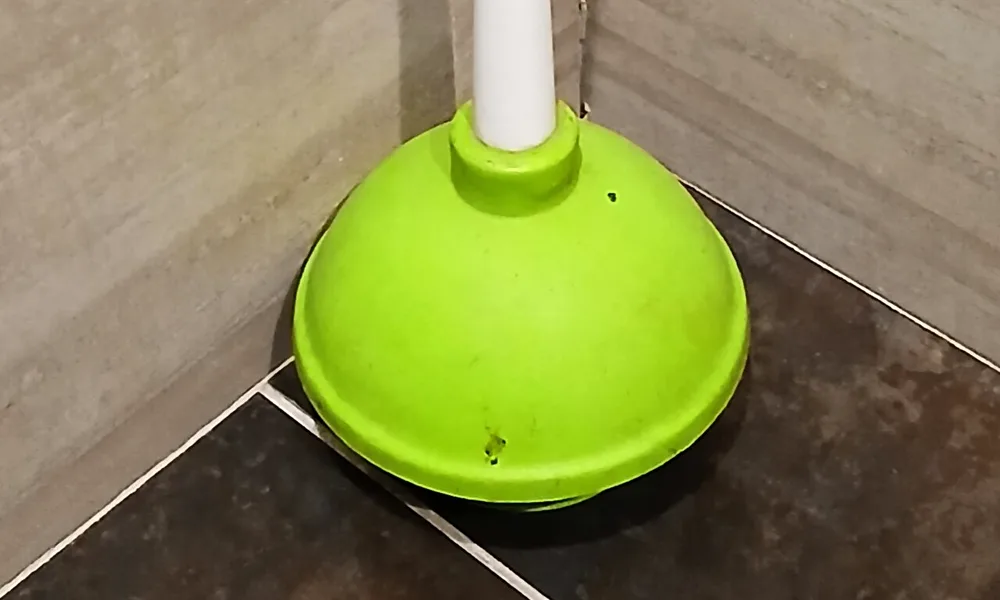
Best for small bathrooms: the wall-mounted ring holder
A wall-mounted ring holder gets the plunger off the tiles entirely. The handle drops through the ring, the cup hangs below, and the floor stays clear for cleaning. It works best with a light cup plunger; fix it with screws, not suction cups.
Best budget buy: the simple plastic drip tray
A plain plastic drip tray costs very little and does the core job: it catches the water and keeps the cup off the floor. Choose a raised centre or ridges so the cup does not sit in its own water, and a rim high enough to hold a spill. Skip the thinnest trays, which crack under a heavy plunger, and avoid black plastic that hides dirt underneath.
Best combo set: the matched plunger-and-brush unit
The best combo sets give the plunger and the brush separate compartments on one weighted base, so each dries on its own and neither drips into the other. Look for a vented brush compartment, a plunger side wide enough for a flange cup, and a base heavy enough that the unit does not tip. A good set replaces two holders with one tidy footprint.
What to Look for Before You Buy
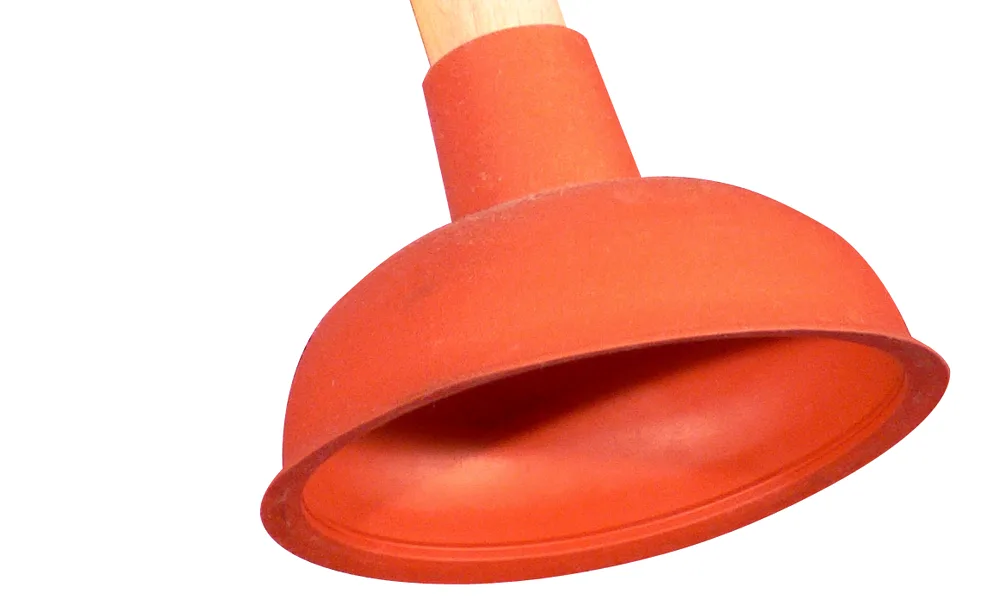
Fit comes first, and it is the step most people skip. Measure the diameter of your plunger’s cup across its widest point, then compare it with the holder’s opening. A standard cup plunger is about 12 to 15 centimetres across; a flange plunger is wider, often 15 to 18. A holder a centimetre too narrow is useless, and one far too wide lets the plunger rattle.
Then check drainage and ventilation together: a holder that catches water but never lets it dry is a smell waiting to happen. A removable drip tray you can empty and rinse is the most useful feature. Vents near the base let air in, and a wide opening lets the cup dry from the top. A holder should not tip when you pull the plunger out one-handed, so look for a weighted base or a wall fixing. Steel and glazed ceramic wipe clean; textured plastic traps grime, and fabric linings should be avoided in a wet bathroom.
Holder, Plunger, and Toilet Brush Holder: What Is Different
Three bathroom items get confused, and the confusion leads to the wrong purchase. The plunger is the tool: a rubber cup on a handle that clears blockages with pressure. The plunger holder is the stand it lives in: a drip tray or ventilated caddy sized for a rubber cup. The toilet brush holder is a different product for a different tool: a toilet brush is smaller, lighter, and has bristles that need airflow to dry. A brush holder is too narrow and too shallow for a plunger cup, and a plunger holder is too wide and too deep to hold a brush upright. Combo sets exist because the two tools sit side by side.
How to Keep a Holder Clean
A holder only helps if it is cleaned as often as the plunger is used. Empty the drip tray after every use, or at least once a week, and rinse it under hot water. Wipe the inside with a bathroom cleaner once a week, and let it dry fully before the plunger goes back in. If it smells, soak the tray in hot water with cleaner and leave it upside down overnight: the vents are blocked or the tray is never emptied.
Checklist: Buying and Keeping a Plunger Holder
- Measure the plunger’s cup across its widest point and buy a holder with a wider opening.
- Choose a holder with a removable drip tray and vents or slots so the cup dries between uses.
- Pick a weighted base or a wall fixing so the holder does not tip when you lift the plunger out.
- Prefer stainless steel or glazed ceramic, which wipe clean and do not absorb smells.
- Empty and rinse the drip tray after every use, and wipe the holder weekly.
- Replace the holder when it stains through, pits, or no longer sits flat on the floor.
Frequently Asked Questions
Do I need a plunger holder, or can the plunger lean in the corner?
It can lean in the corner, but it will drip on the floor, mark the tiles, and stay damp. A holder catches the water, lets the cup dry, and keeps the bathroom clean.
Will any plunger fit any holder?
No. Flange plungers for toilets are wider than cup plungers for sinks, and accordion plungers are wider still. Measure the cup across and check the holder’s opening before you buy.
Should a plunger holder be open or enclosed?
Open trays dry fastest and are easiest to clean, but the plunger is visible. Enclosed caddies look neater but only work if they have vents and a removable drip tray, so the cup can dry inside.
Can a plunger and a toilet brush share one holder?
Not one compartment. Combo sets give each tool its own compartment on a shared base, which works well. A brush cup is too narrow for a plunger, and a plunger tray is too wide to hold a brush upright.
How often should I clean a plunger holder?
Empty the drip tray after every use and wipe the holder with a bathroom cleaner once a week. If it smells, soak the tray in hot water with cleaner and leave it to dry upside down overnight.
Where is the best place to put a plunger holder?
Beside the toilet, within arm’s reach, on flat floor where it will not be kicked. In a small bathroom, a wall-mounted holder keeps the floor clear and the plunger close.
The Bottom Line
A plunger holder is a small purchase that fixes a daily annoyance: a wet plunger with nowhere to go. Measure the cup, choose a holder with a removable drip tray and real ventilation, and pick a base heavy enough to stay put. Steel suits most homes and an open tray dries fastest. For the rest of the bathroom, the right plungers for every drain in the home are worth choosing with the same care, the toilet brushes that clean without scratching belong in a vented holder of their own, and a toilet cleaner that cuts through grime keeps the holder itself fresh with a weekly wipe.


