When you buy a new car, the colour feels like a personal choice. You pick the shade that catches your eye on the forecourt, the one that feels like you. Yet long after the excitement of the purchase has faded, that same colour can quietly decide how much money you get back when you sell. The worst car colours for resale value shrink your pool of buyers and push dealers to offer less.
Colour is one of the first things a buyer notices, and one of the hardest things to change. A buyer can forgive worn tyres or a scuffed bumper, because those can be fixed. Repainting a whole car is expensive, and it often raises suspicions about accident damage. So when a buyer sees a colour they do not like, they usually do not negotiate around it. They move on to the next listing, and your car waits longer for a sale.
This guide covers the colours that consistently hurt resale value, why buyers avoid them, what they cost, and what to do if you already own one.
Key takeaways
- White, black, silver, and grey hold their value best because they appeal to the widest range of buyers.
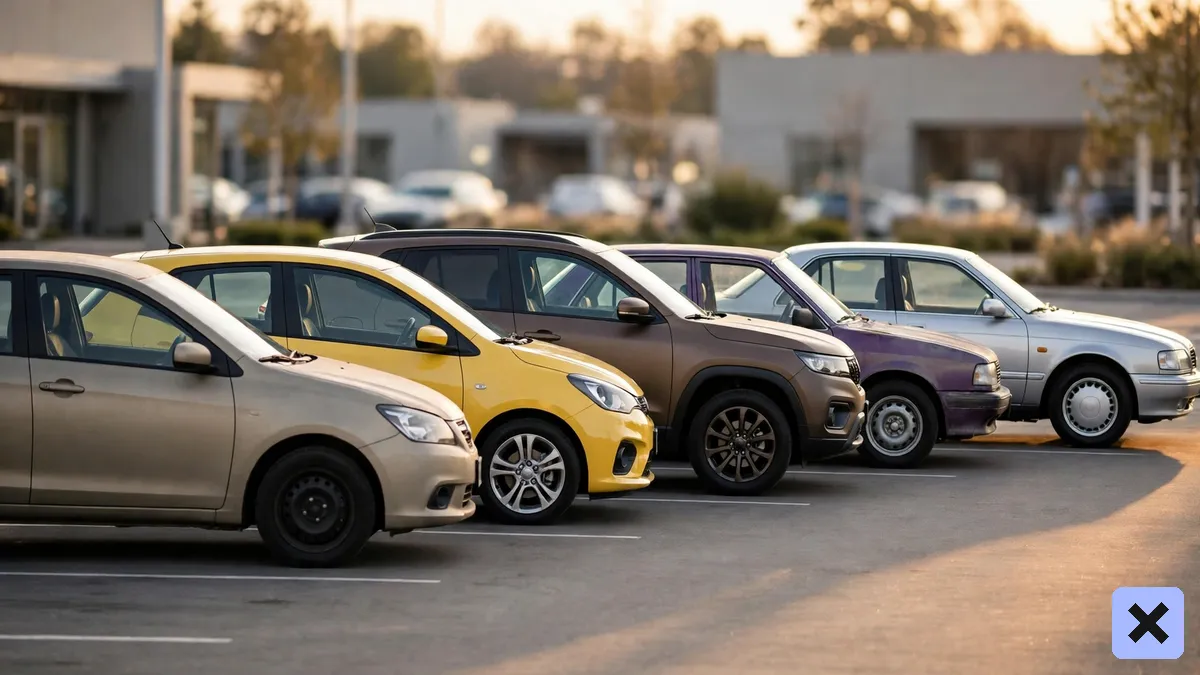
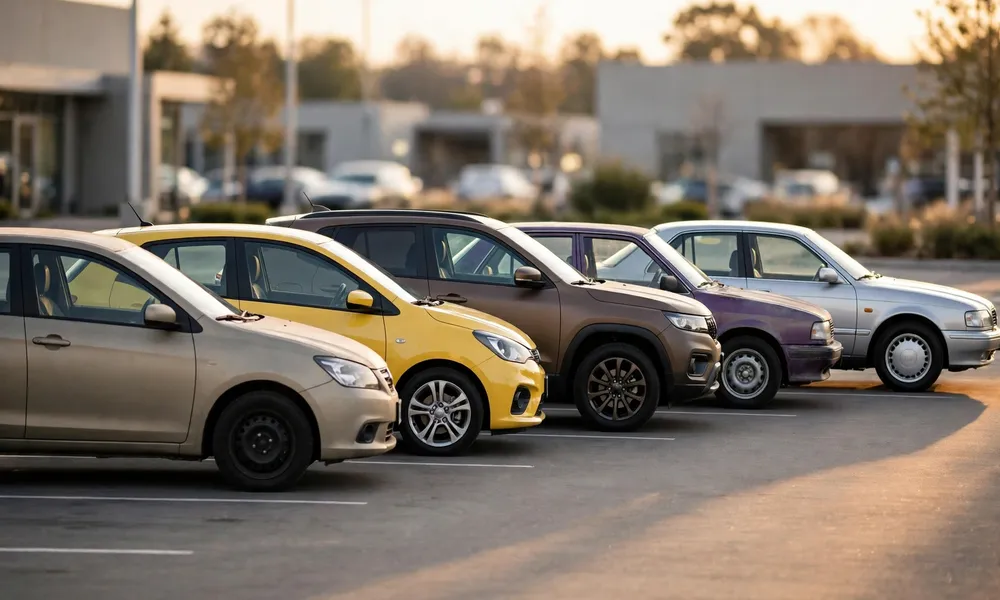
- Beige, gold, brown, and purple are among the worst car colours for resale value, often selling slower and for less money.
- Bright yellow, lime green, orange, and pink can suit a sports car, but they put off most ordinary buyers.
- Two-tone paint, custom wraps, and matte finishes usually reduce resale value, because buyers worry about repair costs and hidden damage.
- If you already own a hard-to-sell colour, condition, service history, and a realistic price matter more than the paint — but expect a longer wait.
Why Car Colour Affects Resale Value
Resale value comes down to demand. A car is worth what the largest number of buyers is willing to pay for it, and colour shapes that demand before anyone checks the mileage or the service history. A popular colour brings more enquiries, viewings, and competing offers; an unpopular one brings fewer clicks, fewer viewings, and a lower price.
Dealers understand this better than anyone. When a dealer values a part-exchange, the colour is part of the calculation. A silver hatchback is easy to sell on, so the dealer can offer a fair price; a bright purple saloon is harder to shift, so the offer drops. Colour also works as a signal: white and silver suggest a careful owner, while unusual colours suggest an impulse buy. Some shades fade faster in sunlight too. Choosing a colour is a financial decision, just as avoiding other common car-buying mistakes protects your money from the start.
The Worst Car Colours for Resale Value
Some cost a few hundred pounds at resale; others can cut thousands from an otherwise sound car. The colours below consistently sit at the bottom of resale rankings.
Beige and Gold
Beige is often described as the worst car colour for resale, and the reason is simple: nobody searches for it. Buyers describe beige cars as dull, dated, and hard to keep looking clean. Gold has the same problem, plus an association with older drivers and older cars. A gold car can look luxurious in the right light, but on a three-year-old family car it usually reads as tired and unfashionable. They also show dirt and stone chips more clearly than silver or grey.
Bright Yellow
Bright yellow divides opinion more than almost any other colour. On a small city car it can look cheerful, but on a family saloon or SUV it looks out of place, and most buyers will not consider it. Yellow attracts attention, but attention is not demand, and few buyers search for a yellow car. There is one exception. On genuine sports cars, bright colours are expected, and yellow can even be a selling point. On an ordinary car, the same shade looks like a mistake rather than a statement.
Brown
Brown is the colour that car makers keep trying to revive and buyers keep rejecting. It is marketed as warm and premium, with names like chocolate or bronze. In practice, most buyers see a brown car and think of mud, age, and a car that will be hard to sell on. It is consistently one of the least searched colours on used-car websites. In poor light or rain, a dark brown car is also harder to see than a white or silver one. Unless it is a rich, deep metallic on a luxury car, avoid brown when resale matters.
Purple
Purple is rare on the road for a reason. It is a bold, personal colour with few fans. A purple car appeals to a tiny slice of the market, and everyone else scrolls past the listing. That small audience means fewer enquiries, a longer wait, and a lower final price. Purple also ages badly as a fashion colour, especially lighter lilac and violet shades. Darker purples, close to black, hold up better.
Bright Green
Lime green and other bright greens suffer from the same narrow appeal as yellow, but with even fewer fans. Green suits a handful of iconic performance cars, but outside that world it is rarely anyone’s first choice. A lime green family car looks like a novelty, and buyers treat it as one: fun to look at, but not something they would spend their own money on. Bright green paint is also harder to match after a repair, and buyers who spot mismatched paint assume the car has been in an accident, even when the repair was minor. Darker greens, such as British racing green, can hold their value well.
Orange and Pink
Orange and pink are the loudest colours on this list, and they carry the loudest resale penalty on ordinary cars. Orange is loved by a few enthusiasts, but it puts off the mainstream buyers who make up most of the market. Pink is even more limiting, because it is widely seen as a colour for a very specific taste, and most buyers will not consider it regardless of the car’s condition or price. Both colours also fade unevenly in sunlight, so an older orange or pink car often looks patchy and needs a full respray to fix.
Two-Tone Paint and Custom Wraps
Two-tone paint jobs and custom wraps are not single colours, but they hurt resale in the same way. A two-tone car reflects one person’s taste, which the next buyer rarely shares. A wrap raises a different worry: buyers wonder what is underneath it. Is the wrap hiding faded paint, rust, or accident damage? That suspicion alone is enough to reduce offers, even when the paint underneath is perfect. Matte finishes cause similar trouble: harder to clean and repair, and a scuffed matte panel needs a full respray rather than a touch-up.
How Much Value Can the Wrong Colour Cost?
The cost depends on the car, its age, and the local market, but dealer surveys agree: the penalty is real, and it grows as the car gets older. On a nearly new car, a rare colour might cost a few hundred pounds; on a five-year-old car, well over a thousand. The table below gives a rough guide to how colours perform at resale. Condition, mileage, and service history still matter more than colour, but colour decides how many buyers ever get far enough to check those things.
| Colour | Buyer demand | Typical resale impact |
|---|---|---|
| White, silver, grey, black | Very high | Best resale; sells fastest |
| Blue, red | High | Good resale; wide appeal |
| Dark green, dark purple | Moderate | Small discount on most cars |
| Beige, gold, brown | Low | Noticeable discount; slow to sell |
| Bright yellow, orange, pink | Very low | Large discount on everyday cars |
| Two-tone, matte, custom wrap | Very low | Large discount; buyers wary |
These effects compound: a beige car with high mileage and a patchy service history suffers every penalty at once, and interested buyers can shrink to almost none. Colour matters most on cars that are already hard to sell.
Why Buyers Avoid Unusual Colours
Buyers avoid unusual colours for reasons beyond taste. Many people do not want a car that draws attention every time they park it; a silver or grey car blends in, and for most buyers that is a feature. Smart buyers also think about the next sale: they know an unusual colour will be just as hard to sell when their turn comes, so they avoid it or demand a discount. There is also cost — matching paint is harder to source, and some repairers charge more for pearl, matte, or tri-coat finishes. Finally, there is choice: when ten similar cars are silver, grey, or black and one is bright yellow, the buyer must actively choose the yellow one over ten easier options. Most will not.
What to Do If You Already Own One of These Colours
Owning a car in a hard-to-sell colour is not a disaster — it will still sell, but you will need more patience than the owner of a silver car. These steps will help you get the best price.
- Keep the paintwork immaculate. Wash and wax the car regularly, fix stone chips promptly, and make sure the paint looks its best in photos.
- Price it realistically from the start. Check what similar cars in popular colours sell for, then price yours slightly below them.
- Take honest, high-quality photos. Photograph the car in good daylight, from several angles, and do not hide the colour.
- Emphasise condition and history. A full service history, recent tyres, and a clean interior give buyers reasons to choose your car despite the colour.
- Be patient, but set a deadline. A rare colour can take twice as long to sell, so decide in advance when you will drop the price.
- Keep wear low while you wait. Avoid unnecessary long trips and road-trip mistakes that add mileage and wear, since every extra mile makes a hard-to-sell car harder still.
Frequently Asked Questions
What is the worst car colour for resale value?
Beige is widely regarded as the worst, followed closely by gold and brown. They attract the fewest buyers, sell the slowest, and fetch the lowest prices against identical cars in white, silver, grey, or black.
Do bright colours always hurt resale value?
Not always. On sports cars, bright colours are expected and can even help resale. On ordinary family cars, SUVs, and saloons, they narrow the buyer pool and usually reduce the price.
Is white a good colour for resale?
Yes. White is one of the best colours for resale: popular across almost every type of car, it hides dirt reasonably well, stays cooler in hot weather, and appeals to private buyers and fleets alike.
Does black hold its value?
Black holds its value well, particularly on luxury and executive cars. The drawback is maintenance: black shows scratches, swirl marks, and dust more than any other colour, so it needs regular care to look its best at sale time.
Should I repaint my car before selling it?
Usually not. A full respray costs far more than the extra value it adds, and buyers are often suspicious of repainted cars. A professional detail and minor touch-ups are a better investment.
Does colour matter more than mileage or condition?
No. Mileage, condition, and service history matter more. Colour becomes decisive when two similar cars compete for the same buyer, or when a car is already hard to sell. Think of colour as a multiplier: it makes a good car easier to sell and a weak car harder.
The Bottom Line
The worst car colours for resale value ask the buyer to love something most people do not: beige, gold, brown, purple, and the loudest brights. They shrink your audience, slow your sale, and cost you money. If you are choosing a colour today, pick a neutral shade. If you already own a difficult colour, look after the paint, price it honestly, and be patient. The right buyer is out there — there are just fewer of them.