A first road trip feels simple: pick a destination, fill the tank, and drive. That is exactly why so many first-timers get it wrong. The most common road trip mistakes are small, ordinary decisions made in a hurry — leaving too late, trusting a phone signal that disappears, packing for a fantasy version of the trip instead of the real one — and they add up until the holiday feels like a chore. Almost every one of them is avoidable once you know what to watch for.
The difference between a great first road trip and a miserable one is rarely money or luck. It is preparation. Experienced road trippers have simply learned, often the hard way, that the road rewards people who plan for the boring stuff: fuel stops, sleep, snacks, spare tyres, and realistic daily distances matter far more than a perfect playlist.
This guide covers the worst of them, with a straightforward fix for each — so you can keep the freedom that makes road trips special without paying for it in stress or wasted money.
Key takeaways
- Plan around realistic daily distances, not the fastest time your navigation app promises.
- Check your car, tyres, and fluids before you leave — a breakdown in the middle of nowhere is the most expensive mistake of all.
- Pack light and pack for the weather you will actually meet, not the weather you hope for.
- Budget for fuel, food, tolls, and parking, and keep a cash cushion for places that do not take cards.
- Stop driving before you feel tired, and build rest days into any trip longer than a weekend.

1. Planning a Route You Cannot Actually Drive
The most common first-timer error is treating the drive like a number on a screen. A navigation app says eight hours, so you assume eight hours. In reality, eight hours of driving means ten or eleven on the road once you add fuel stops, food, bathroom breaks, traffic, and roadworks. Two such days in a row leave you too tired to enjoy the destination.
Plan for five to six hours of actual driving per day, and no more than 300 to 350 miles. That leaves room for a proper lunch, a short walk, a wrong turn, and a sunset worth stopping for. If your route only works with two nine-hour days in a row, your route is wrong, not your stamina.
Trusting the Map and Nothing Else
Navigation apps are brilliant until they are not. Signal disappears in mountains, deserts, and rural stretches, and a dead phone battery turns a confident driver into a lost one. Download your maps for offline use before you leave, and carry a written list of the towns on your route.
Check the route itself, too. The shortest road is not always the best road: mountain passes close in bad weather, coastal roads flood, and a scenic byway can add hours of slow driving. Look at the whole route the night before each leg, and if you are heading into the hills, a few mountain escapes worth the detour are far better enjoyed when you arrive rested rather than frazzled from a pass you were not ready for.
2. Skipping the Car Check
Nothing ruins a road trip faster than a car that was never ready for one. First-timers assume that because the car starts fine at home, it will be fine for a thousand miles. It probably will be — until it is not, and then the problem happens at the worst possible time, in the worst possible place, at the worst possible price.
A basic check takes less than an hour. Check the oil, coolant, brake fluid, and windscreen washer fluid. Check the tyre pressure, including the spare, and look at the tread for wear or damage. Test the lights, the wipers, and the air conditioning. If a service is due soon, get it done before you leave. If you are driving a car you have only just bought, read up on the most common car-buying mistakes first: a road trip is the fastest way to discover everything a rushed purchase was hiding.
Forgetting the Emergency Kit
A spare tyre is useless without a jack and a wheel brace, and a flat battery is a small problem if you carry jump leads. Pack a torch, a first-aid kit, a warning triangle, a car phone charger, drinking water, and a blanket. You will probably never need most of it — but the one time you do, you will be glad it is in the boot and not on a shelf at home.
3. Packing for a Different Trip Than the One You Are Taking
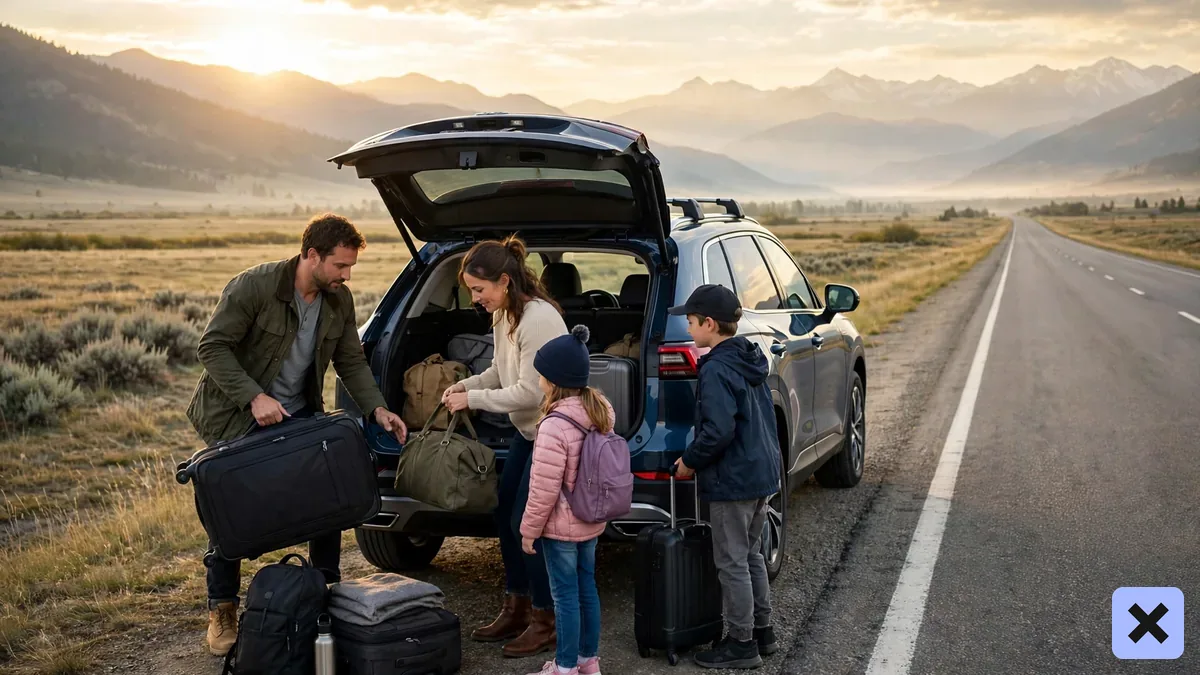
First-timers pack for the trip they imagine: the glamorous dinners, the hiking, the beach day, the fancy restaurant. They pack four pairs of shoes, a different outfit for every day, and a bag full of just-in-case items. Then they spend the whole trip hauling a heavy suitcase in and out of the car and digging through it for the one thing they actually need.
Pack for the trip you are actually taking. Choose versatile clothes you can layer, wear things twice, and leave the outfit you will wear once at home. Keep snacks, water, sunscreen, and chargers easy to reach without emptying the boot at every stop. If you cannot lift your own bag comfortably, it is too heavy.
4. Underestimating What the Trip Will Cost
Road trips feel cheap because the biggest cost — the car — is already paid for. First-timers budget for fuel and forget everything else: tolls, parking, meals, coffee, accommodation, tickets, and the snacks that cost a fortune at service stations. The daily total creeps up quietly, and by day three the trip feels far more expensive than planned.
Make a simple daily budget before you leave. Estimate fuel from your route distance and your car’s real consumption, not the optimistic figure in the brochure. Add a food budget that assumes you will eat out at least once a day, and a buffer of 20 percent for everything you forgot. Keep some cash for toll booths, parking meters, and small rural stops that do not take cards.
| Expense | Common first-timer mistake | What to do instead |
|---|---|---|
| Fuel | Budgeting on motorway prices only | Price in rural fuel stops, which cost more |
| Food | Eating every meal at service stations | Pack a cool box and picnic once a day |
| Staying over | Booking the cheapest room anywhere | Pay more for safe parking and a good bed |
| Tolls and parking | Forgetting they exist | Check tolls and parking fees in advance |
| Emergencies | No spare cash at all | Keep a cash cushion you do not touch |
5. Driving Until You Are Too Tired to Notice
Fatigue is the most dangerous road trip mistake, and the hardest to admit while it is happening. Tired drivers do not feel tired in the way they expect. They feel fine right up until their reactions slow, their attention drifts, and a small mistake becomes a serious one. First-timers push through because they want to arrive, or because stopping feels like wasting time.
The rule is simple: stop before you feel tired. Take a proper break every two hours — at least fifteen minutes, out of the car, walking around, drinking water. Share the driving if you can. Never drive after a bad night’s sleep, and never try to recover a lost day by driving late into the night.
6. Eating and Sleeping Like the Rules Do Not Apply
Road trips run on junk food and bad sleep, and first-timers treat that as part of the fun. For a day or two, it is. By day four, the heavy meals, sugar crashes, late nights, and early starts have caught up, and everyone is tired and irritable. A road trip is a marathon, and your body needs to be looked after like one.
Keep it simple. Eat a proper breakfast before you set off. Pack fruit, nuts, sandwiches, and water so you are not living on crisps and fizzy drinks. Drink water regularly, not just coffee. Protect your sleep with a dark room and an evening cut-off time you actually stick to.
7. Chasing the Highlights and Missing the Trip
First-timers often plan a road trip like a checklist of famous places, racing from one photo stop to the next. The result is a trip spent mostly in the car, arriving at famous viewpoints at the same time as everyone else and leaving with the strange feeling of having seen everything and experienced nothing. Some of the hype deserves a sceptical eye — the worst travel hype traps are the ones that eat your whole day for a photograph you could have seen online.
Slow down and choose. Pick two or three things that genuinely matter to you each day and leave the rest. Stop at the small town that is not in the guidebook. Take the quiet road. The best road trip memories are rarely the famous viewpoints; they are the unplanned moments in between, and you only get them if you leave time for them.
The First-Timer Road Trip Checklist
Run through this list the day before you leave, and again on the morning of departure. It takes ten minutes and catches the mistakes that cause most first-timer problems.
- Route downloaded for offline use, and the first night’s stay booked and confirmed.
- Car checked: oil, coolant, tyres including the spare, lights, wipers, and fuel tank full.
- Emergency kit in the boot: jack, jump leads, torch, first-aid kit, water, and a blanket.
- Bags packed light, with snacks, water, chargers, and a waterproof layer within easy reach.
- Daily budget set, with cash kept aside for tolls, parking, and places that do not take cards.
- Realistic driving plan: five to six hours a day, a break every two hours, and no night driving to catch up.
Frequently Asked Questions
How many miles should a first-timer drive per day?
Plan for 250 to 350 miles, or about five to six hours of actual driving. That leaves time for meals and detours.
What is the biggest mistake first-time road trippers make?
Trying to drive too far, too fast. Over-ambitious daily distances cause fatigue, arguments, and missed experiences.
How much money should I budget for a road trip?
Work out fuel from your route and your car’s real consumption, add food, accommodation, tolls, and parking, then add a 20 percent buffer. First-timers almost always underestimate food and parking costs.
Do I need to book accommodation in advance?
Book at least the first night, and book ahead in peak season, at popular destinations, or when you will arrive late. On quieter stretches you can stay flexible.
What should I pack for a first road trip?
Versatile layered clothes, comfortable shoes, a waterproof jacket, snacks, water, a phone charger, a first-aid kit, and an emergency kit for the car. Pack light and keep daily essentials within reach.
Is it safe to drive at night on a road trip?
It is riskier than daytime driving, especially for tired first-timers on unfamiliar rural roads. If you can avoid it, do. If you must, slow down and stop at the first sign of fatigue.
The bottom line: the worst road trip mistakes first-timers make all come from the same place — treating the trip like a straight line on a map instead of a real journey with a real car, a real body, and real weather. Plan realistic days, check the car, pack light, budget honestly, rest before you are tired, and leave room for the unexpected. Do that, and your first road trip will feel less like a test of endurance and more like the adventure you set out for.