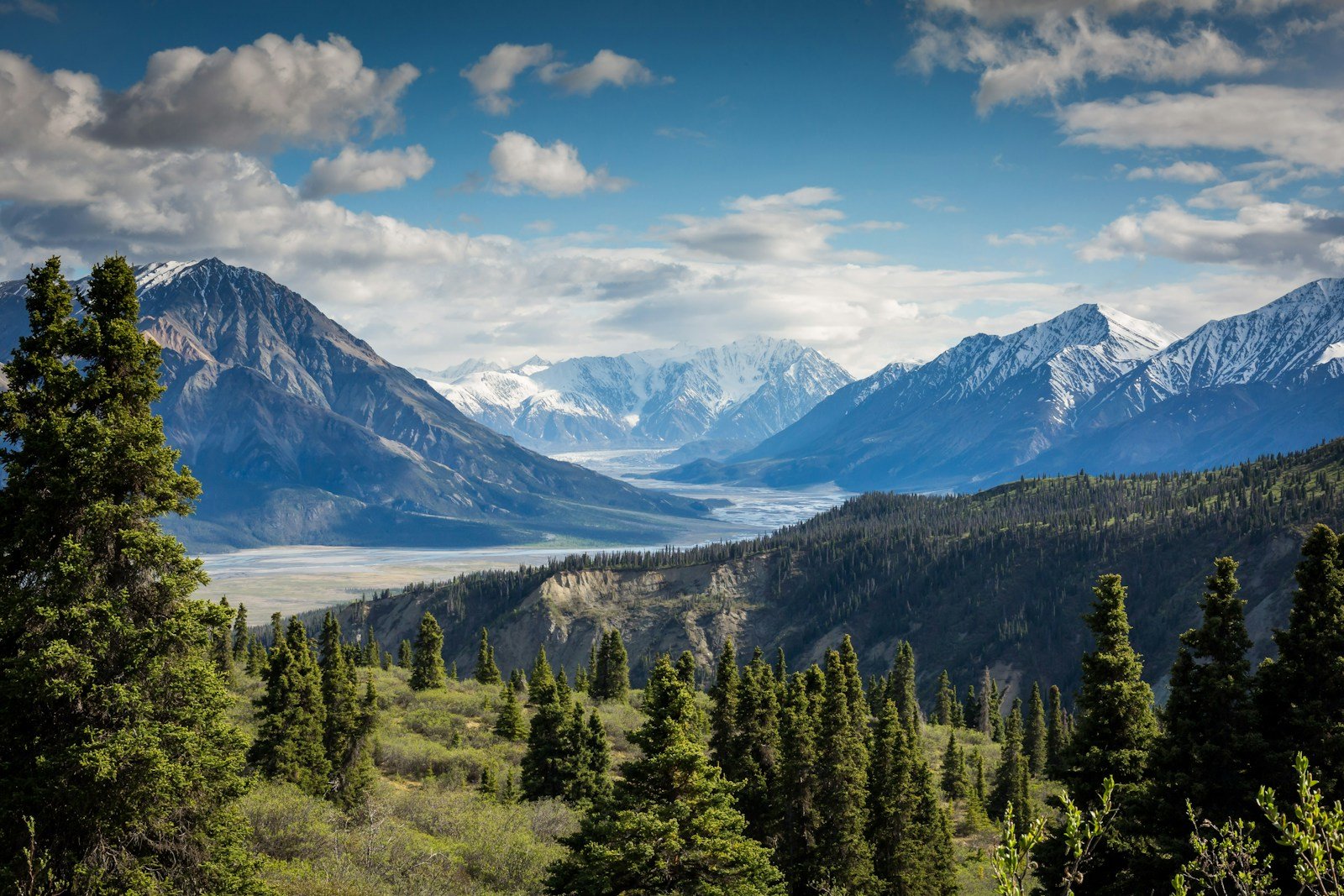
There is nothing wrong with wanting to see a place you have seen in photographs. The problem arrives when the photograph becomes the entire plan: a long queue, a rushed moment and a journey arranged around recreating somebody else’s image.
When the itinerary becomes a collection
A packed list can hide the fact that you have little interest in most of its stops. Ask what you would do at each location if you could not take a photo. If the answer is nothing, it may not deserve half your day.
This is not an argument against famous places. It is a reason to be selective. One landmark you care about can be more rewarding than several you feel obliged to collect.
Travel time is still your time
Map journeys honestly, including transfers, waiting and the trip back. An inexpensive stay far from everything you want to do can cost you the part of the holiday you value most.
Leave room for meals and rest. A schedule that only works if nothing takes longer than expected is a fragile schedule, especially somewhere unfamiliar.
Change the question
Instead of asking what everyone sees, ask what you like doing: walking, reading, eating slowly, browsing small shops or finding quiet public spaces. Then build around that.
Be considerate of the people who live in the places you visit. Follow local access rules, keep private spaces private and choose curiosity over treating a neighbourhood like a set.
Our take
The trip belongs to you, even if nobody recognises the location. Come home with an experience, not a folder of evidence.