
Choosing a first car is mostly about avoiding the wrong one. A new driver does not need the fastest car, the biggest car, or the most luxurious car. Those choices bring the highest insurance bills, the most expensive repairs, and the least forgiveness when a beginner makes a mistake. The cars below are the ones to steer clear of in 2026, either because reliability surveys rank them at the bottom, because insurers charge a fortune to cover them for young drivers, or because they are simply too big, too powerful, or too old to be a sensible first car.
None of this means every example of these models is a bad car. It means the odds are against a new driver. When you have little experience, a thin budget, and no claim-free years behind you, you need the odds on your side. The cars in this guide fail that test for clear, specific reasons.
5 Key Takeaways
- Consumer Reports ranks the GMC Acadia, Rivian R1T, and Chevrolet Blazer EV among the least reliable cars of 2026, with predicted reliability scores of 14, 18, and 19 out of 100.
- Sports cars, large trucks, and older luxury cars cost far more to insure for a new driver, even when the purchase price looks cheap.
- A car that is cheap to buy can still be expensive to own. Repair bills of $10,000 to $15,000 are common on out-of-warranty luxury SUVs.
- Older Nissans with continuously variable transmissions from 2013 to 2019 are a known weak spot, and older Nissan Leafs use an outdated charging plug that is getting hard to find.
- Always get an insurance quote and a pre-purchase inspection before you buy. Either one can save you thousands.
Why New Drivers Get Stung
Insurers price new drivers on two things: inexperience and the car itself. Drivers under 25 typically pay 80 to 100 percent more than a 30-year-old with the same cover, because crash and claim rates are higher in the first years of driving. The car then adds a second layer. A vehicle with a history of frequent or expensive claims costs more to insure, whatever your personal driving record looks like.
Reliability works the same way. A new driver rarely has a big repair fund, so a car that spends time in the workshop hurts more than it would hurt an experienced owner with savings to fall back on. That is why this guide leans on Consumer Reports owner survey data, which covers about 380,000 vehicles and twenty potential trouble areas, from squeaky brakes to engine, transmission, and EV battery problems. When a model scores near the bottom of that survey, a first-time buyer should take notice.
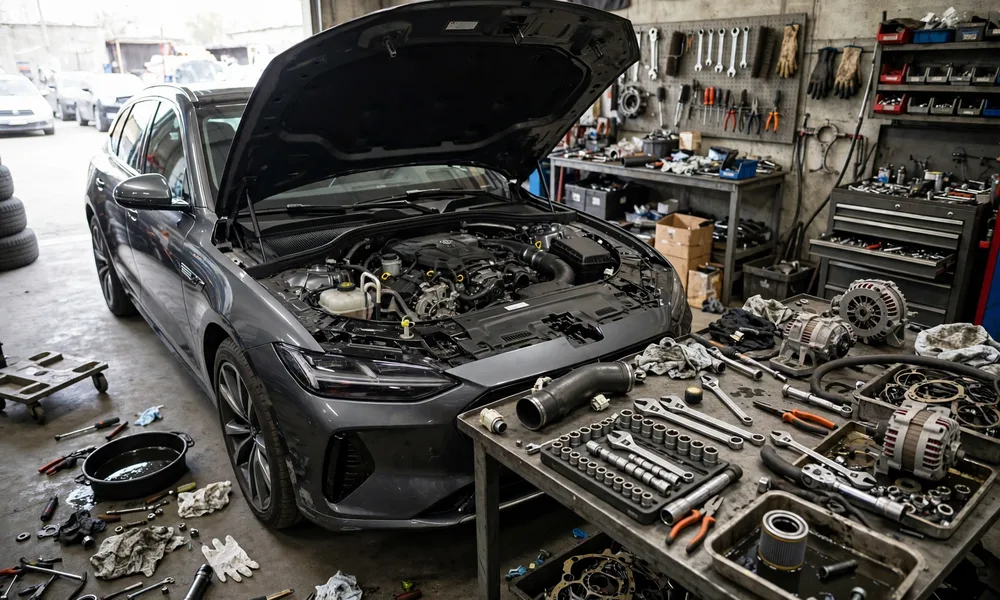
Cars New Drivers Should Avoid in 2026
1. GMC Acadia — Least Reliable in 2026
The GMC Acadia sits at the very bottom of Consumer Reports’ 2026 least-reliable list, with a predicted reliability score of just 14 out of 100.
2. Rivian R1T — Expensive to Fix, Hard to Service
The Rivian R1T is an impressive electric truck, but it is a poor first car. Consumer Reports gives it a predicted reliability score of 18, and the early 2022 model alone has endured eleven recalls of varying seriousness.
3. Chevrolet Blazer EV — Early EV Teething Problems
The Chevrolet Blazer EV scores just 19 for predicted reliability in the Consumer Reports survey, and problems have followed the model since the 2024 version. Early electric models from traditional brands carry extra risk for a first-time buyer: software faults, charging problems, and expensive battery-related repairs. A new driver who wants an electric car should look at proven, affordable EVs instead. Our guide to the best electric cars for first-time buyers covers the safer choices, with models that have earned their reliability record rather than asking a beginner to gamble on one.
4. Mazda CX-90 and CX-90 Plug-in Hybrid — Costly Complexity
Mazda usually builds reliable cars, which makes the CX-90’s position on the least-reliable list stand out. The standard CX-90 scores 23 and the plug-in hybrid version scores just 20. The hybrid’s problem is complexity: blending petrol and electric power smoothly is hard even for experienced manufacturers, and this system has struggled. Both versions are also large, expensive SUVs, with high insurance and repair costs. A new driver is better served by a smaller Mazda, such as the Mazda3, than by the brand’s biggest and most complicated SUV.
5. Kia EV6 and Kia EV9 — Big Bills, Big Prices
The Kia EV6 scores 25 and the larger EV9 scores 24 for predicted reliability, putting both near the bottom of the 2026 list.
6. Chrysler Pacifica Hybrid — The Minivan to Skip
The Chrysler Pacifica Hybrid scores 26 for predicted reliability, the best score on this list and still among the ten worst cars of 2026.
7. Honda Prologue and Genesis GV60 — New-Name Risks
The Honda Prologue scores 25 and the Genesis GV60 scores 21 for predicted reliability.
Least Reliable Cars of 2026 Compared
| Car | Predicted Reliability (out of 100) | Main Problem | Why It Hurts a New Driver |
|---|---|---|---|
| GMC Acadia | 14 | Long-running reliability issues | Large, costly to repair and park |
| Rivian R1T | 18 | Recalls and limited service network | Long waits and high repair bills |
| Chevrolet Blazer EV | 19 | Early EV faults | Expensive battery and software repairs |
| Mazda CX-90 Plug-in Hybrid | 20 | Hybrid system complexity | Big, costly, complicated |
| Genesis GV60 | 21 | Early EV reliability problems | Expensive parts and repairs |
| Mazda CX-90 | 23 | Reliability below Mazda’s usual standard | Large SUV costs |
| Kia EV9 | 24 | Build and reliability faults | Costs around $70,000 at the top end |
| Kia EV6 | 25 | EV reliability problems | High repair costs |
| Honda Prologue | 25 | First-generation EV faults | Does not match Honda’s usual reliability |
| Chrysler Pacifica Hybrid | 26 | Hybrid system problems | Complicated, expensive to fix |
Reliability scores are Consumer Reports predicted reliability scores for 2026, based on owner survey data from about 380,000 vehicles.
The Insurance Traps: Sports Cars, Luxury Cars, and Big Trucks
Some cars are not unreliable at all, yet they are still terrible first cars because of insurance.
Older luxury cars are a quieter trap. A ten-year-old BMW 3 Series might sell for $8,000, the same price as a five-year-old Toyota Camry, but the BMW typically costs 30 to 50 percent more to insure.
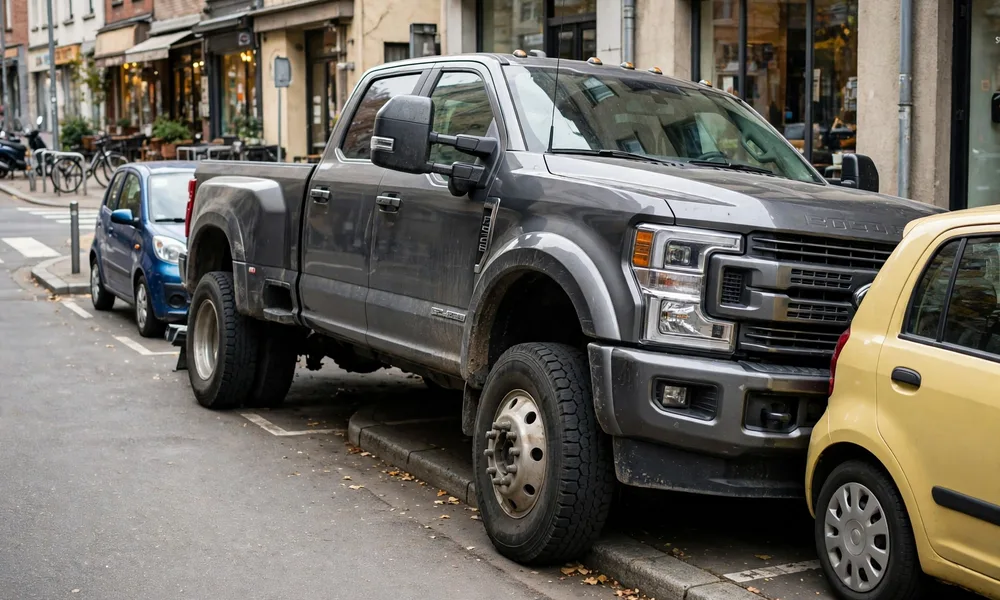
Large SUVs and trucks are the third trap. Full-size models such as the Chevrolet Tahoe are heavy, and their size drives up liability costs when they are involved in a crash.
Used Cars to Avoid: Old Nissans, Old Leafs, and Recall-Heavy Fords
The used market holds the best first-car bargains, and also the worst traps. The most specific warning concerns Nissan’s continuously variable transmission, or CVT, in models from 2013 to 2019. These gearboxes have a well-documented history of failure, and a replacement can cost more than the car is worth.
The older Nissan Leaf is another used car to skip. It was the only car in America still using the outdated CHAdeMO charging plug until Nissan upgraded the Leaf for 2026, and compatible public chargers are getting harder to find.
Finally, be wary of brands with heavy recall histories. Ford issued about 153 recalls in 2025, affecting around 13 million vehicles, far more than any other manufacturer. That does not make every Ford a bad car, but it is a sign of systemic quality problems, and a new driver should check the recall history of any specific Ford before buying. Hybrids can also be a smart first-car choice when they are proven models. Our guide to the best hybrid cars for first-time buyers explains which ones are worth your money and which ones to leave alone.

What to Buy Instead
The pattern is clear: a new driver should buy small, simple, and proven. A compact sedan or hatchback with a strong reliability record, standard safety features, and modest power is the right shape of first car. The Toyota Corolla, Honda Civic, and Mazda3 are the usual leaders, and for good reason. If your budget is tight, a used example of one of those three, with a clean history and a pre-purchase inspection, beats a new car from a less reliable brand. Our guide to the best cars under $20,000 in 2026 covers the affordable options that are actually worth buying.
When you find a car you like, check its reliability record, its recall history, and its insurance cost before you fall in love with it. Get a quote, book an inspection, and take a long test drive. The right first car is the one that leaves you money in the bank and confidence on the road.
One last habit will save a new driver more money than any other: patience. Do not buy the first car you test-drive, and do not buy under pressure from a seller. Sleep on the decision, compare the insurance quotes side by side, and check the car again in daylight. The right first car will still be there tomorrow, and the wrong one will still be wrong. A careful week of checking beats a rushed afternoon followed by years of repair bills and high premiums.
Avoid-List Checklist: 6 Checks Before You Buy
- Check the model’s predicted reliability score and owner-reported problems before you shortlist it.
- Get insurance quotes for every car you are considering, and compare the annual cost.
- Check the recall history of the exact year and model, not just the brand.
- Avoid cars with far more than 200 horsepower, and skip large trucks and SUVs unless you genuinely need the size.
- If buying used, pay for an independent pre-purchase inspection and check the vehicle history report.
- Walk away from any car with transmission trouble, warning lights, or a seller who will not let you inspect it.
FAQs
What is the worst car for a new driver in 2026?
The GMC Acadia is the worst pick by reliability, with a Consumer Reports predicted reliability score of just 14 out of 100. It is also large, expensive to repair, and hard to park, which makes it a poor first car on every count.
Are electric cars bad for new drivers?
Not at all. Small, affordable, proven electric cars can be excellent first cars. The problem is large, expensive, early-generation EVs such as the Chevrolet Blazer EV, Kia EV9, and Rivian R1T, which score poorly for reliability and cost a lot to insure and repair.
Why are sports cars so expensive to insure for new drivers?
Insurers price on claim history. Sports cars are involved in more frequent and more expensive claims, and their specialist parts cost more to repair. A new driver already pays an inexperience surcharge, so adding a high-risk car compounds the cost.
Should a new driver buy an old luxury car?
Usually not. The purchase price looks tempting, but parts, specialist labour, and insurance cost 30 to 50 percent more than for a mainstream car, and major repairs can reach $10,000 to $15,000 once the warranty has expired.
Are used Nissans with a CVT gearbox safe to buy?
Be very careful with Nissans from 2013 to 2019 with a continuously variable transmission. These gearboxes have a known failure history, and a replacement can cost more than the car is worth. Check the transmission history and walk away from any signs of trouble.
How can I check if a car is a bad buy before I pay?
Get an insurance quote, check the model’s reliability scores and recall history, and pay for an independent pre-purchase inspection. Those three checks catch most bad buys before any money changes hands.
The Bottom Line
Skip the big, the powerful, the unreliable, and the out-of-warranty luxurious. A new driver’s first car should be small, simple, safe, and cheap to insure and repair. Choose a proven compact with a strong reliability record, check the insurance quote before you buy, and let your first car build your confidence instead of draining your bank account.


